The people have spoken, Scout CEO says
According to a new report published by Bloomberg on November 26, Scout Motors, Volkswagen‘s recently established adventure-focused electric vehicle brand, stated that the brand will be making a hard pivot from purely battery-electric, off-road-oriented SUVs and pickup trucks to those incorporating a gasoline-powered engine.
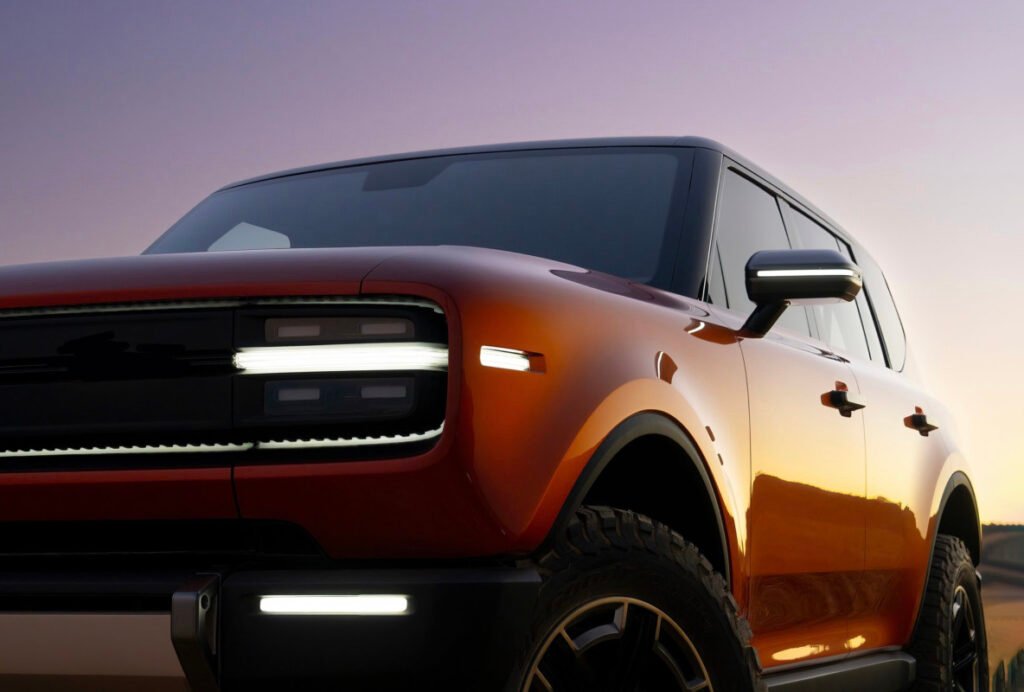
Namely, the brand will be giving its Harvester models extended-range electric versions (EREVs) that were revealed last year with the brand’s Traveler SUV and Terra pickup. The biggest draw of the Harvester is its gas-powered engine, which can recharge the battery while in operation.
Scout Motors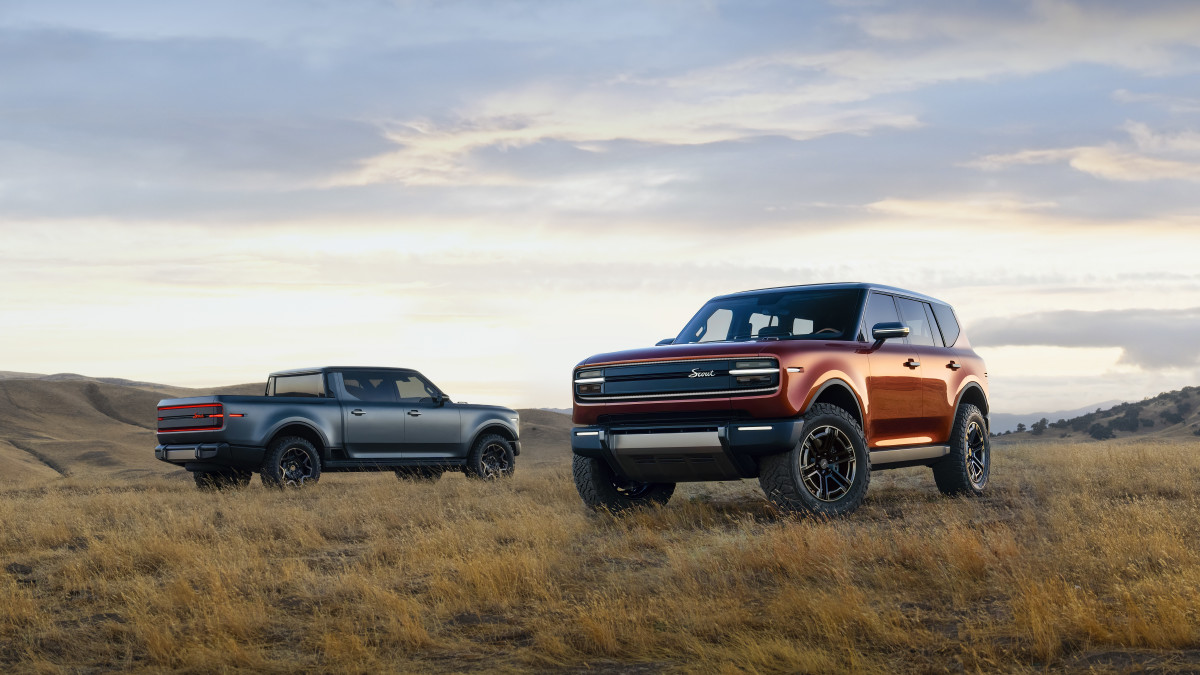
What are EREVs?
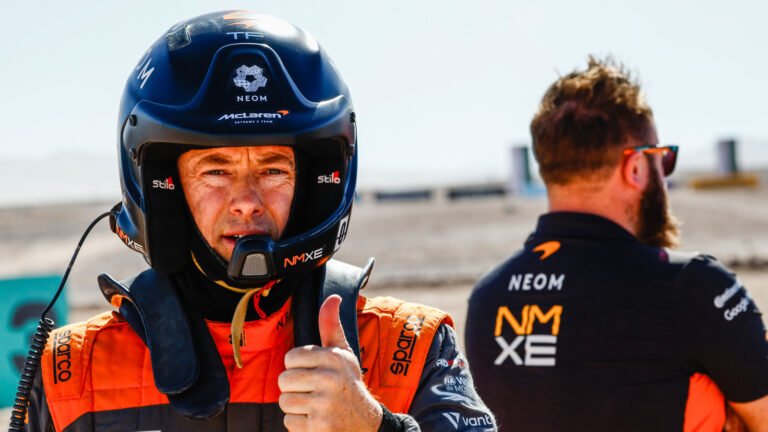
In an interview, Scout CEO Scott Keogh said that 80% of those who have placed a $100 reservation on a Scout vehicle have opted for the Harvester over pure electric versions.
“The market clearly has spoken, without a doubt, and they like the EREV technology full stop,” Keogh told Bloomberg. “This is EV without the drama.”
Although we don’t know the exact size of the Scout’s battery, the vehicles are expected to feature an 800-volt battery architecture with 350 kW DC fast charging, bidirectional capability, and an estimated 350-mile range on just the battery alone. With the Harvester technology equipped, Scout claims that its cars can travel up to 500 miles using both battery-stored electricity and gas.
John Keeble/Getty Images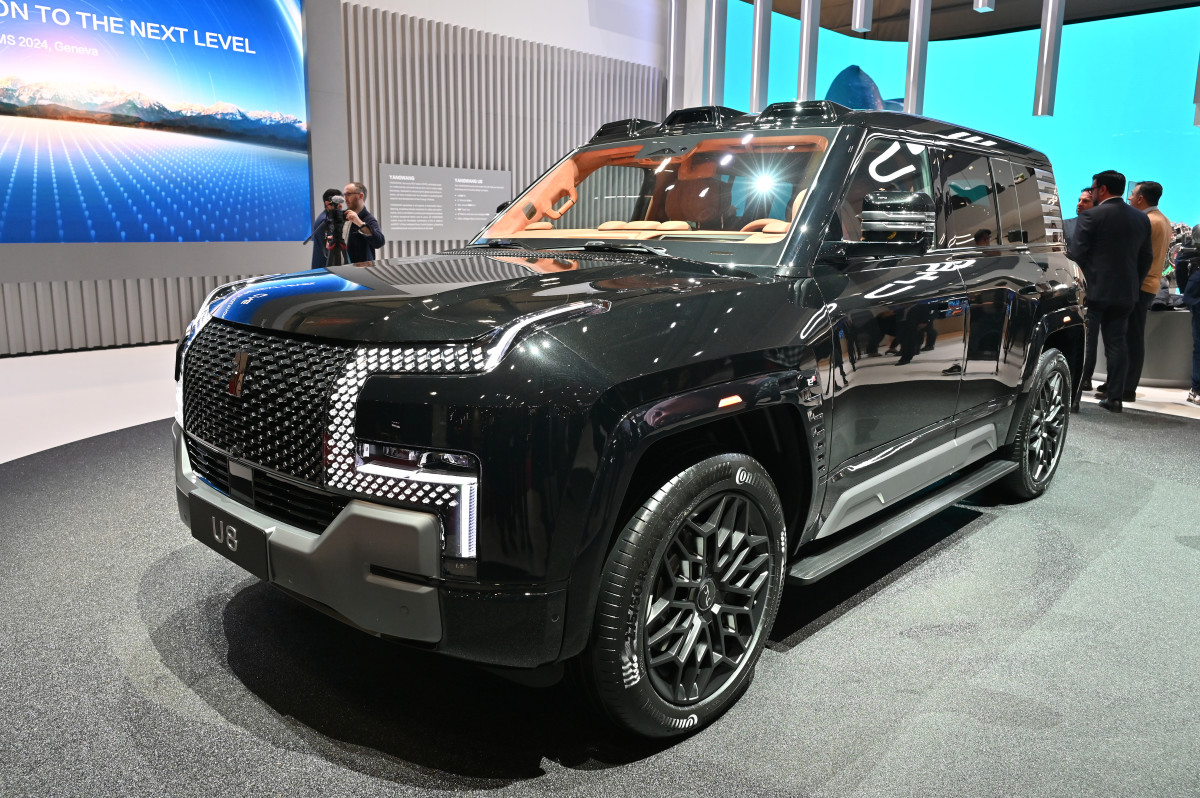
Over the past few years, range-extended or extended-range electric vehicles (EREVs) have proven to be a particularly popular alternative to conventional battery-electric vehicles in key regions where EV adoption has surged, notably in China, where local manufacturers such as Li Auto and BYD have seen success with these models.
As mentioned before, EREVs differ from other electrified vehicles, such as hybrids and battery-electric cars, as they feature a small gasoline engine that isn’t mechanically connected to the wheels in any way. Instead, it functions like an onboard power plant that activates whenever it is needed to recharge the battery.
However, other automakers have recently shown interest in this technology, with several reportedly exploring EREVs to expand their reach. Recently, Jeep has confirmed that the 2026 Grand Wagoneer will feature a range-extender setup, while Ram is developing an extended-range version of the Ram 1500 called the REV. Hyundai is also developing an extended-range version of the Santa Fe.
Even BMW is reportedly considering its own EREVs, based on the X5 and 7 Series. It wouldn’t be the first time it offered such a technology, as it previously sold the BMW i3 REx, which utilized a small scooter engine to recharge the high-voltage battery when it was low on power.
Scout CEO: We are “capable” of building other brands’ cars
Scout Motors is poised to begin producing its vehicles in a brand-new $2 billion factory in South Carolina, which is slated to start production in late 2027. With tariff trouble affecting multiple brands in the Volkswagen portfolio and the possibility of Audiproducing a Scout-derived off-roader targeting the Mercedes G-Wagon and the Land Rover Defender, the Scout CEO did not entirely rule out the possibility of the factory producing four-ring-branded vehicles.
“We are capable of making products for other brands, so the platform is capable, and the factory is capable,” Keogh said. “But I have actually nothing to confirm on Audi. Audi can give you that answer.”
Final thoughts
Scout CEO Scott Keogh also mentioned that with Scout’s new facility, Volkswagen has the opportunity to create products that will compete in segments accounting for approximately 40% of the profits experienced by the US auto market, and are often bought by buyers who appreciate a product made in the USA.
“The group can plant a brand right in the heart of the US profit pool,” Keogh said. “Regardless of party, I think Americans do want things made in America. These segments are strongly dominated by a ‘Buy American’ mentality.”
In theory, EREVs can be a solution to traditional battery-electric cars, as their electric range tends to be much higher than that of many EVs. As charging infrastructure in the US continues to expand, concerns over charging reliability and range anxiety persist. However, these models provide the kind of security that the gas pump offers.