VinFast: A (Very) Condensed History
One can say that VinFast can trace its origins, of all things, to the food industry. More specifically, the VinGroup empire was built on instant noodles. Its founder, Phạm Nhật Vượng, then expanded into real estate, and VinGroup today has subsidiaries in hospitality, healthcare, and, yes, cars.
A bit of an odd origin story, but here we are today. VinFast broke ground in 2017, and its first models were reskinned versions of the F10 BMW 5 Series and F15 BMW X5. A subcompact hatch soon followed, based heavily on the Chevrolet Spark. The company changed course dramatically in 2022
VinFast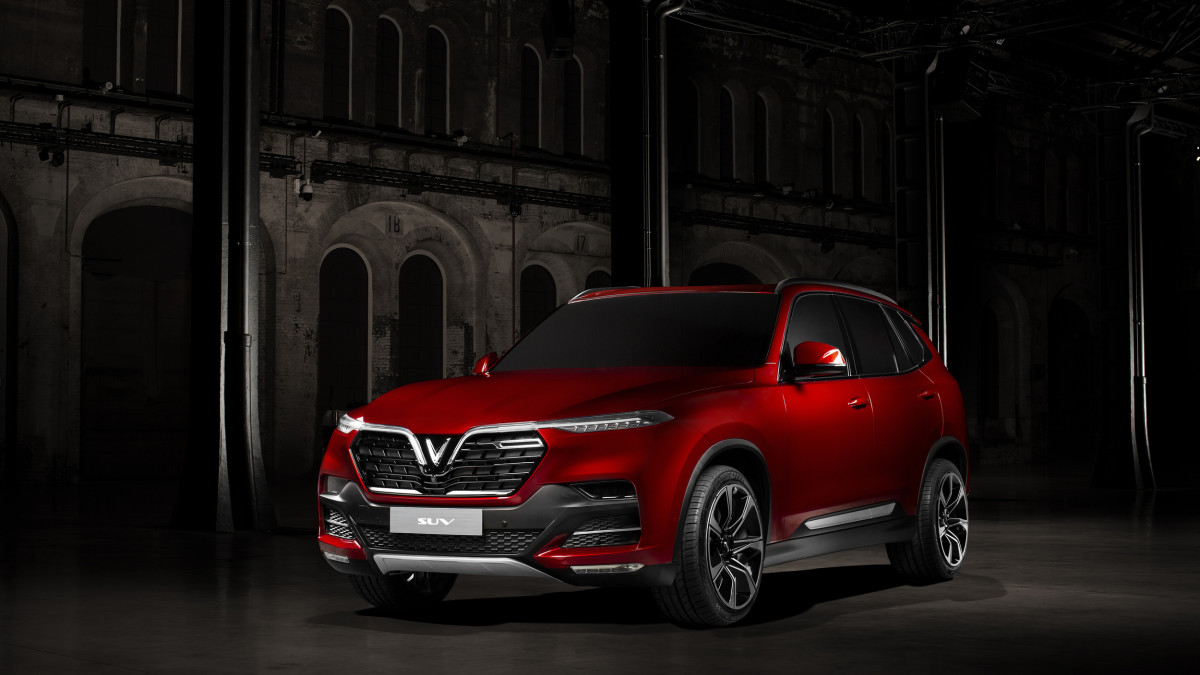
Coming to America
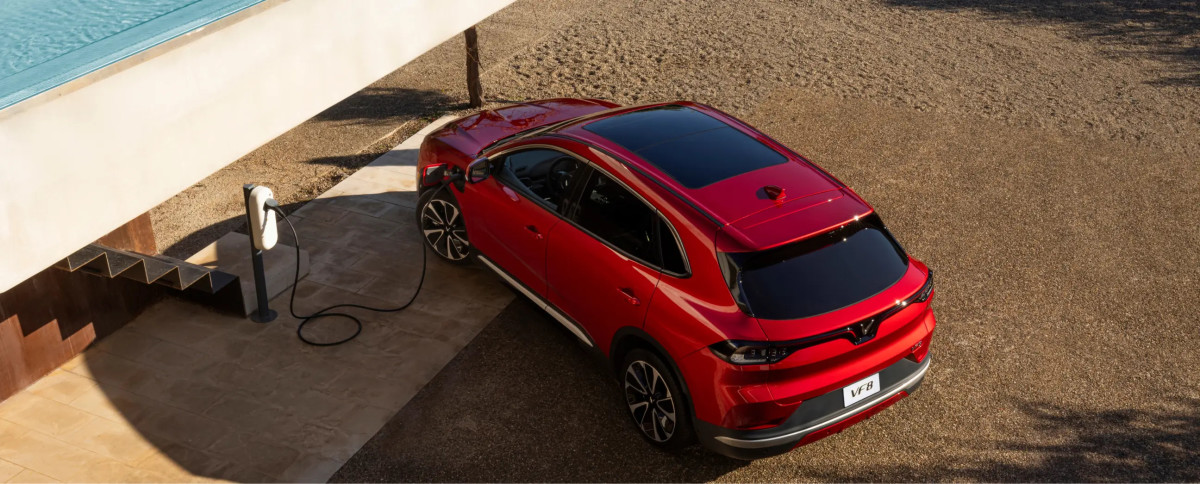
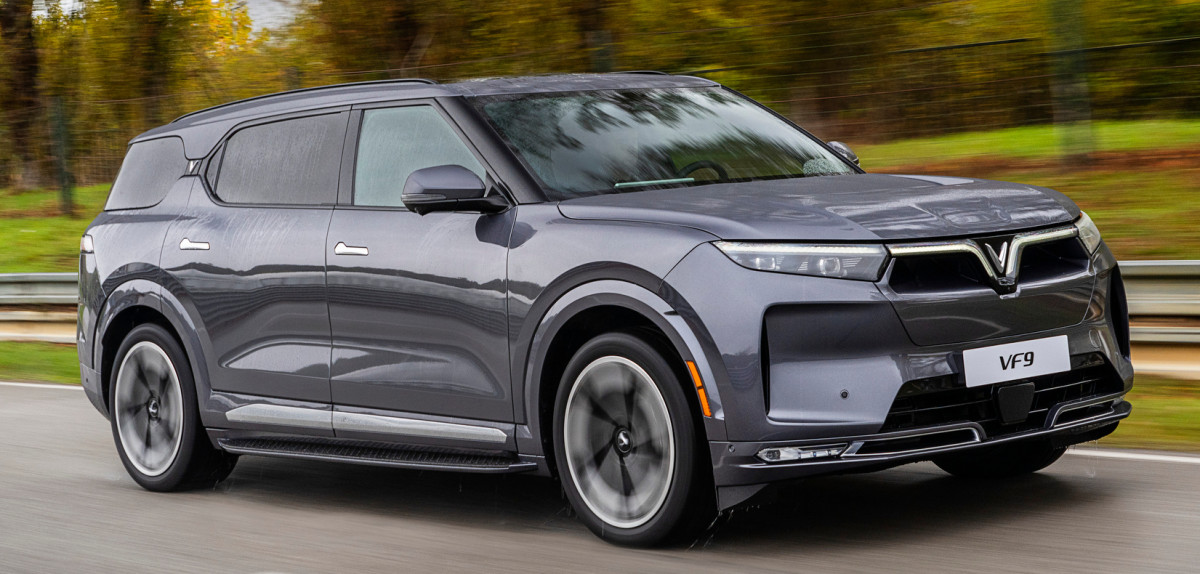
VinFast landed in the US in late 2022, and one of the cars that caught everyone’s attention was the VF9. It’s the brand’s flagship model, and faced glaringly negative reviews, among other things. A rough start, although the company said some improvements have been made. Ditto the smaller VF8.
Still, the company pursued aggressive expansion, establishing itself in 13 states and securing several dealers in Canada. Sales were decent for an upstart, but it hasn’t been smooth sailing in the last couple of years.
A Bumpy Year
Per Automotive News, 2025 has been particularly rough for VinFast. Sales in the US have seen a steep decline, reporting a drop of 57% year-on-year as of October. Less than 1,500 have been sold in 2025, and direct-sale stores have been closing down.
In California, the company has closed all its direct-sale stores and gone for franchising instead. Two dealers also packed up shop in the last six months in the Golden State, and another one closed in North Carolina. A third California dealer will be exiting by the end of the year, bringing the total to four. Meanwhile, in Canada, half of the ten stores are now out of business. VinFast’s dreams of making a splash in North America are starting to look bleak.
The Hits Keep Coming
Faced with such challenges, this is what VinFast Chairwoman Lê Thị Thu Thủy told Automotive News. “Given the tariff situation and the instability in the EV market, we just need to see how that settles before we kind of push hard in the U.S. Until we see some growth and stability in the U.S. market, we don’t intend to open more dealerships. Instead, we cultivate the relationship with the existing dealers and make sure they can get to profitability faster.”
The Vietnamese automaker originally planned 125 dealers by the end of 2024. At the time of writing, the company only has 22, and it’ll be 21 as we enter 2026. But the dwindling sales and dealers aren’t the only issues. Yes, there’s more.
Automotive News also reports that not all remaining dealers have vehicles in stock. The publication reported that a Florida dealer had only one car in stock. In fact, only 17 have vehicles in their yards, and most have fewer than 15 units in their inventories. One can’t really make sales if there’s nothing to sell in the first place.
If that’s not enough, VinFast faces yet another hurdle. There’s the aforementioned tariff situation, and the federal EV tax credits are no more. With the way things are going, the plans to actually build cars in America have been postponed, likely indefinitely.
Vinfast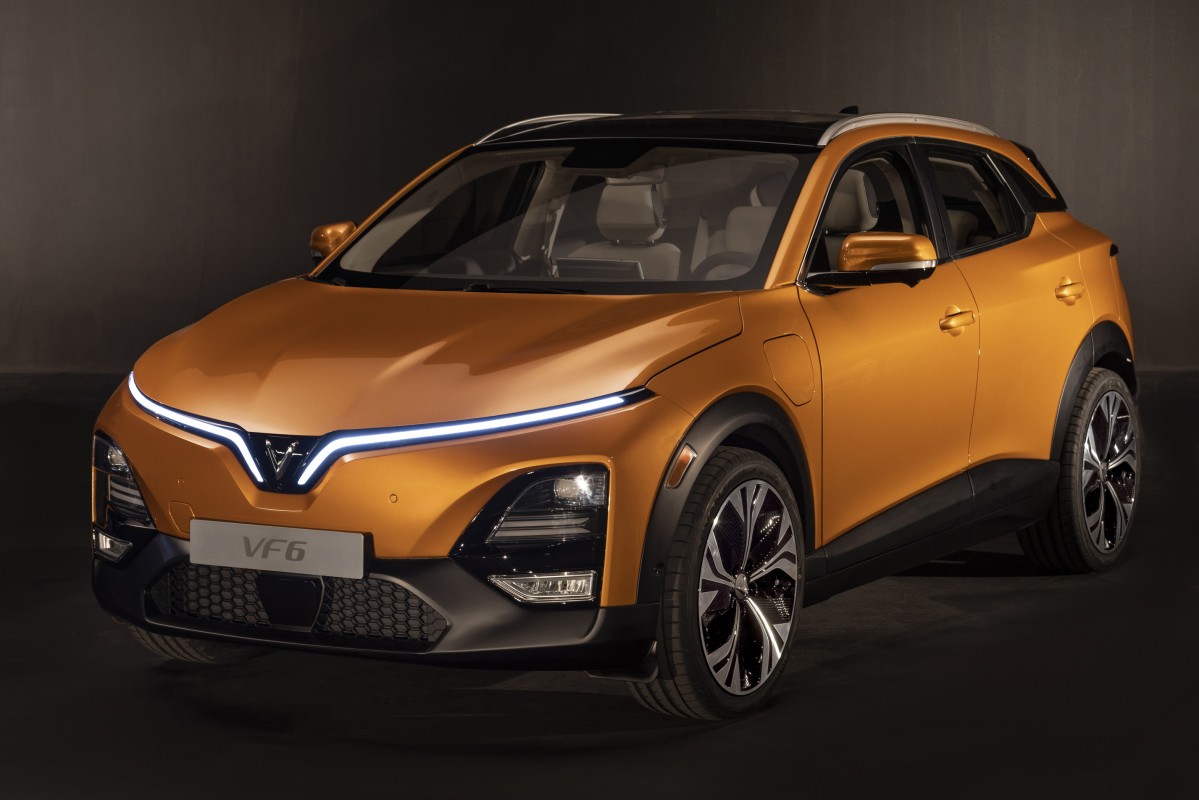
Pivot to Asia
Back in Vietnam, VinFast is doing well for itself. Then again, it shouldn’t be much of a surprise. Apart from private sales, there’s the national taxi market where, coincidentally, VinGroup offers such services. Still, credit where it’s due, as the company has shifted close to 150,000 vehicles in its backyard.
Vietnam has also begun exporting to its neighbors in Southeast Asia, namely Indonesia and the Philippines. Sales figures are unknown in Indonesia, but in the Philippines, there was a period when no cars were sold. CarGuide reported that VinFast posted no sales in July and August. Meanwhile, Autocar India reports that VinFast is trying to make headway into India through local assembly and managed to sell 288 units last month.