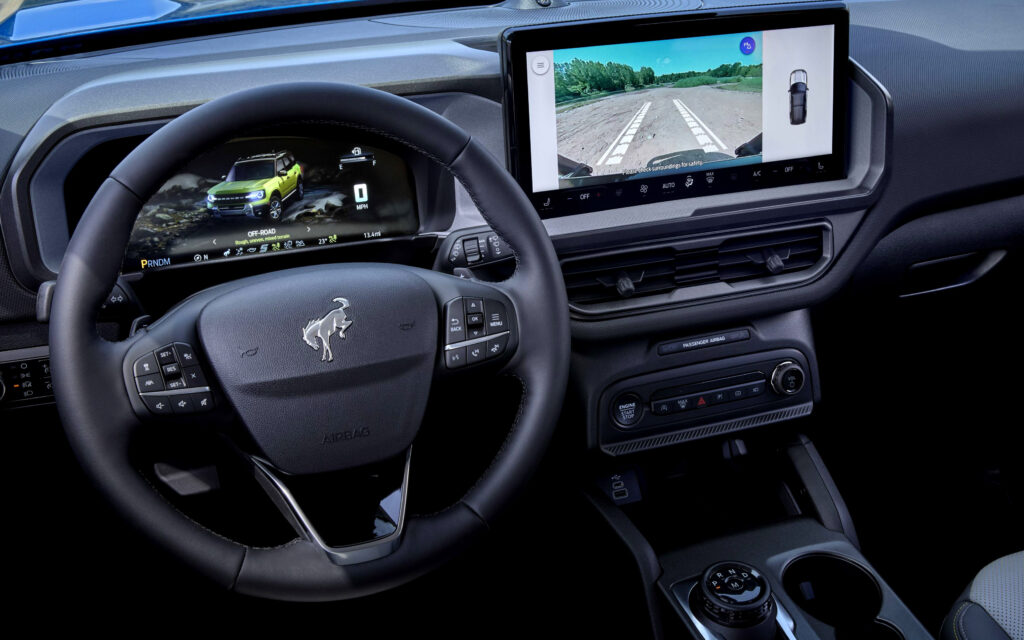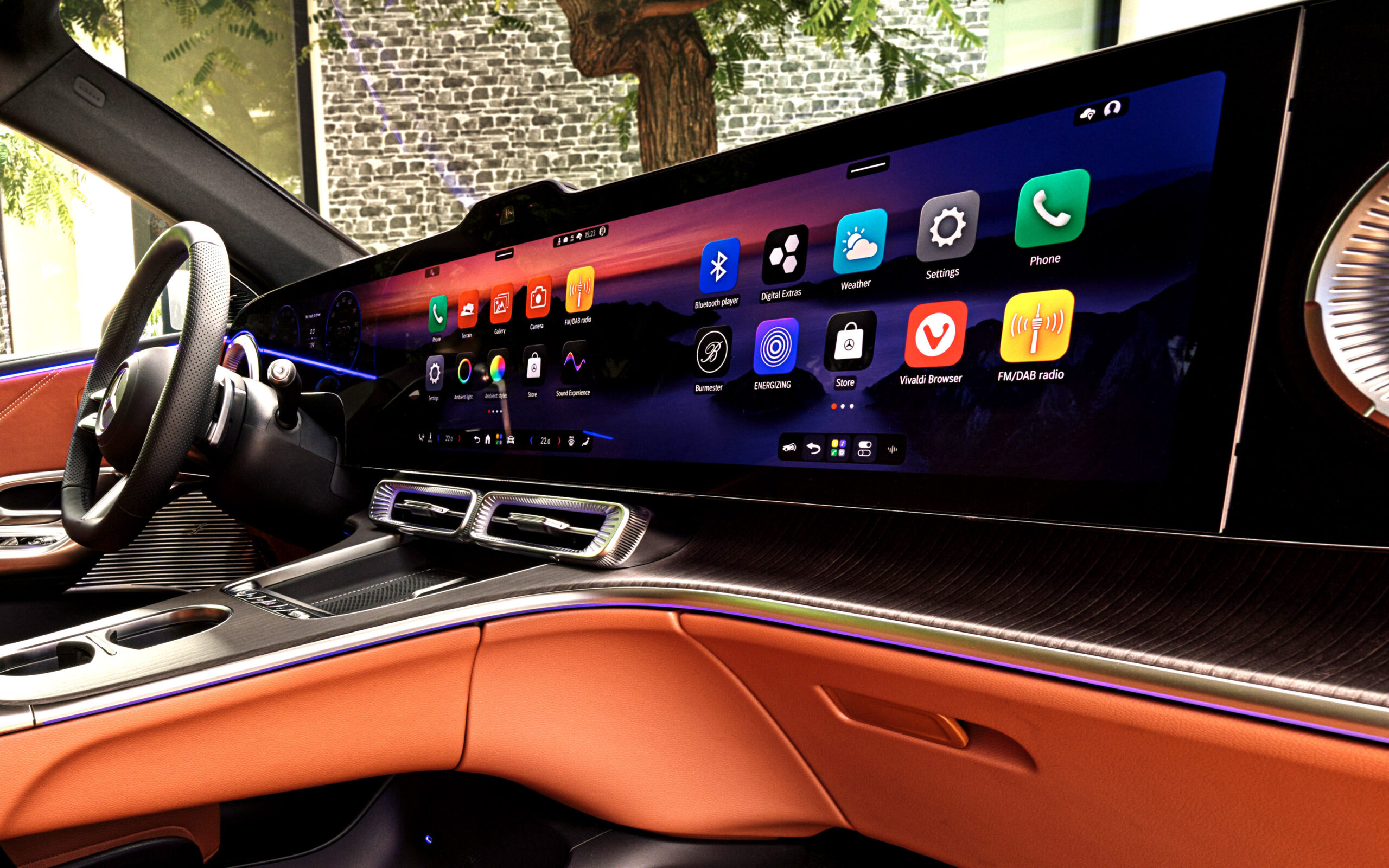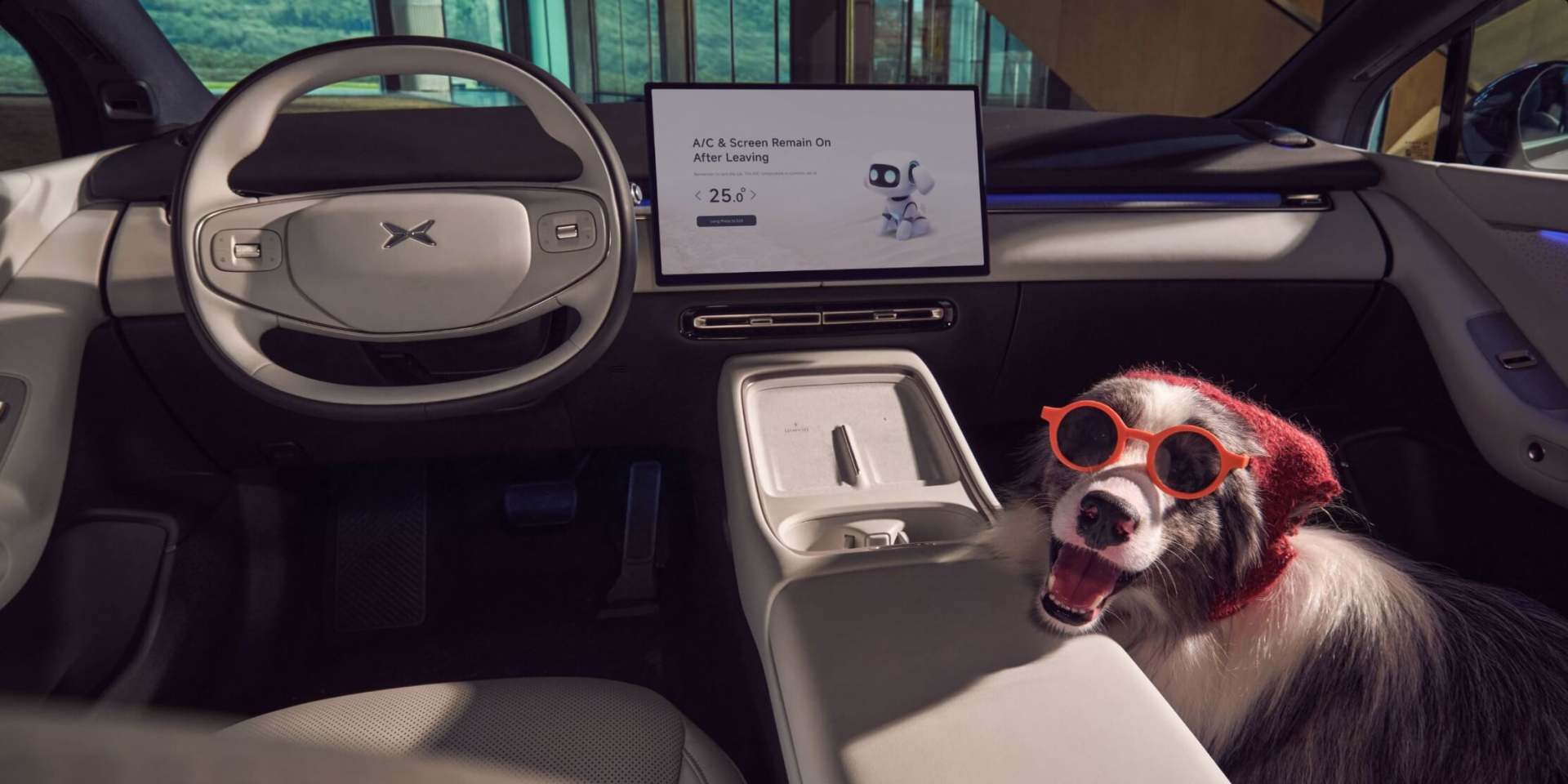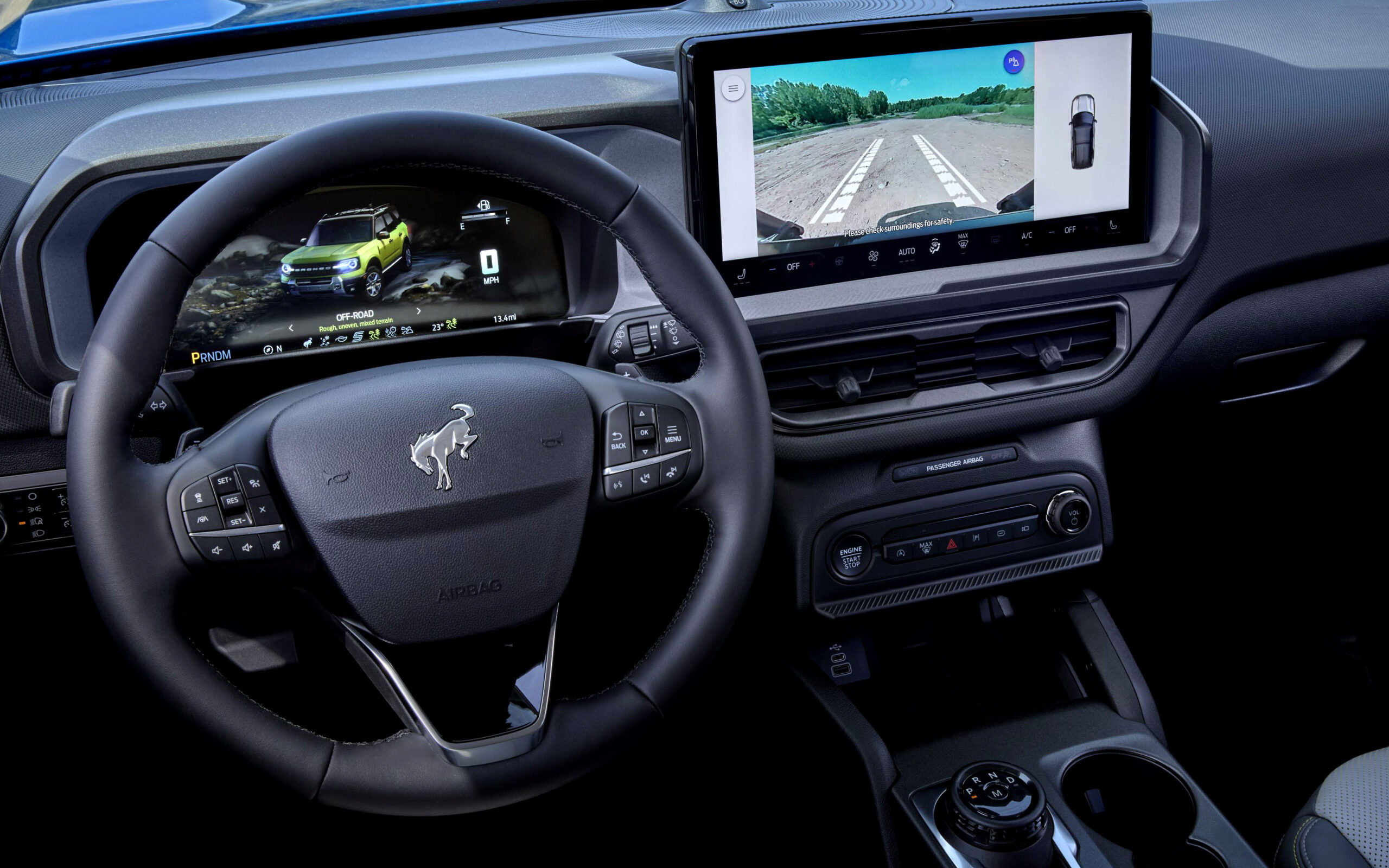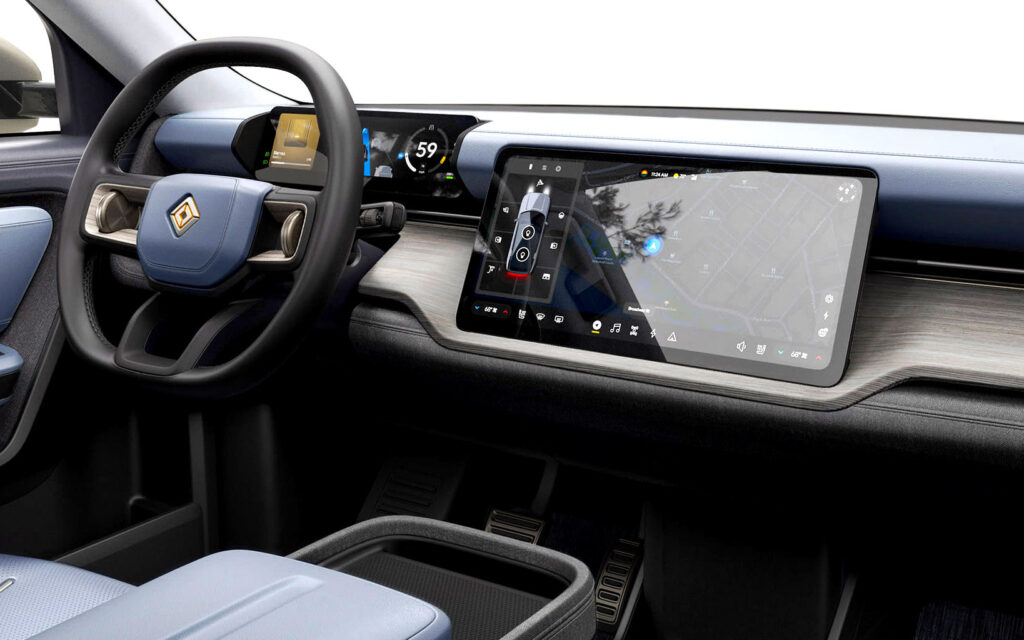
- EuroNCAP will dock one star for touchscreen-only basics.
- Physical controls will be required for key safety functions.
- Tesla relies nearly entirely on central touchscreens today.
Europe’s safety watchdog has had enough of buried menus and swipe gestures. New standards aim to ensure carmakers keep proper physical controls for key vehicle functions, or risk missing out on five-star safety ratings. And it’s not just Europe. A proposed crackdown in China suggests that even in the world’s largest car market, the touchscreen free-for-all may finally be starting to slow.
Read: China Does What Many Drivers Wish Someone Would Do About Car Screens
As of this year, EuroNCAP, Europe’s independent vehicle safety body, requires a car’s turn signals, wipers, hazard lights, horn, and SOS functions to be operated via physical controls rather than touch-sensitive surfaces. Fail to comply and a star is automatically docked from the vehicle’s safety rating. No appeals, no software updates to save you.
While EuroNCAP is not a regulator in the legal sense, its ratings carry significant weight with both consumers and automakers. Any brand selling cars in Europe effectively has a three-year grace period to revise its interior designs if it wants to retain top safety ratings, according to Auto News.
Pressure For Legal Mandates
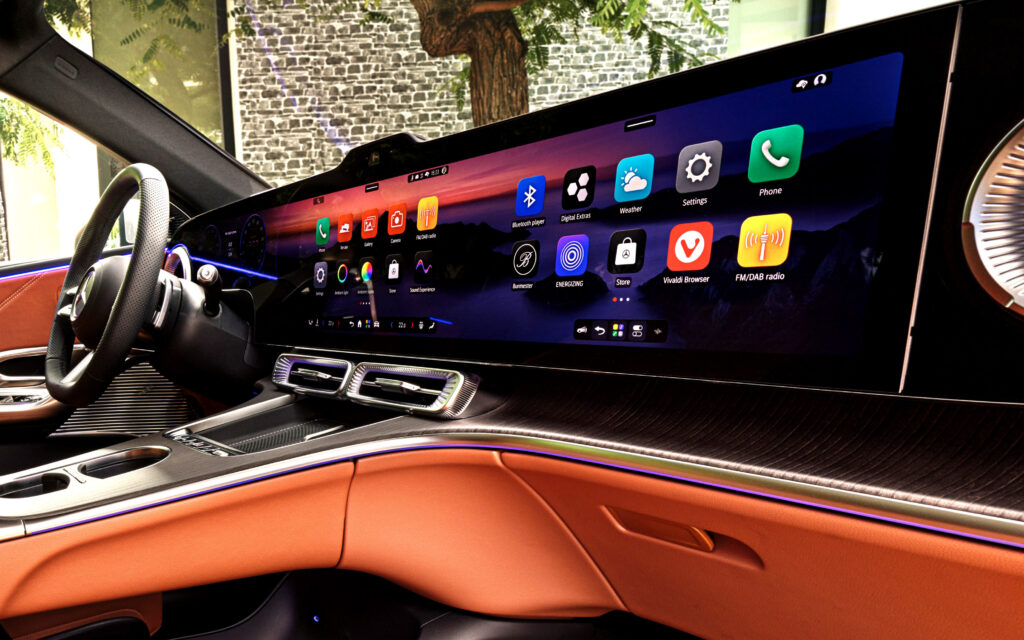
Frank Mütze of the European Transport Safety Council thinks this is only a starting point. Regulators, he argues, need to go further and make physical controls for key functions a legal requirement. The concern is simple: the more time drivers spend navigating digital menus, the less attention they devote to the road.
Also: China Moves To Mandate Physical Buttons As It Tightens Rules On Touchscreens
“The EU’s voluntary guidelines are not working because current touchscreens and infotainment systems are distracting and unsafe,” he told Auto News. “EuroNCAP requiring physical controls for some functions is a welcome step in the right direction. But we now need EU regulators to follow up and adopt legally binding requirements for all vehicles.”

To be fair, most new cars still use physical controls for essentials such as indicators, hazard lights, the horn, and SOS. But there are notable exceptions. The Tesla Model 3 and Model Y, for example, offer only a basic wiper button, with finer adjustments handled through the central touchscreen. Which is fine, right up until it starts raining harder than expected and you are fiddling around with a display.
China’s Regulatory Push
Beijing is considering a similar clampdown on screen-only controls. A recent proposal would require core functions such as turn signals, emergency calling, and gear selection to use buttons or switches measuring at least 10 mm by 10 mm (0.4 x 0.4 in). In other words, something you can actually press without hunting through a submenu.
More: China Bans Yoke Steering Wheels From 2027 Under New Safety Rules
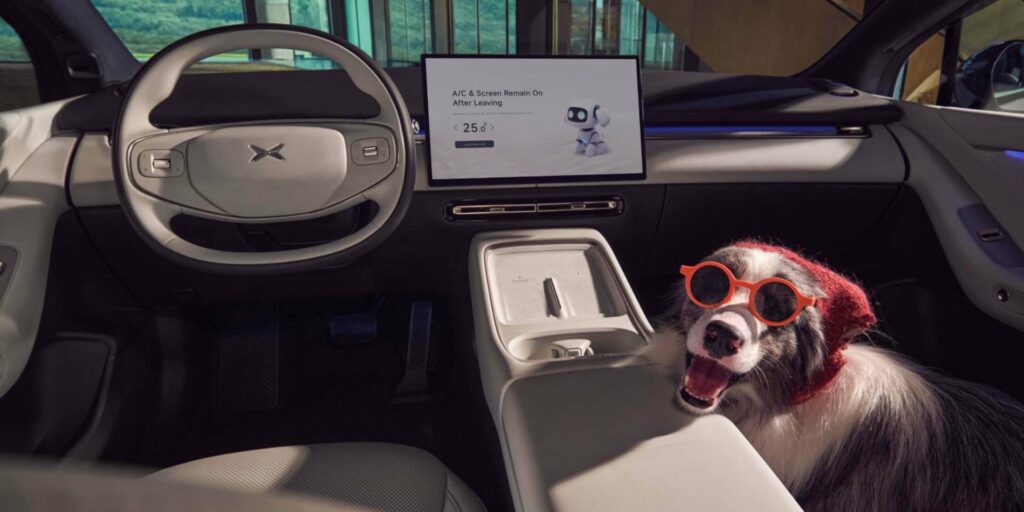
That could prove a problem for Tesla. The Model 3 and Model Y rely on the touchscreen for nearly everything, including gear selection, with emergency gear selection buttons tucked into the headliner. It works, technically. Intuitive is another matter.
Will The US Feel The Pressure?
Given the size and influence of both the European and Chinese markets, the ripple effects may extend well beyond their borders. It is never cost-effective to engineer one interior for Europe, another for China, and a third for North America. If these rules take hold, physical buttons could return not because of nostalgia, but because global compliance demands it.