
Turkey’s one of those rare places that truly changes character throughout the year. As Turkey spans from the Mediterranean coast to the high Anatolian plateau, the climate in each region varies with the seasons. Whether you’re wandering through Istanbul’s buzzing bazaars, floating over Cappadocia’s valleys in a hot air balloon, or dipping your toes into the turquoise waters of the coast, every season has its own magic. The “best” time depends entirely on what you want to see and do and which part of Turkey you want to visit.
Spring (April to June): Nature in Full Bloom
Temperature: 15°C and 28°C (60°F to 80°F )
Spring is widely thought of as the ideal time to explore Turkey and with good reason. After the winter chill fades, the whole country bursts into life. Wildflowers paint the hillsides, the days are mild, and the landscapes look like they’ve been made for your camera roll.
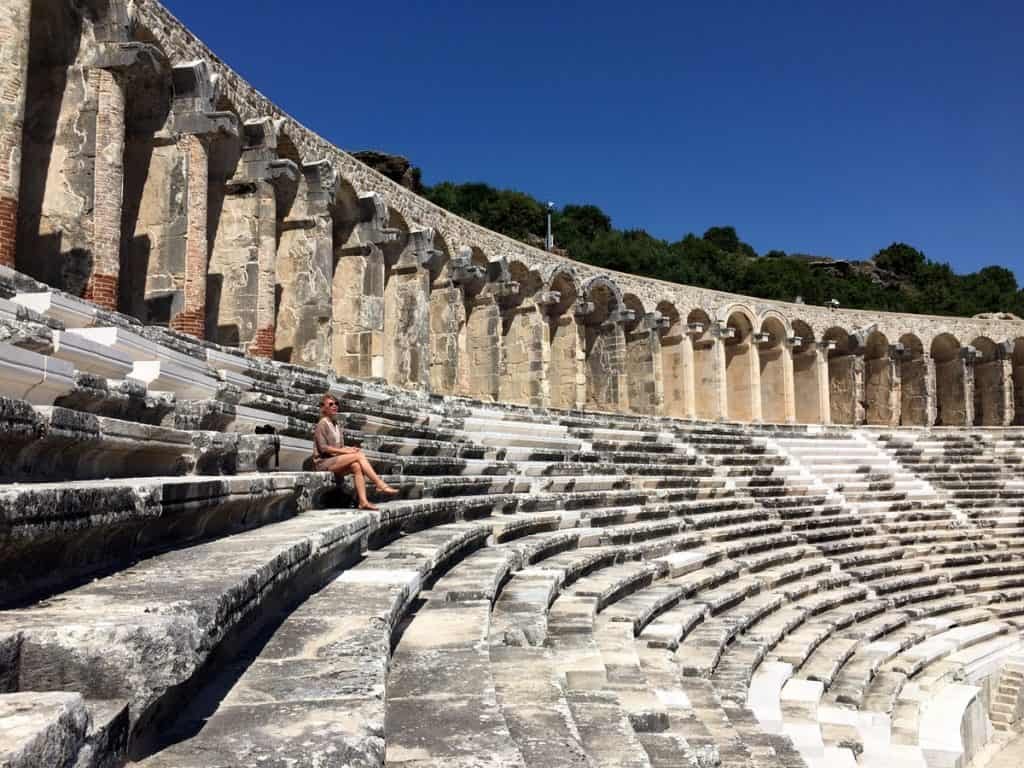
You can happily stroll around Istanbul without breaking a sweat, explore ancient sites like Ephesus before the summer crowds arrive, or take a sunrise balloon ride in Cappadocia under clear blue skies. The coastal areas, like Antalya and Fethiye, start warming up too, making late spring great for some cultural sightseeing, hiking, sailing, or just relaxing by the sea.
If you’re hoping to experience a bit of everything, city life, stunning landscapes and historical sites, spring is one of the best times to visit. Well organised Turkey Travel Packages can ensure you find the best itinerary to suit you.
Summer (July to September): Long Days and Beach Vibes

Temperature: Over 32°C (over 90°F )
In summer, Turkey turns electric. It’s all about the coast, Antalya, Bodrum, Fethiye, and the Riviera buzz with energy. Expect very hot days, warm seas, and endless sunshine. It’s the perfect setting for swimming, yacht trips, and lively evenings by the beach. Some destinations like Mt. Ararat and Göbekli Tepe are purely summer destinations.
There’s plenty going on culturally too. Festivals like the Istanbul Music Festival fill ancient venues with live performances, and seaside towns host local celebrations almost weekly. Just know that the heat can be intense this time of year, especially inland, like in Cappadocia or central Anatolia and places will be filled with the summer crowds.
If you love hot weather, late nights, and a buzzing social scene, then summer’s your season. Just plan early mornings for sightseeing and afternoons for the pool or the shade.
Autumn (October to November): Golden Days and Fewer Crowds
Temperature: Around 15–20°C (59–68°F) by day on average, cooling to roughly 10–15°C (50–59°F) at night in places like Antalya and Bodrum.
Autumn in Turkey is a dream for travellers looking for a calmer pace and less crowded travel. The heat softens to a gentle warmth, the crowds thin out, and everything feels a little more relaxed. The landscapes take on a golden glow, the seas by the coast is still warm enough for a beach holiday, its the perfect time for hiking in Cappadocia, exploring the Black Sea highlands, or strolling through Istanbul.
You can still swim comfortably through much of October, and it’s harvest season in wine regions like Thrace and Cappadocia, great to add on some vineyard visits.
It’s a brilliant time to blend culture and countryside, you can explore historical sites without rushing and still find sunshine waiting on the coast.
Winter (December to March): Cosy Escapes and Surprising Adventures
Temperature: 7–12°C (45–53°F), with nights around 5–8°C (41–46.5°F) on the main holiday coasts.
In the Central plateau, 0–5°C (32–41°F) by day and drop below freezing at night.
Winter shows a completely different side of Turkey, quieter and more atmospheric. Istanbul looks moody and beautiful under winter skies; it’s a lovely time to wander through museums, warm up in a traditional hamam, and enjoy proper Turkish tea in hidden cafés.
Cappadocia in snow is like something from a fairytale, and if you fancy skiing, resorts in places like Uludağ (near Bursa) and Palandöken offer great runs without the Alpine crowds.
It’s also the cheapest time to visit. Fewer tourists mean lower prices and a more authentic feel, great if you like discovering places the locals love. While it’s not beach weather, it’s perfect for cosy city breaks and cultural deep dives.
So, When Should You Go To Turkey?

There’s no single “best” time, it all comes down to what kind of trip you’re dreaming of.
- Want mild weather and beautiful scenery? Go in spring or autumn.
- After sun-soaked coastlines and lively nights? Summer is the best time.
- Prefer quieter cities and great value? Try the shoulder season or winter.
- Be aware of when Ramadan falls for the year, as this can affect travel plans.
- Best time to travel on a budget is in the spring and autumn seasons, when you can still enjoy the outdoors and not pay the peak prices.
Once you’ve matched your travel style to the right season, the rest of the planning, whether it’s a relaxed coastal getaway, an adventure through ancient sites or a food-and-culture tour, will fall right into place.
Have you been to Turkey? Which is your favourite season and festival? Do share in the comments below.