The Trump administration’s tariffs have continued to wreak havoc in the automotive industry in 2026. Just this week alone, Trump threatened Canada with 100% tariffs after it moved to lower its own tariffs on Chinese EVs. Trump believes Canada’s decision is disastrous and could result in serious economic consequences across North America.
In the latest tariff saga to hit the auto industry, Trump has raised tariffs on South Korea to 25%. Last year, the U.S. and South Korea agreed to a trade deal for 15% tariffs on South Korean imports, but this new tariff hike stems from Trump’s accusation that Seoul is “not living up” to last year’s deal. The implication for Hyundai and Kia cars sold here is significant.
Trump Unhappy With South Korea
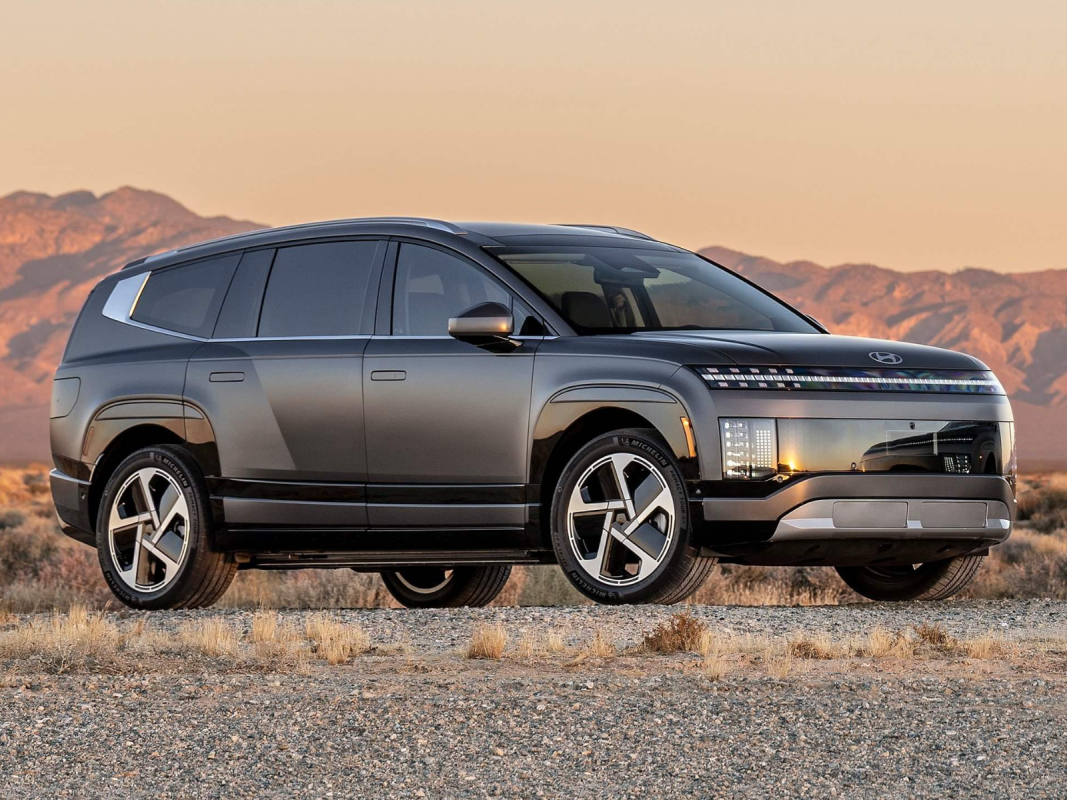
In a new post on Truth Social, Trump confirmed his decision to hike South Korean tariffs from 15% to 25%, affecting multiple industries and products, including cars.
“South Korea’s Legislature is not living up to its Deal with the United States,” wrote Trump, before directly mentioning South Korea’s president. “President Lee and I reached a Great Deal for both Countries on July 30, 2025, and we reaffirmed these terms while I was in Korea on October 29, 2025. Why hasn’t the Korean Legislature approved it? I am hereby increasing South Korean tariffs on Autos, Lumber, Pharma, and all other Reciprocal tariffs, from 15% to 25%.”
Last September, the U.S. cut car tariffs on Japanese cars to 15%, which was part of a larger trade agreement between Tokyo and Washington. By increasing South Korean tariffs to 25%, Hyundai and Kia will be at an immediate cost disadvantage, giving Japanese brands a major edge in being able to keep prices down.
South Korea responded to Trump’s announcement by calling for urgent talks with Washington, reports the BBC. Given that South Korean exports to the U.S. were worth around $123 billion in 2025 (with about $30 billion of that made up of cars), it’s in the nation’s best interest to negotiate back down to the previously agreed 15% tariff rate.
Related: Big Win for Japan: U.S. Cuts Car Tariffs to 15% Starting Today
What Models Are Affected?
2025 Hyundai Ioniq 6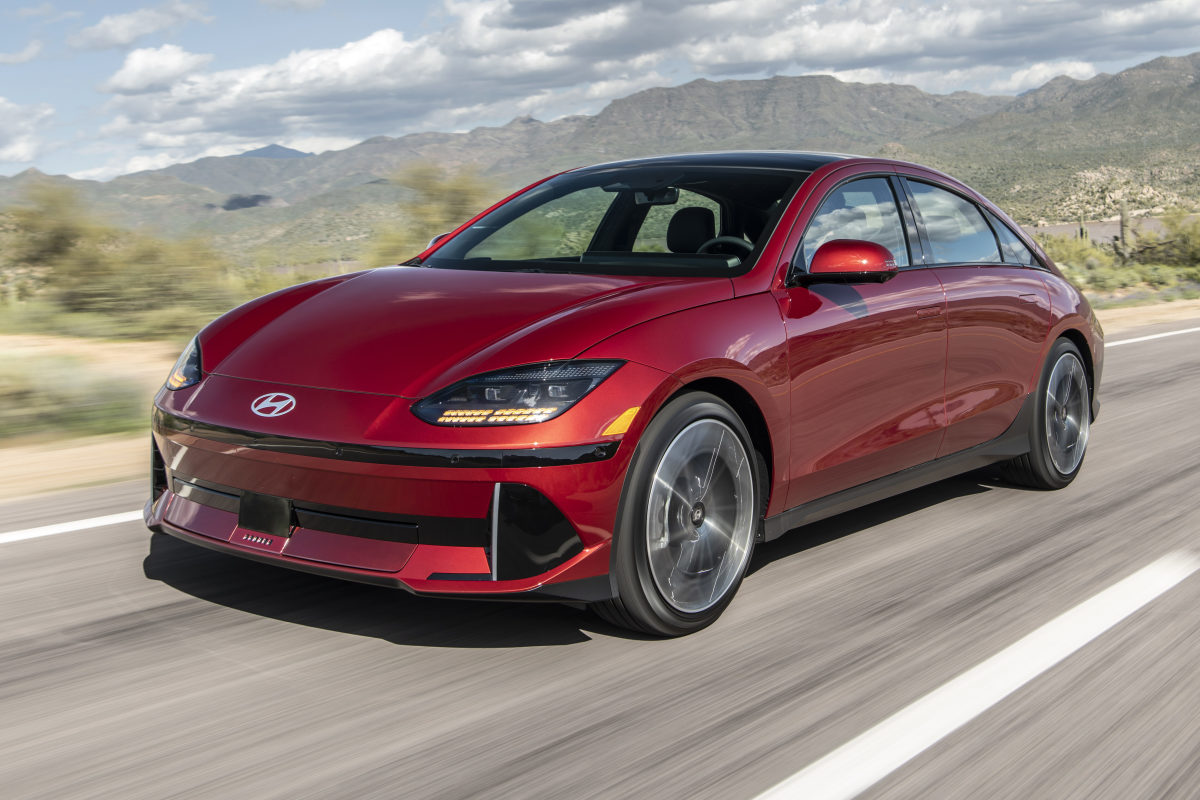
Higher tariffs will place added pressure on the Korean auto brands as a whole, so price increases may not be limited to vehicles assembled in Korea—they could trickle down to Hyundai, Kia, and Genesis models built in the U.S., too. However, the impact will be more readily felt for models currently built in Korea. These include the Hyundai Ioniq 6, Hyundai Kona, Kia Seltos, Kia Carnival, and Genesis GV60.
EVs are already under additional pricing pressure since the federal tax credit was scrapped last year, so they are especially vulnerable to rising tariffs.
Many manufacturers have absorbed the cost of tariffs so far, only implementing typical 2026 price hikes for new or updated models. But this can’t continue forever, and the Korean brands will feel the pinch if the 25% tariff remains in place. Already, tariffs have been blamed for the Kia Tasman pickup truck’s absence in America, and that was before Trump’s latest tariff hike.
If you’re planning on buying a new Korean vehicle, it’s in your best interest to keep up with trade talks so you can buy before potential price hikes.
Related: Tariff Bill Keeps Rising — and Car Buyers Will Soon Feel the Pain