The RAV4 Problem Toyota Created for Itself
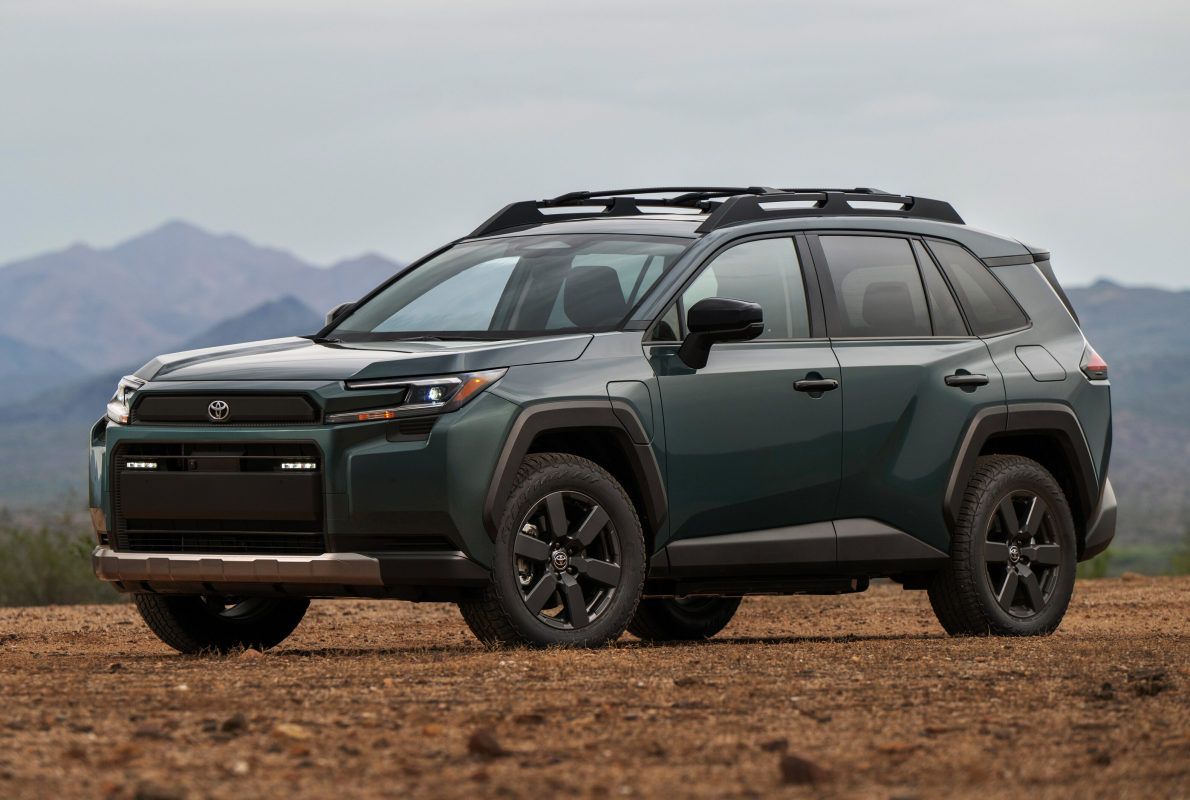
The Toyota RAV4 is easily the most popular model in the US right now. Even as the fifth-generation version wraps up, it still managed 479,288 units sold in 2025. That’s more than some entire brands, and it happened without big discounts or last-minute deals.
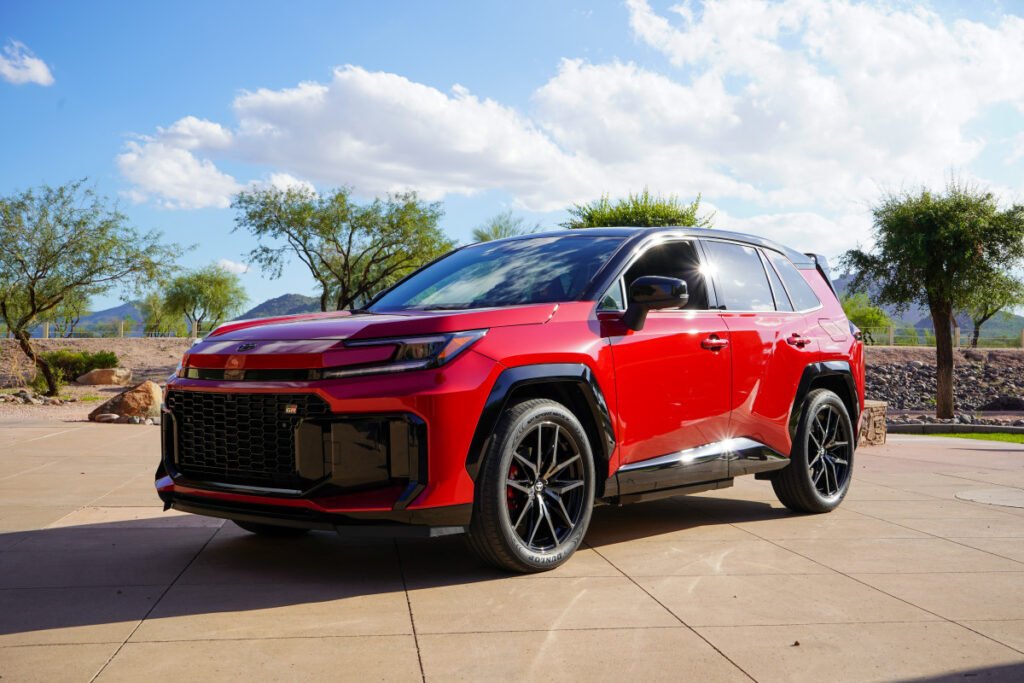
This was supposed to be a quiet year for the RAV4 before the new generation lands, but demand never let up. The next XA60-series model is already shaping up to be another hit, with the whole lineup moving to hybrid power. Buyers will have three different hybrid options, so there’s more variety than ever.
There’s a catch, though. Toyota has already told dealers that the 2026 RAV4 inventory will be tight. Production slowdowns during the model change mean supply won’t keep up with demand, at least at first. When the country’s top seller gets scarce, the effects are felt everywhere.
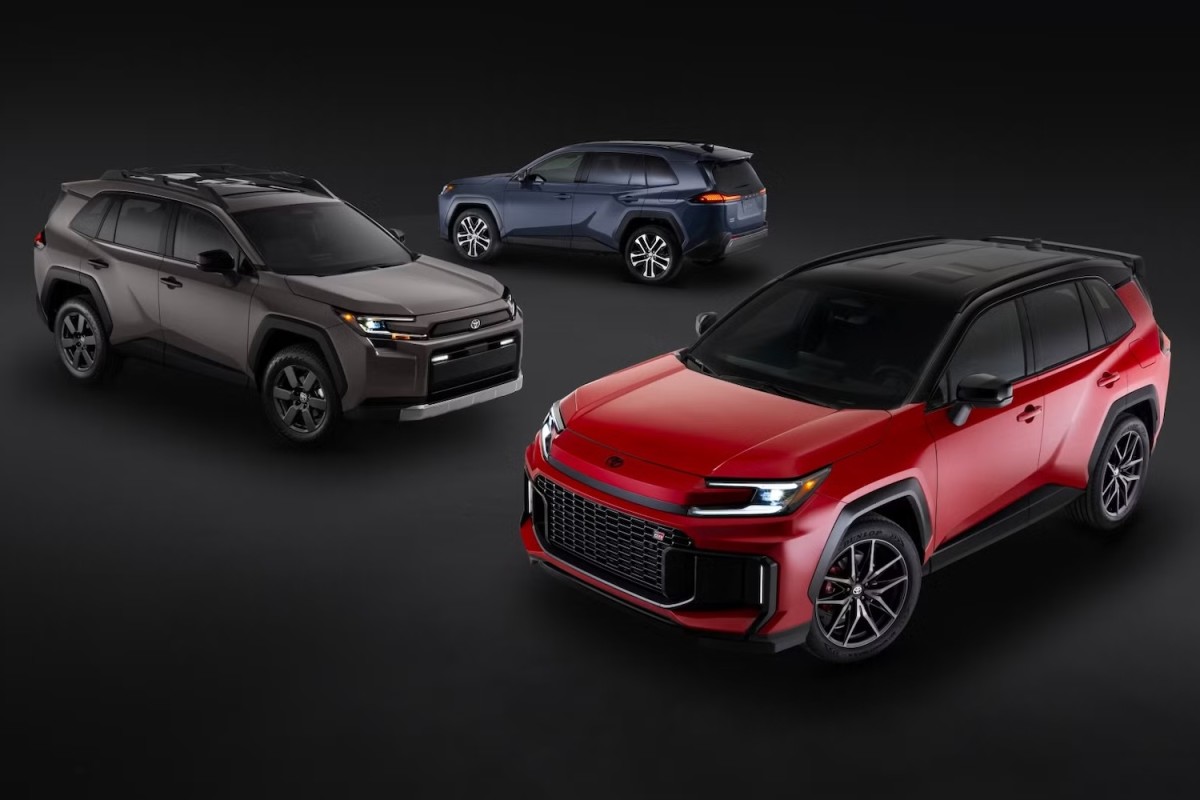
Dealers Told to Get Creative
According to an Automotive News report, Toyota executives have been upfront with dealers about what comes next. During meetings at the 2026 NADA Show, the message was simple: expect fewer RAV4s and plan accordingly.
Toyota’s North American bosses admit that any big model change means a dip in sales. Instead of chasing after RAV4s that aren’t there, dealers are being told to push other models harder. That means pickups, sedans, and crossovers that are similar in size to the RAV4, even if they don’t have the same following.
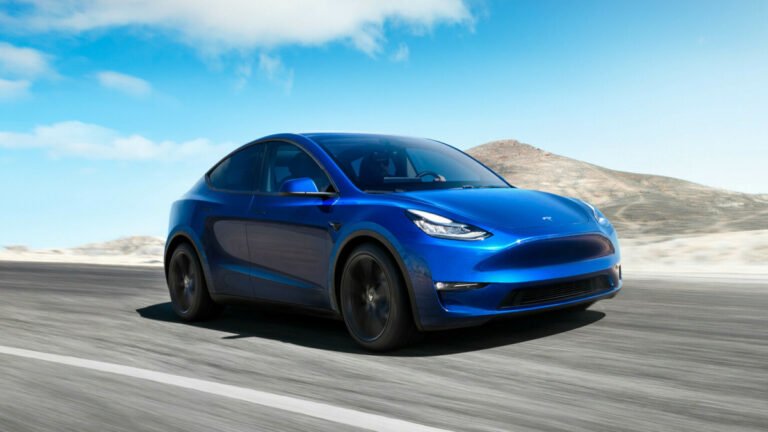
Toyota pointed to models like the Crown, Crown Signia, and its electric vehicles as options that could use a boost. The goal isn’t to replace the RAV4, since that’s not realistic, but to catch buyers who come in for a RAV4 and leave with something else. It’s a practical move, not a hopeful one.
Toyota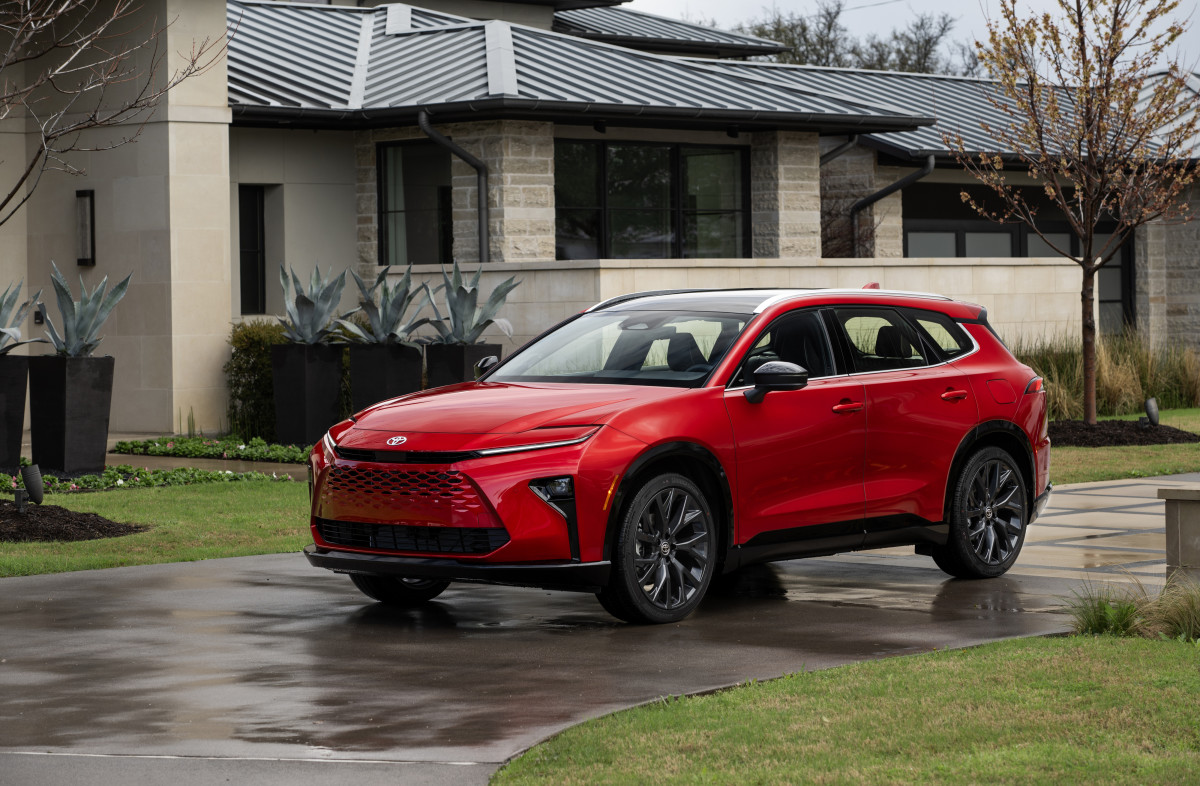
When Being Too Successful Becomes a Risk
Toyota’s strong US numbers help explain why it can take this approach. The brand sold over 2.1 million vehicles in 2025, up more than 8 percent from the year before. Lexus also broke its own sales record. For Toyota, the RAV4 shortage is more of a headache than a real problem.
Still, this shows just how much Toyota relies on the RAV4 to hold up its US business. When one model gets this big, any hiccup reveals what’s underneath. Telling dealers to push slower sellers makes sense, but it also shows how few models can really take on RAV4-sized demand.
For now, buyers might have to wait longer or settle for fewer choices. In the long run, Toyota has a rare chance to spread attention across its lineup. Whether shoppers actually go along with that is the real question.