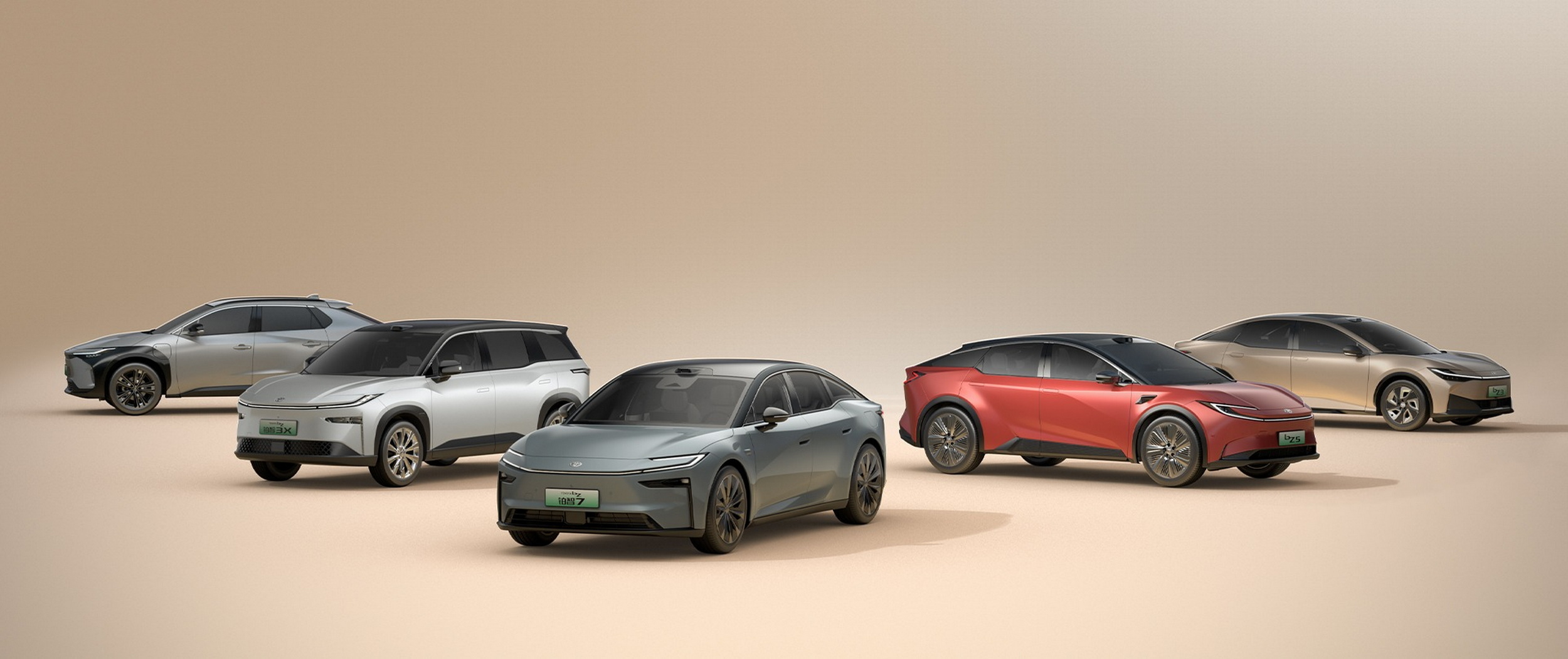
- Toyota’s first solid-state EVs expected by 2027 or 2028.
- Electrolyte factory construction begins via Idemitsu Kosan.
- Targets up to 1,000 km range and 10-minute charging.
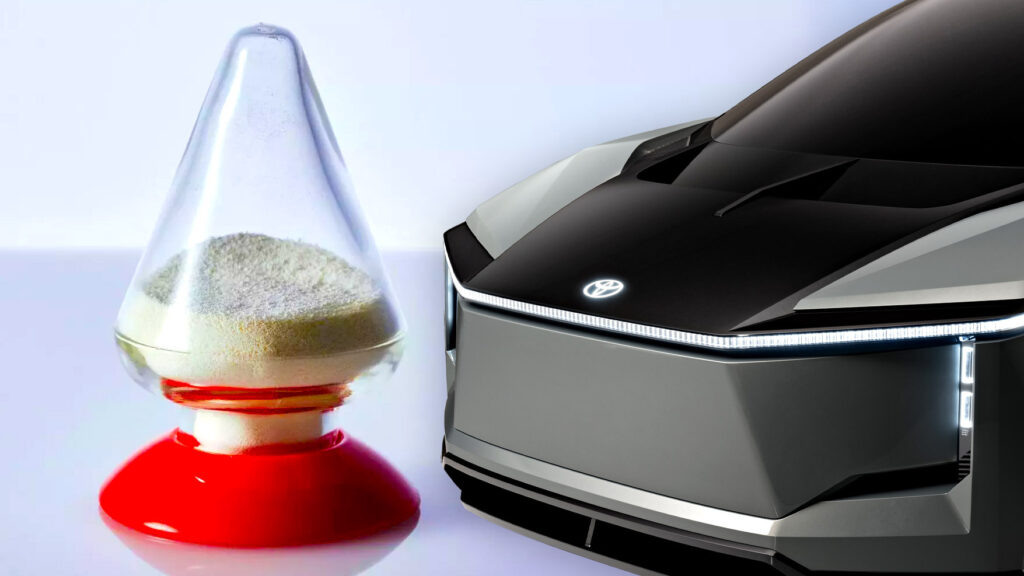
For years, Toyota has talked up the promise of solid-state batteries for EVs. Now, that long-running effort is inching toward something tangible. Late last week, Japanese oil refiner Idemitsu Kosan, which is working with Toyota on solid-state battery development, announced it has started building a facility to manufacture advanced solid electrolytes.
The electrolytes made at the factory are destined for Toyota’s solid-state battery packs. Idemitsu Kosan has already achieved success with two smaller demonstration facilities and expects to complete work on the new pilot plant by the end of 2027.
Read: Everyone Said Toyota Was Late To EVs, Now It’s About To Lead Them
If the project stays on track, the company could be producing several hundred tons of solid electrolyte annually, according to a report from Reuters.
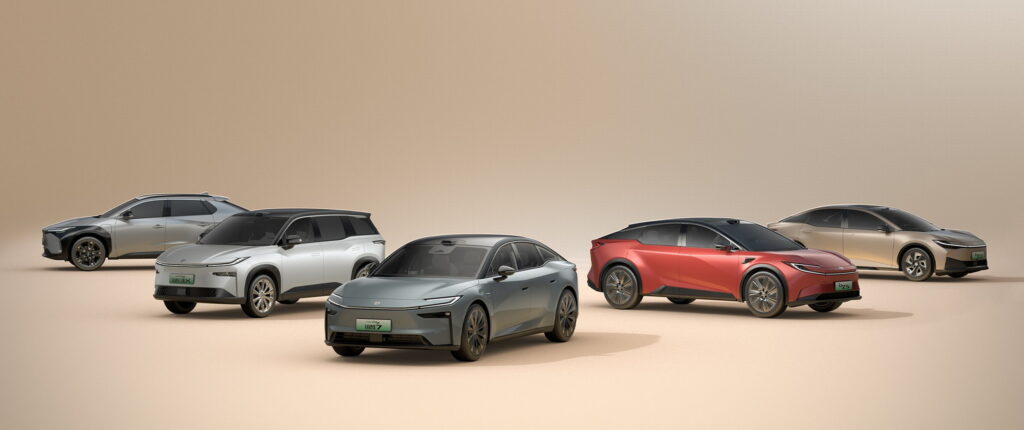
Toyota’s collaboration extends beyond Idemitsu. It’s also working with Sumitomo Metal Mining, a Japanese mining group, to secure high-performance cathode materials. These are essential to solid-state battery cells, along with advanced anodes and the electrolytes themselves.
Better Range, Quicker Charging
A roadmap published by Toyota in late 2023 indicated it aims to launch its first generation of solid-state batteries in 2027-2028, allowing EVs to deliver up to 1,000 km (620 miles) of range and charge from 10-80 percent in roughly 10 minutes.
A second generation is already under development and aims to extend the range to 1,200 kilometers (745 miles), with further reductions in charging time likely.
Toyota is among the many car manufacturers invested heavily in solid-state batteries. Last year, Mercedes started testing an EQS with a solid-state pack, covering 748.8 miles on a single charge during a recent test. Last year, the new MG 4 was introduced with a semi-solid-state battery that uses just 5 percent liquid electrolyte.