Toyota Times is making a direct argument for how battery electric vehicles could feel more appealing to mainstream buyers, and it is using the updated Lexus RZ as its proof point.
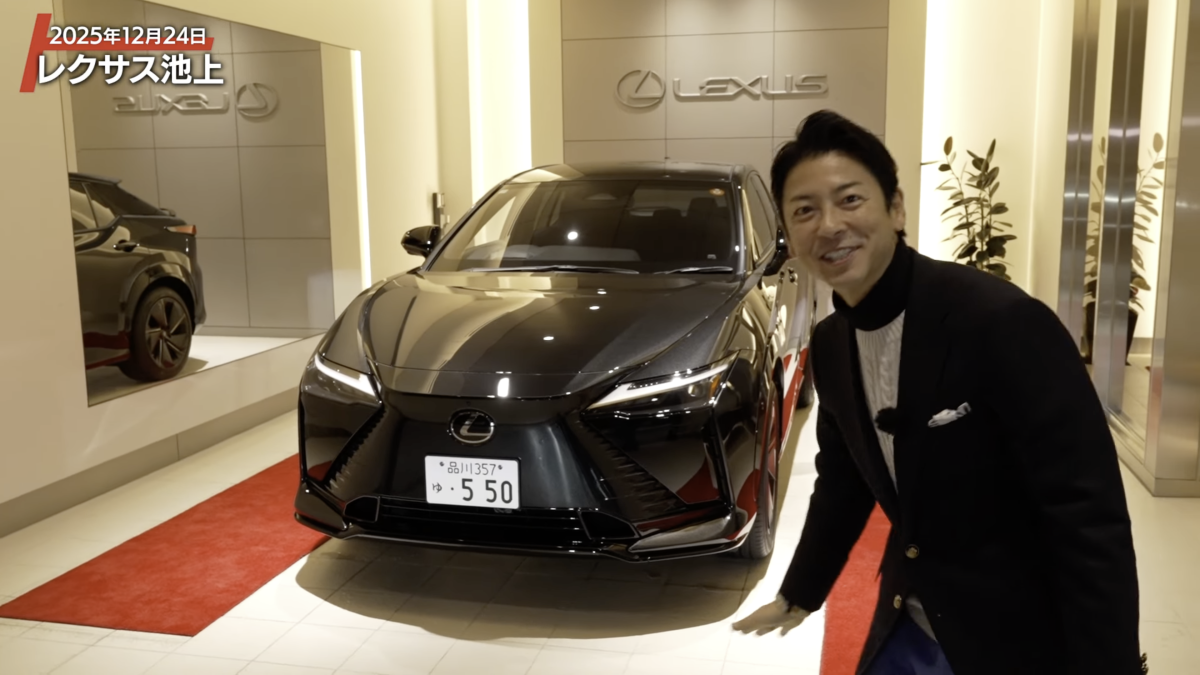
In a new segment titled “A Catalyst for Popularizing BEVs? A Closer Look at the Steer-by-Wire RZ,” Toyota’s in-house newsroom follows a test drive of the latest RZ and frames its steer-by-wire system as more than a novelty, describing it as a feature designed to make EV driving feel simpler, more natural, and more fun.
What Toyota Times Focuses On
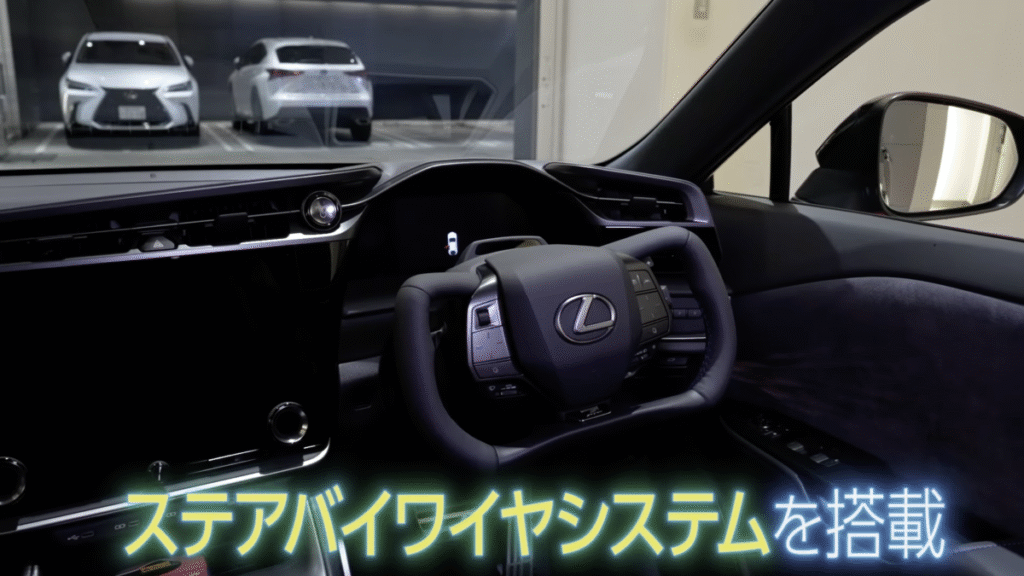
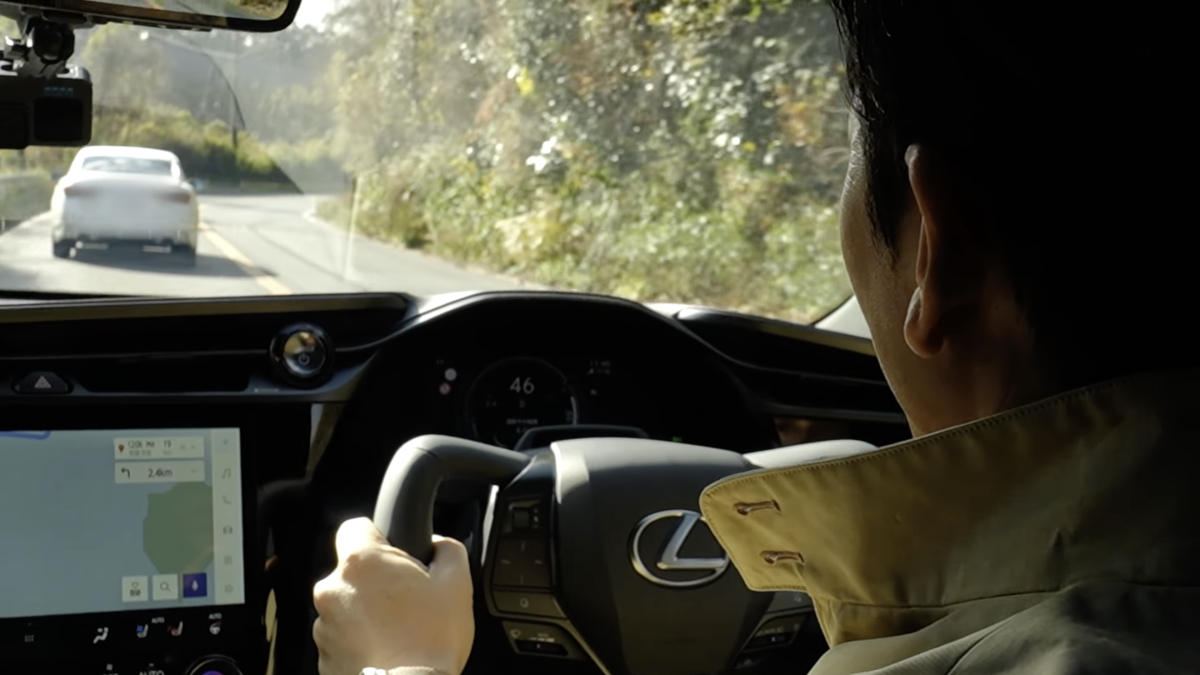
The segment features Toyota Times host Yuta Tomikawa driving the updated RZ and reacting to how the steering changes the experience, especially paired with the compact, squarer steering wheel used with the steer-by-wire setup. Toyota Times explains the system as an electronic link between the driver’s steering input and the front wheels, with no physical steering shaft connecting the wheel to the steering rack. That allows the steering ratio to be tuned more freely, and Toyota Times highlights a key usability claim, about 200 degrees of steering from center, which reduces the need for hand-over-hand movement during tight turns and low-speed maneuvers.
A Lexus executive in the segment points to low BEV adoption as a real concern among potential RZ customers, and describes steer-by-wire as a way to turn an EV into something that feels distinct and desirable rather than merely different.
How It Fits The Updated RZ Package
Steer-by-wire is arriving alongside broader improvements aimed at day-to-day EV ownership. Lexus has positioned the refreshed RZ around better charging convenience and updated driver-focused technology.
Toyota Times also spotlights features that lean into engagement, including an Interactive Manual Drive mode that uses paddle shifters to simulate stepped gear changes, showing that Lexus is trying to make the RZ feel less like an appliance and more like a performance product.
Why Lexus Thinks Steering Could Sell EVs
Toyota Times is effectively betting that driver feel is a missing piece in EV adoption, especially for buyers who are not motivated by technology alone. If steer-by-wire can reduce awkward steering motions in city driving while still feeling stable at speed, it offers a tangible benefit that does not depend on charging infrastructure or incentives. The most performance-oriented versions of the RZ are also being pushed harder.
Even if steer-by-wire delivers on its promise, most shoppers will still anchor their decision around monthly cost and ease of ownership. That is where lease programs can shape adoption faster than any single technology feature.