Toyota is framing its move to the North American Charging Standard as a full ownership upgrade rather than a simple connector swap. The company says the real work sits behind the port, because drivers only feel the benefit when access, payment, and reliability are handled smoothly across different charging networks.
What Changes For Drivers In 2026
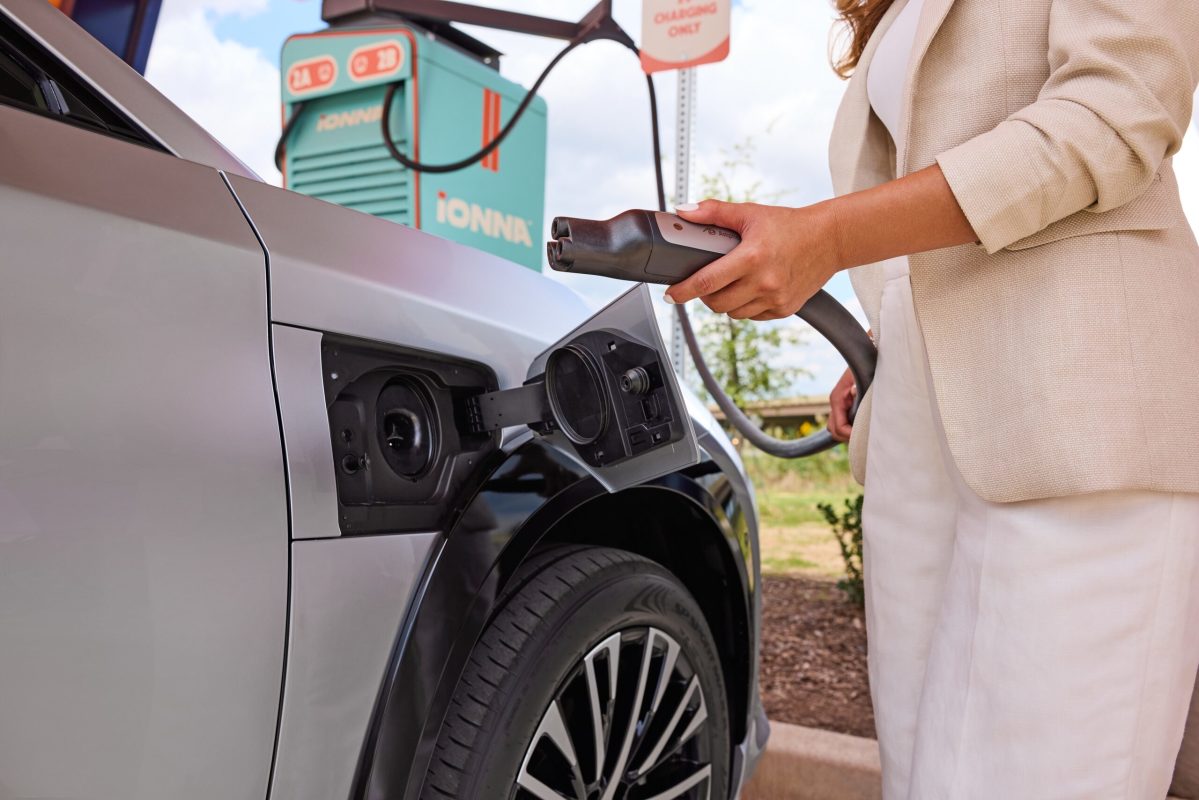
Toyota says its 2026 battery electric models will come with a factory NACS inlet, starting with the 2026 Toyota bZ and the 2026 Lexus RZ. For earlier models, Toyota says 2023 through 2025 bZ4X and 2023 through 2025 Lexus RZ owners can use a CCS to NACS adapter for DC fast charging.
Toyota also says it is including adapters so drivers can use both CCS and NACS fast chargers, while still staying compatible with J1772 for Level 2 charging through a separate adapter, which keeps home and public charging flexible as the market remains mixed.
Toyota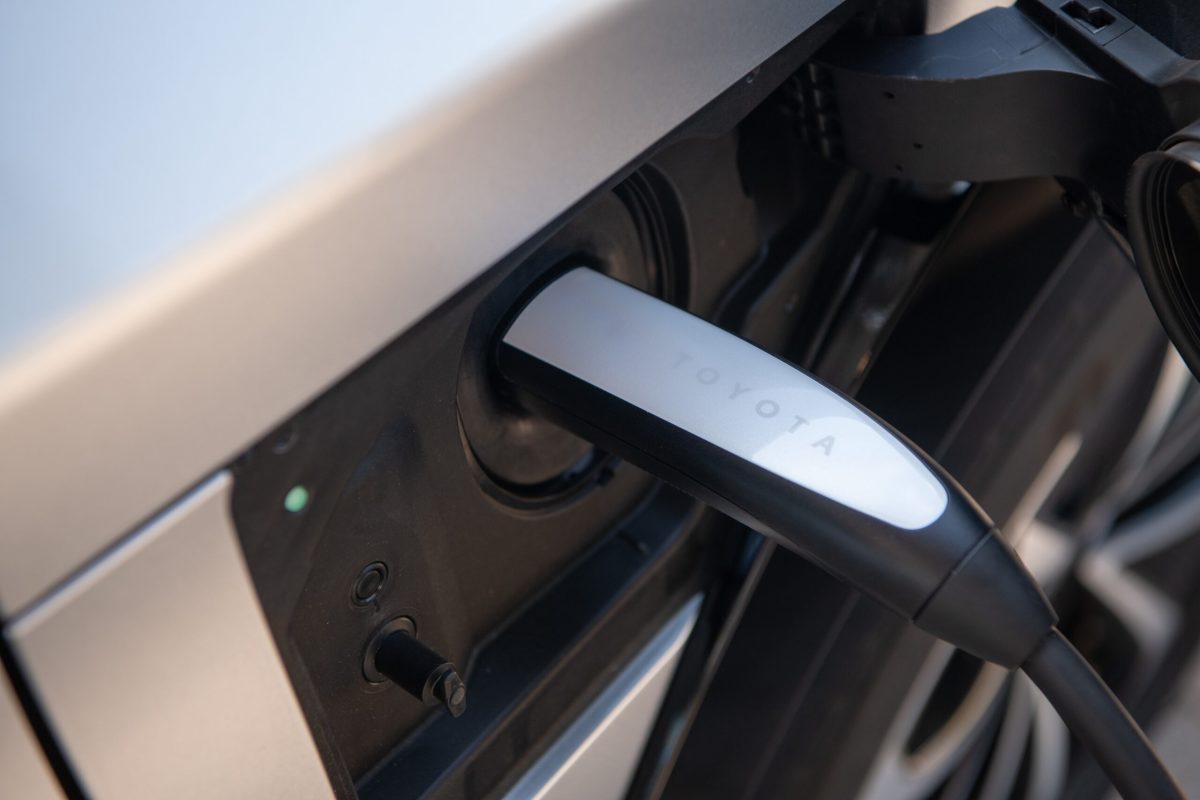
Access And Payment Are The Bigger Story
Toyota’s main claim is that NACS migration is about making charging simpler in practice, and that means more than reaching new plugs. The brand says the switch adds access to more than 27,500 Tesla Superchargers in the US, which it describes as more than doubling the number of public DC fast charging locations available to Toyota and Lexus battery electric drivers.
Toyota also emphasises app integration, because the Toyota app is meant to show compatible Supercharger sites and manage session start and payment, and Toyota says Plug and Charge support is enabled through a one time enrolment in the app on 2026 models, with Tesla described as the first supported Plug and Charge network and others planned to follow. This focus on how the driver experiences the car fits the company’s broader habit of sweating small details, even when the subject is not charging.
Toyota also says it did not want to rely on generic adapters and charging hardware, so it co developed Toyota and Lexus specific parts and created its own durability standards. The company says it tested adapters through extreme temperature exposure, repeated connection cycles, drops while frozen, muddy saltwater exposure, and real world abuse scenarios like cable trips, and it even describes an adapter surviving being run over by a roughly two ton battery electric vehicle. Toyota also highlights a patent pending interlocking mechanism on its CCS to NACS adapter, which is intended to keep the connection secure between the vehicle, adapter, and charger.
Where This Fits In Toyota’s Wider Lineup
Toyota’s NACS effort sits alongside a product strategy that still spans multiple buyer types, from mainstream sedans to enthusiast models, and that matters because charging improvements help battery electric owners without changing what most Toyota shoppers are cross shopping day to day, or payment focused decisions around cars like the Toyota GR86.