A Few Units Affected
The Toyota Corolla has long built its reputation on reliability, affordability, and ease of ownership. For decades, the compact sedan and hatchback have been popular choices thanks to dependable engineering, efficient drivetrains, and relatively low maintenance costs.
That formula has helped make the Corolla one of the best-selling nameplates in automotive history, and the latest generation continues to offer practical, competitively priced transportation for everyday drivers.
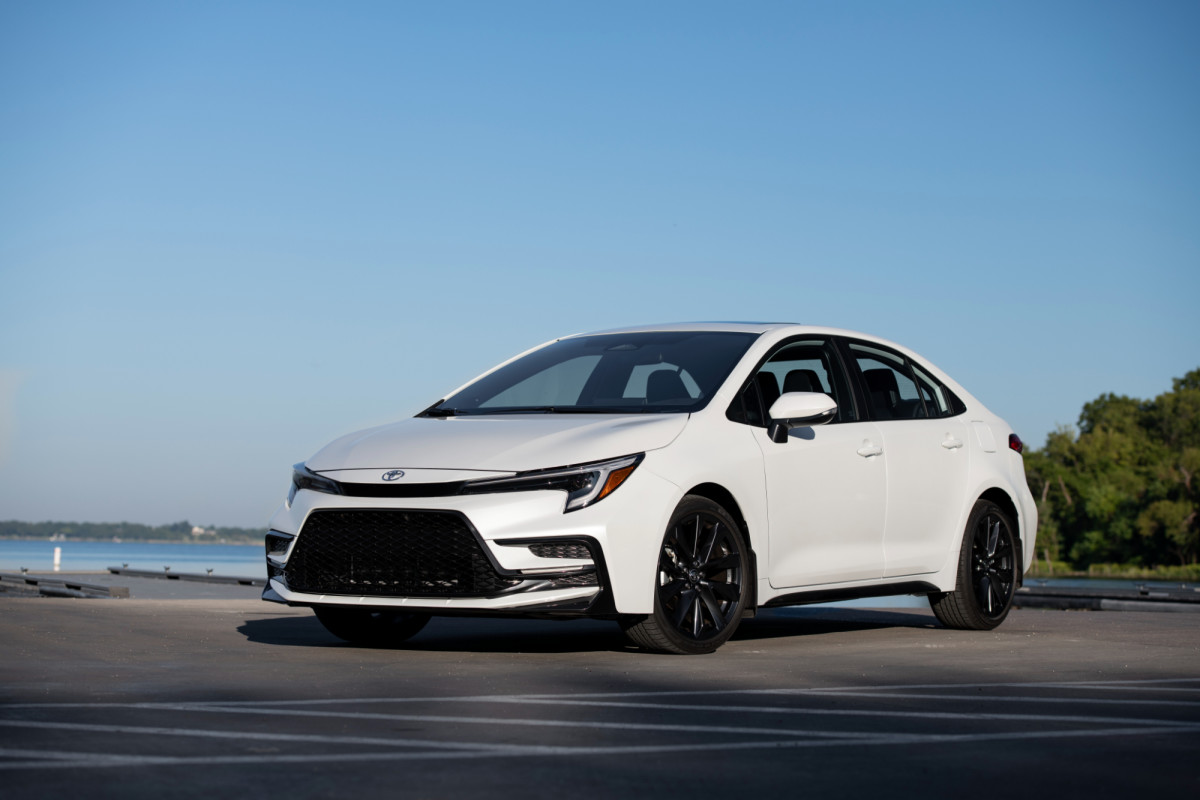
Still, even dependable cars can encounter manufacturing issues. According to a National Highway Traffic Safety Administration (NHTSA) recall report, Toyota identified a compliance issue affecting a small number of 2026 Corolla models. A total of 86 vehicles built between November 7 and November 14, 2025, may have headlamp assemblies missing the required optical axis marking on the lens, a feature mandated by federal safety standards to help technicians properly aim headlights during servicing.
Toyota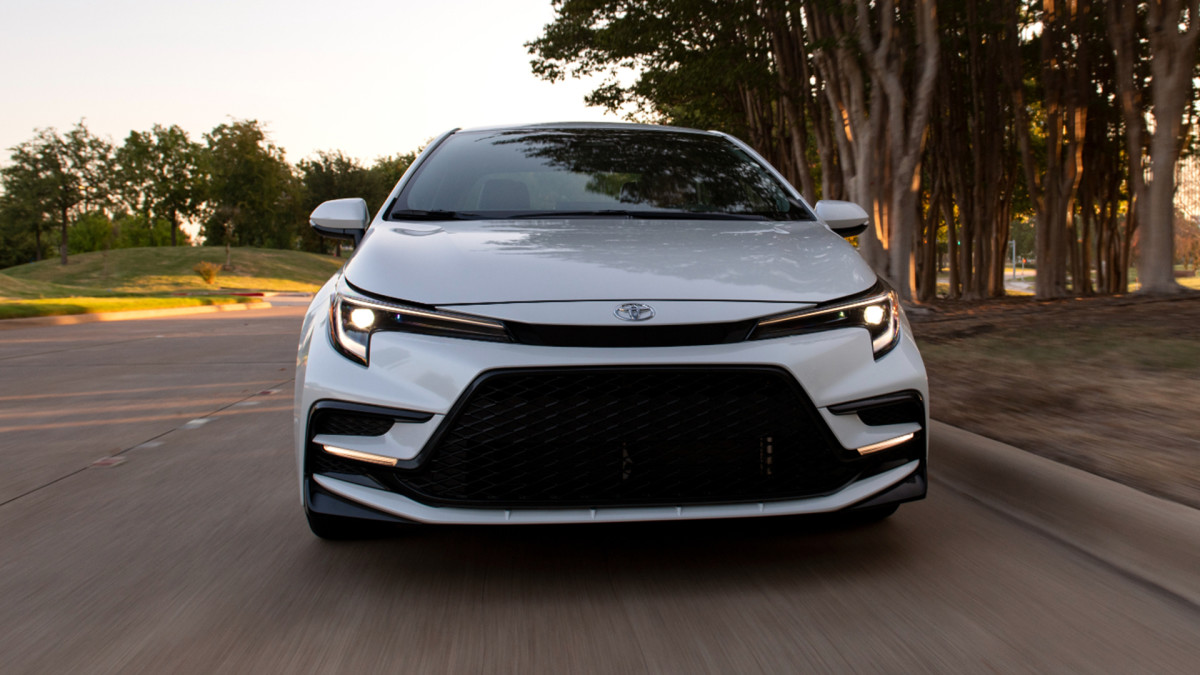
Corollas Haven’t Been Immune to Product Recalls
Like any high-volume vehicle, the Corolla has occasionally been involved in recalls over the years. These campaigns are typically issued when manufacturers identify a defect or regulatory non-compliance that could affect safety or performance. In this case, the issue traces back to headlamp assemblies supplied during a limited production period.
According to the recall report, the lamps were produced by a supplier whose manufacturing change inadvertently omitted the optical axis marking required under FMVSS No. 108, the U.S. regulation governing vehicle lighting systems.
Lighting technology has become an increasingly important safety consideration in modern vehicles. Headlamps are critical not only for driver visibility but also for the safety of other road users. When headlights are incorrectly aimed, they can produce excessive glare that may temporarily blind oncoming drivers. The optical axis marking helps ensure service technicians can accurately align the beam pattern during maintenance or replacement procedures, reducing the risk of glare and maintaining proper road illumination.
A Minor But Still Important Recall
Fortunately, the scope of the recall is extremely small. Toyota reported that 86 vehicles are potentially involved, and even among those units, the actual number of units with the noncompliant headlamp assemblies remains uncertain. The company noted that the exact percentage cannot be determined because it depends on whether the affected headlamp components were installed during vehicle assembly within the identified production window.
Even so, Toyota is taking corrective action. Owners of the affected vehicles will be notified and asked to bring their cars to an authorized dealership, where technicians will replace the left and right headlamp assemblies free of charge. While the issue itself may be minor, the recall serves as a reminder that even small compliance details, like a tiny marking on a headlamp lens, play an important role in maintaining safety standards on modern vehicles.
Toyota