Hybrid-Only in America, but Not Everywhere
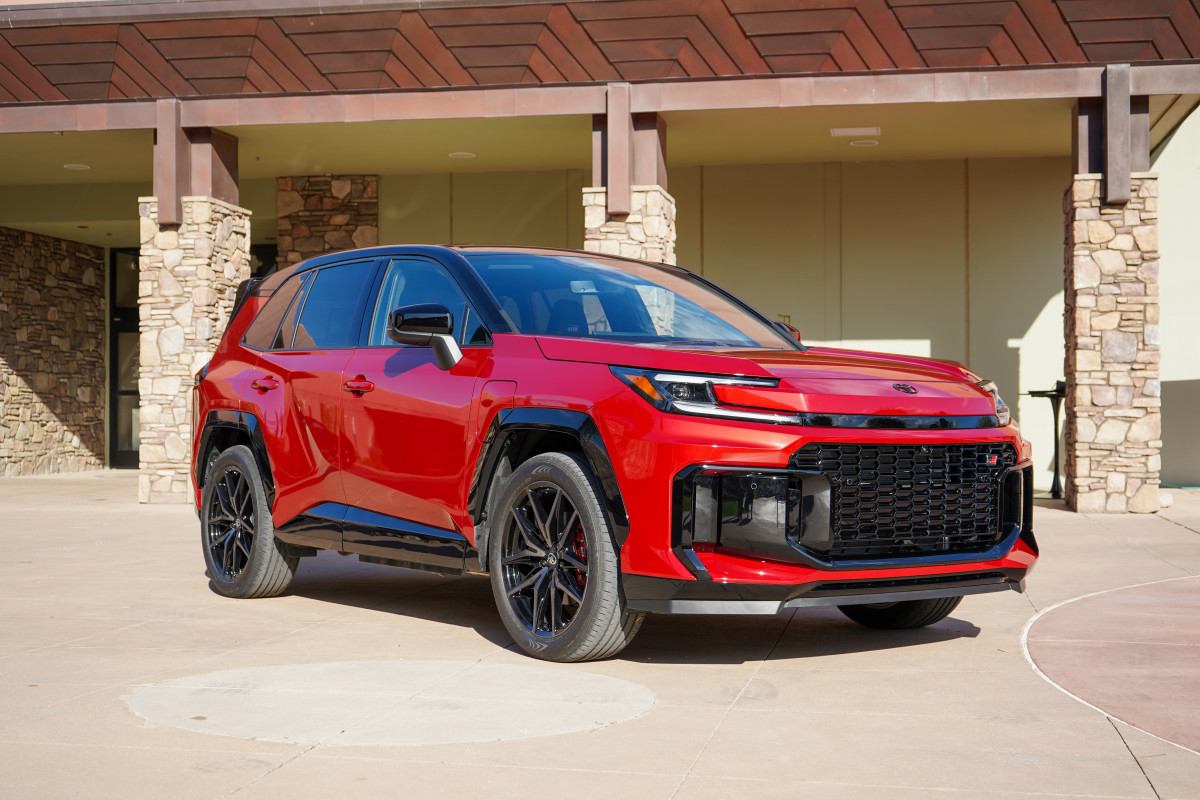
By now, you should already know that the RAV4 gone fully electrified in the US. Buyers still have options, but those options are now limited to hybrid or plug-in hybrid setups – much like what happened with the Camry when it dropped its pure combustion models.
But that’s not the case everywhere. In places like the Middle East and China, you can still buy a RAV4 with a traditional gasoline engine. Toyota seems to be reading the room in each market, adjusting its lineup based on what local buyers want.
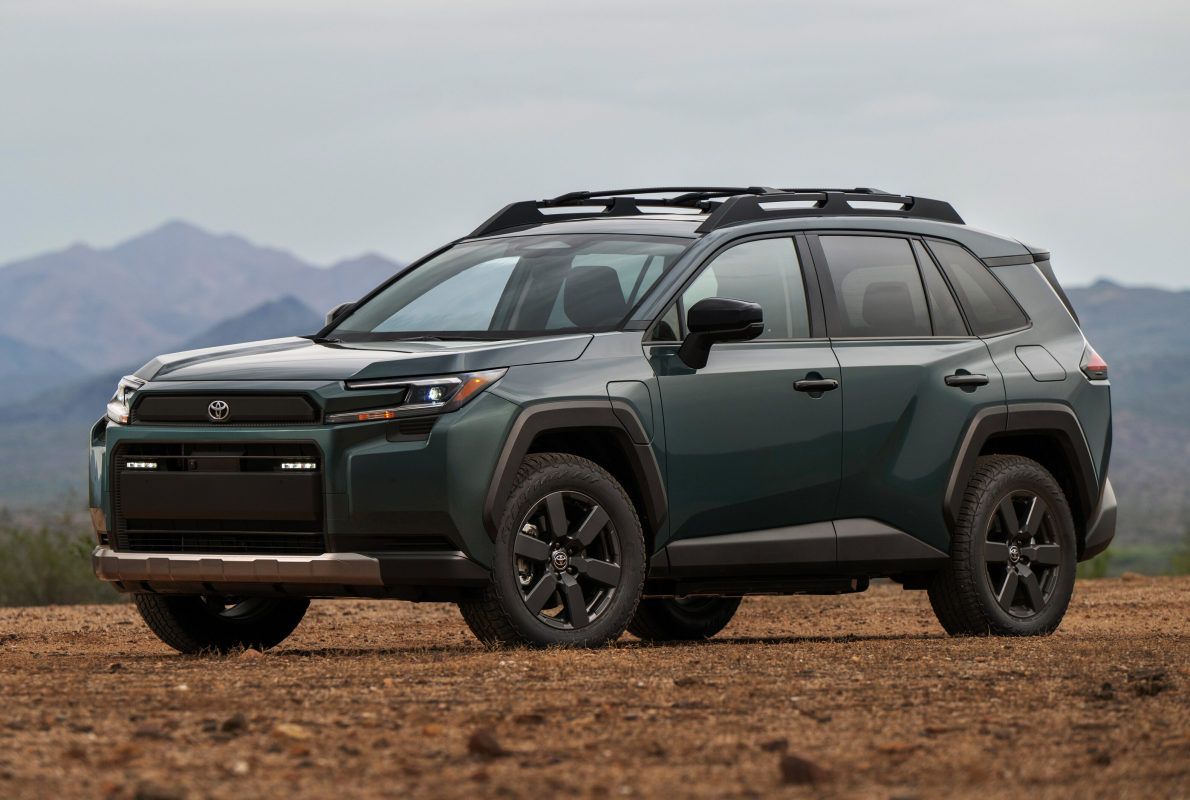
New RAV4 in the Middle East
Toyota just launched the all-new RAV4 in the Middle East, bringing in fresh styling, a more refined chassis, and the latest fifth-generation hybrid system as the main powertrain. But here’s the interesting part: the base model still comes with a 2.0-liter gasoline engine making 169 horsepower, which means the fundamentals haven’t changed much from the previous XA50 generation.
Buyers in the region get to pick between two design themes: Core, which leans toward a cleaner, more urban look, and Adventure, which adds a bit of ruggedness for those who want something tougher. Inside, the RAV4 gets a redesigned cabin with bigger infotainment screens, the latest Toyota Safety Sense, and options like a head-up display and panoramic roof.
Toyota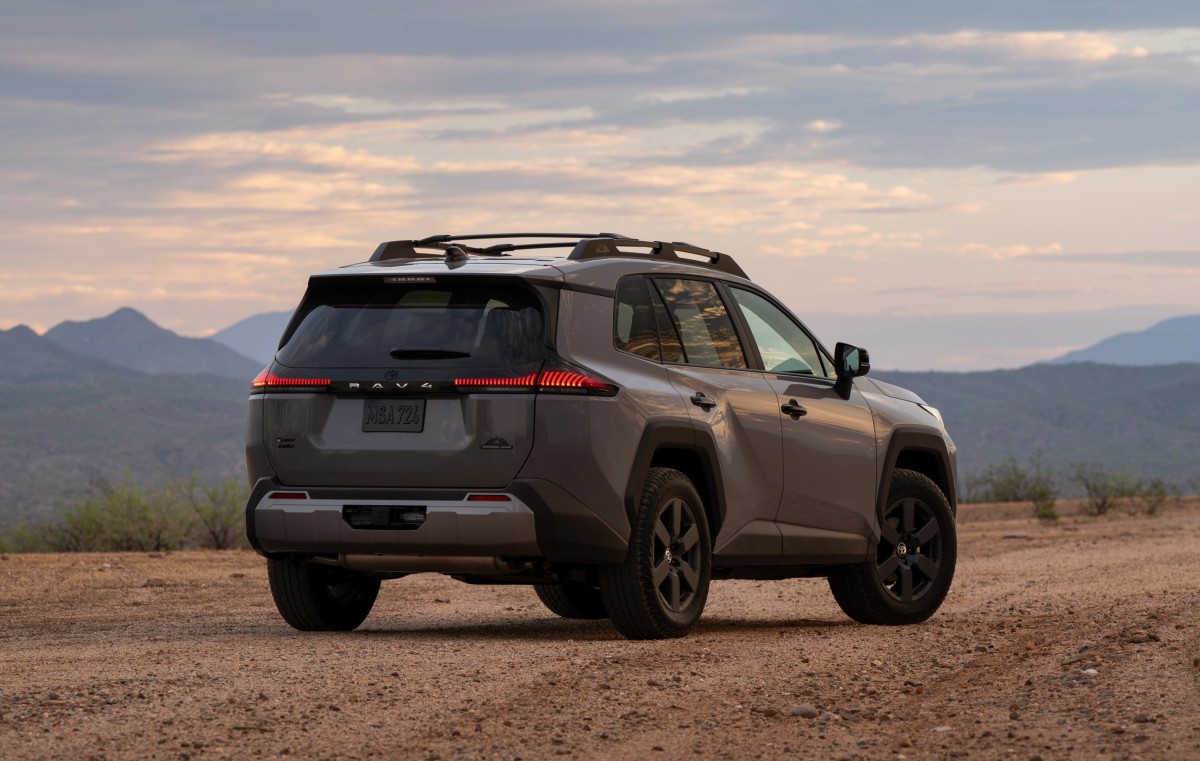
China’s “RAV4” that Isn’t Called RAV4
Over in China, the RAV4 goes by a different name: Wildlander. It’s built through Toyota’s joint venture with GAC, but underneath, it’s still very much a RAV4.
Unlike the American lineup, China’s Wildlander still has a naturally aspirated gasoline engine alongside hybrid options, providing a non-electrified alternative. As in the Middle East, the RAV4, err, Wildlander in China uses the same 2.0-liter engine with identical power output. The Wildlander’s styling is similar to the RAV4’s Core design, though packaging and trim options differ.
Toyota’s move toward a fully hybrid RAV4 appears to be the long-term direction, but the continued availability of non-hybrid versions in other markets obviously keeps the company flexible. That said, if demand for hybrids slows in key regions like the US, Toyota can quickly return to combustion-based models. Or at least that’s what we think.
Cole Attisha