Big in America, Not So in Japan
Calling the Camry a hit in the US would be a massive understatement. It was instrumental in making Toyota an even bigger household name, and it remains, by far, America’s favorite midsize sedan. It’s a totally different story in Japan, though.
In its home market, it’s not exactly a spectacular seller. Sales of the previous-generation Camry weren’t particularly great in Japan, leading to its discontinuation two years ago. At the same time, the Crown has been a longtime staple over there, and more buyers opted for that or stuck with the Corolla. The current model isn’t offered in Japan anymore, but it will be until next year.
Toyota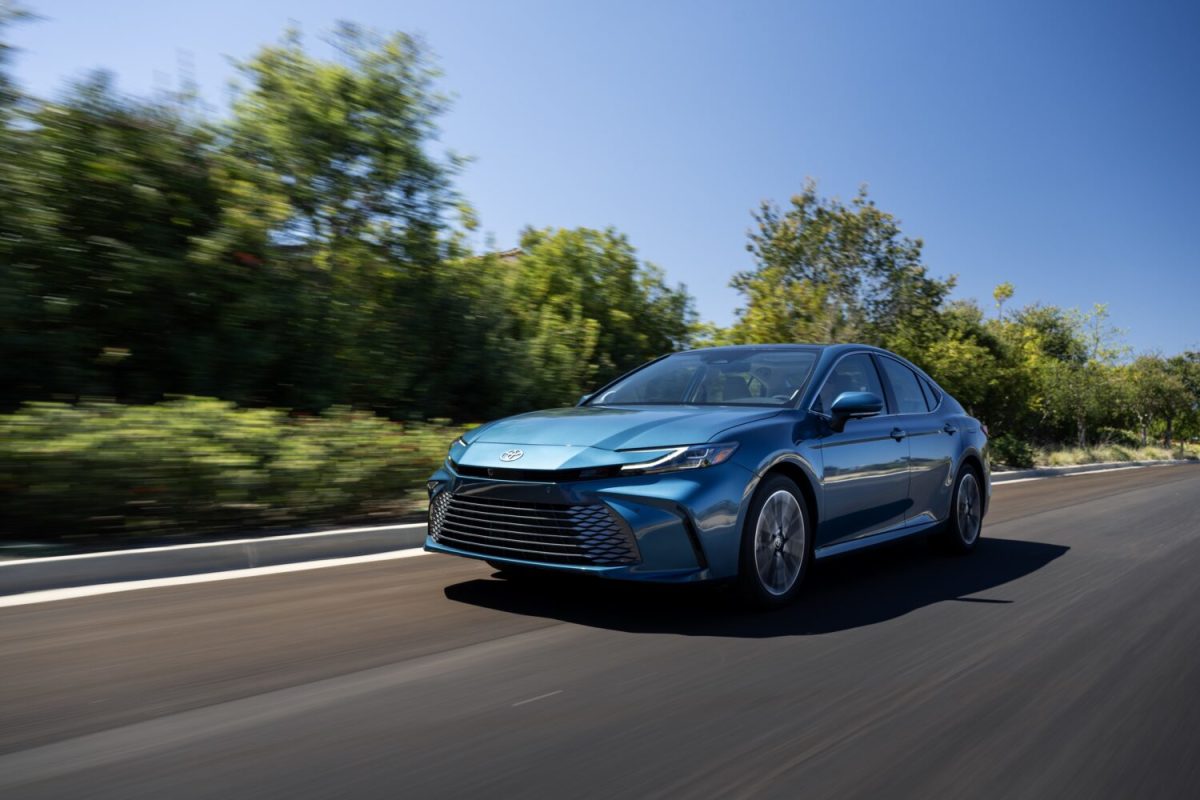
Staging a Comeback For Appeasement
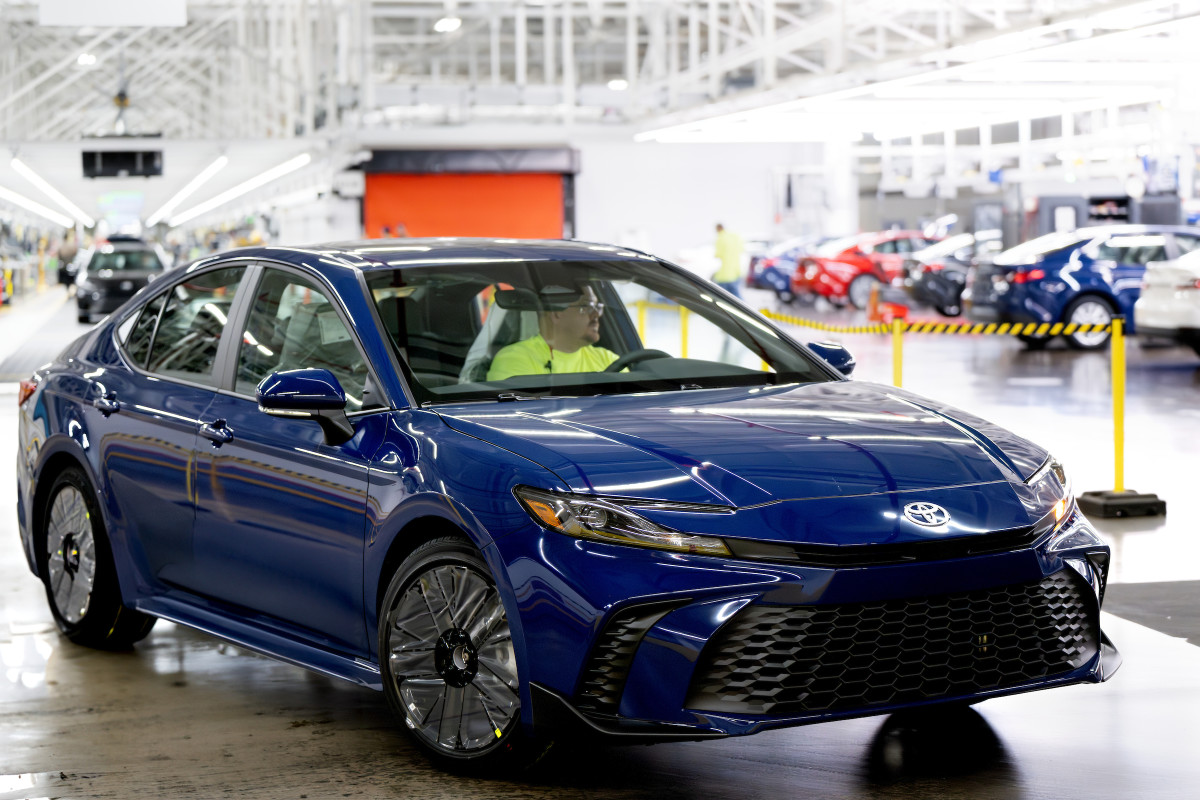
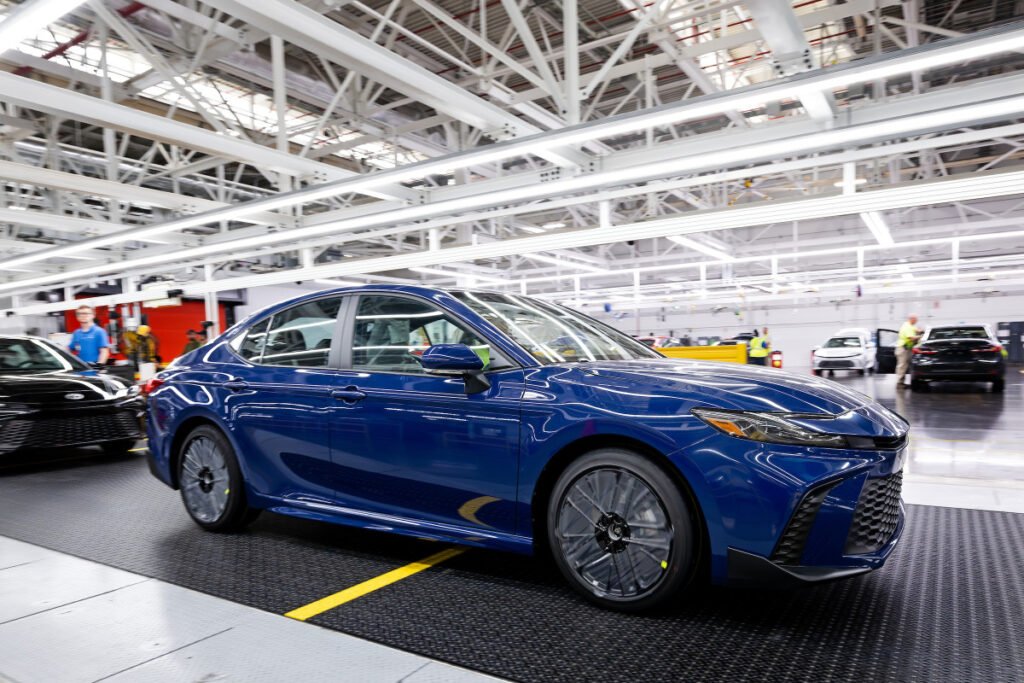
Now, the company has confirmed that the Camry will be back in Japanese showrooms in 2026. The Japan-market Camrys will be sourced from Toyota’s Georgetown, Kentucky plant, as the company does not have production allocation in its own backyard.
Now, the reason it’s coming back to Japan isn’t because of demand per se. Remember, Toyota stopped selling it in its home turf in 2023. Instead, it’s the company’s move to soften the blow of trade deficits and appease the current administration. The Camry will be one of three American-made Toyotas sold in Japan. The other two are the Highlander and, of all things, the Tundra…in the land of the kei car.
The Highlander was actually sold in Japan at one point as the Kluger. It lasted just one generation from 2001 to 2007 and Toyota has not offered a similar vehicle there since then. The JDM-spec Highlanders will be sourced from the company’s plant in Princeton, Indiana. As for the Tundra, it’s never been officially for sale there.
Toyota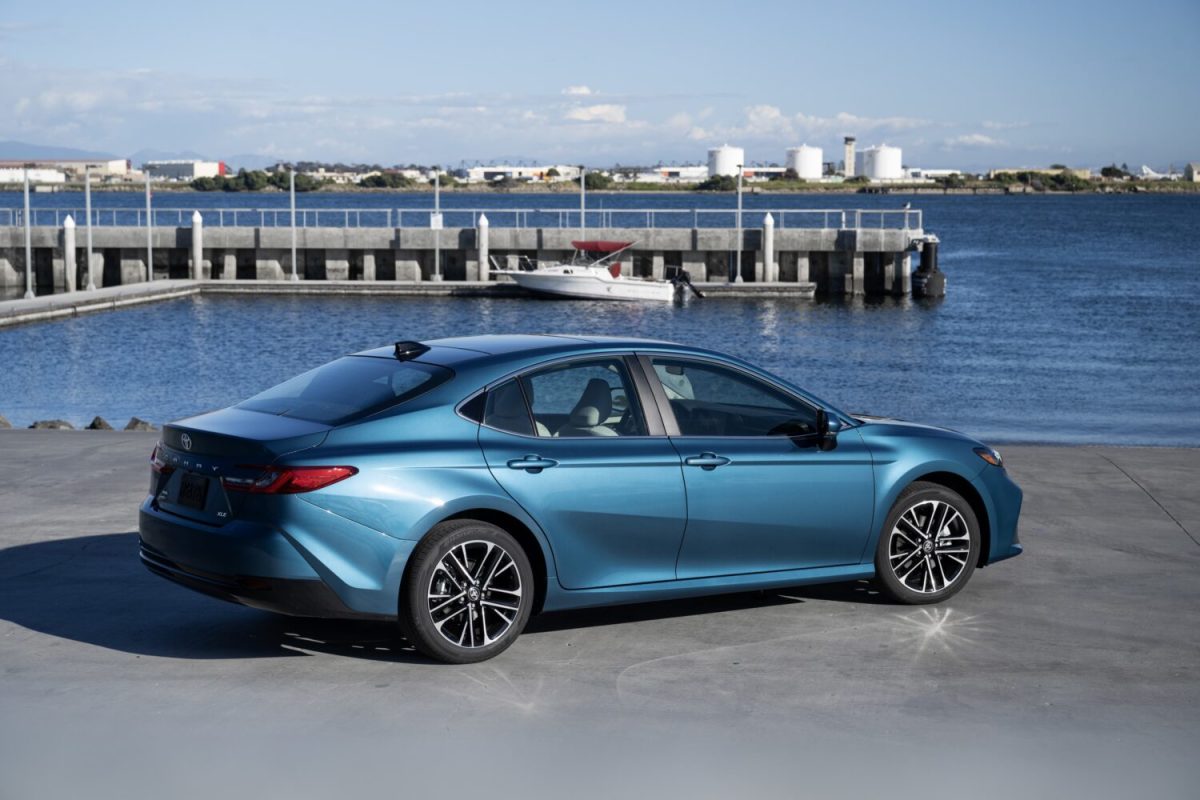
Potential Challenges
On paper, it sounds like a good plan to boost production in the US, but there’s also the matter of logistics and the profitability of these cars once they reach Japanese showrooms. For starters, shipping from America to Japan won’t be cheap, and American labor costs could also drive up the price.
Building these vehicles for Japanese specifications will be a factor, too. The plant has to accommodate production for right-hand drive, and some adjustments have to be made to suit the regulations abroad. That said, the Highlander might have it a little easier as the Indiana plant already makes a version for Australia which is also right-hand drive and have been doing so since 2003.
From a logical standpoint, it would be more cost-effective and logistically efficient to import the Camry from nearby Thailand or China if Japan really wanted the Camry back. The same goes for the Highlander, which is also manufactured over in China. Nikkei Asia pointed out that the success of this plan will depend on Japan’s transport ministry’s willingness to simplify the approval process for imported vehicles.
ToyotaToyot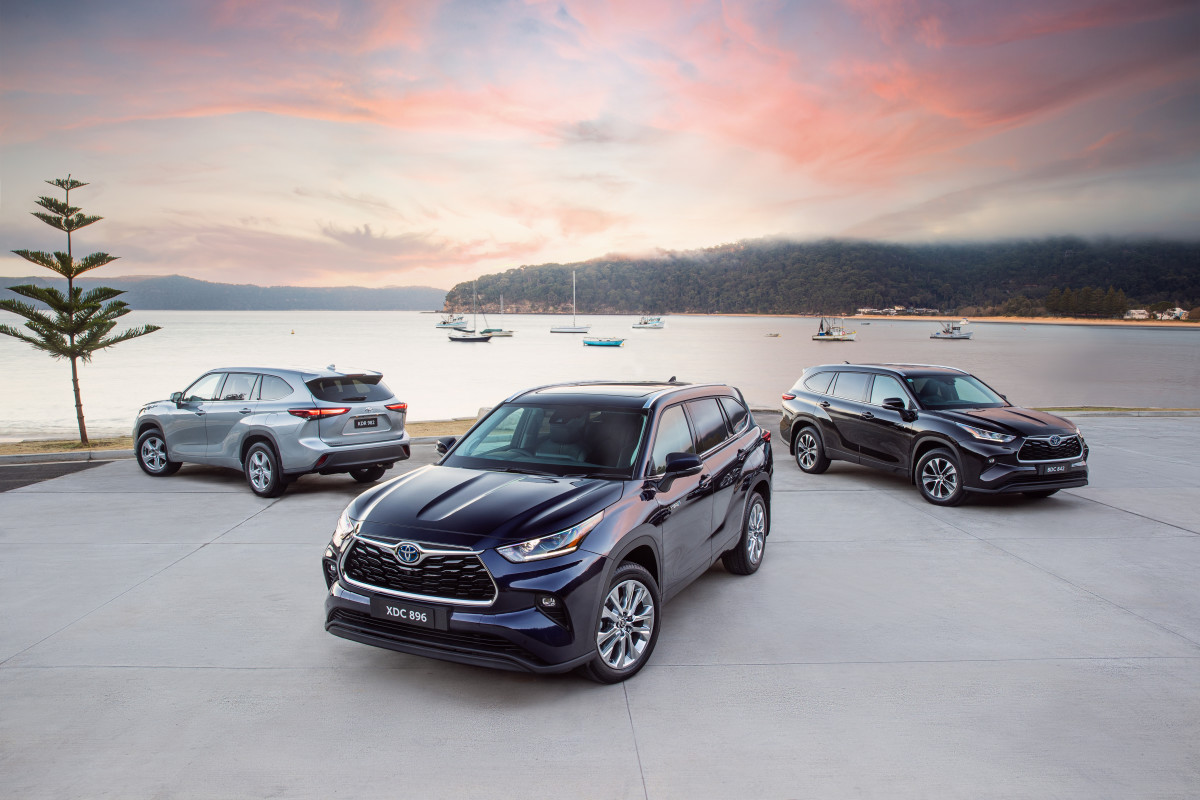
“Reverse Importing” From the US Isn’t New
The whole concept of a Japanese car made in America, then being sold in Japan, isn’t new. Honda did that in the late ’80s and through the mid-’90s with the Accord. The coupe and wagon were built in Ohio. Interestingly, the parts came from Japan, were assembled in the US, and then returned to Japan.
Speaking of which, Honda is also considering doing that all over again. Like Toyota, it’s for appeasement. We previously reported that the Pilot and Ridgeline are likely candidates to be exported from Alabama. That said, Honda isn’t exactly shy about the fact that some of its JDM models are made elsewhere. For instance, the Japanese-market Accord and CR-V are sourced from Thailand, the Odyssey hails from China, and the WR-V mini-SUV is shipped from India.
Toyota