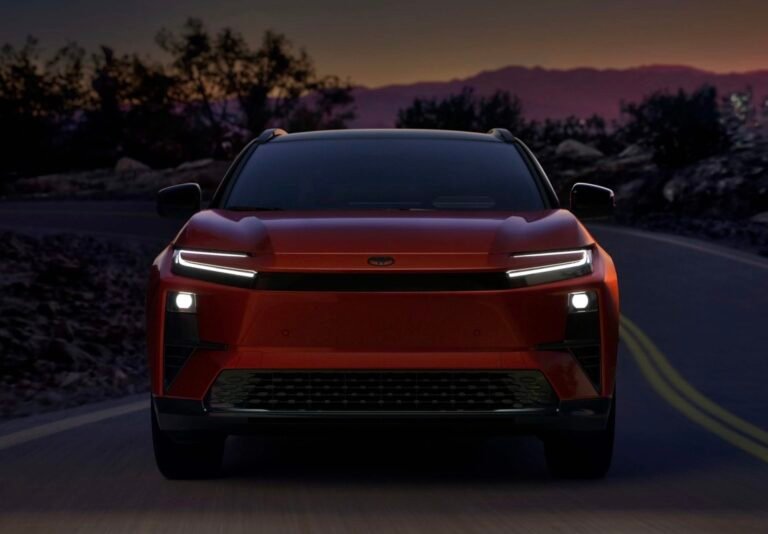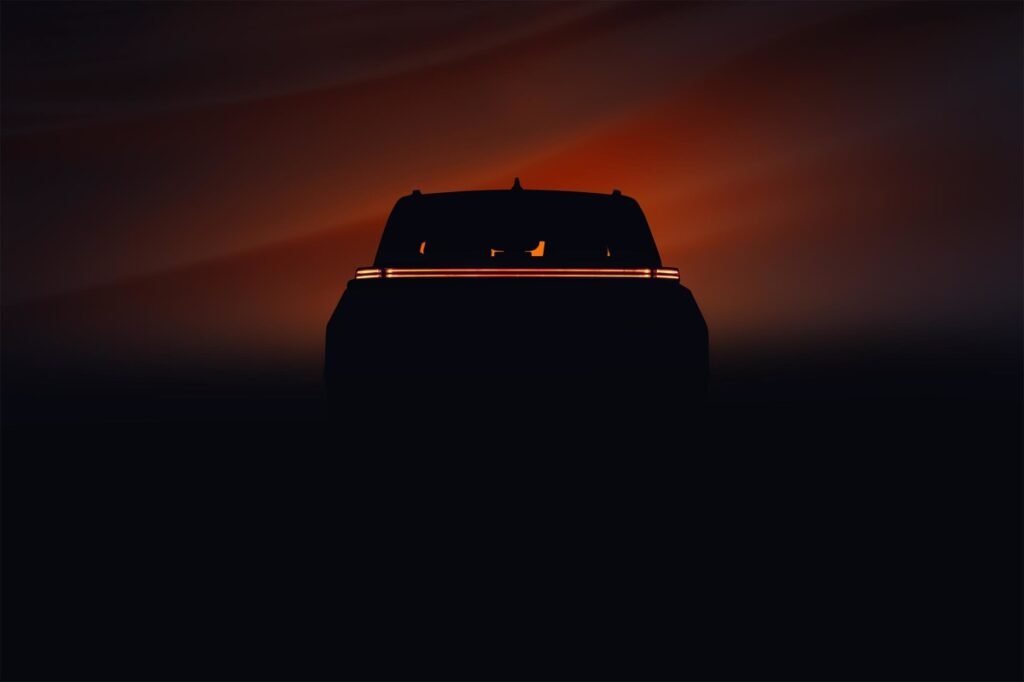
“Something new is on the horizon.” That’s all Toyota has to say in the latest teaser it’s dropped today. But Autoblog has been able to scratch out some details and, indeed, there’s something big coming in barely two weeks.
The Japanese automaker has been one of the big skeptics when it comes to battery-electric vehicles. Ironically, even as key rivals like Ford, Stellantis and Volkswagen pull back on their EV plans, Toyota is accelerating its own product campaign.
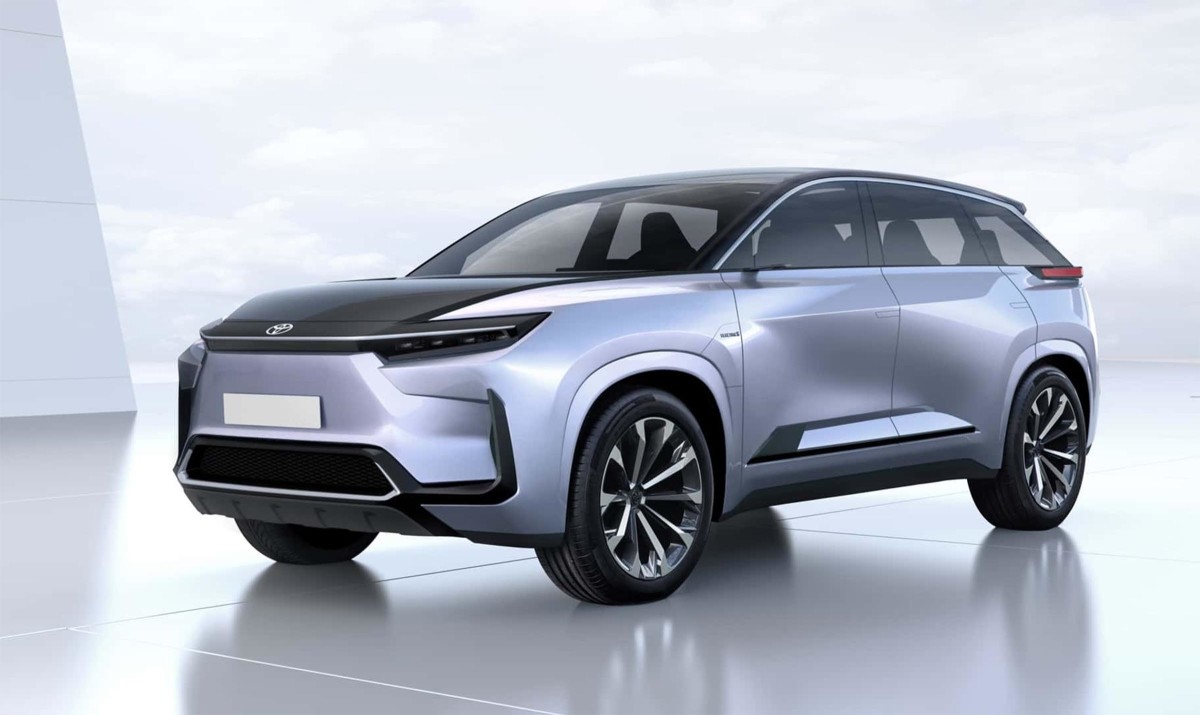
On top of new models like the Toyota bZ Woodland and C-HR that it’s getting ready to roll out, this teaser image previews the all-electric 3-row SUV set to debut on the evening of February 10.
Hedging its Bets
When it comes to low-emission technology, Toyota has long hedged its bets, former CEO – now Chairman – Akio Toyoda developing a multi-energy strategy using a mix of powertrain technologies: internal combustion engines, conventional and plug-in hybrids and hydrogen fuel-cell vehicles, as well as pure battery-electric vehicles.
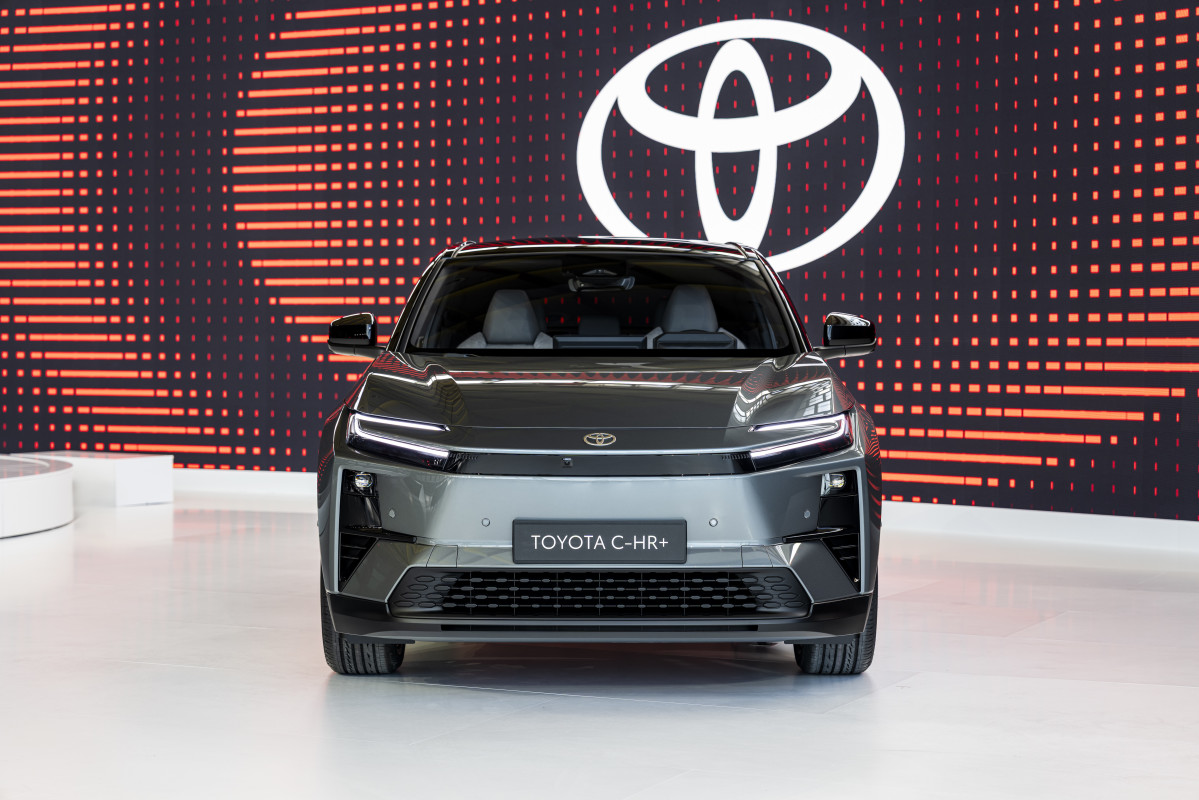
Currently, all but two of Toyota U.S. product lines are offered in hybrid form. Some, like the Tundra, provide buyers with gas-electric options. Others, like the latest-generation Camry, are hybrid only. By comparison, the automaker offers just two all-electric models in the U.S., the bZ – originally called the bZ4X – and the Lexus RZ. It last year announced plans to more than double that line-up with the launch of the Toyota-branded bZ Woodland and C-HR, as well as a second Lexus model, the next-generation ES.
Related: Toyota Just Shook Up Its U.S. EV Plans—Big Moves in Kentucky
What one source described as the new “D-SUV” set to debut early next month will further expand the options for family buyers who need a third row. Significantly, that model will also be the first Toyota EV to be produced in the U.S., rolling out of the same Georgetown, Kentucky assembly plant currently producing the Camry hybrid, according to Sam Fiorani, lead auto analyst with AutoForecast Solutions.
Second Variant to Follow
So far, Toyota has kept the lid on details, though the 3-row model is expected to deliver notably more range than Toyota’s earliest offering, the bZ4X, addressing initial concerns about its relatively small battery pack, as well as its less-than-enthusiastic performance, several sources indicated.
And since it will go up against well-reviewed Korean competitors, the Hyundai Ioniq 9 and Kia EV9, we can expect it to be more lavishly equipped than either the bZ or Lexus RZ. Expect plenty of family-friendly technology onboard, including an upgraded version of Toyota’s cloud-based, voice-controlled Intelligent Assistant system, as well as lots of smart safety features.
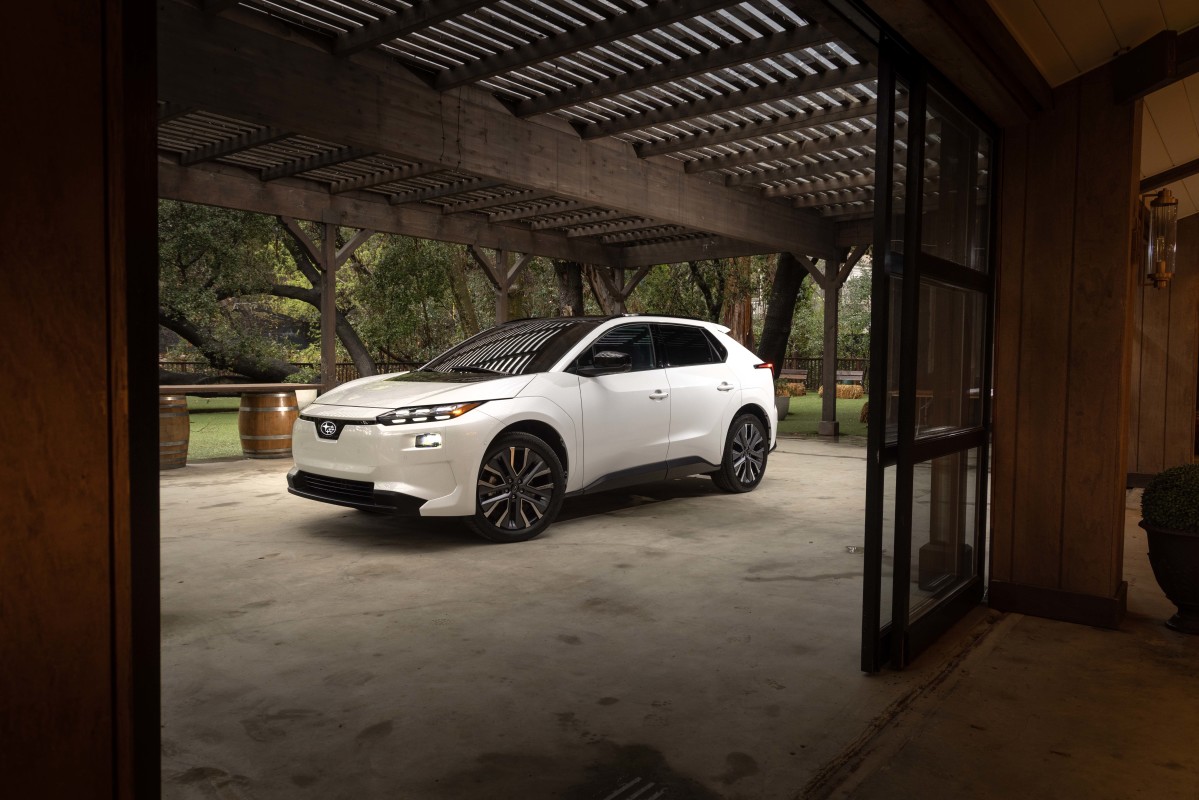
Suppliers have hinted that there actually are two versions of the three-row EV in the works, noted Fiorani. The question is whether the additional package will be marketed as an upgraded Lexus or if it instead will be sold through the Subaru brand. The smaller Japanese automaker’s first U.S. EV is the Solterra, a variant of the Toyota bZ.
More to Come
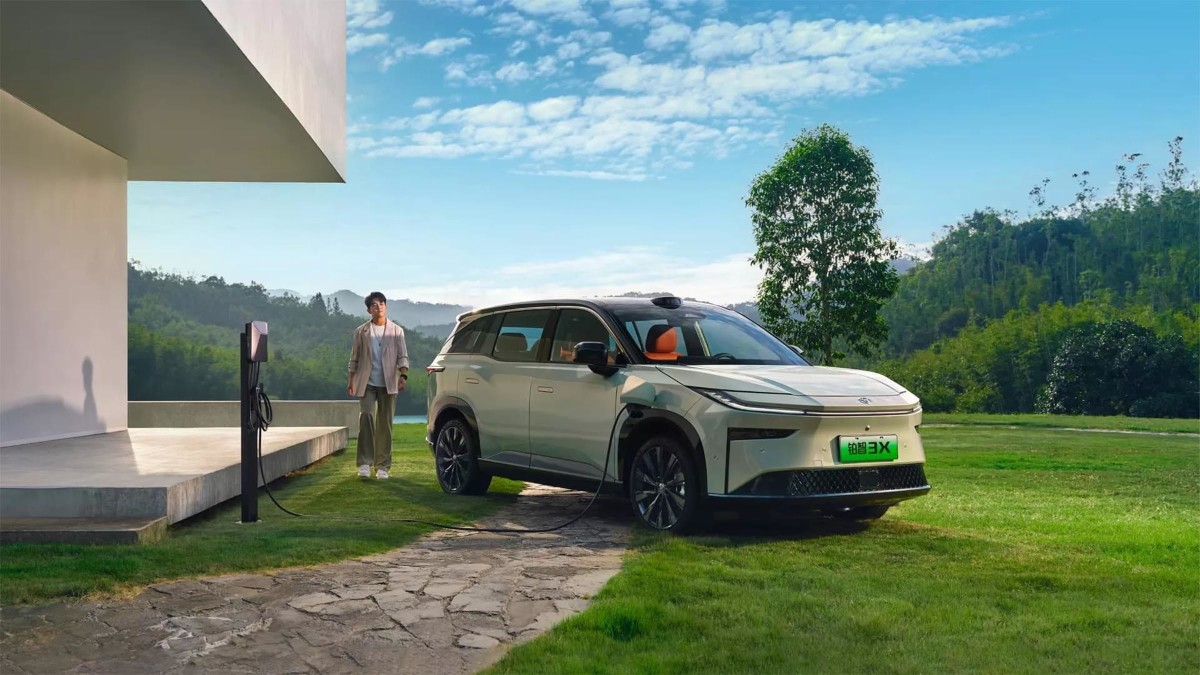
Even with all the new models in the works, Toyota continues to take a cautious approach to EVs, putting its primary emphasis on various hybrid technologies for the U.S., Europe and Japan. The Chinese market is the exception, reflecting the Beijing government’s New Energy Vehicle mandate. It worked with domestic Chinese partner Guangzhou Automobile Group to develop the bZ3X launched last March, and it is following up with the bZ7X, both specifically targeting China.
Not all that long ago, Toyota was taking hits from U.S. environmentalists for seemingly lagging behind some key rivals when it comes to EVs. The strategy now seems prescient in light of the steps the Trump administration has taken to reverse Biden-era policies. Among other things, it convinced Congress to phase out federal EV tax credits last September 30. Sales of all-electric models have since gone into a slump.
Related: EV Sales in America Dip for the First Time in Years
But Toyota officials have stressed they remain ready to flex with the market and could put more emphasis on EVs should U.S. consumers demand them. A key element in that strategy was the opening of new battery plant in North Carolina last November, a move Toyota Motor North America President Tetsuo Ogawa called “a pivotal moment in our company’s history.”