Rewriting The Script
The 2025 Guangzhou Auto Show underscored a dramatic reversal in China’s automotive hierarchy. According to a report from Sina, the long-standing joint-venture model, where global brands like Toyota and Nissan dictated technology while Chinese partners handled scale, has effectively collapsed. With domestic EV makers surging and software-driven features now central to consumer choice, foreign OEMs have been losing ground fast. Imported-vehicle sales have slumped this year, while more than half of new-energy vehicle (NEV) debuts came from Chinese brands.
That assumption no longer holds. Japanese automakers, rather than resisting China’s rise, are now learning from it and leveraging it. By embedding Chinese suppliers deep into their value chains, expanding local R&D, and merging homegrown innovation with Japan’s engineering rigor, they are re-engineering their China playbook.
The result? A new breed of foreign brand that is faster, smarter, and more connected, using China’s strengths to stay competitive without surrendering identity.
Toyota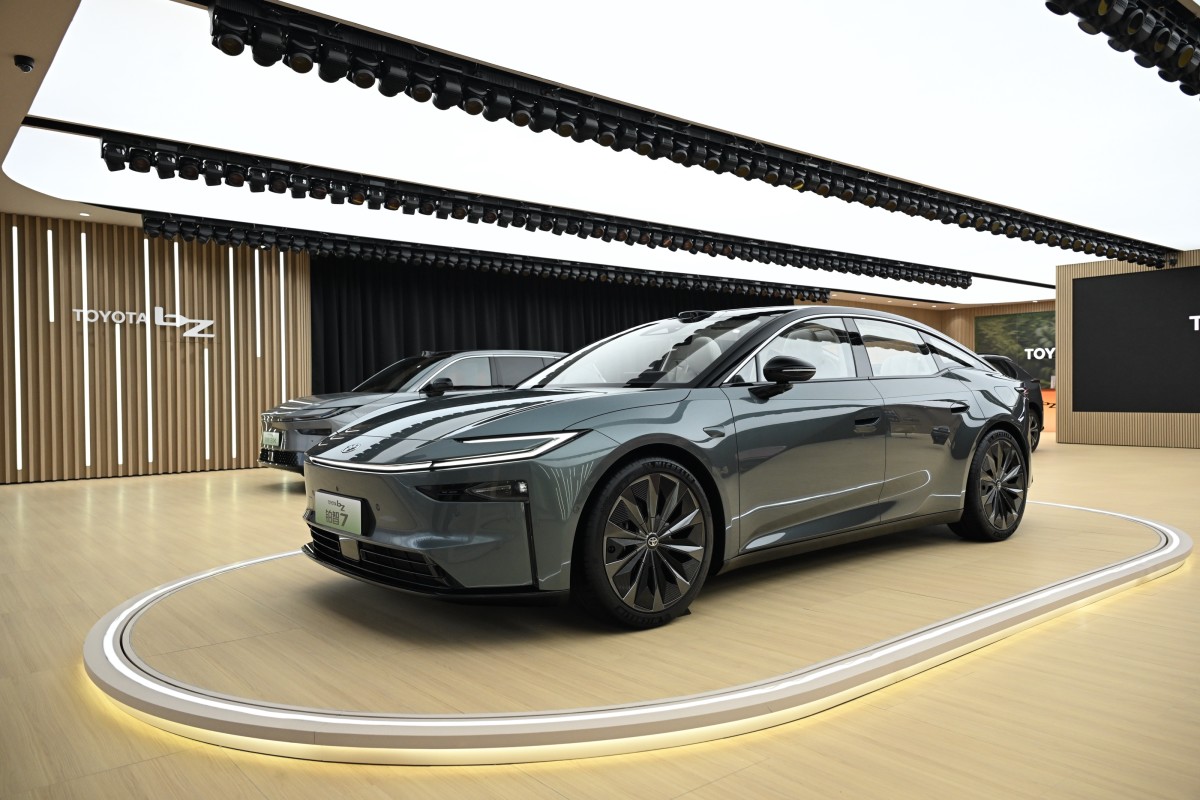
Toyota–Huawei Alliance Signals a Strategic Breakthrough
Toyota’s bZ7 electric SUV, developed by GAC-Toyota, headlines this transformation. The model arrives equipped with Huawei’s full technological suite, from the HarmonyOS cockpit UI to the DriveONE software. It’s the first Toyota to integrate an entire Chinese digital ecosystem, combining flagship-level design with advanced driver-assistance sensors, face recognition, and long-range battery options. This isn’t Japanese engineering tailored for China; it’s a fusion of both.
The move marks a profound philosophical shift. In a market where connectivity and software ecosystems define purchase decisions, Toyota is betting that experience trumps mechanical conservatism. Through Huawei’s platform, Toyota instantly plugs into a trusted, widely used interface, accelerating relevance and slashing R&D costs. Instead of rebuilding its own digital stack, the company is co-opting China’s best-in-class tech to win back momentum.
Nissan Extends the Model Even to Gasoline Cars
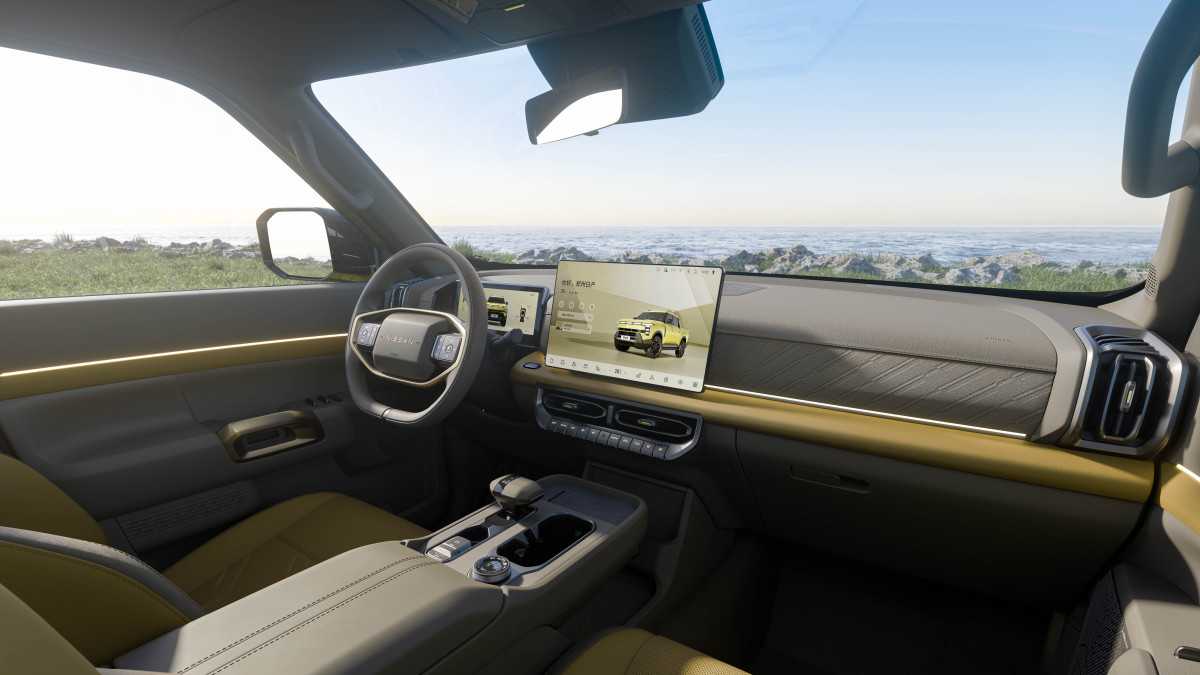
Nissan is taking the same approach further, bringing Chinese tech into its internal-combustion lineup. The latest Teana has become the world’s first gasoline sedan equipped with a HarmonyOS cockpit, a symbolic crossover of the old and new. The message is unmistakable: the Chinese-style digital experience is now the default expectation, regardless of powertrain.
This shift also exposes the collapse of the old joint-venture logic. Once, Japanese firms supplied the technology while Chinese partners handled production. Now, Nissan is letting local software define the user experience while maintaining its signature mechanical tuning. Recognizing the futility of competing head-on with China’s cockpit systems. Japanese brands are partnering instead, and reaping the rewards.
Nissan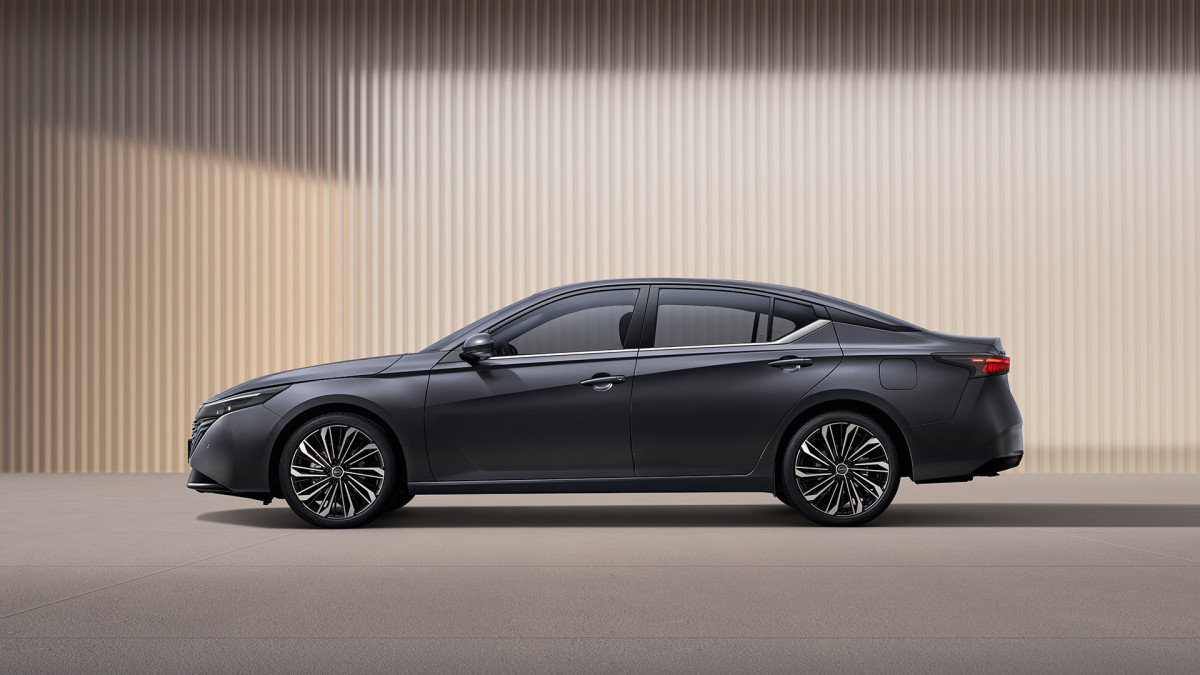
As China’s Auto Sector Faces Strain, Timing Favors Japan
Ironically, this integration push comes just as China’s corporate landscape is showing cracks. According to Nikkei Asia, nearly a quarter of listed Chinese firms reported losses from January to September 2025, the highest since the 2008 financial crisis. Overcapacity, slowing demand, and bruising price wars have squeezed margins across the EV sector. Even as domestic suppliers remain technologically advanced, many automakers themselves are under financial stress.
That imbalance creates an opening for Japan’s global players. With diversified revenues and stronger balance sheets, Toyota and Nissan can access Chinese innovation without sharing its financial vulnerabilities. They gain the upside of local tech leadership, minus the downside of overextension that now dogs many Chinese peers.
LEROY MARION
A Hybrid Formula Could Reshape the Market
Just a month ago, Ford CEO Jim Farley warned that Chinese EV specialists could “Put us all out of business.” The Guangzhou show suggests the opposite. Rather than retreating, the strongest Japanese brands are adapting, blending world-class engineering discipline with Chinese software, battery, and connectivity systems. The result: products that meet Chinese expectations on tech and price, but with global-brand reliability baked in.
This hybrid strategy may ultimately redefine what “competitive” means in China’s auto market. With domestic players under pressure and foreign OEMs learning to play by local rules, the balance of power is shifting again.
Nissan