Labels Matter More Than You Think
Most people overlook the small sticker on the door jamb, but it matters more than you’d think. That load capacity label tells you how much weight your vehicle can safely handle after the factory adds accessories. It’s not just a suggestion; it’s a safety guideline that affects how your SUV or truck behaves when loaded up.
This time, several Toyota and Lexus models rolled out of the factory with labels that don’t match the real numbers. The problem comes down to a miscalculation of how much weight the factory-installed accessories actually add. As a result, the load capacity listed on the sticker might exceed what’s safe. That’s led to a recall for thousands of vehicles in the US, and possibly elsewhere.
At first, it sounds minor. It’s just a label. But if you trust that number and load up your vehicle for a road trip or a weekend project, you could end up carrying more than the suspension and brakes were designed to handle.
What’s Affected and What Went Wrong
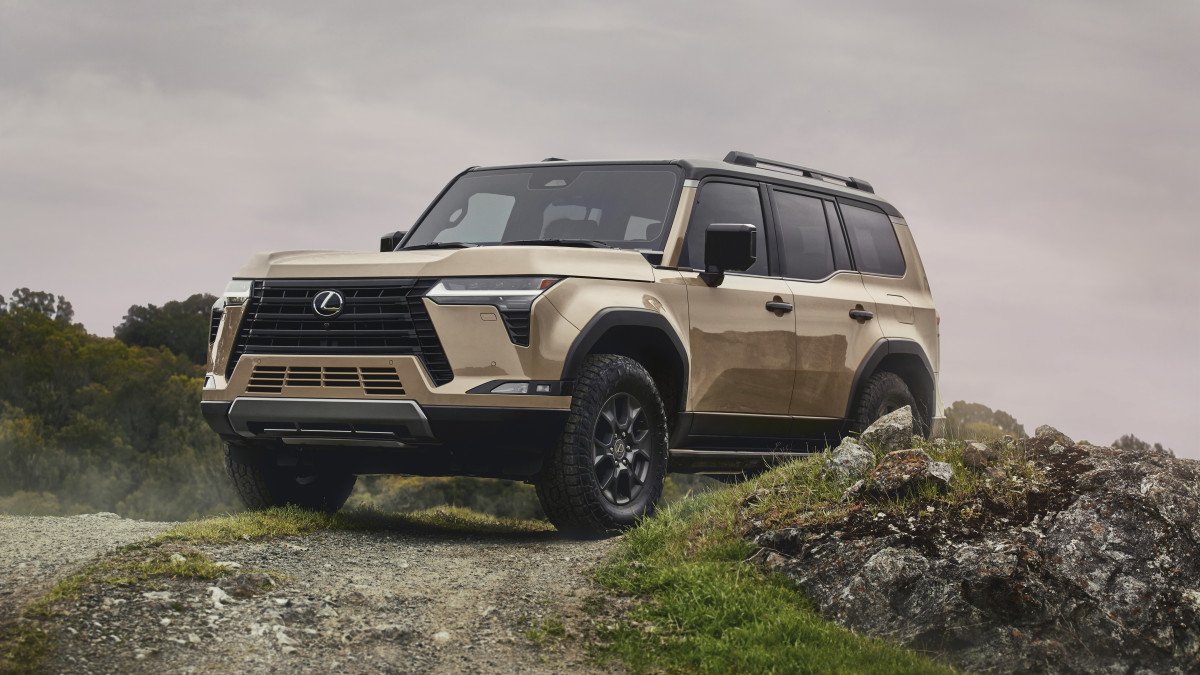
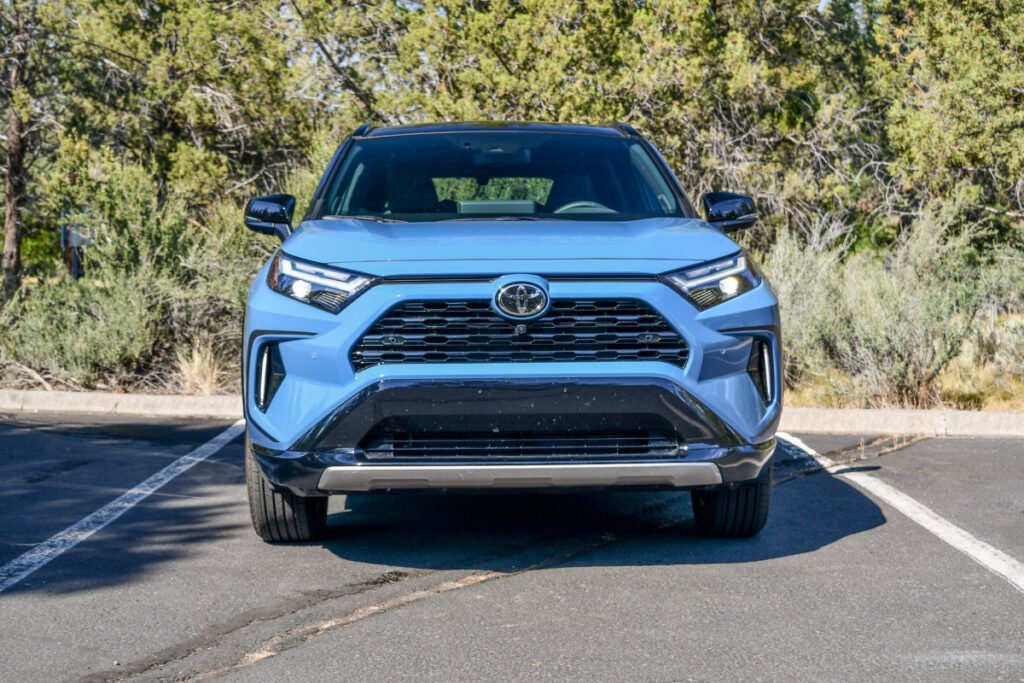
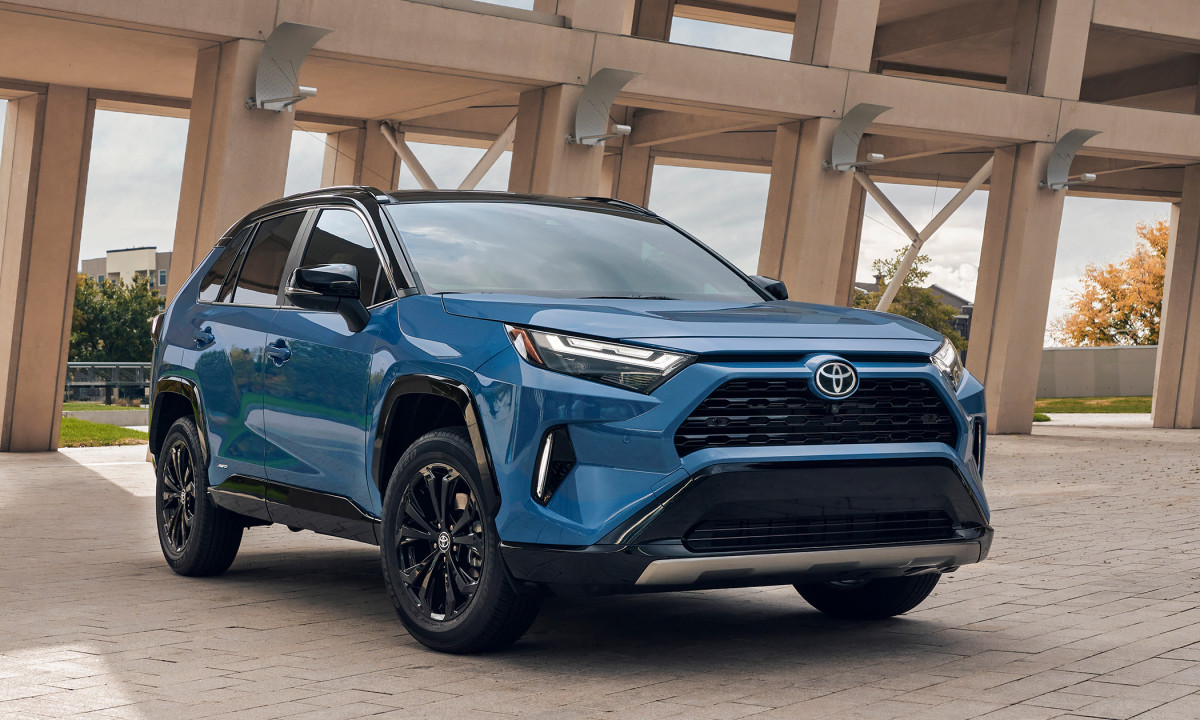
According to the report published by the National Highway Traffic Safety Administration (NHTSA), the recall covers a wide range of models, from full-size trucks to hybrid SUVs. Affected vehicles include the Toyota Tundra, Tacoma, Sequoia, RAV4 Hybrid, Land Cruiser Hybrid, and Grand Highlander, as well as Lexus models such as the TX, NX, and GX. Production dates span roughly from April 2024 through late 2025, depending on the model.
All in, more than 8,000 vehicles are affected, though the numbers vary by model. The Lexus GX550 makes up a big chunk of the recall, while some Lexus TX versions are only involved in small numbers.
The root of the problem is a software glitch. The system that calculates the weight of the accessories got it wrong, so the labels showed a higher load capacity than they should. In some cases, the difference is more than 1%.
That might sound like a small margin, but it matters. If you follow the label and load up to the limit, you could be pushing the vehicle past what it can safely handle. That means more risk if you need to stop quickly or swerve in an emergency.
Toyota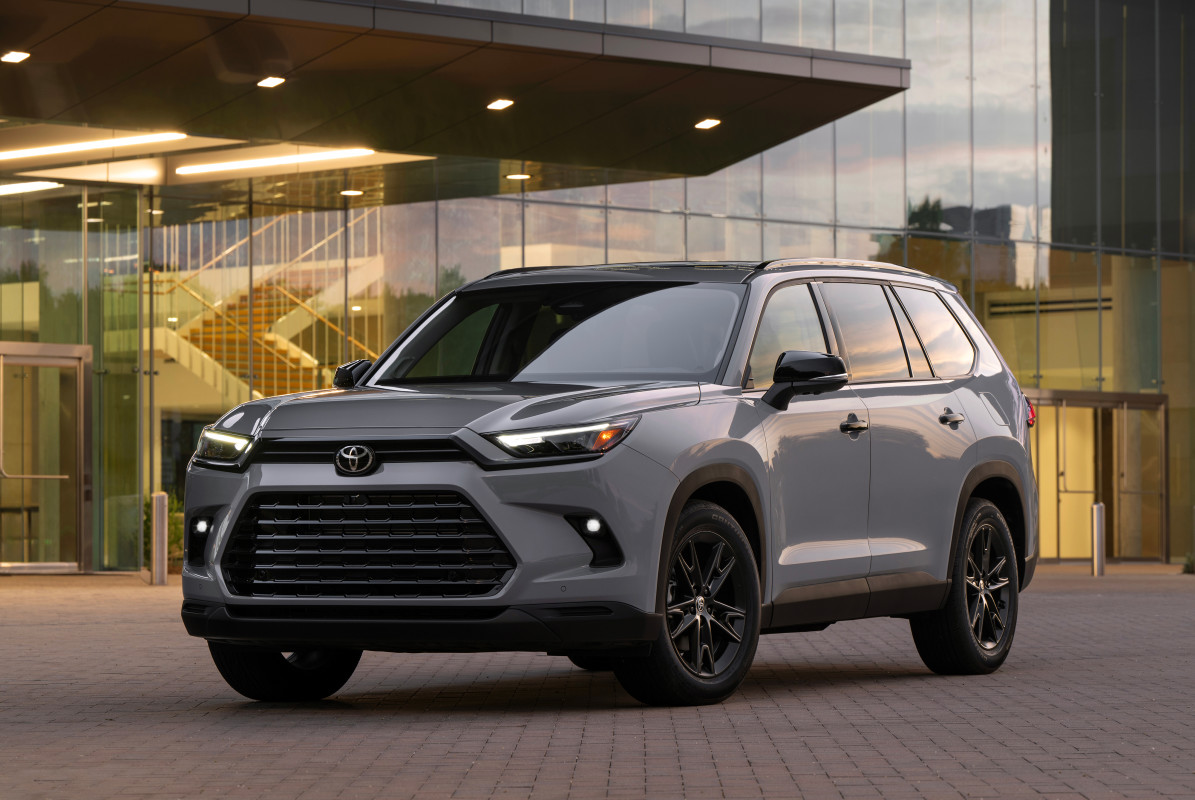
Fixing the Problem
The fix is relatively simple. Owners will be asked to bring their vehicles to a Toyota or Lexus dealer, where the old label will be swapped out for a corrected one, free of charge.
Toyota and Lexus plan to send out notification letters between early and mid-May 2026, depending on the model. Once you get the letter, you can book a visit to have the label replaced.
For now, there’s no need to park your vehicle, but it’s worth keeping an eye on how much you’re hauling, especially if you often carry heavy loads or lots of passengers.