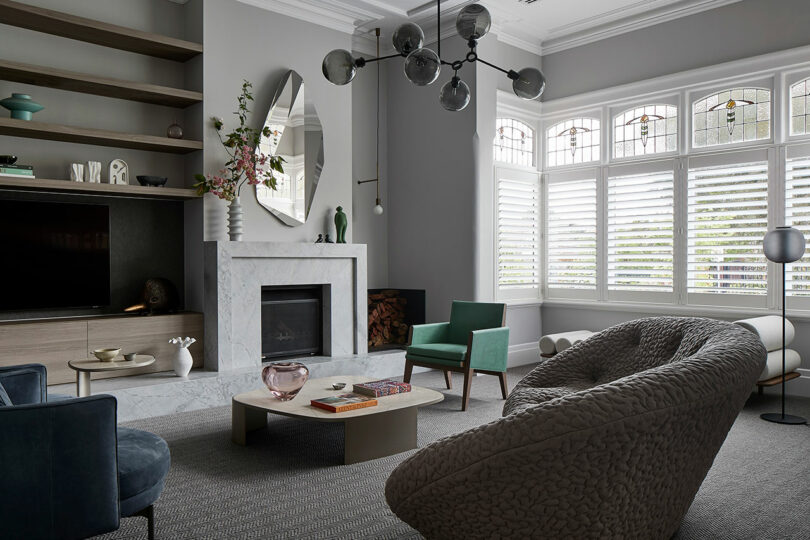
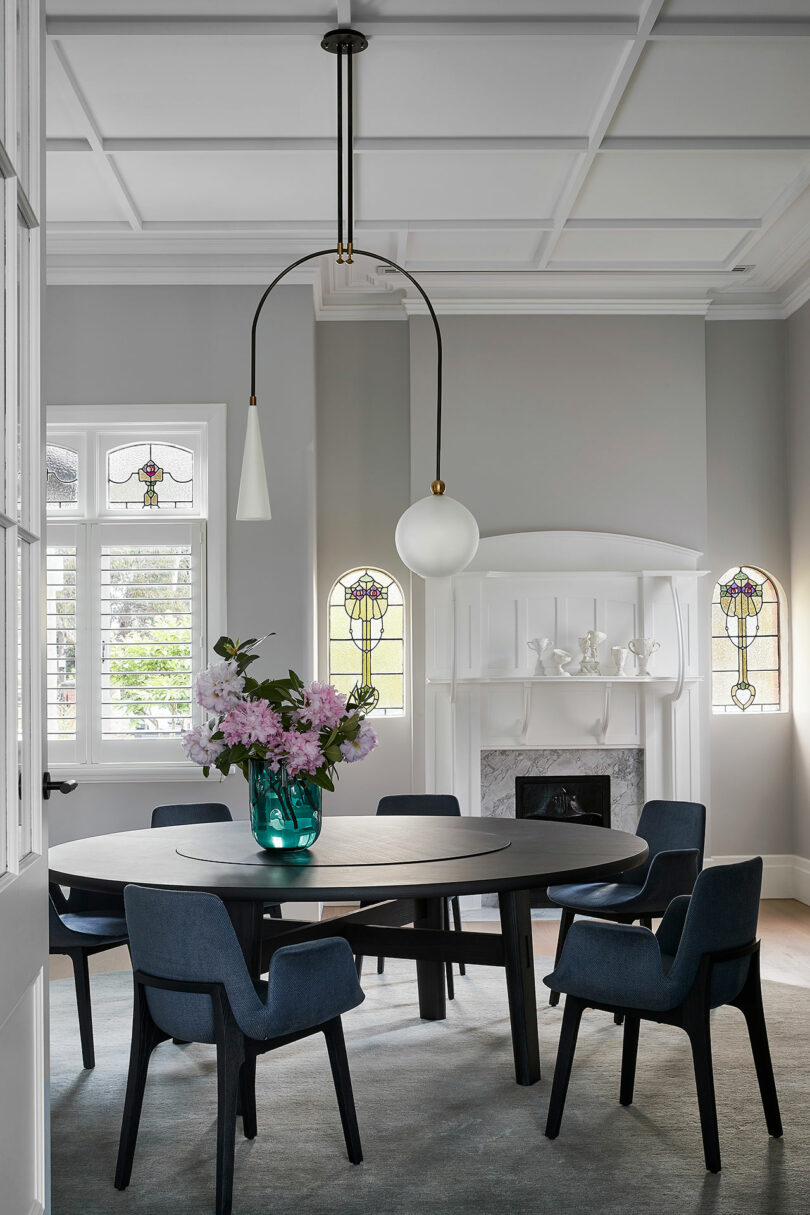
In Melbourne’s leafy south-eastern suburbs, where wide streets and established gardens frame a lineage of early 20th-century homes, a grand 1912 Federation residence has found a second life. Designed by architect Augustus Fritsch—known for his historic Catholic churches across the city—the house carries all the hallmarks of its era: soaring ceiling heights, articulated plaster cornices, stained glass windows, ornate architraves, and rooms generous in both proportion and presence.
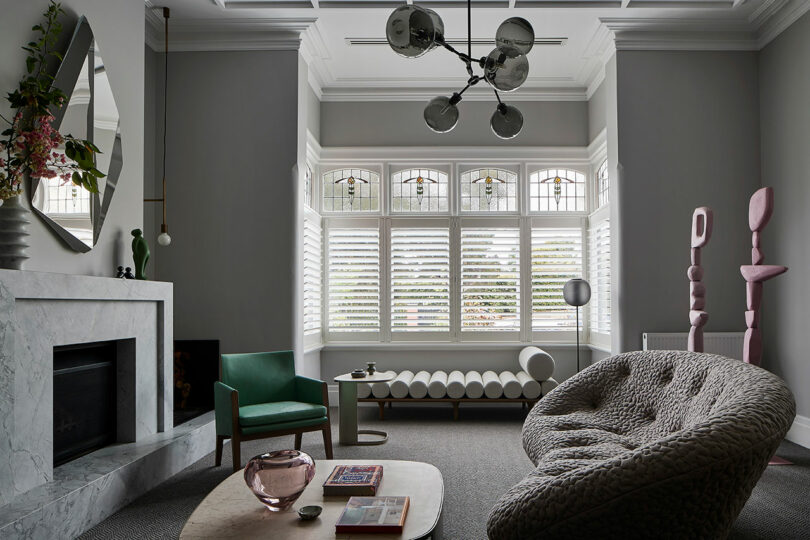
But while the bones were magnificent, the question facing interior designer Swee Lim of Swee Design was one much of the industry must contend with: how do you honor history without becoming beholden to it? The answer, in this case, was not restraint, but joy.
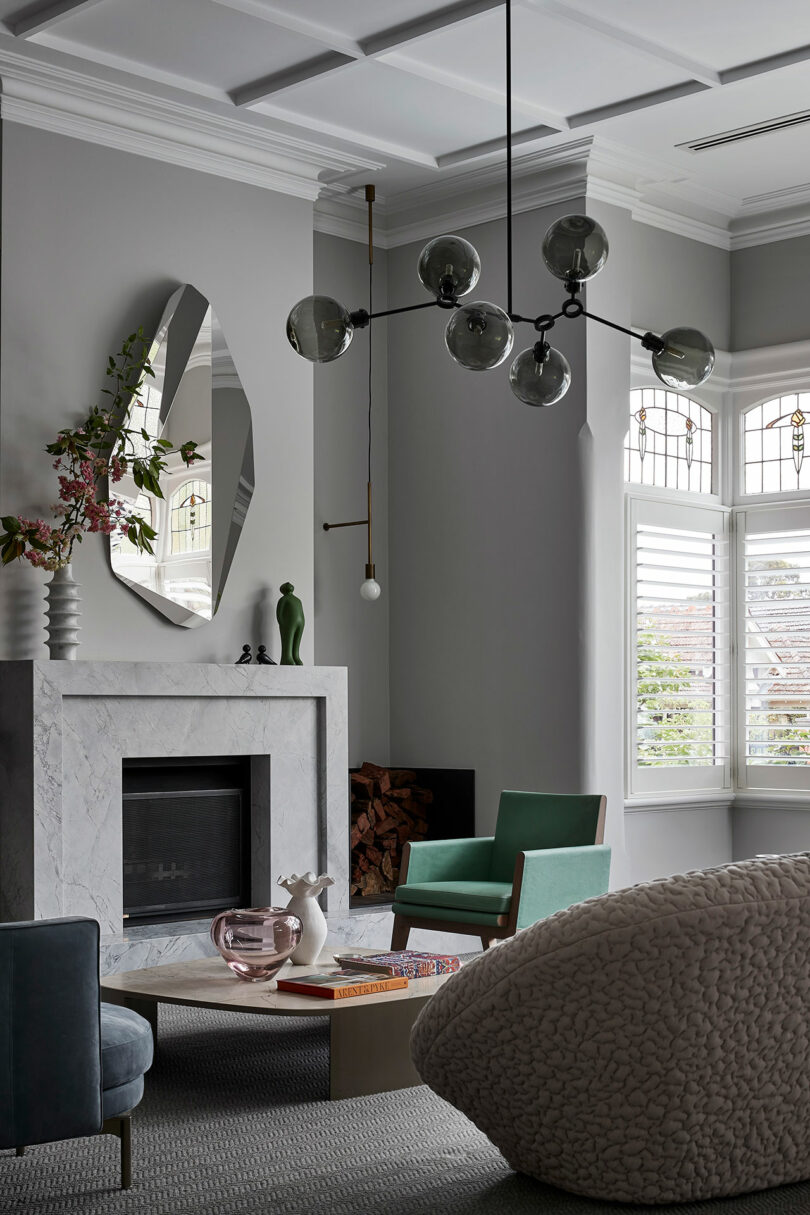
The home unfolds across three levels, split between two architectural expressions: the original heritage facade and formal rooms at the front, and a contemporary rear extension that opens into a light-filled kitchen and living zone connected to the garden. A basement level––complete with games room, bar, and an inner courtyard—adds a layer of unexpected drama.
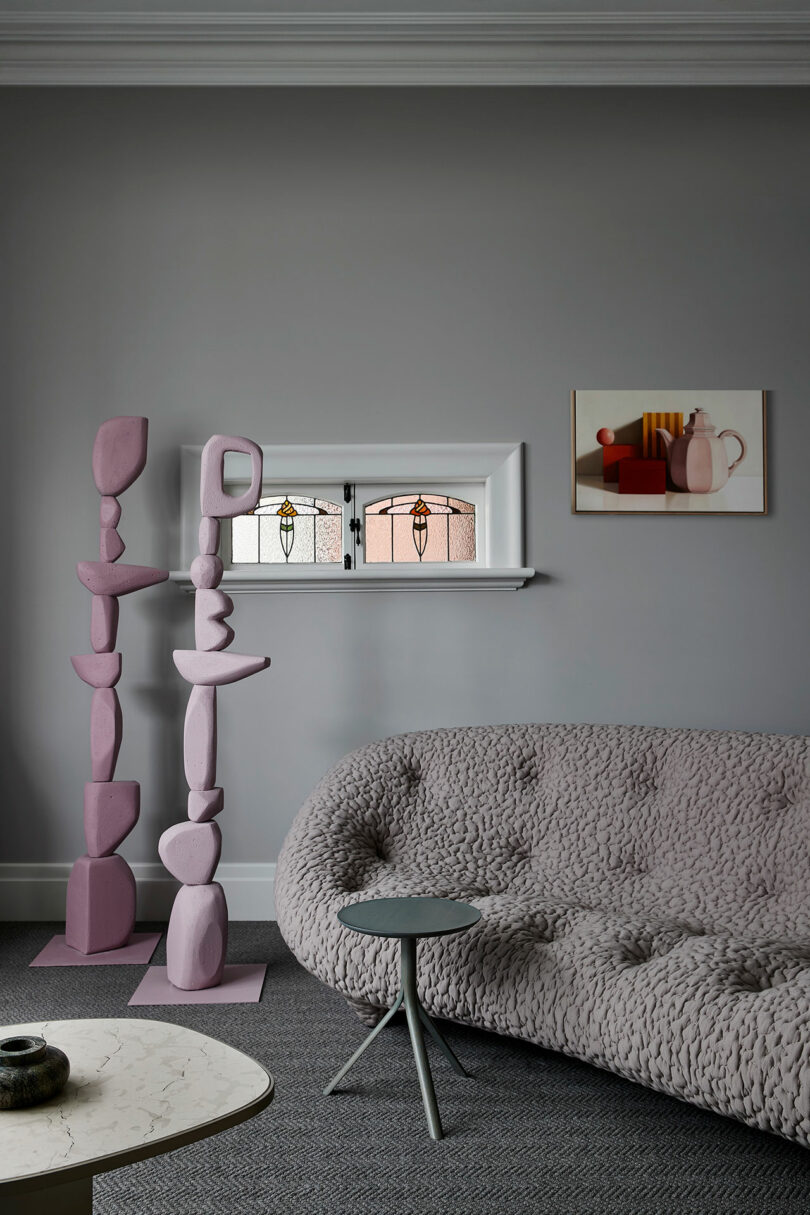
For designers and homeowners navigating similar renovations, the first lesson lies here: identify the natural fault lines between old and new. Rather than attempting to blur them into homogeneity, this project celebrates their contrast. The formal heritage rooms remain composed and dignified; the extension becomes expressive and fluid.
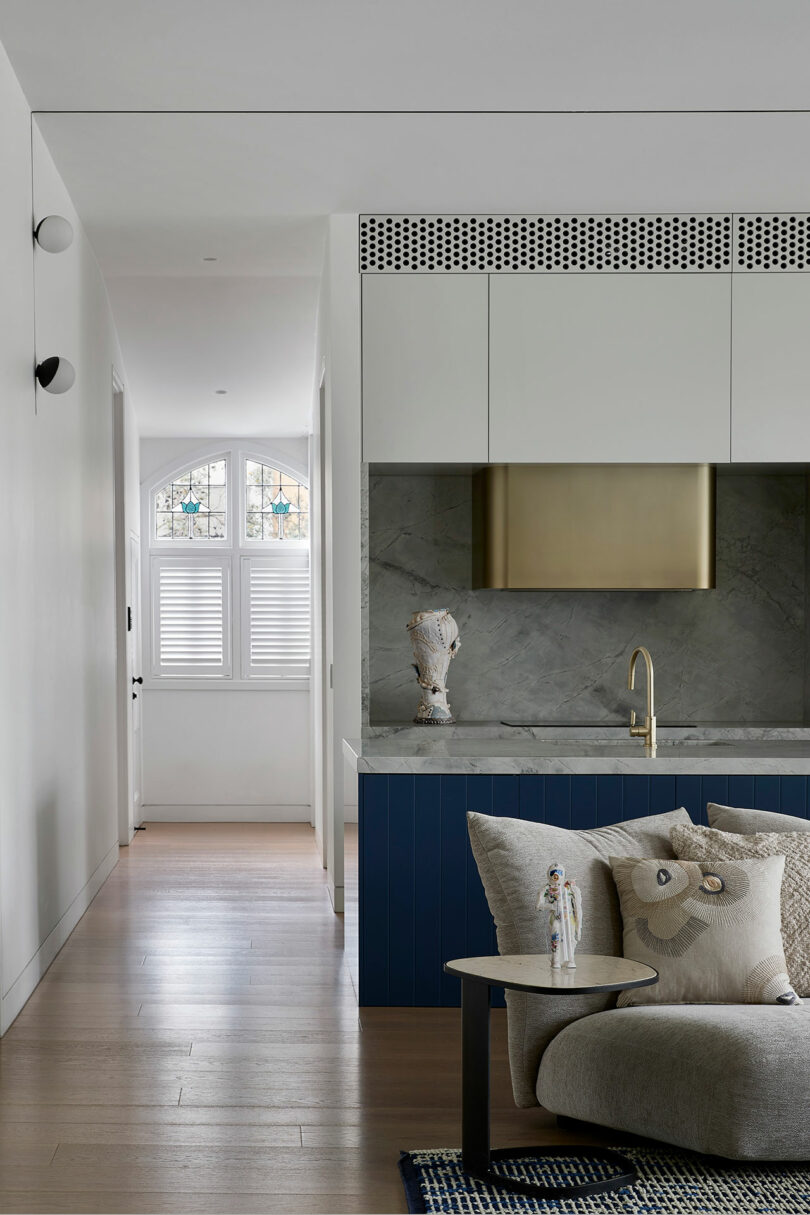
“The interplay between old and new became the foundation for the interior direction,” Lim notes. This is modernization not as erasure, but as dialogue.
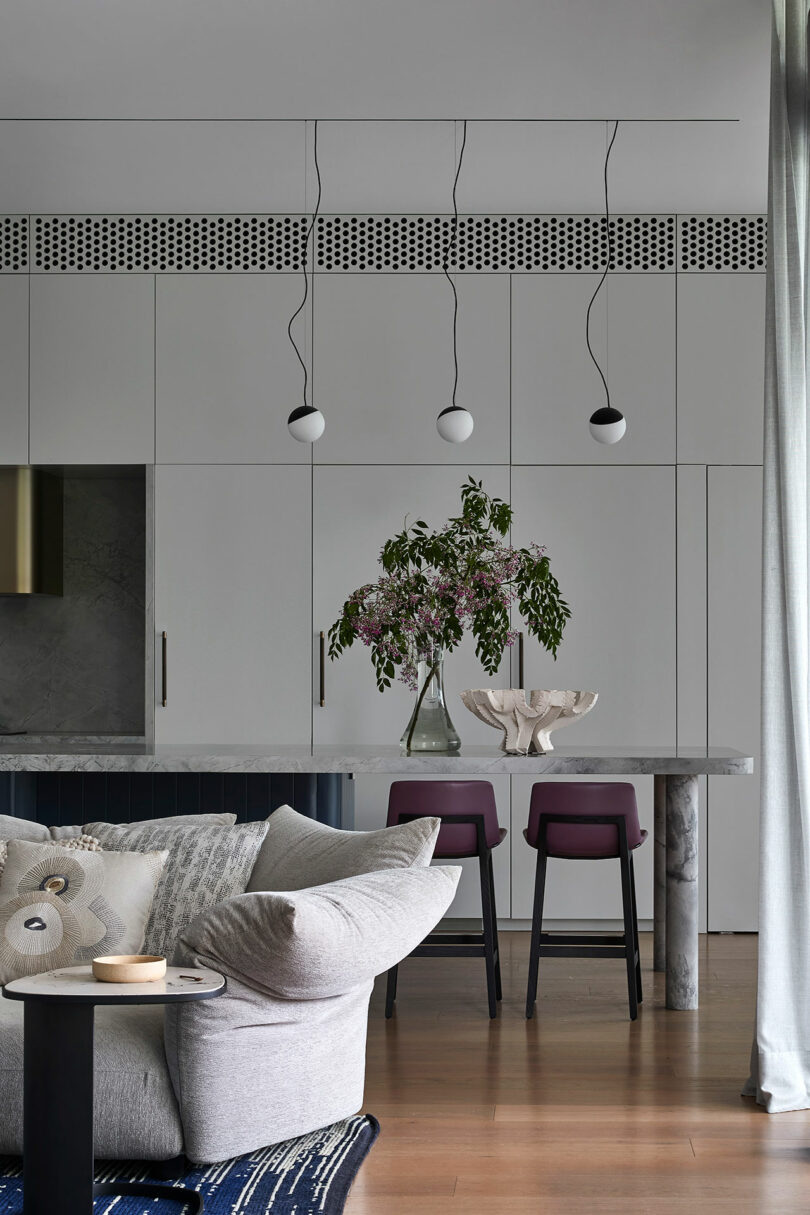
Home to a family of five, with three young adult children, the brief was layered. The house needed to function as an everyday residence, elegant enough for adult entertaining yet relaxed enough to evolve as children return with partners and friends.
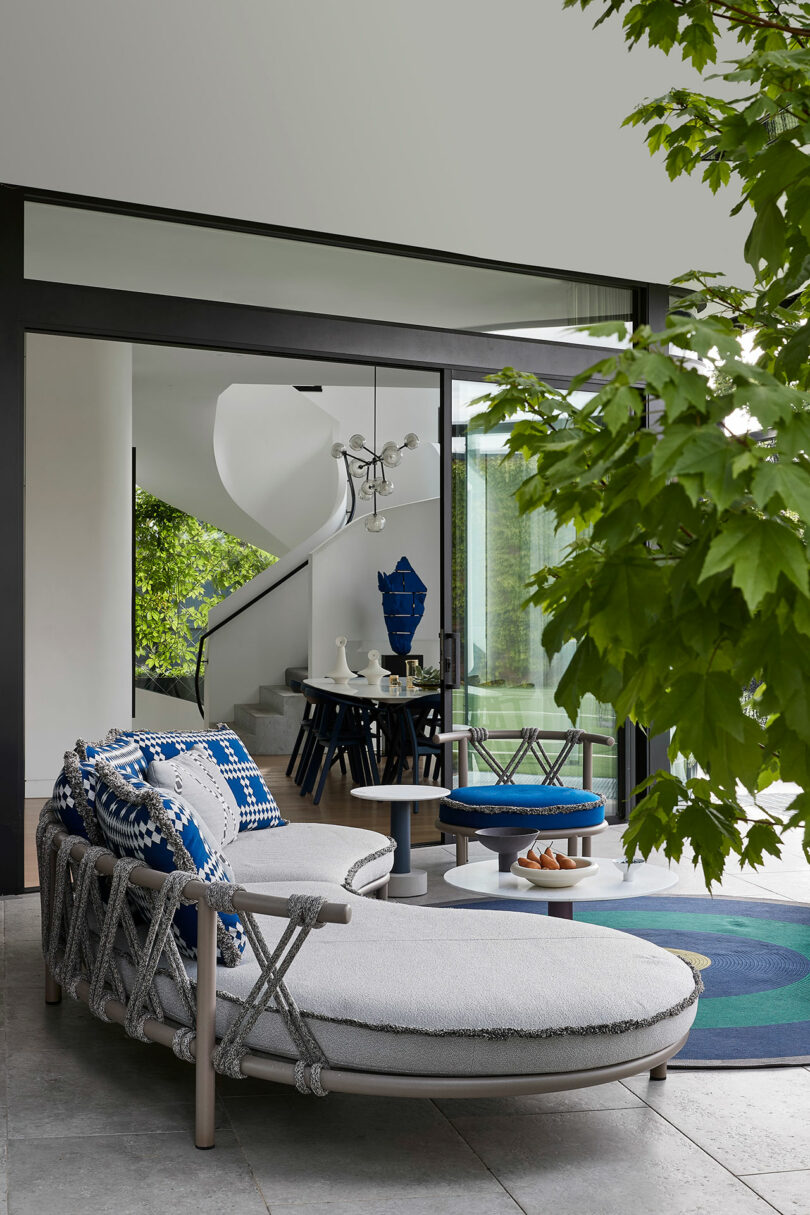
Crucially, the clients were not interested in a safe, neutral interior. They were creative, adventurous with color, and open to living with bold art and sculptural furniture. That openness transformed the project from renovation to curation.
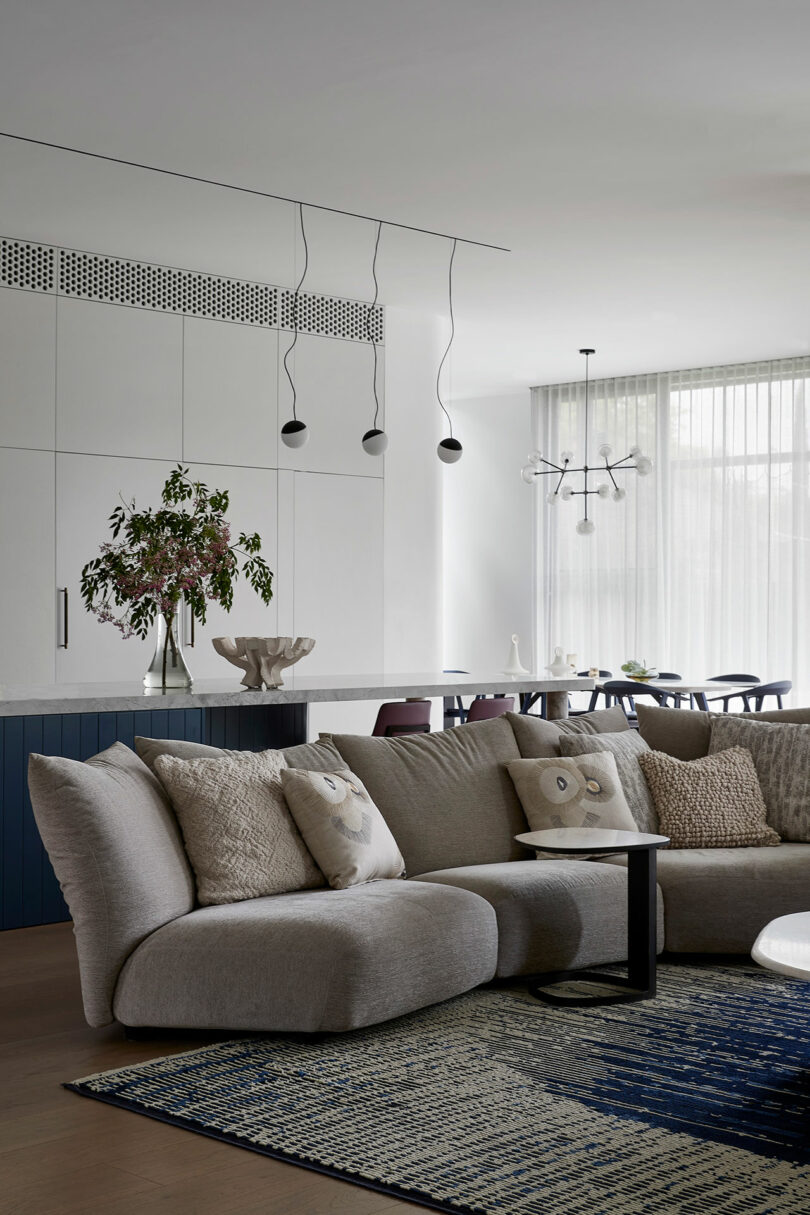
Herein lies the second lesson: modernization succeeds when it reflects the inhabitants’ personalities beyond contemporary trends. A historic shell can hold an entirely new narrative, provided the architecture is respected.
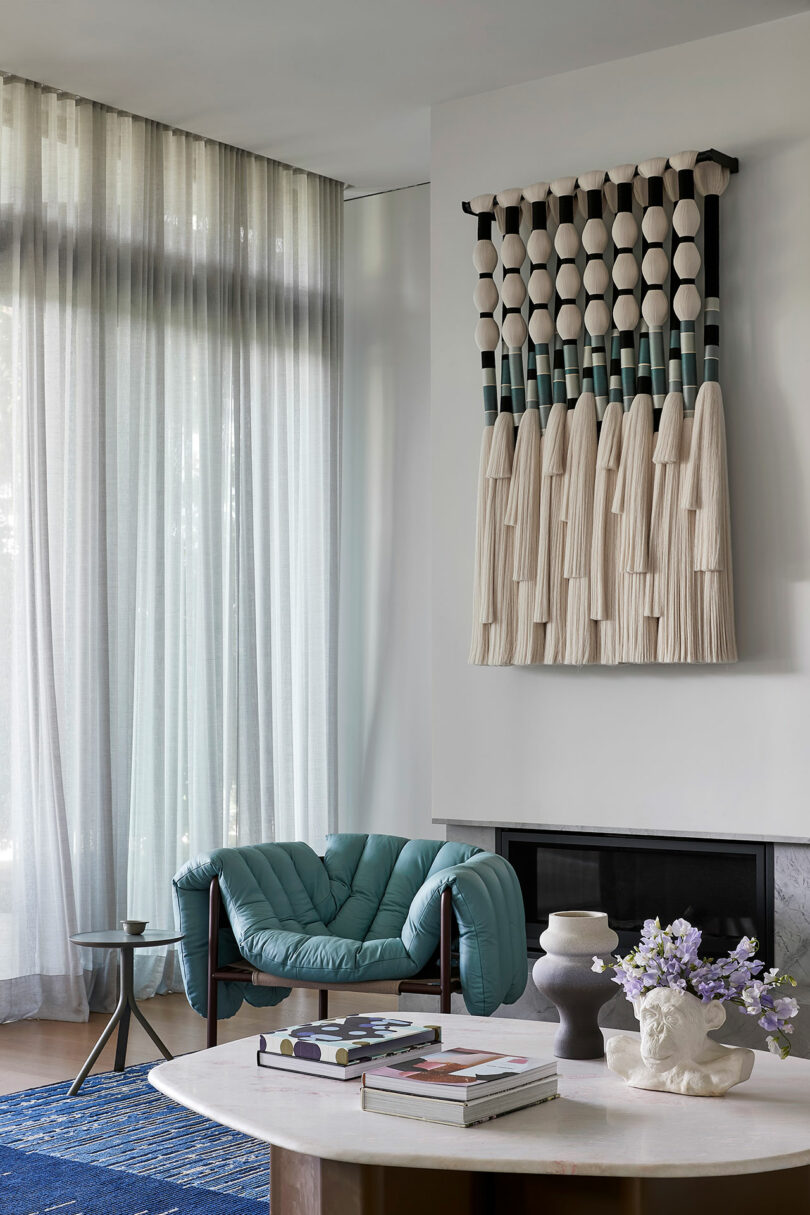
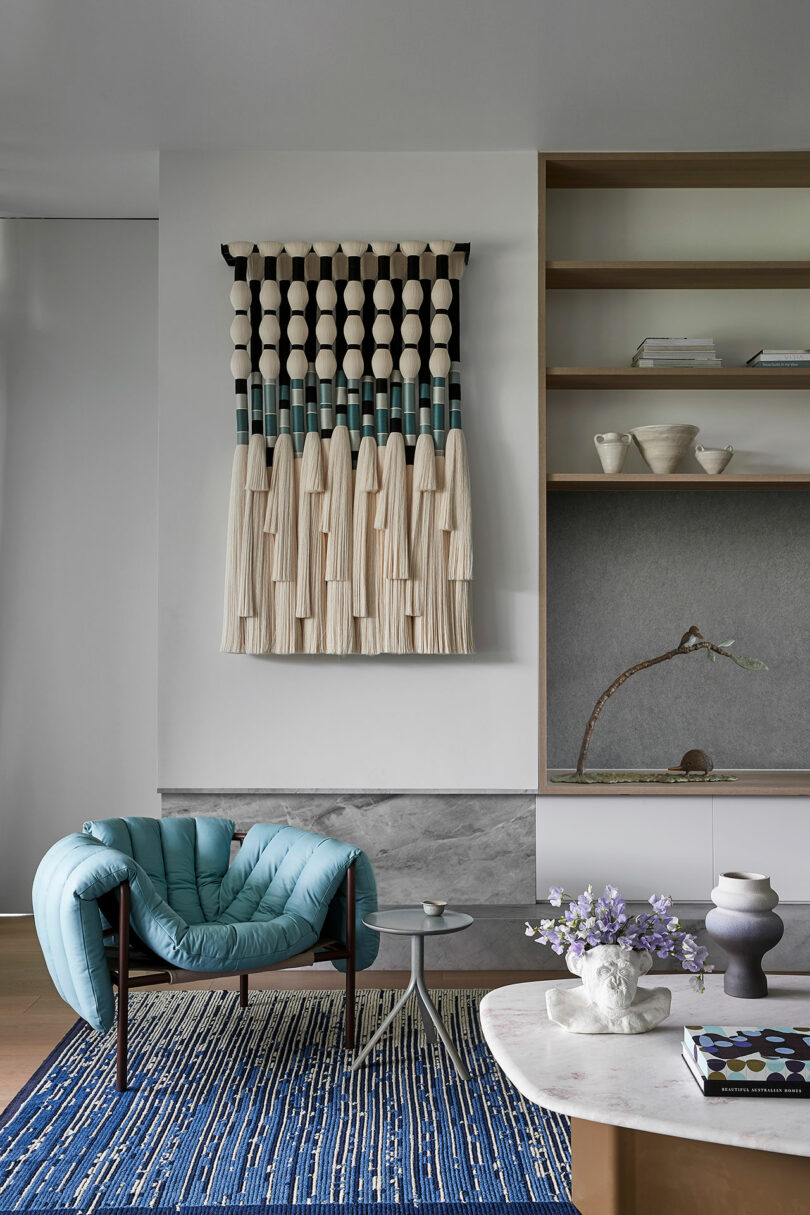
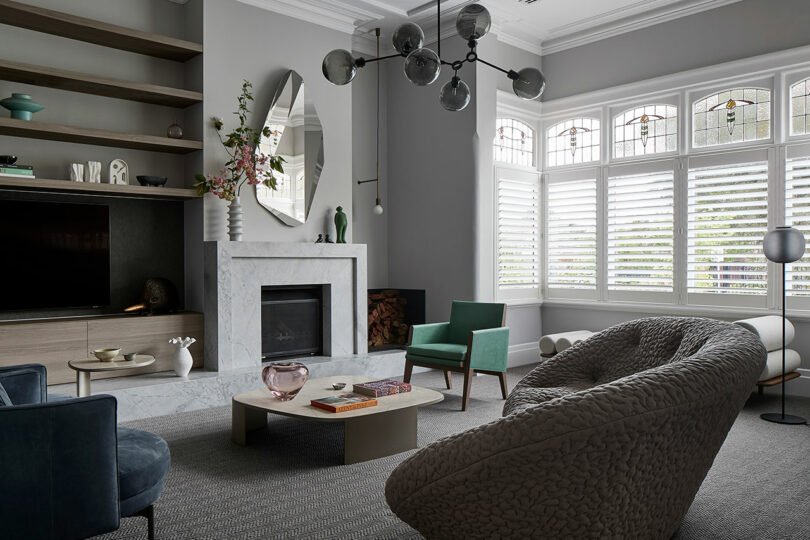
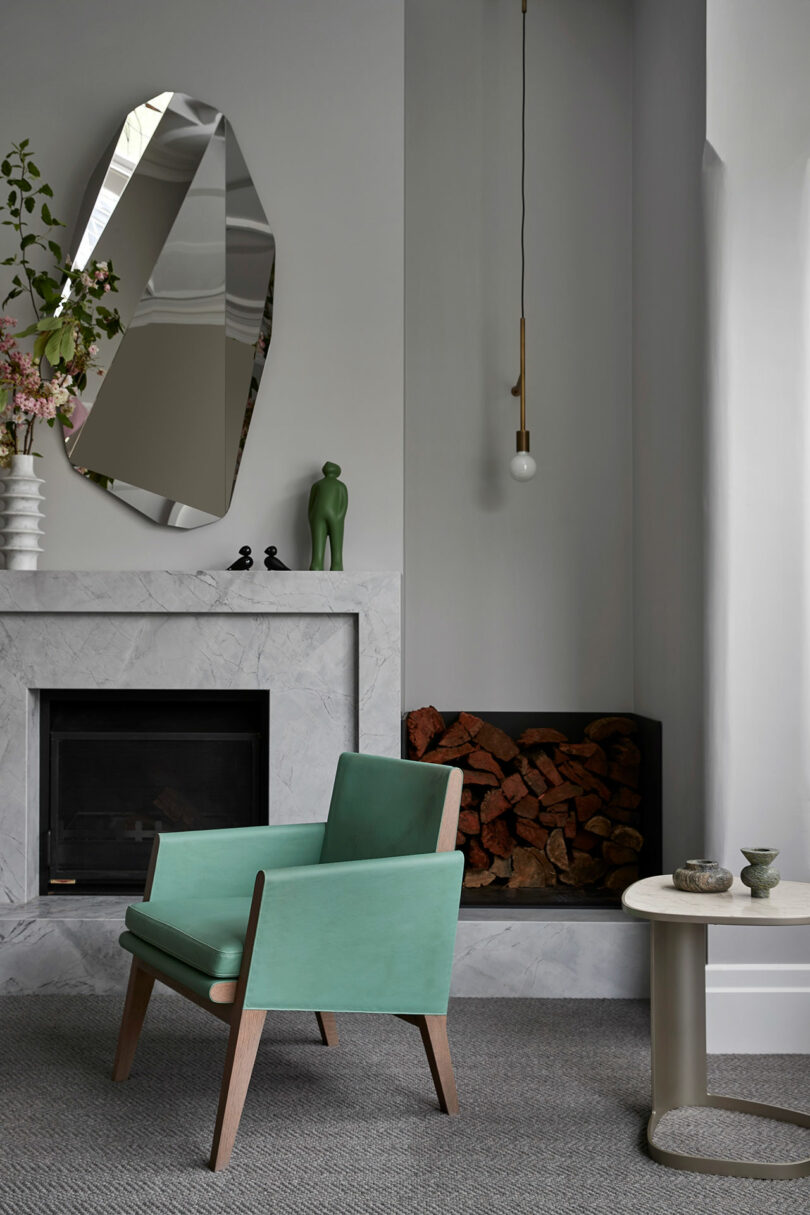
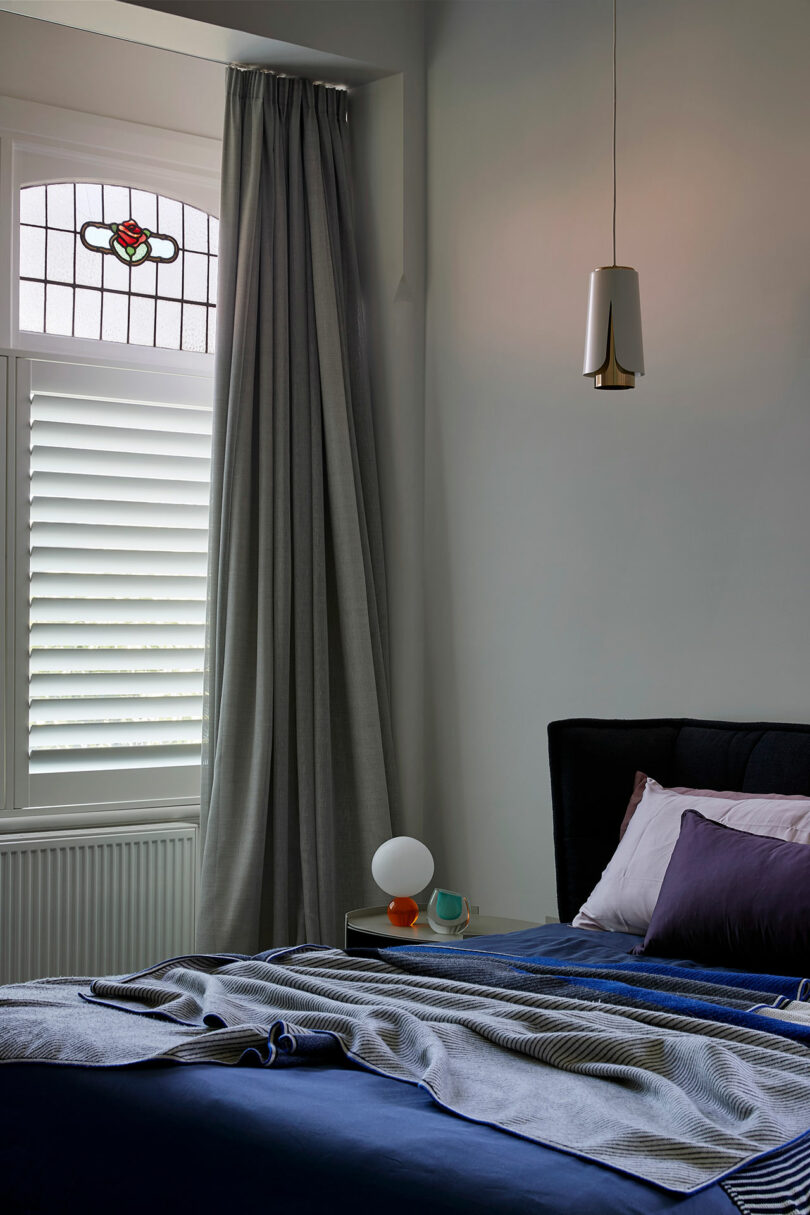
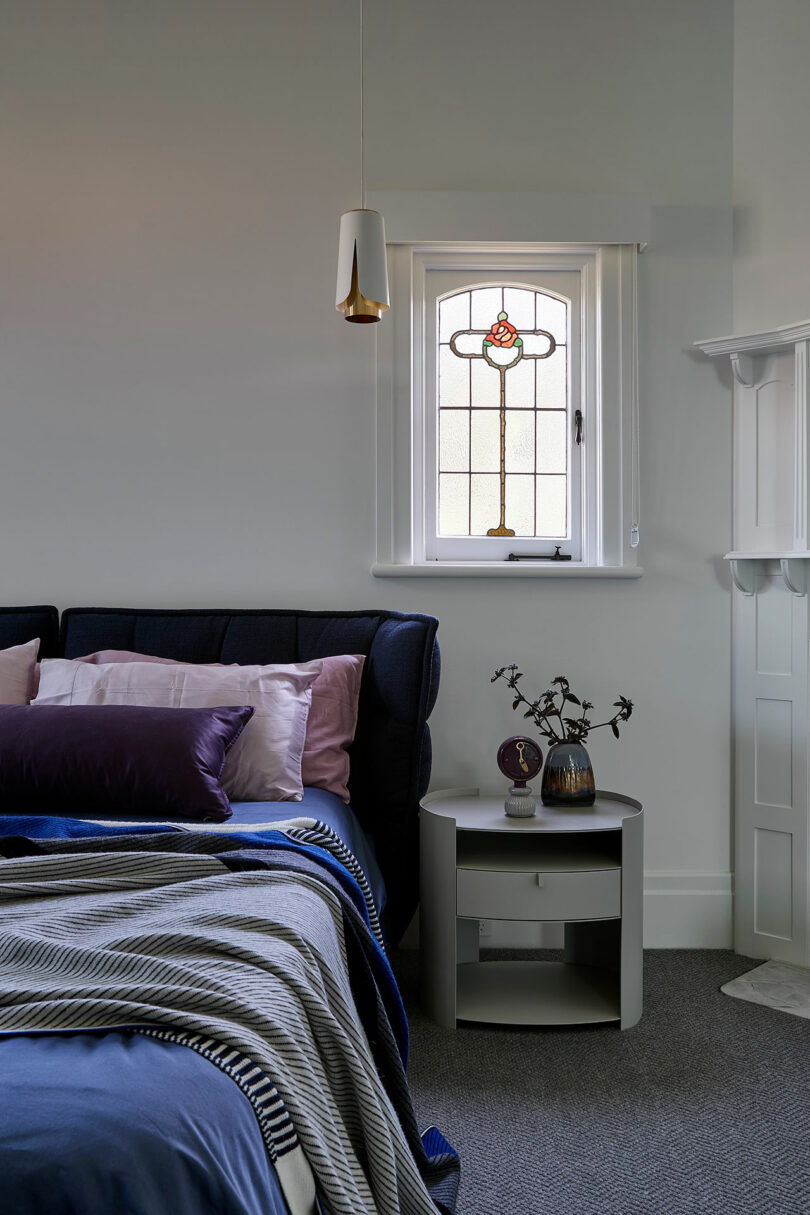
Rather than applying a single palette throughout, Lim choreographed color as a progression. In the original Federation rooms, an elegant warm grey forms a quietly luxurious backdrop respectful of the home’s heritage proportions and formal use. It allows the plasterwork and stained glass to remain legible while creating a calm base for art.
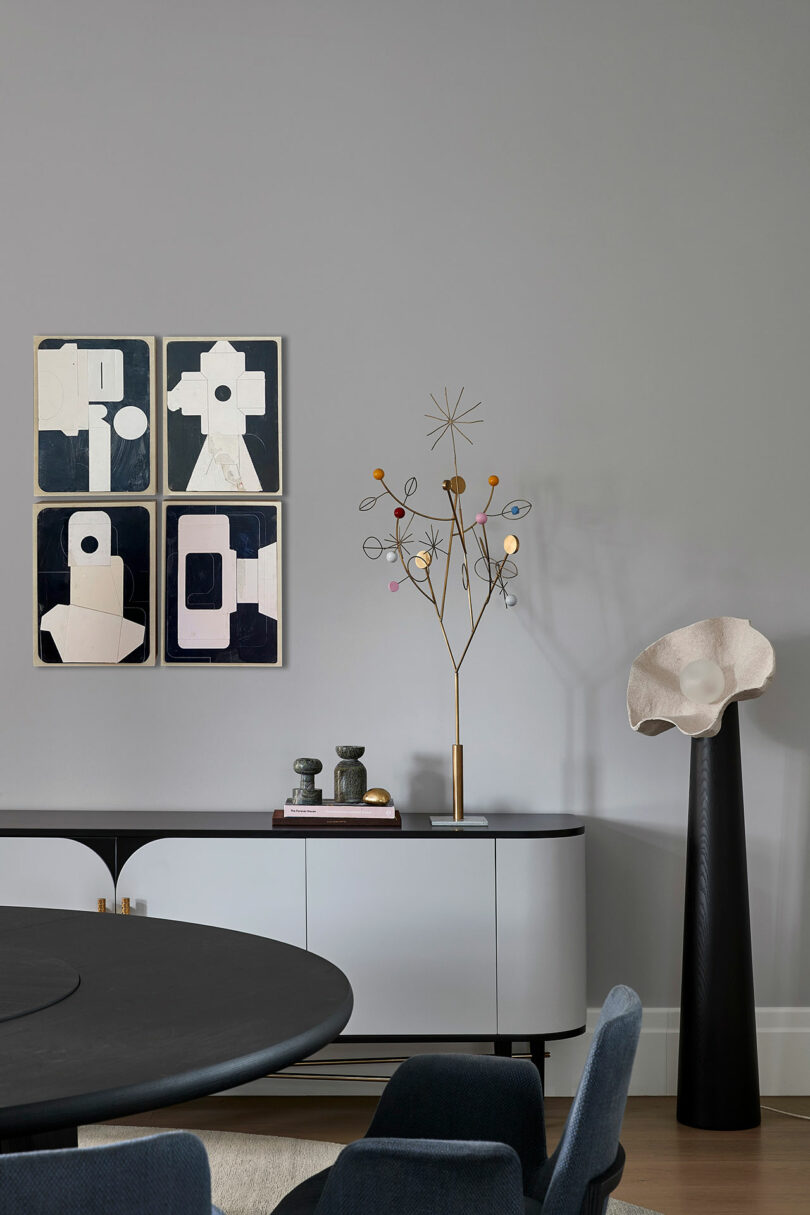
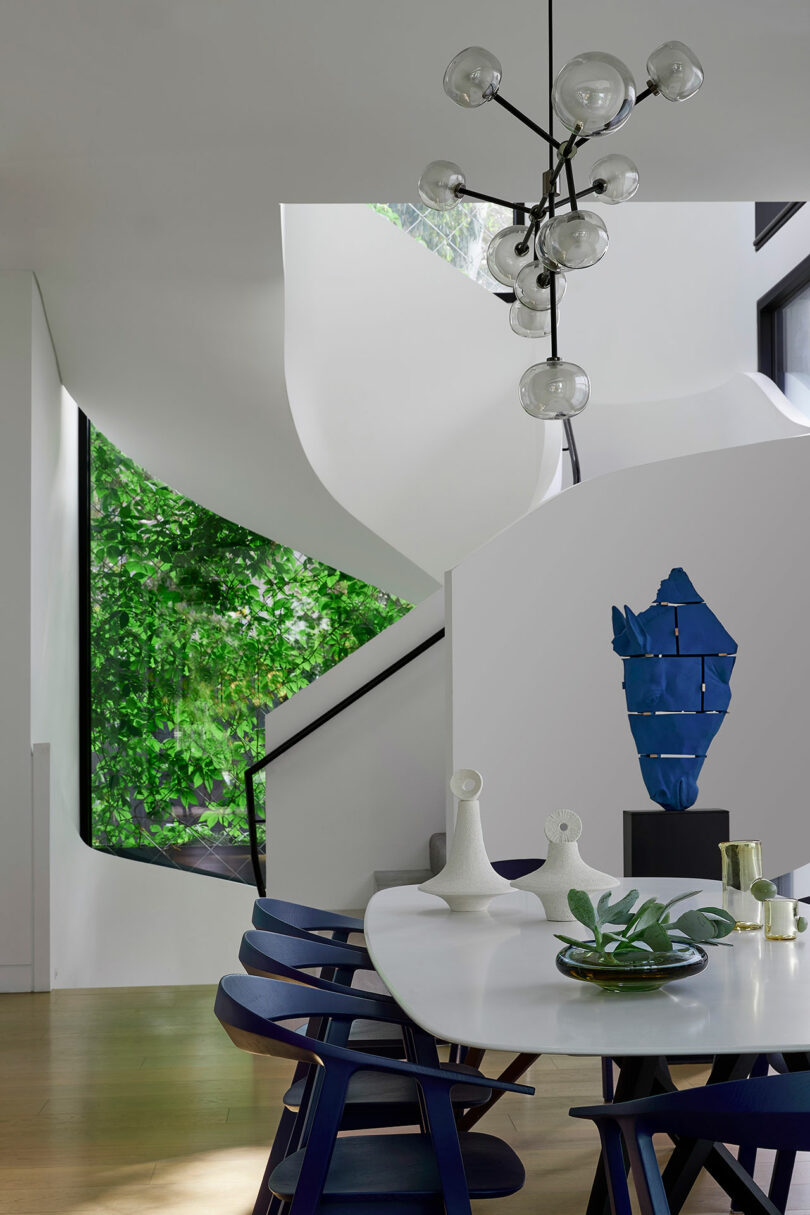
Move into the contemporary wing and the mood shifts. Oceanic blues appear in lacquered joinery, deepened by velvet furnishings and punctuated with pink, burgundy, and bronze accents. Color functions as much more than decorative flourish linking artwork, materiality, and mood across space. Restraint offsets rooms with heavy ornamentation. New, contemporary zones celebrate saturation. And bold choices are anchored to materials and art rather than aesthetics and trends.
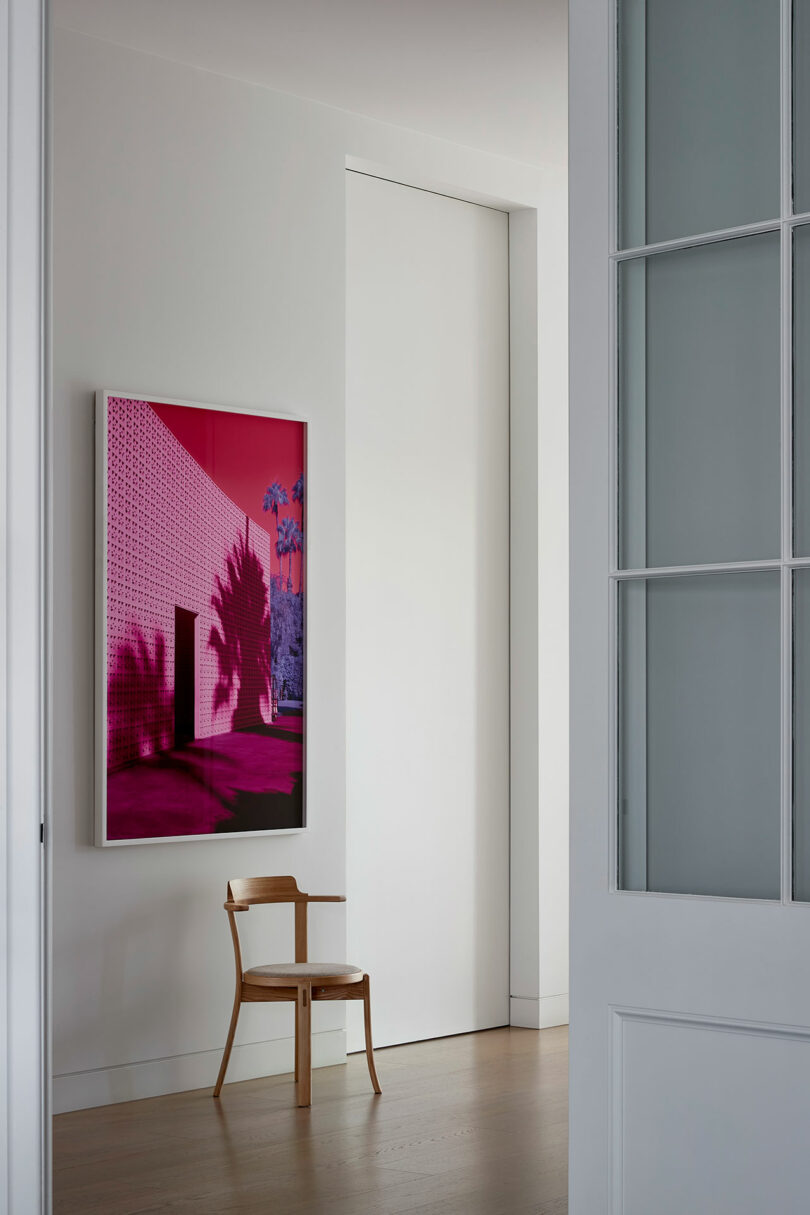
Each room, Lim says, has its own personality. Together, they form a cohesive narrative rather than a matching set.
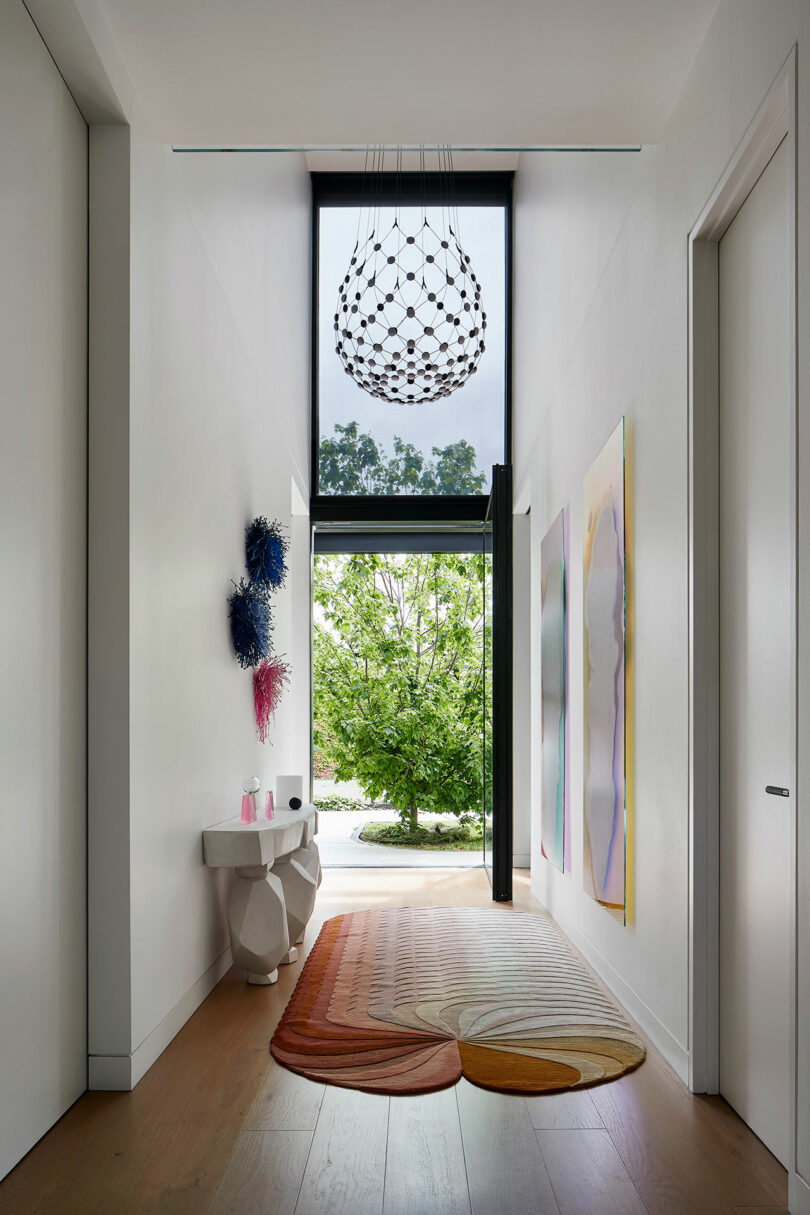
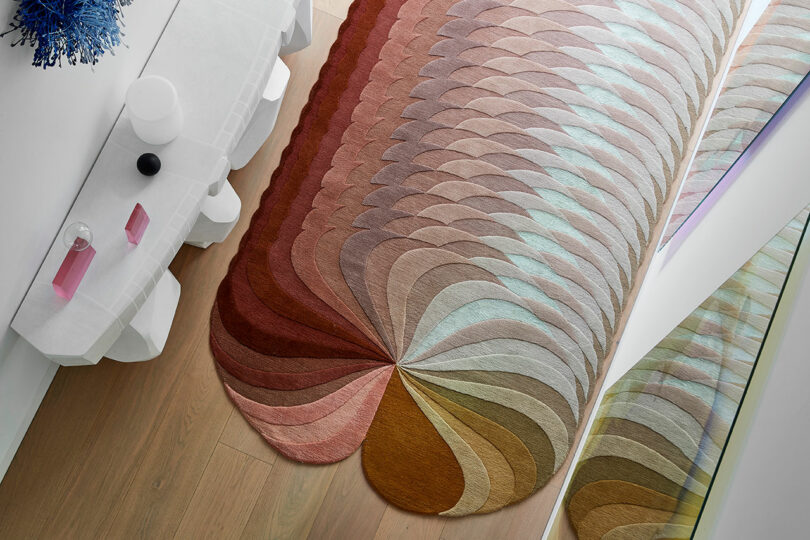
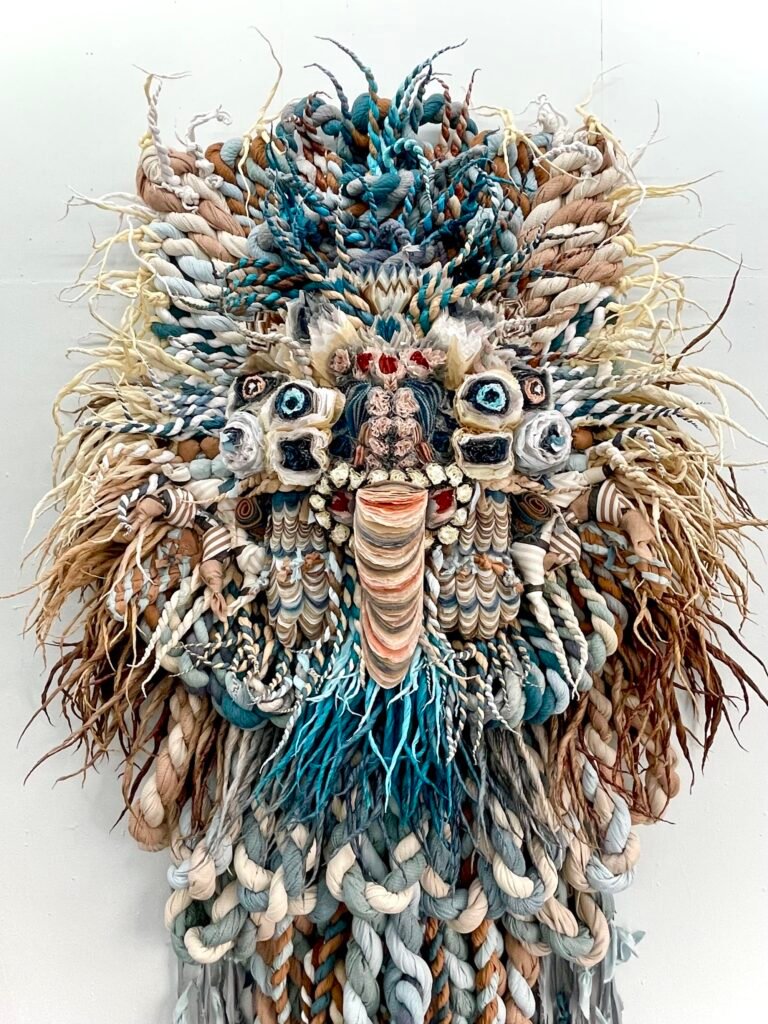
Artworks were sourced across Australia and internationally, including a large-scale textile commission from Mexican studio Caralarga. Custom lighting, hand-built ceramic totems, and bespoke furniture from local makers reinforce a sense of collaboration.
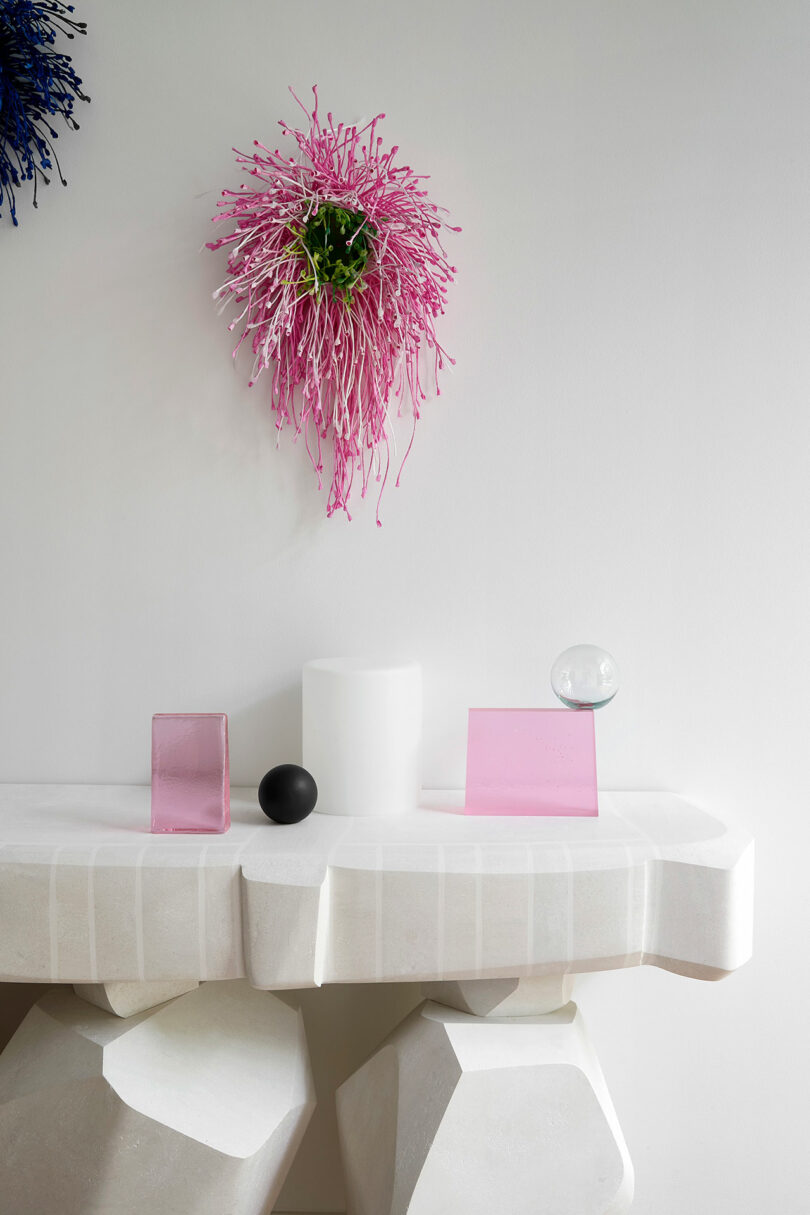
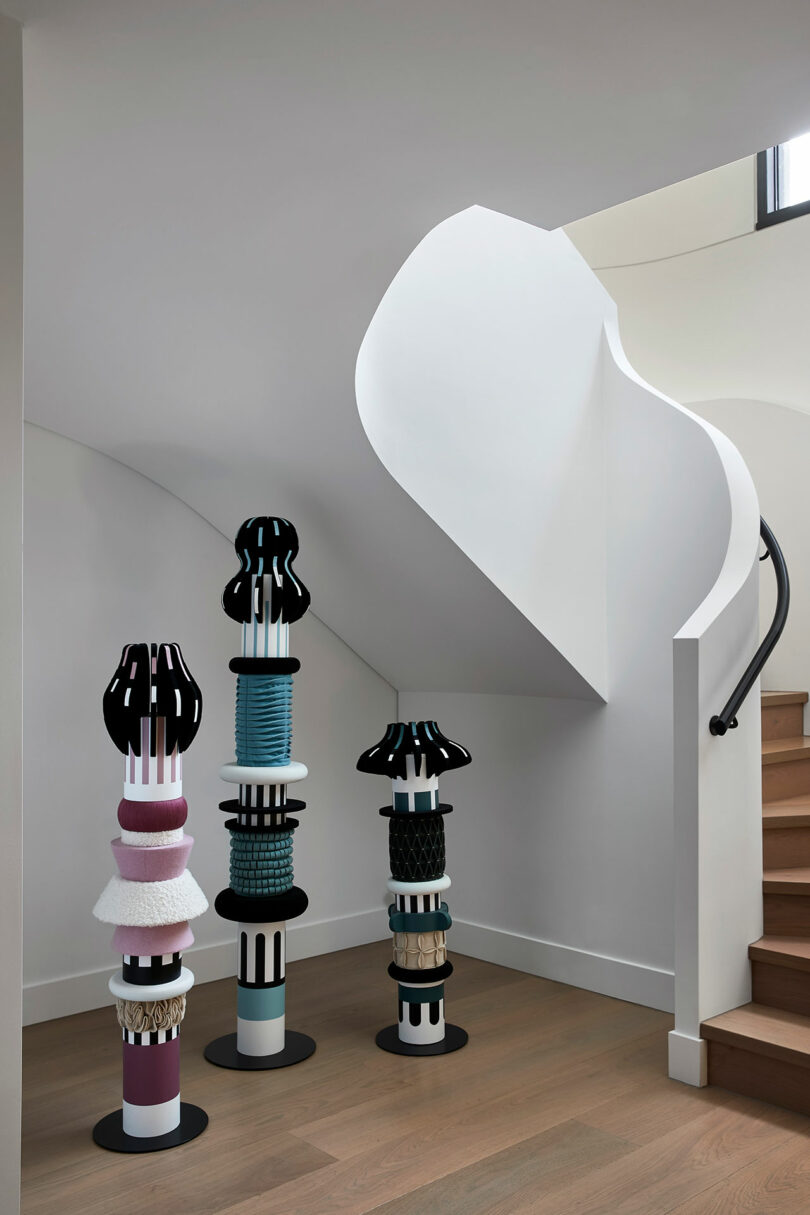
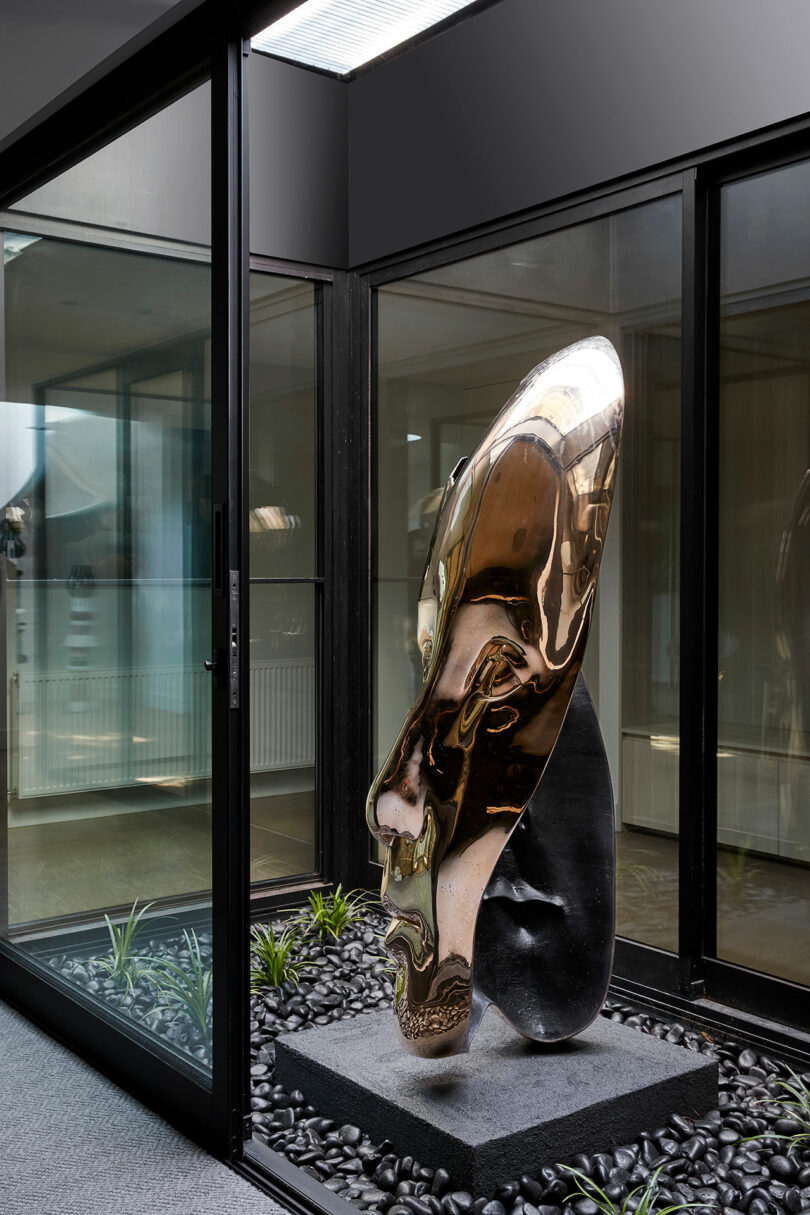
One of the project’s most dramatic moments lies below ground: a 100-kilogram bronze sculpture craned into the basement courtyard, now serving as a focal point in the light-filled inner garden. It is a literal example of commitment to creative vision—in this case, modernization required structural choreography.
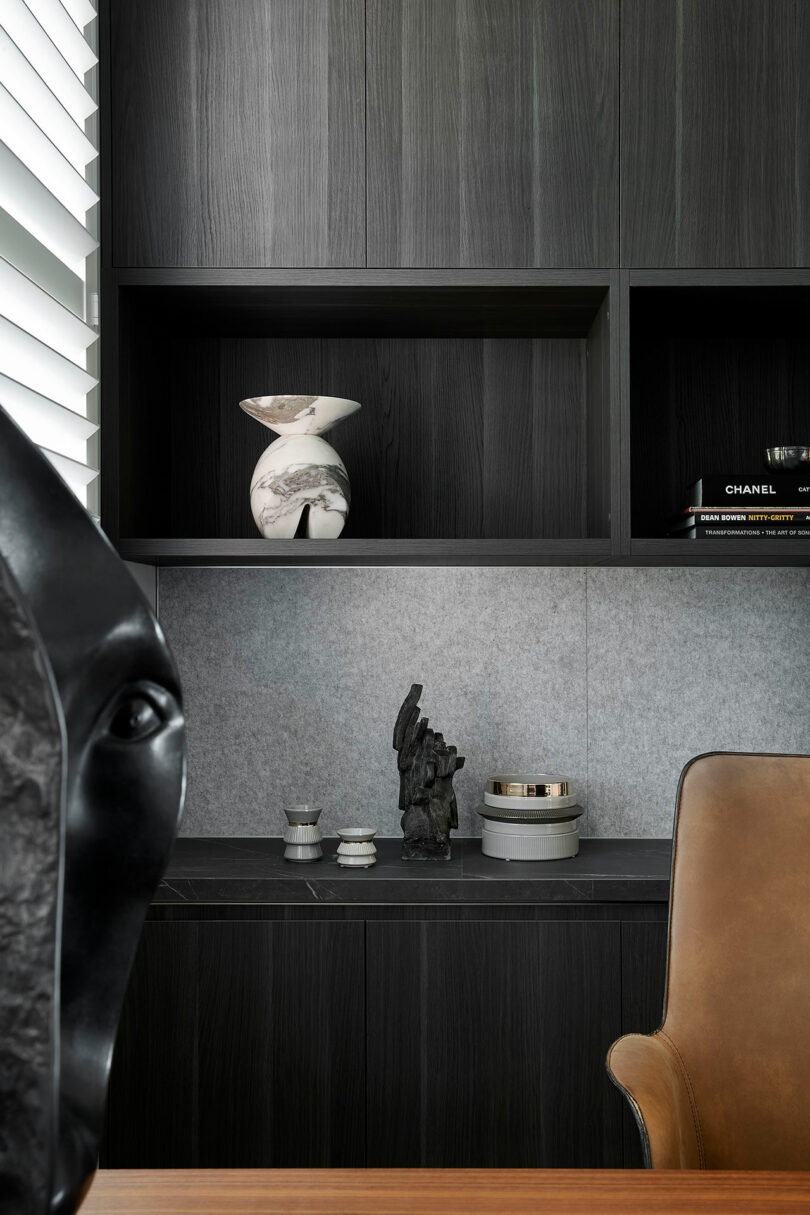
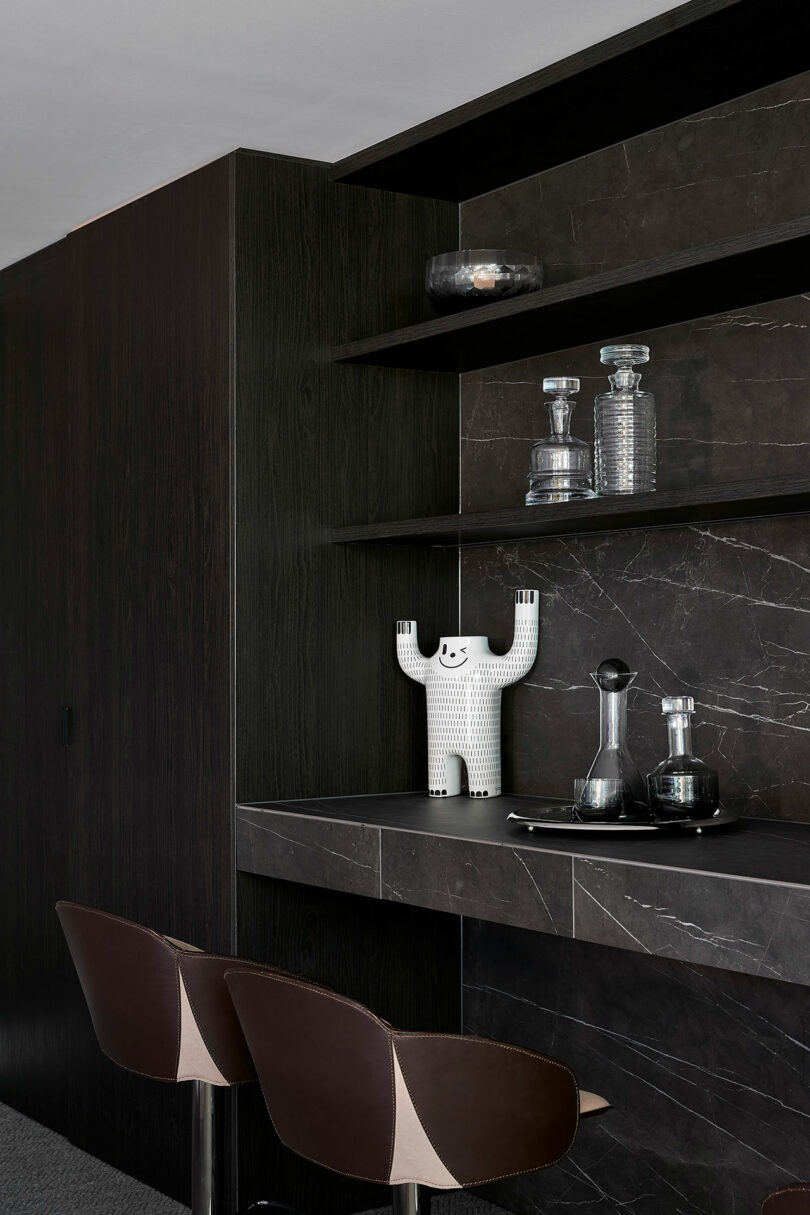
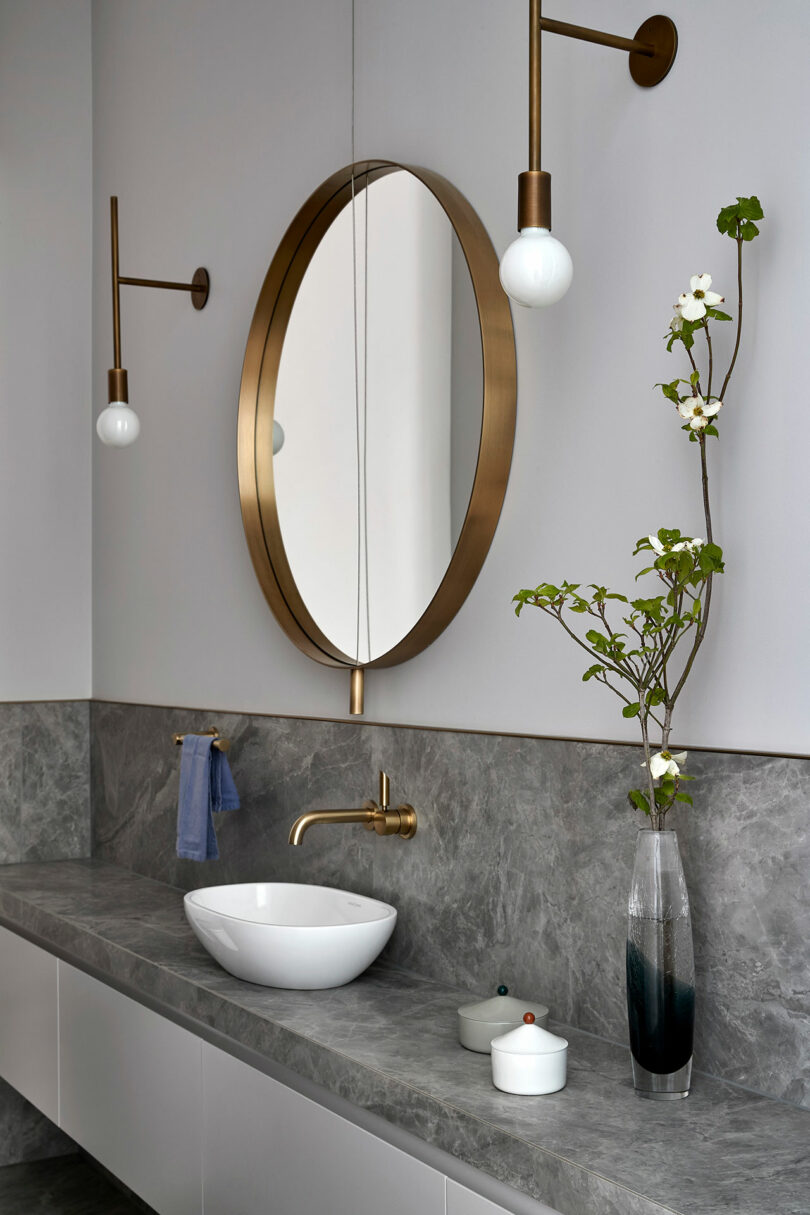
But the grandeur of Federation architecture can easily tip into stiffness. The antidote here is texture. Dolomite and pink marble introduce luminous solidity. Cast bronze and brass accents add weight and patina. Light timber and lacquered joinery soften transitions. Velvets, linens, leather, quilted fabrics, and hand-woven tapestries bring tactility and soul. These choices modulate scale. High ceilings demand pieces with presence like large-scale artworks, sculptural furniture, and custom lighting. The architecture allows it, nay, encourages it.
Heritage homes often intimidate owners into preservation without participation. Here, history provides scale and structure; contemporary art and color provide vitality. If there is a defining idea behind the project—aptly titled Kaleidoscope—it is that the contemporary home functions as a curated, living gallery when designed well. Yet nothing is treated as untouchable. This is a full-time home, designed to be used and lived in—sculptural furniture included.
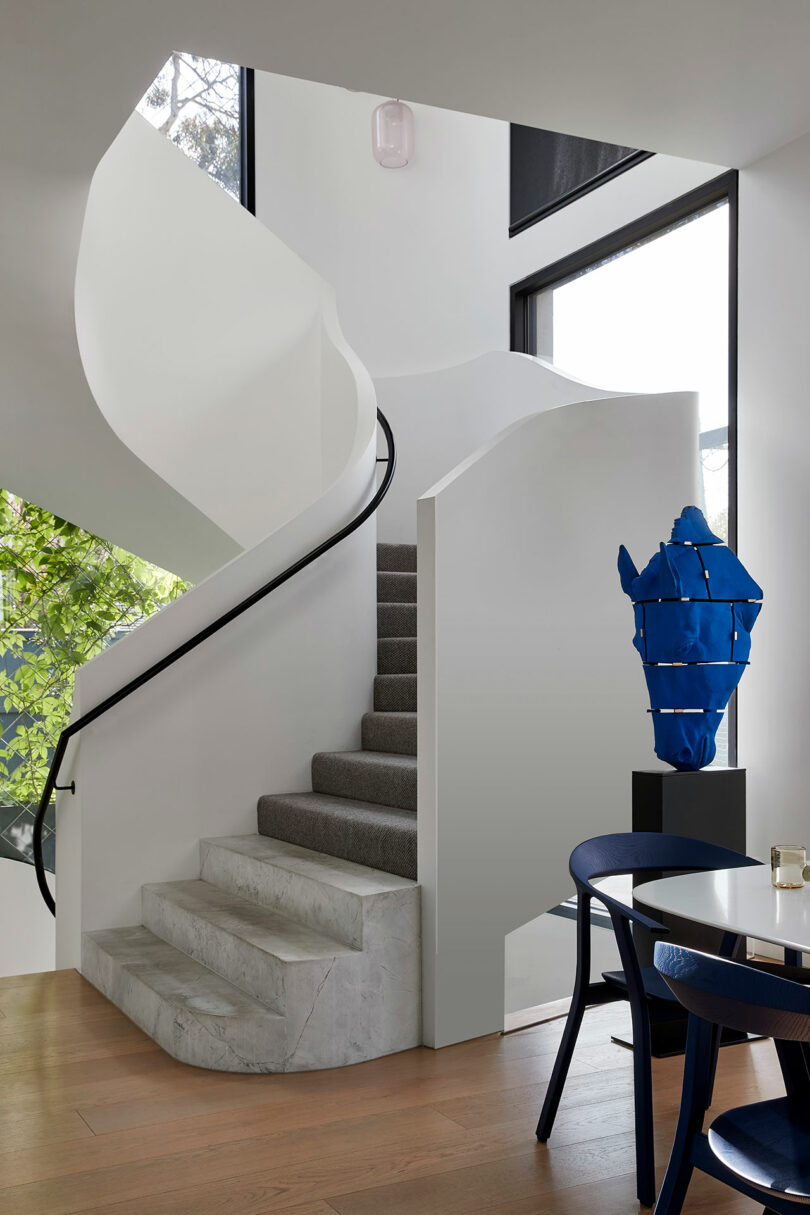
In the end, this 1912 Federation home does not feel frozen in time. Nor does it feel stripped of its past. Instead, it stands as proof that heritage architecture can hold contemporary energy—so long as the intervention is thoughtful, personal, and unafraid of color.
To learn more about the collaborators behind the project, visit sweedesign.com.au and ongcontracting.com.au.
Photography by Shannon McGrath.