A new 3D-printed construction technique turns corn into a novel building material.
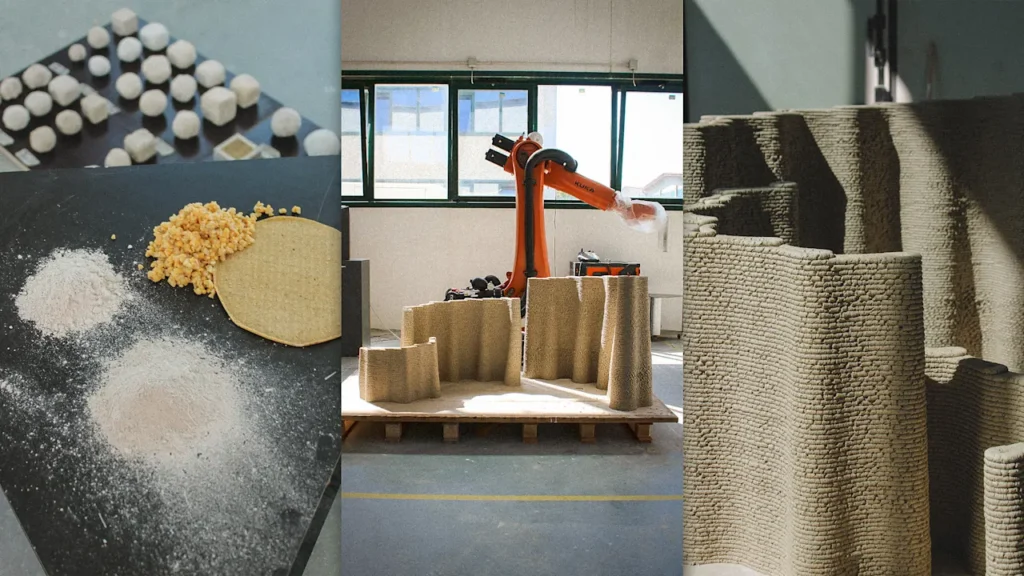
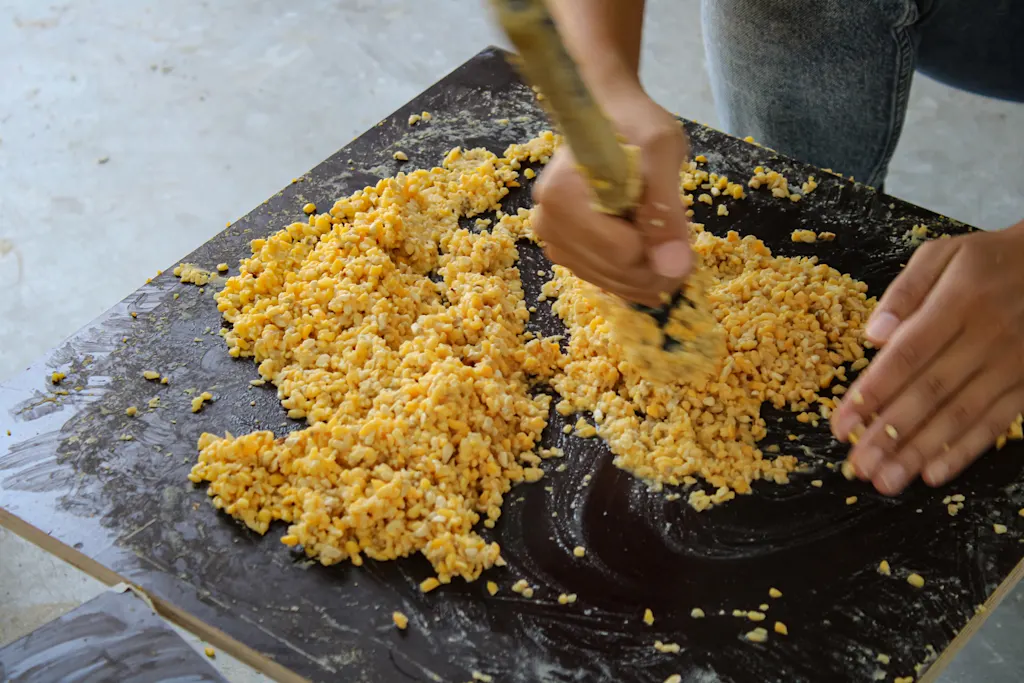
Corncretl is a biocomposite made from corn waste known as nejayote that’s rich in calcium. It’s dried, pulverized, and mixed with minerals, and the resulting material is applied using a 3D printer.
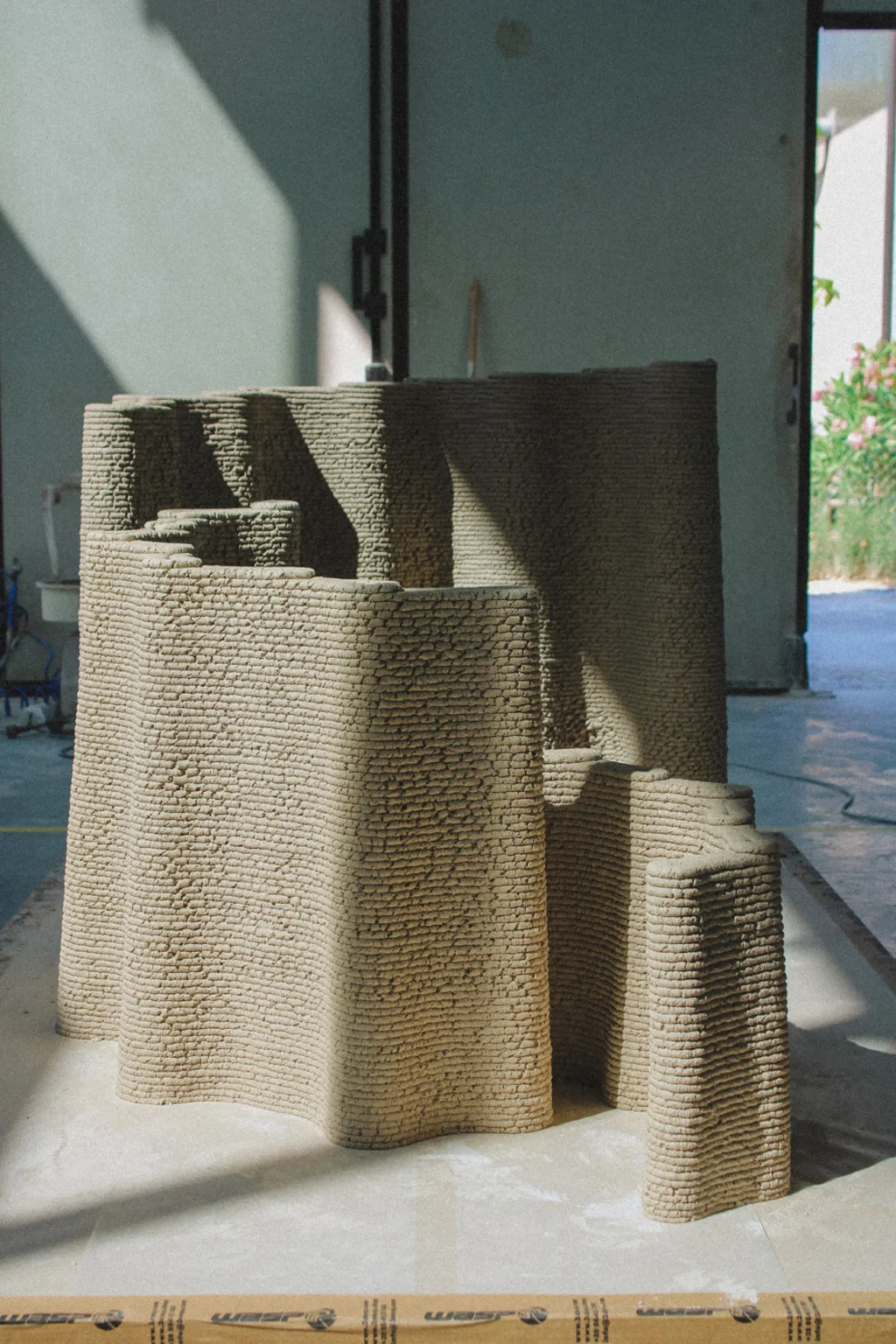
This corn-based construction material was made by Manufactura, a Mexican sustainable materials company, and it imagines a second life for waste from the most widely produced grain in the world. The project started as an invitation by chef Jorge Armando, the founder of catering brand Taco Kween Berlin, to find ways he could reintegrate waste generated by his taqueria into architecture. A team led by designer Dinorah Schulte created corncretl during a residency last year in Massa Lombarda, Italy.
“The material combines recycled nejayote derivatives with limestone and Carrara marble powder, connecting pre-Hispanic construction knowledge from Mexico with material traditions from northern Italy,” Schulte tells Fast Company.
Growing momentum for clean cement alternatives
Many sustainable materials studios are researching concrete alternatives. And while corncretl is just in the prototyping stage, food waste has been tested as a potential building material more broadly.
Researchers at the University of Tokyo made a construction material it said was harder than cement in 2022 out of raw materials like coffee grounds, powered fruit and vegetable waste, and seaweed. Last year, researchers at the Royal Melbourne Institute of Technology developed a rammed earth material encased in cardboard, which eliminated the need for cement completely, and Manufactura experimented with building materials made from coffee too.
Designers have turned to 3D printers to build everything from train shelters to houses, and developing alternative materials to print with could lead to cheaper, more durable, and more sustainable construction methods.
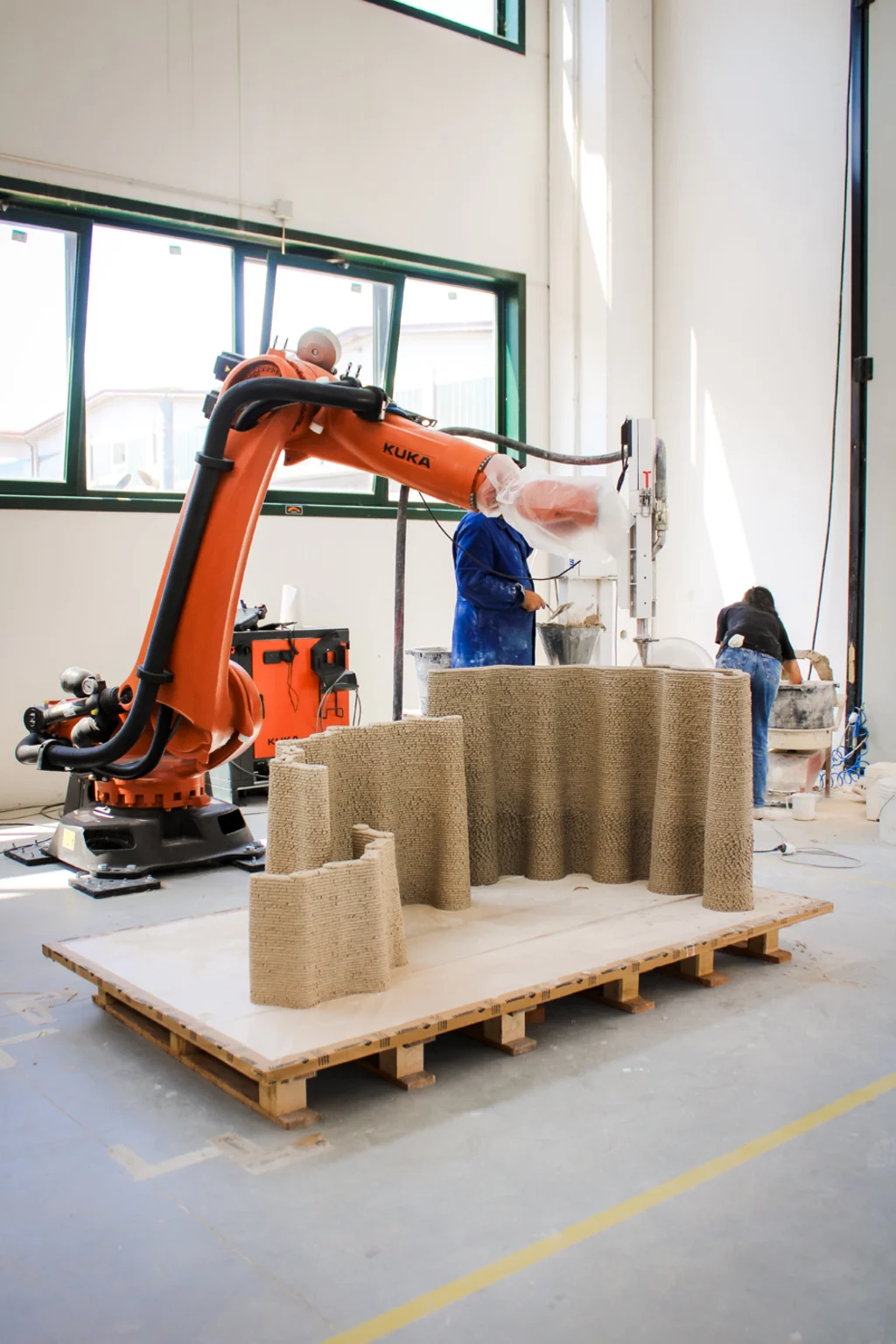
After Schulte’s team developed corncretl, they then moved to practical application, prototyping three panels for modular construction using a Kuka robotic arm.
“The project employs an internal infill structure that allows the 3D-printed wall to be self-supporting, eliminating the need for external scaffolding during fabrication,” Schulte says, and the geometry of the system was inspired by terrazzo patterns found in the Roman Empire, particularly Rimini, Italy, where the team visited.
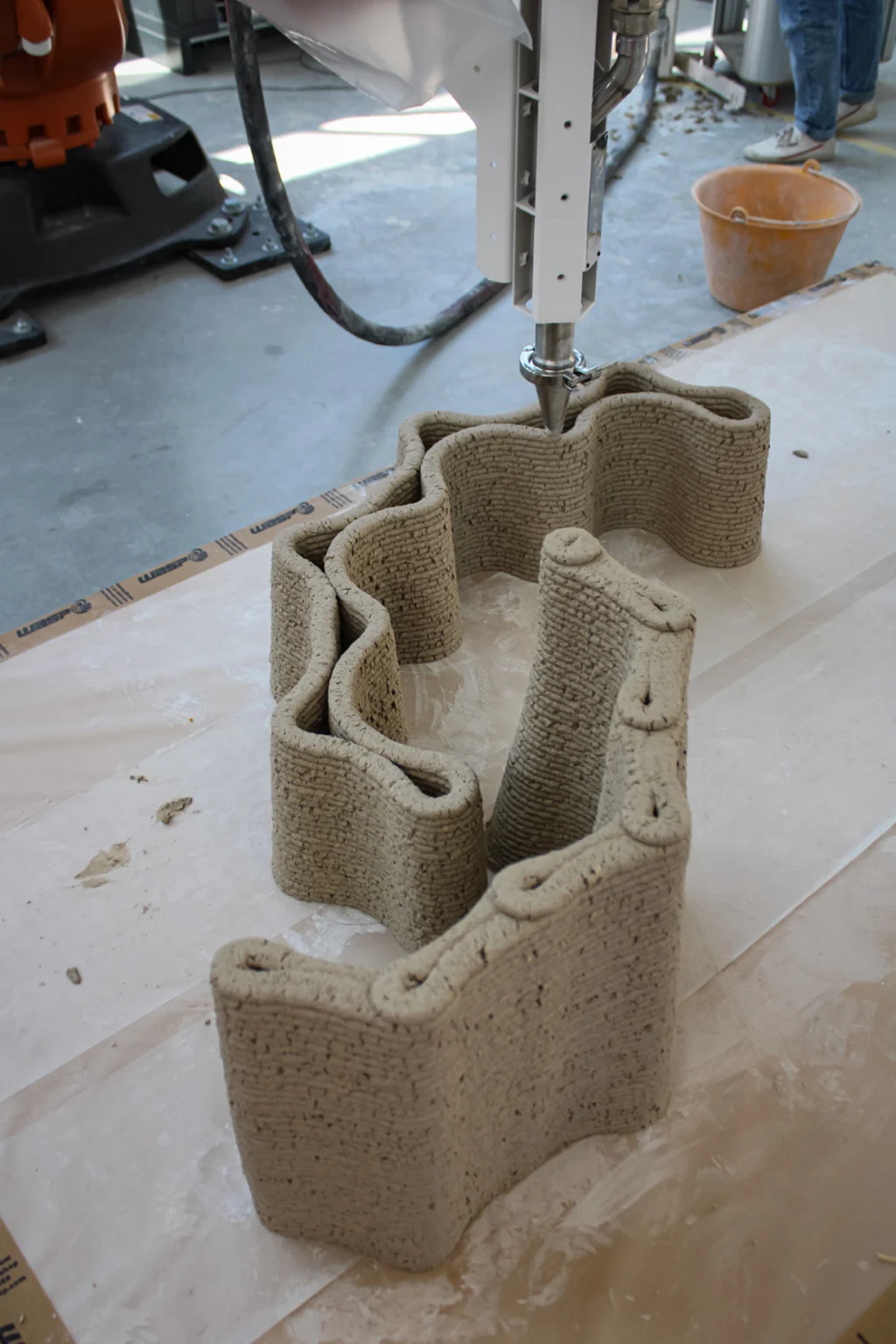
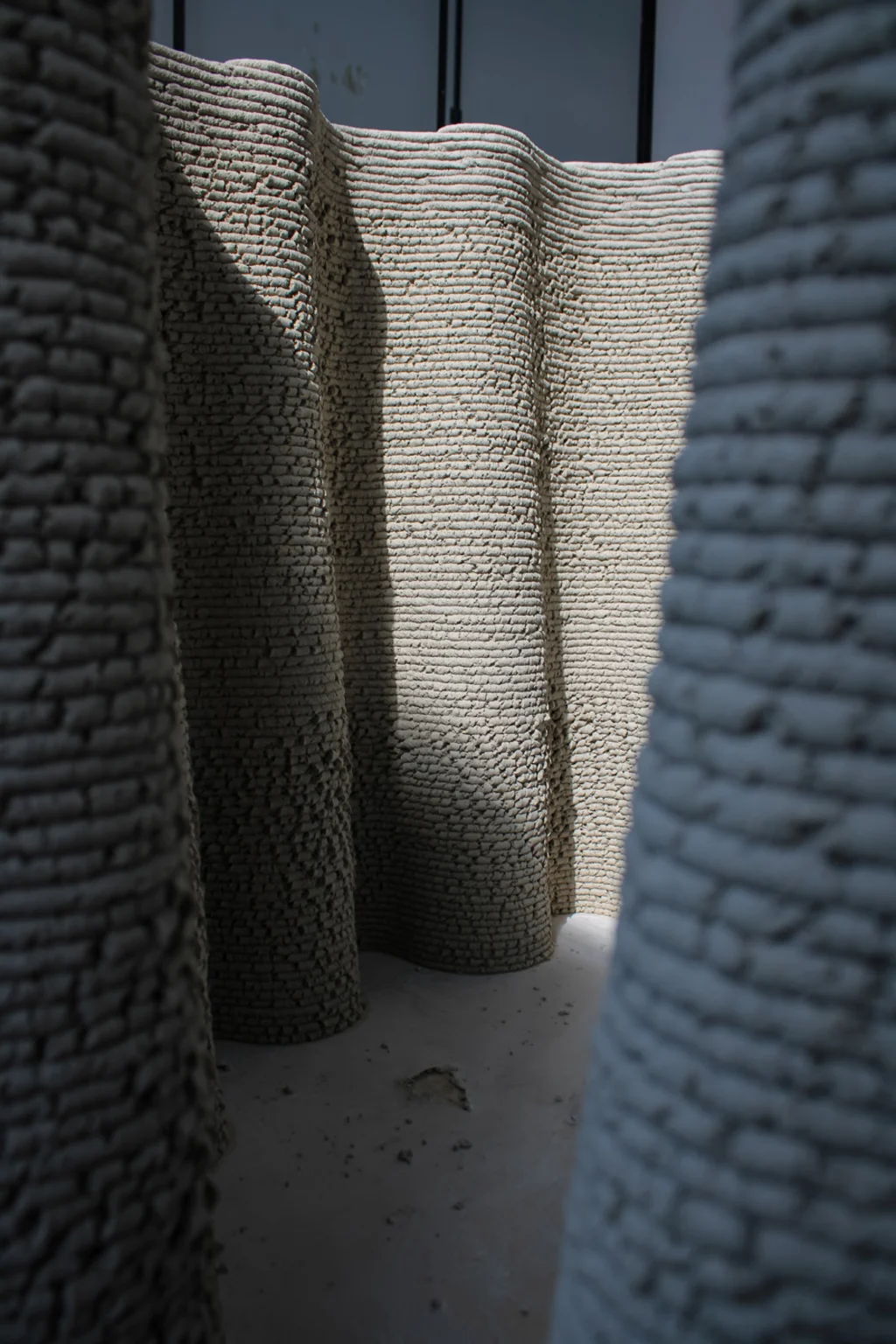
“During a visit to the city museum, we were struck by the expressive curved terrazzo motifs, which became a starting point for translating historical geometries into a contemporary, computationally designed 3D-printed wall, culturally rooted yet forward-looking,” she says.
Corn, or maize, is native to Mexico, and the country produces 27 million metric tons of it annually, according to the Wilson Center, a think tank. Finding an alternative use for nejayote, then, could then turn a waste stream from a popular food into the basis for building physical structures.
If the byproduct from cooking tortillas proves to be one such source, taquerias could one day find themselves in the restaurant and construction businesses.