After growing nearly eightfold between 2019 and 2023, demand for battery-electric vehicles flattened out last year, then took a dive off a cliff after federal tax credits phased out at the end of September. That’s sent an array of automakers scrambling to rethink their EV programs and, by Autoblog’s count, at least 18 brands have now decided to drop existing models, scrap upcoming plans or, at the least, stretch their launches out, hoping to see demand rebound.
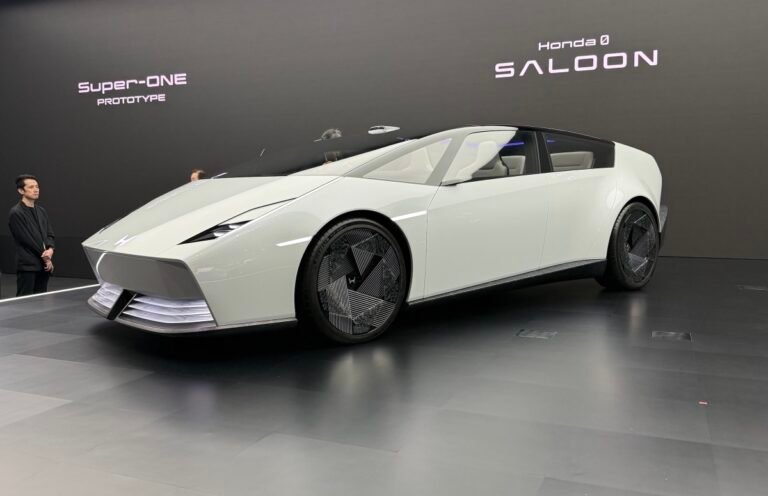
Honda became the latest to join the exodus on Thursday, CEO Toshihiro Mibe telling reporters in Tokyo that the automaker needed to ‘stop the bleeding,” as it prepared to report losses that could reach more than $15 billion for the fiscal year. While it will move ahead with the launch of the new 0 Series Saloon and SUV models in some parts of the world, they now won’t come to the U.S., nor will the Acura RSX.
Who else is on the list? Here’s the latest list we could pull together…but don’t be surprised if some other brands join the club in the near future.
Acura
Acura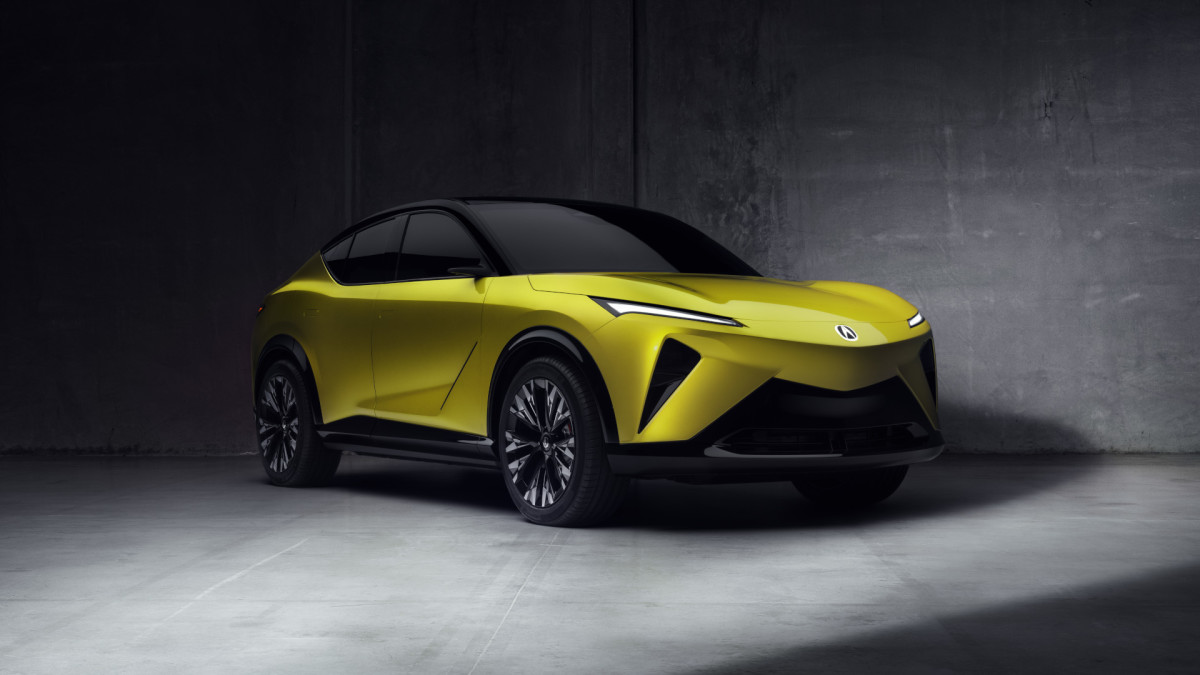
Honda Motor Co.’s upscale marque didn’t have much luck with its first all-electric model, the ZDX, announcing an end to production even before federal tax credits expired last September. Now, the brand is walking away entirely from the EV segment, scrapping plans to add the new Acura RSX which was to be built at the Honda EV Hub in Ohio.
Chevrolet
General Motors
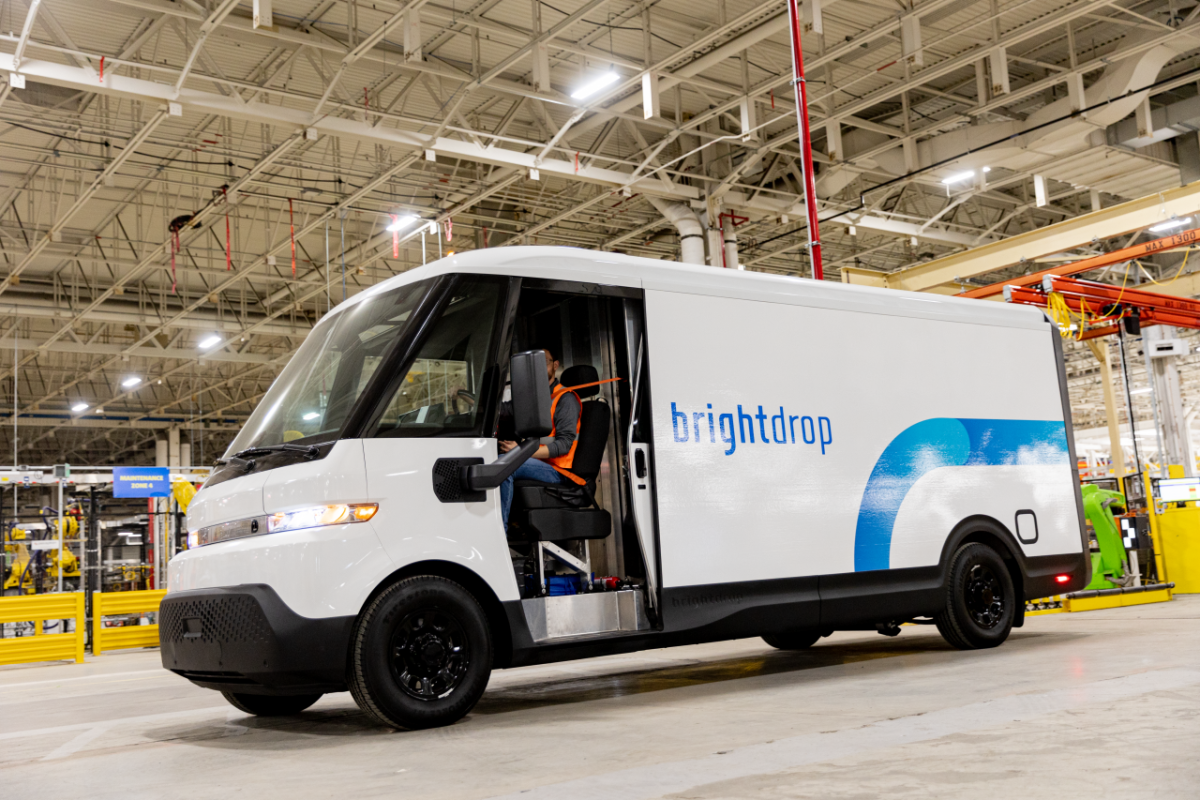
Of all manufacturers, General Motors has actually done better than most in the U.S. with an assortment of mainstream and upscale EVs. Still, it abandoned the once-promising BrightDrop commercial vehicle division, rolling it into Chevy. Now, however, the BrightDrop electric vans are being dropped. As for the reborn Chevrolet Bolt, the bowtie brand says it will only be kept in production for 18 months.
Related: How Chevrolet Built America’s Cheapest EV Without Cutting Corners
Dodge
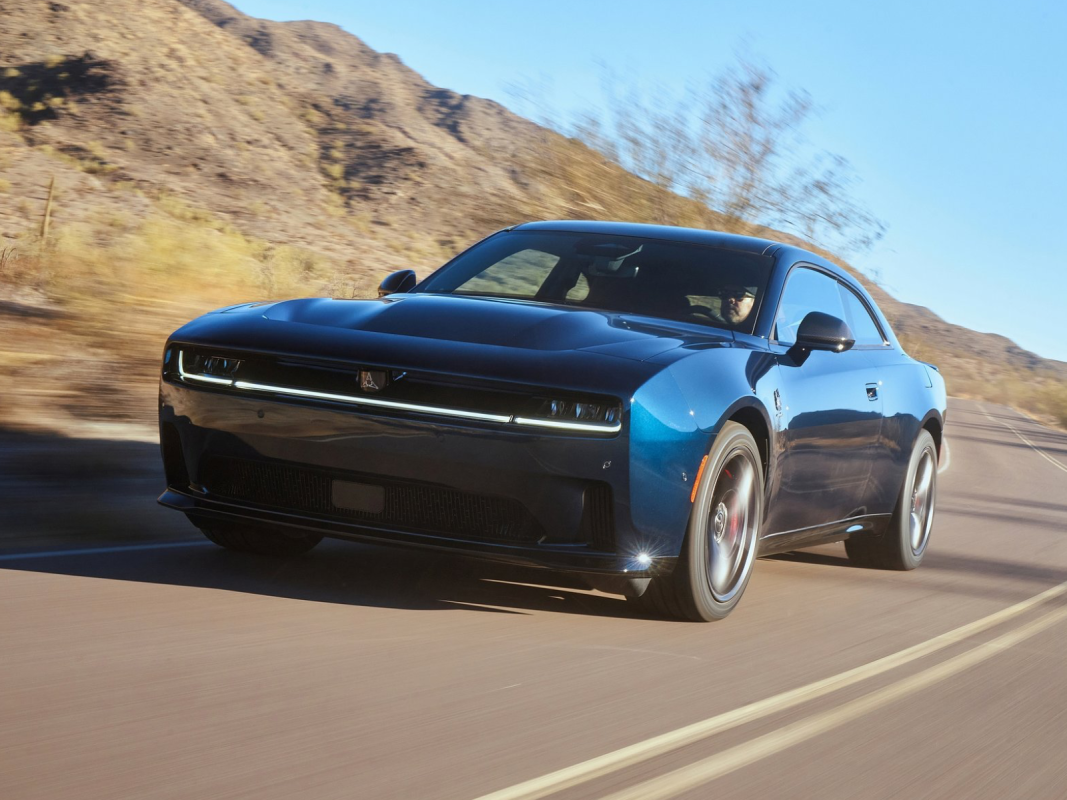
The Stellantis muscle car division shocked the market when it said it would replace its Charger and Challenger nameplates with a single, all-electric package, the Charger Daytona. Dodge quietly revised plans, developing new gas packages, Charger sans “Daytona.” With sales lagging, the base all-electric R/T package is delayed and the ultra-high-performance Daytona Banshee has apparently been abandoned.
Ford
David Paul Morris/Bloomberg via Getty Images
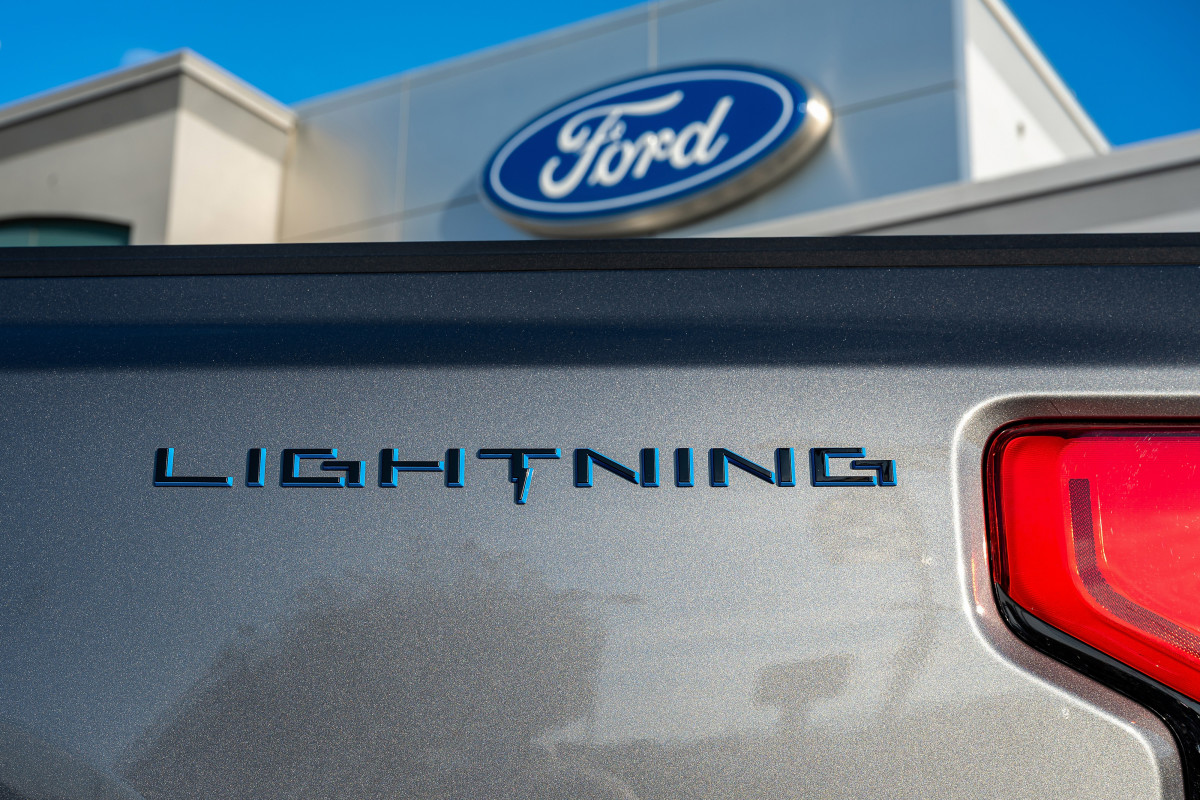
Few automakers have done a more costly about-face, Ford writing off nearly $20 billion as converted what was to be a massive EV manufacturing complex near Memphis into a conventional truck plant. It’s scrapped plans for a 3-row SUV, ended production of the F-150 Lightning in December and instead of another EV, it’ll be replaced by a range-extender package. Still, Ford is moving ahead with its Universal EV program set to debut with an “affordable,” Maverick-sized pickup in 2027.
Genesis
Genesis
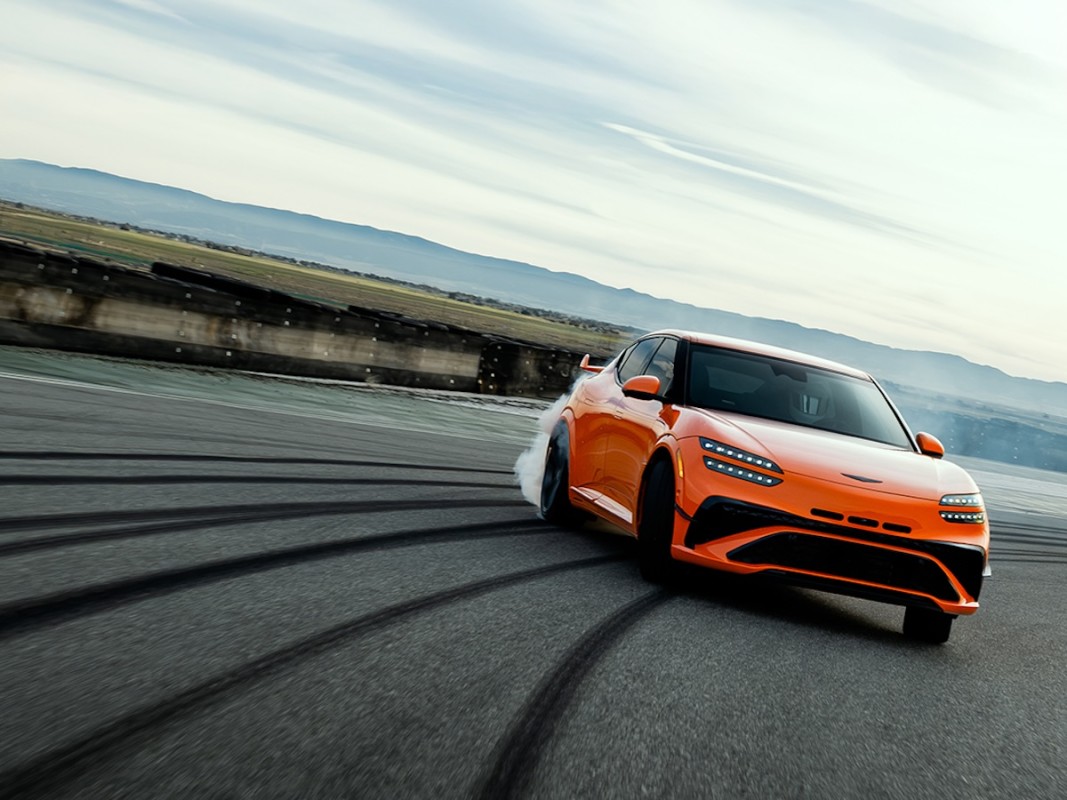
Hyundai’s luxury brand is a mixed bag and appears to be taking the pulse of the market before making hard decisions. It’s discontinued the Electrified GV80 – but says it could come back. The smaller GV60 remains in the line-up and actually will offer a new variant later this year when Genesis puts it first high-performance package into production, the all-electric GV60 Magma.
Honda
Honda
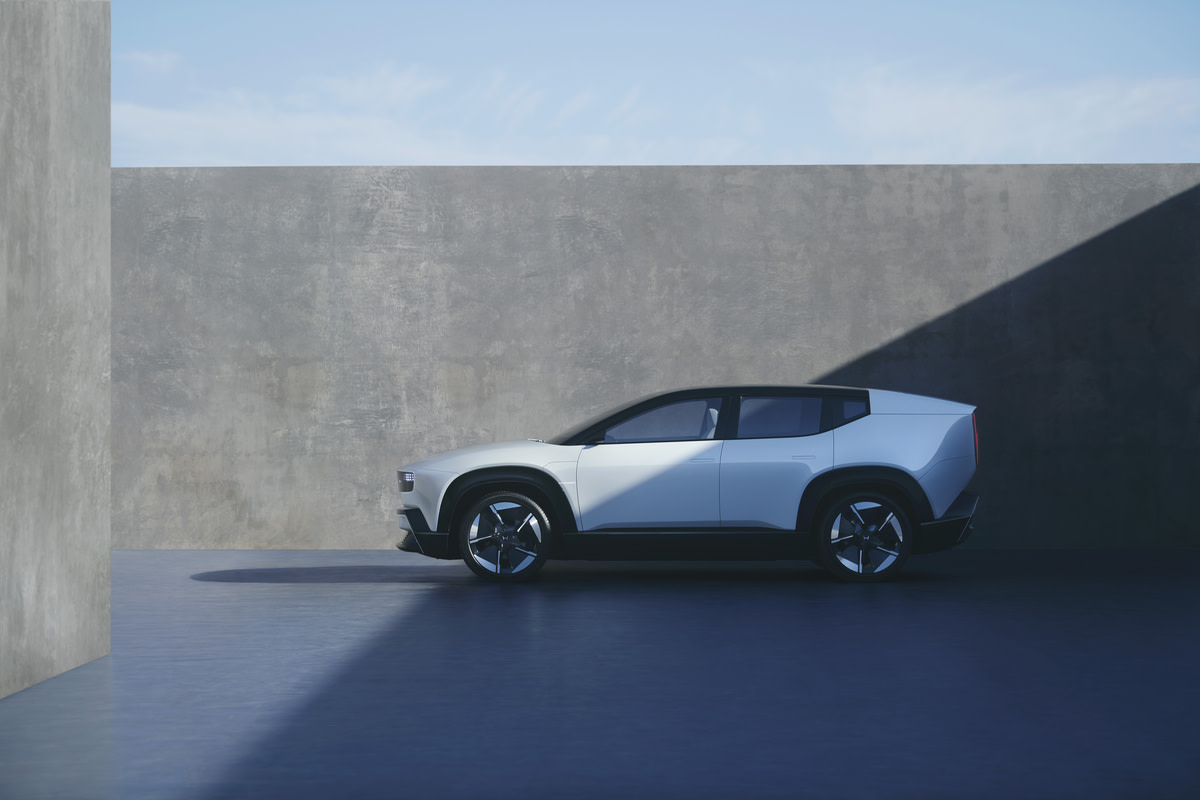
One of the pioneers of electrification, Honda is a true believer when it comes to hybrids, but it’s rapidly backing away from what seemed a promising commitment to EVs. Beyond culling the Acura ZDX and RSX the mainstream Honda brand scrapped plans to introduce the new 0 Series Saloon and SUV models in the U.S. market. Whether it will retain the Prologue is uncertain considering year-over-year demand fell 86% during the final quarter of 2025.
Hyundai
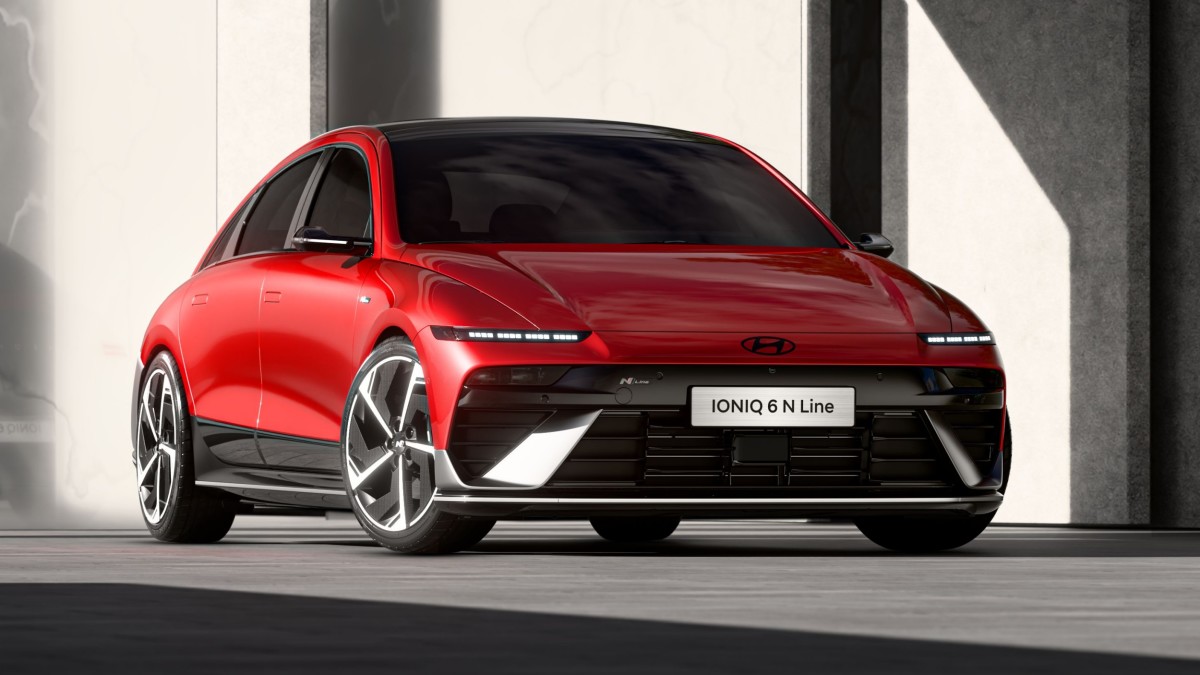
The Korean carmaker has promised to invest billions into its own electrification program. But it’s now in retreat, at least when it comes to the U.S. market. It’s dropping the Kona Electric, its first long-range EV, and the Ioniq 6 sedan – except for a limited number of high-performance 6 N variants. Hyundai also won’t be bringing over some other EVs, like the little Inster. But it’s keeping Ioniq 5 and Ioniq 9 in the line-up.
Infiniti
Nissan
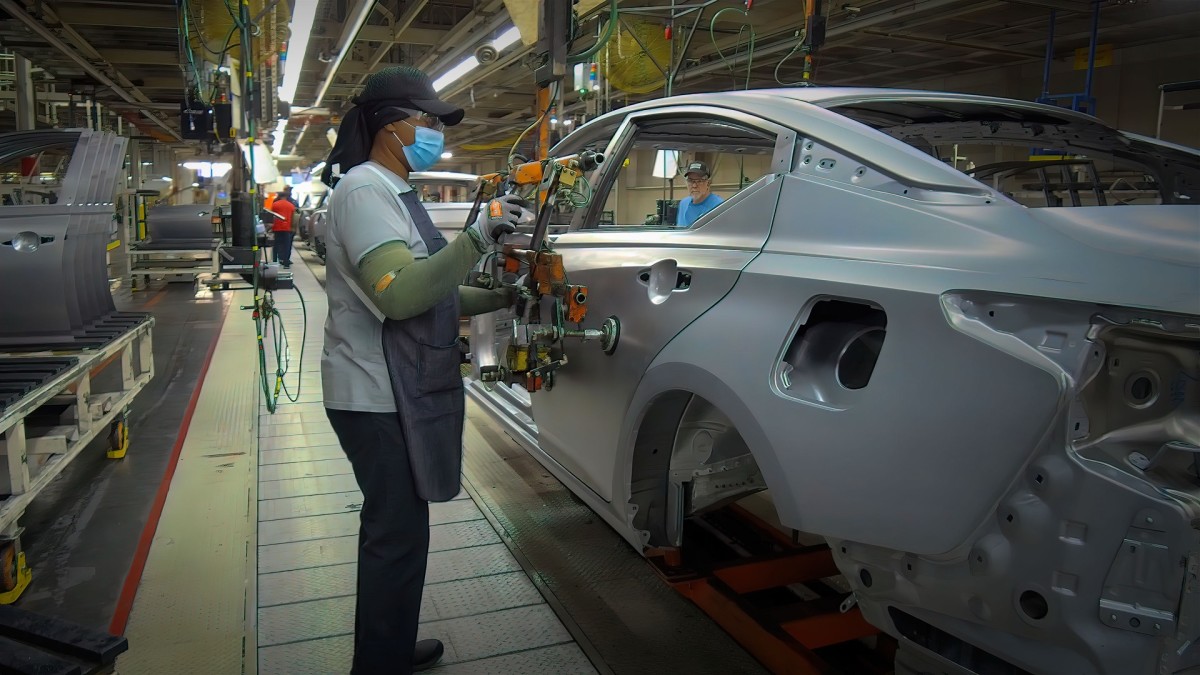
Parent Nissan Motor Corp. may have been an early proponent of EVs, but it has repeatedly delayed plans to add an all-electric model to the upscale Infiniti brand. Yet, again. An all-electric sedan codenamed LZ1F and a crossover codenamed PZ1J have been cancelled. Both were set for production at the Nissan plant in Canton, Mississippi
Kia
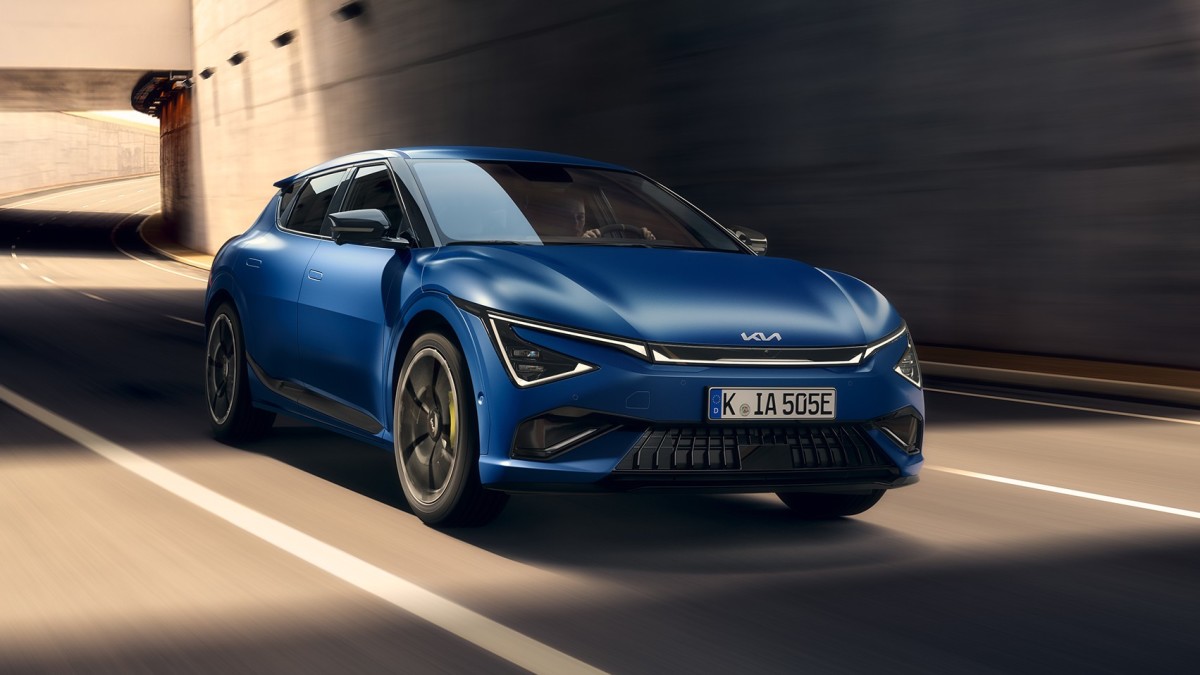
Hyundai sibling Kia has been another big proponent for electrification and is rolling out a number of new models in Kia, China, Europe and other parts of the world. The line-up is slimmer in the U.S., with the original EV6 and newer EV9. The high-performance EV6 GT has been indefinitely delayed. But Kia apparently still sees new opportunities in the affordable EV segment and will debut the production EV3 at this month’s New York Auto Show.
Lamborghini
Lamborghini
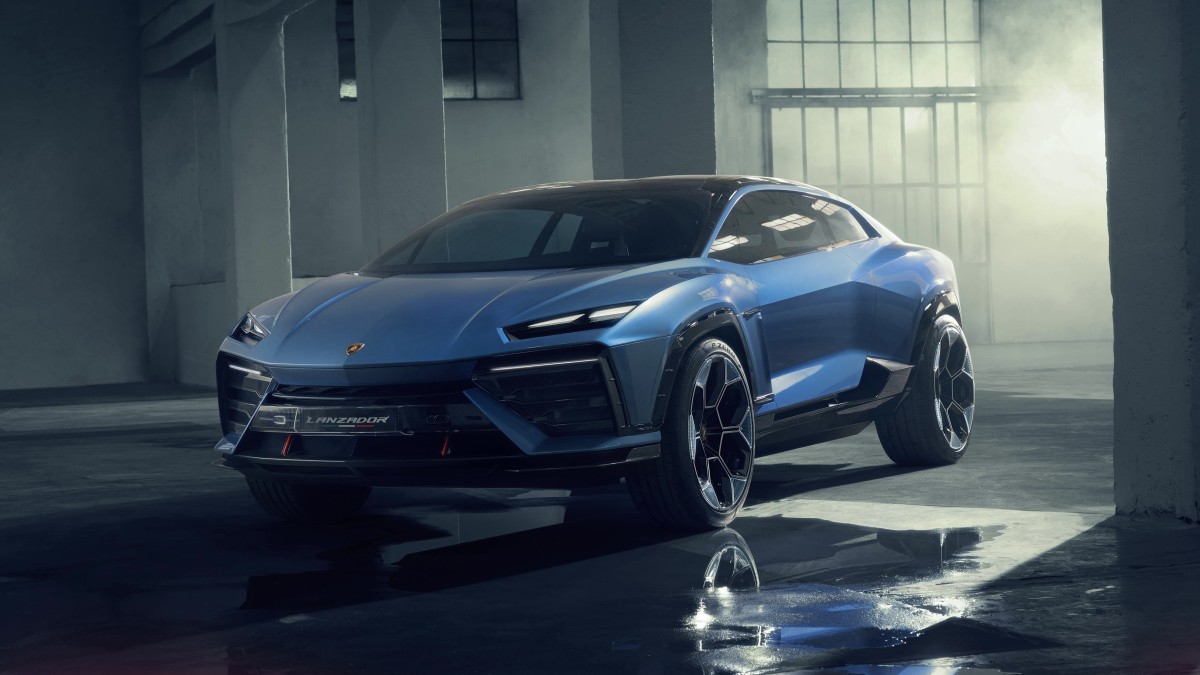
There’s a big debate among exotic brands, Ferrari still convinced there’s a market for high-performance EVs. Lamborghini is far more pessimistic, CEO Stephan Winkelmann telling the London Times they don’t deliver the necessary “emotional connection.” As a result, the Italian automaker has scrapped all-electric versions of the Lanzador and Urus.
Land Rover
SH Proshots/Autoblog
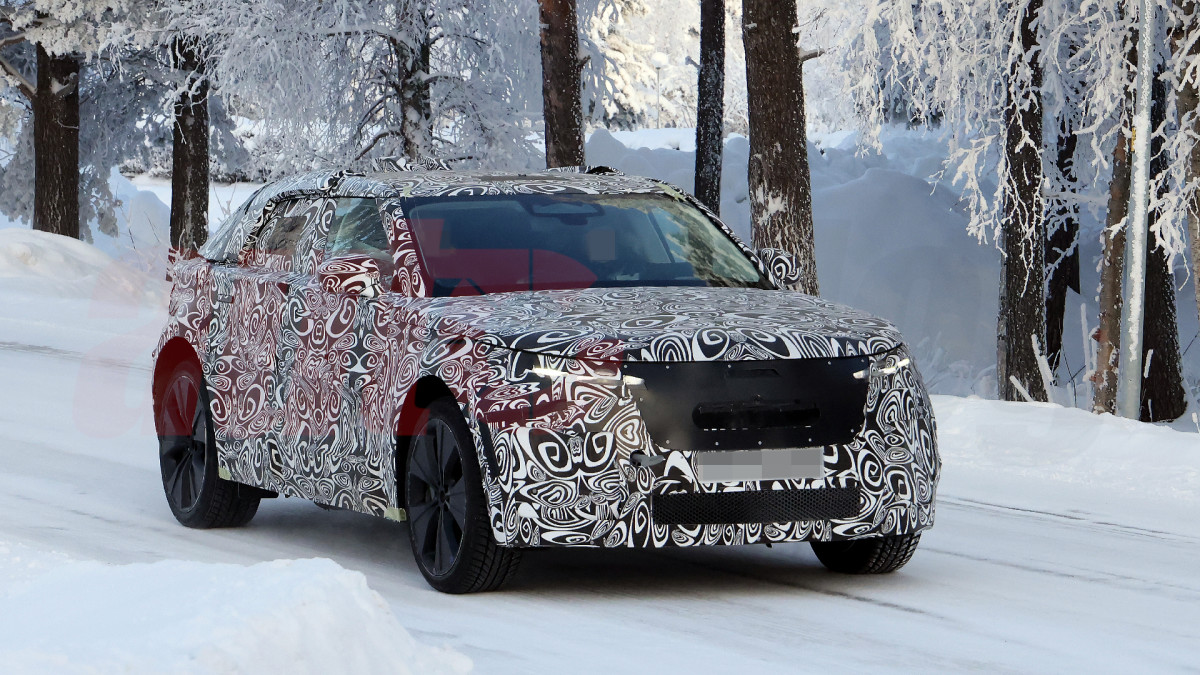
Britain’s Jaguar will be out of production for nearly a year, preparing to relaunch as an all-electric brand. It’s sibling marque, Land Rover, isn’t going quite so far but still is betting on battery power. It’s developing an assortment of EVs, based on its familiar Defender and Range Rover lines. That said, it delayed last year’s planned debut of the Range Rover EV, the exclusive SUV still on the boards for a launch in 2026.
Maserati
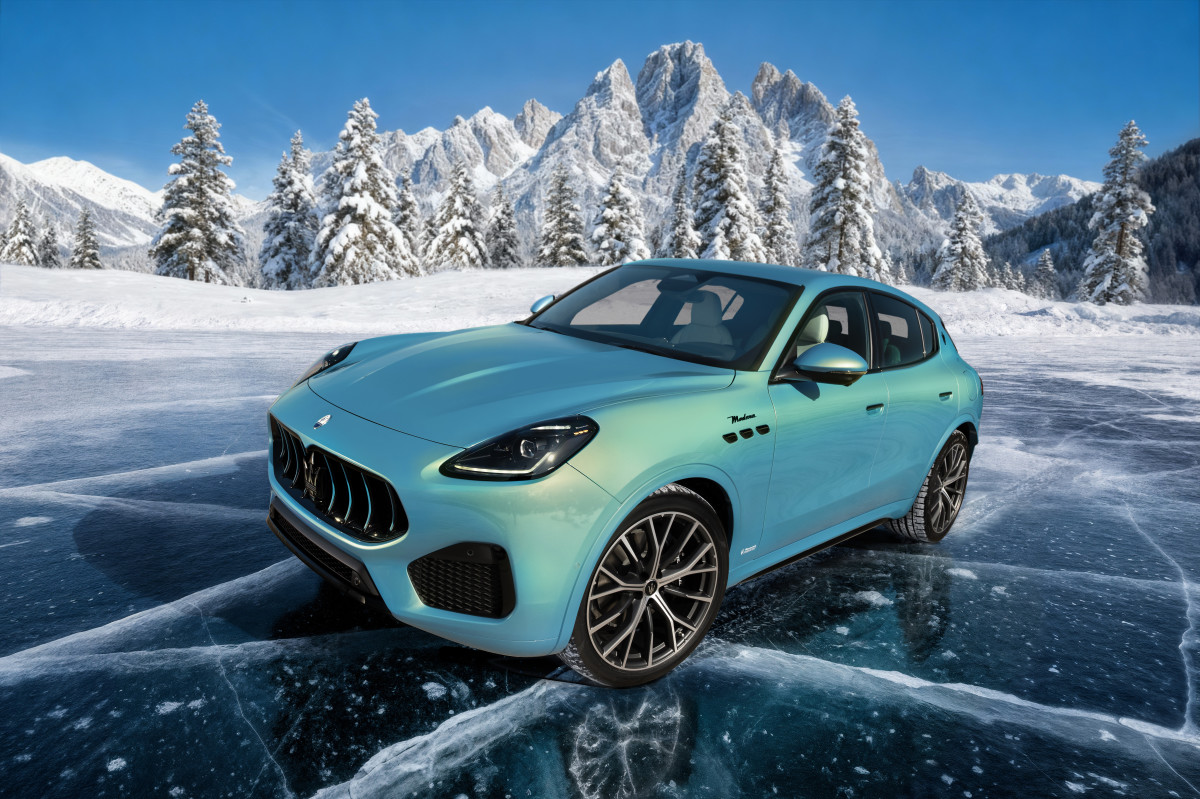
The top-line Stellantis brand will continue offering three EVs: the GranCabrio, GranTurismo and Grecale. But some question whether it might pair back that line-up if sales don’t improve. Weak demand is blamed for the decision to scrap a fourth all-electric model, the MC20 Folgore.
Nissan
Nissan
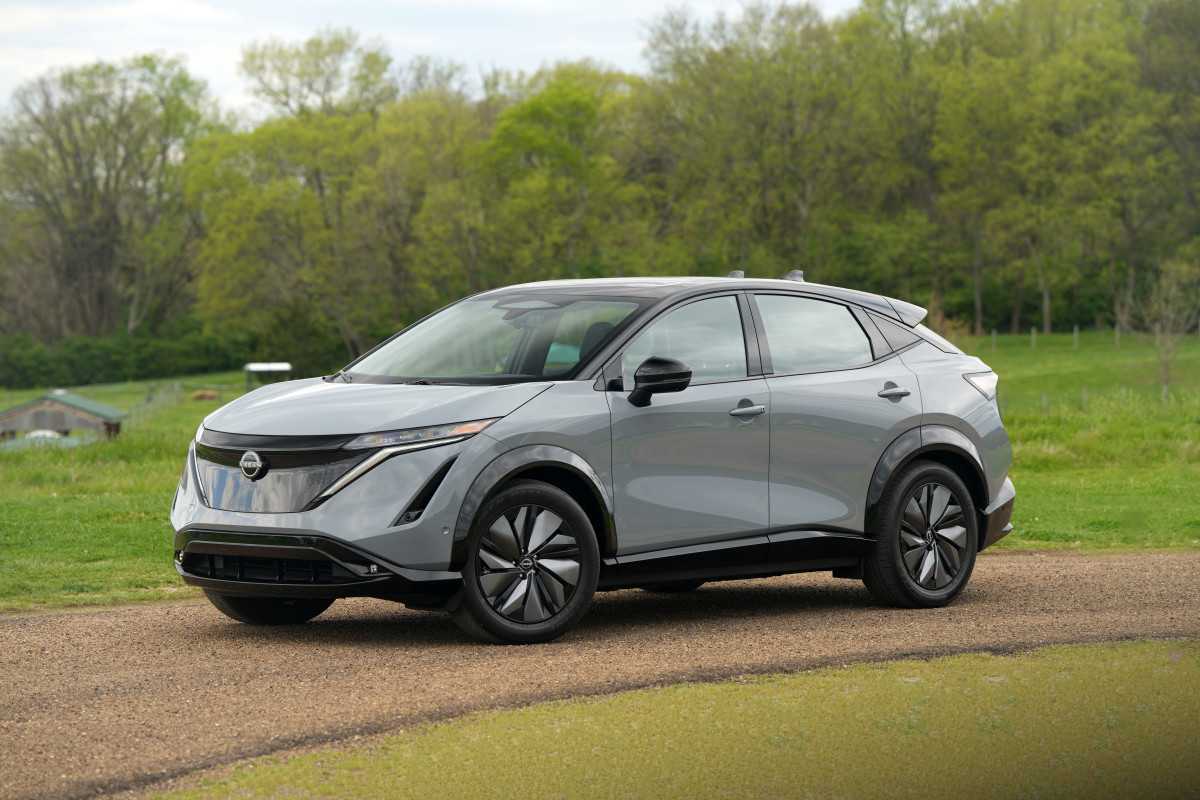
Japan’s second-largest automaker stole a march on competitors like Toyota by launching the world’s first mainstream EV, the Leaf, in 2011. But it was slow to catch up as competitors like GM, Tesla and VW brought out more modern alternatives. It finally introduced a third-generation Leaf last year but has put on indefinite hold the base S package. Meanwhile, Nissan pulled the bigger Ariya out of production for 2026 – though it could return next year. Also dead: a sedan and a CUV planned for production in the U.S.
Related: 2026 Nissan LEAF First Drive Review: A Major Leap Forward For The Iconic EV
Polestar
Polestar
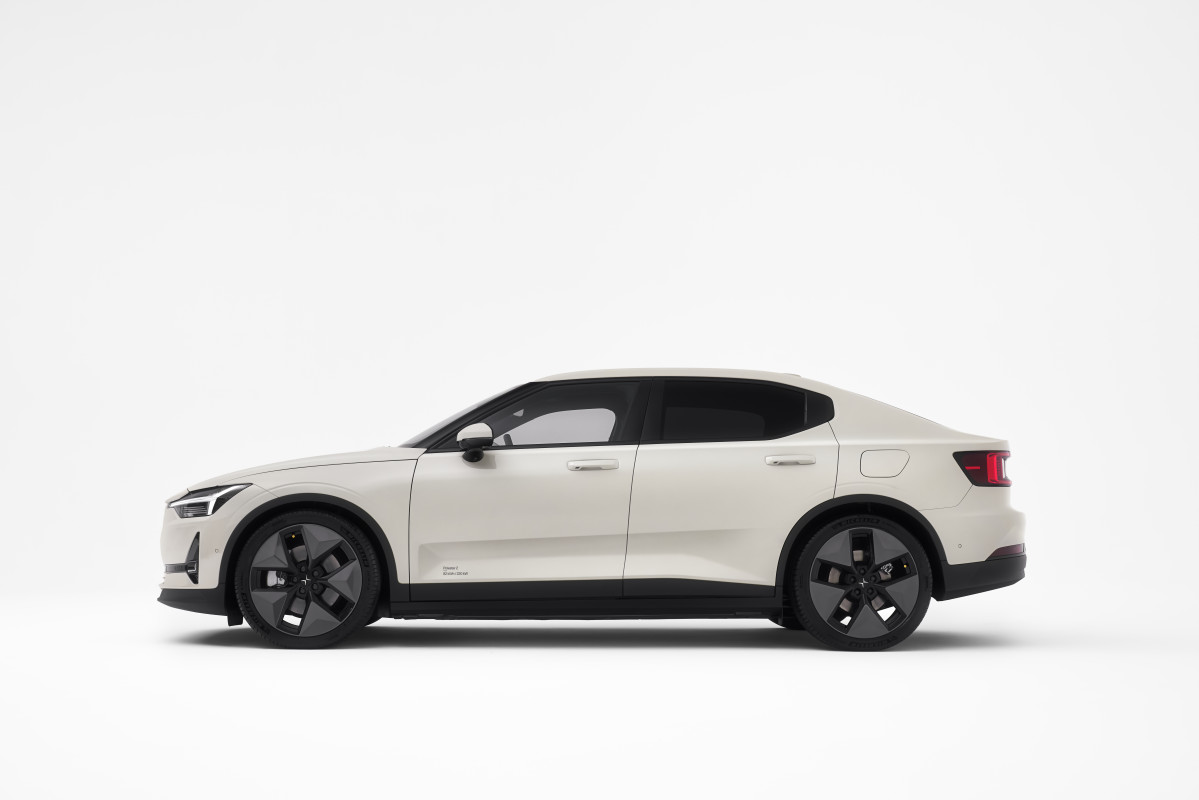
Sweden’s Polestar brand continues to invest in the EV market announcing last month plans to add four more models. But its first first all-electric package, the Polestar 2, currently is unavailable in U.S. because of the hefty tariffs on Chinese-made EVs. There’s been speculation about what might happen with some of the new lines Polestar is developing if those tariffs aren’t lifted or production moved to the States..
Porsche
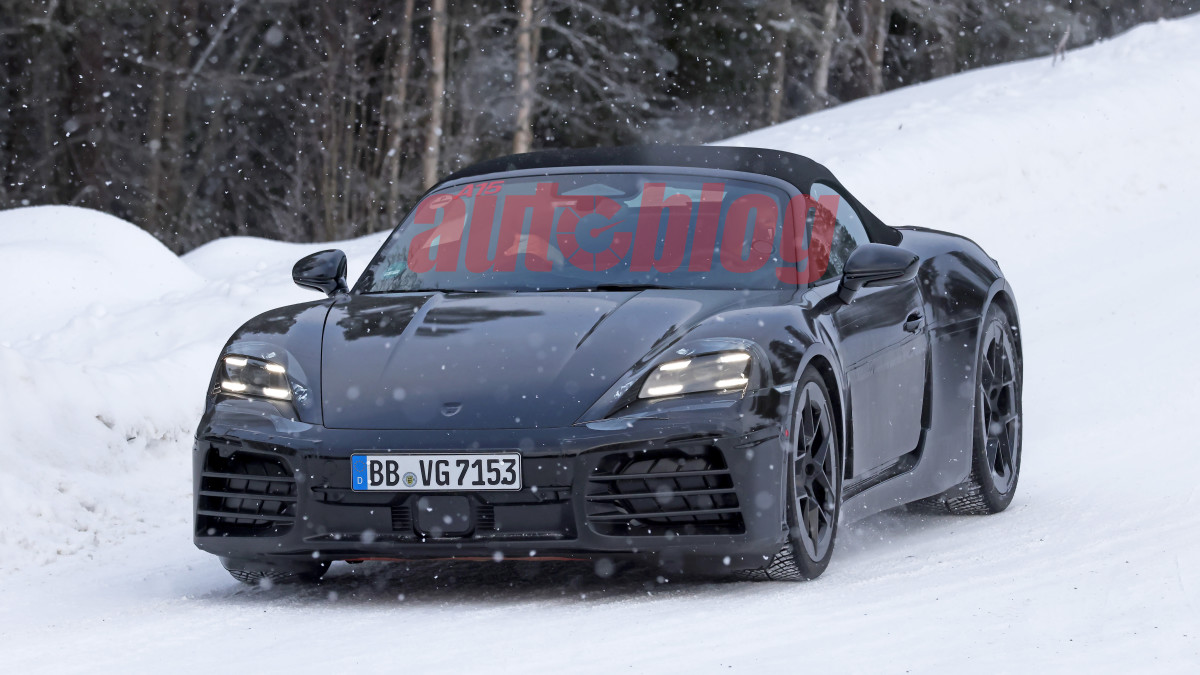
Among German brands, Porsche has been determined to roll out EV alternatives to its traditional line-up – even replacing some models, like Boxster and Cayman, with EVs. But an all-electric flagship SUV has officially been delayed — and is widely believed to be cancelled – or converted to some type of hybrid package. Despite some reports, Boxster and Cayman EVs appear to have survived, however.
Ram
Ram
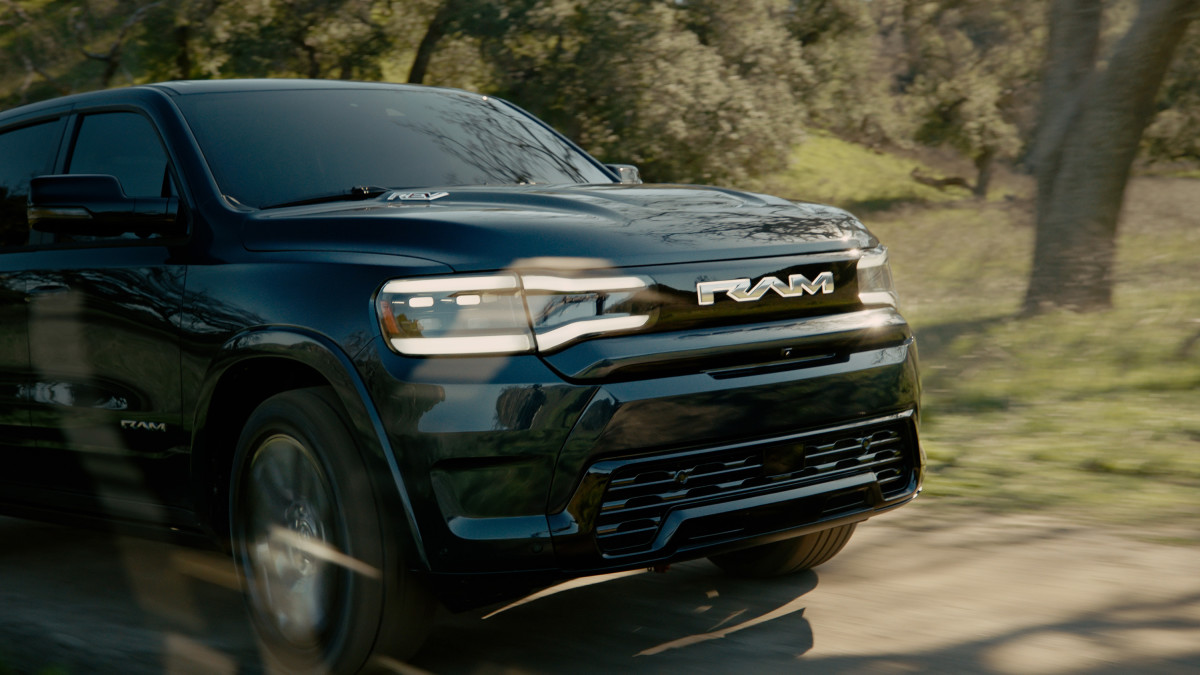
Just a few years ago, seemingly everyone wanted to get into the full-size EV pickup market. Now, however, the revolving door has been spinning at a blinding rate. Several new players, like Lordstown and Canoo are out of business. Ford, meanwhile, ended Lightning production in December. Ram killed the all-electric Ram 1500 REV before production began – but that name now will be used for the range-extended pickup previously referred to as Ramcharger.
Tesla
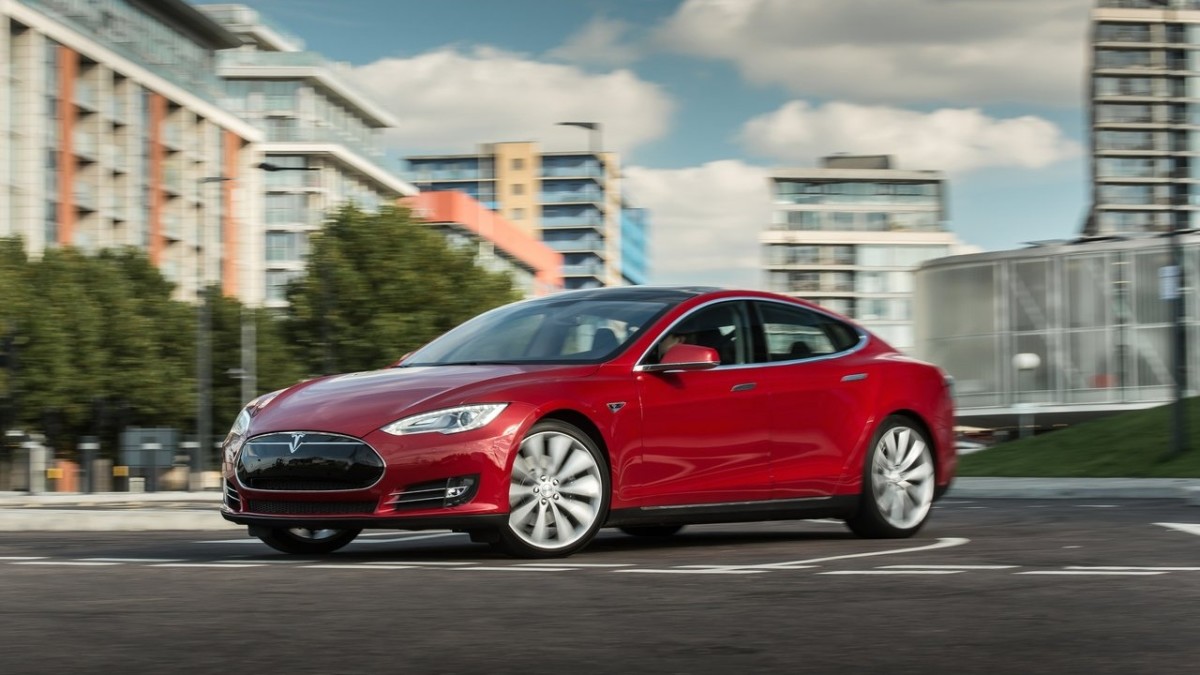
Its stock price does not reflect the reality that Tesla sales fell in 2025 for the second consecutive year. With demand all but dried up, it’s now dropped its first two volume nameplates, the Model S and X, ostensibly to make room to build Optimus Prime robots at its Fremont, California, plant. The future of the Cybertruck is uncertain, and Tesla is sending mixed signals about an “affordable” EV and retail CyberCab models.
Volkswagen
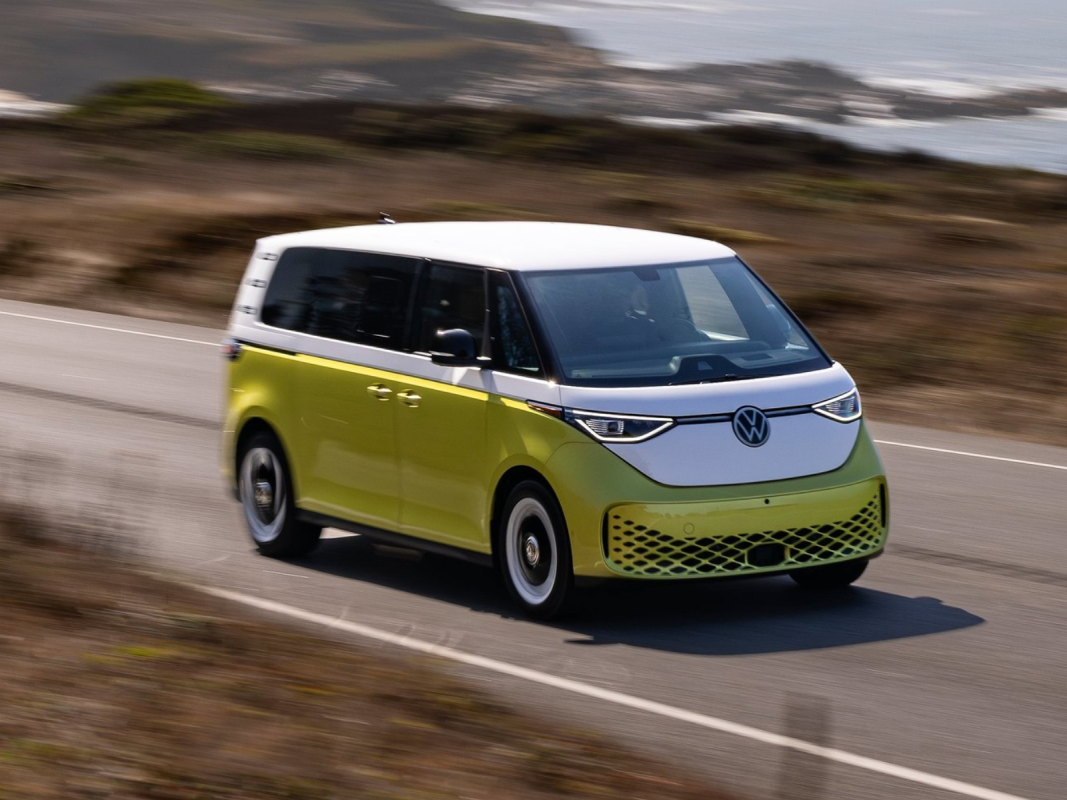
Only a few years ago, the Volkswagen Group was making the biggest commitment to EVs in the industry. It’s still got aggressive growth plans but is sharply paring expectations – and models – in the U.S. The ID.7 sedan has been cancelled for the U.S. The ID.Buzz microbus is out of production for at least the 2026 model year, VW promising to bring it back with more affordable trim options. As for the original ID.4, the name is being dropped but the crossover will be rebadged ID.Tiguan.