Trump Turns Back Time… Sort Of
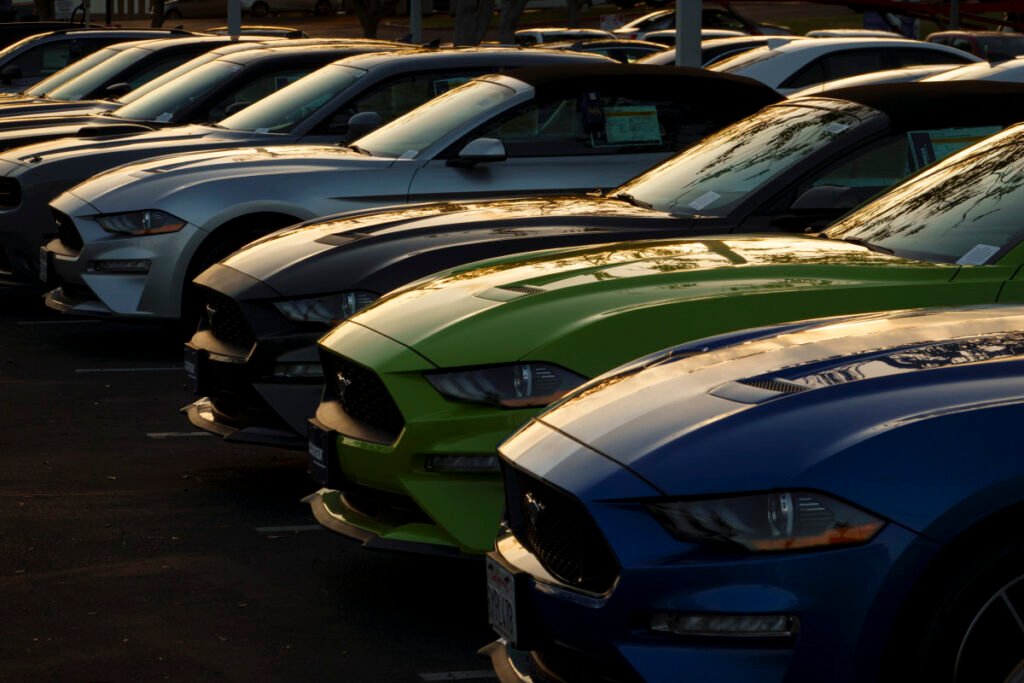
Federal fuel standards have just been rolled back by Trump. The move reverses stringent Corporate Average Fuel Economy (CAFE) standards that had been set by the previous administration, which Trump claims would have forced families into electric vehicles while raising car prices by over $1,000. All in, Trump claims the shift will save Americans $109 billion by simply letting manufacturers build the gas engine vehicles that most customers actually want.
Trump said, “The greatest scam in American history, the Green New Scam. And it’s a quest to end the gasoline-powered car… And people want the gasoline car. They want everything. They want electric. They want to have lots of alternatives.” Biden had increased CAFE requirements by 8% for 2024 and 2025 models and 10% for 2026 models. Trump’s team argues these standards weren’t achievable with internal combustion engine technology and effectively mandated a shift toward EVs that most Americans don’t really want.
What This Means for American Drivers
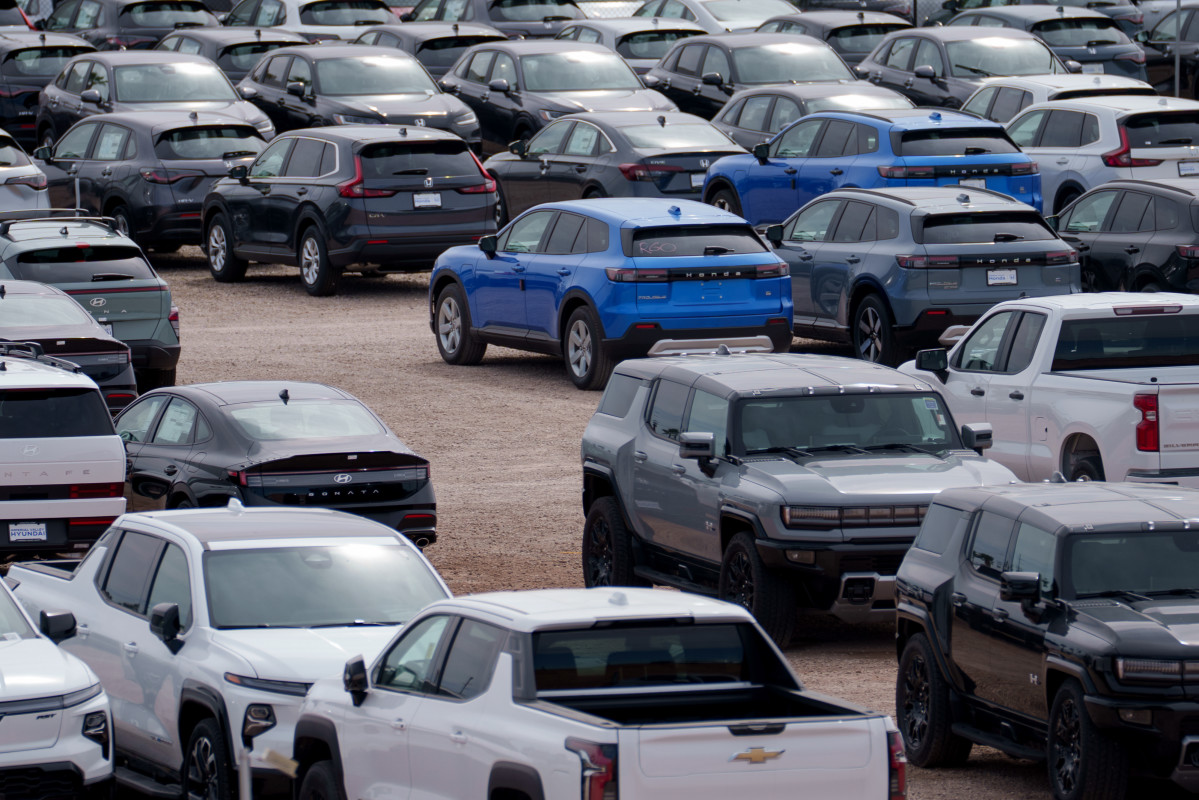
Automakers can now design lineups around what people buy instead of scrambling to meet government mandates favoring electrification. Stellantis CEO Antonio Filosa said the changes give customers “the freedom to choose the vehicles they want at prices they can afford.” That means more trucks, more SUVs, and more affordable sedans without pressure to stuff batteries into every model to meet impossible fleet efficiency averages.
Ford CEO Jim Farley praised the move for matching standards with market realities while still allowing progress on emissions. GM supports regulations providing long term stability rather than whiplash policy changes every administration.
Getty Images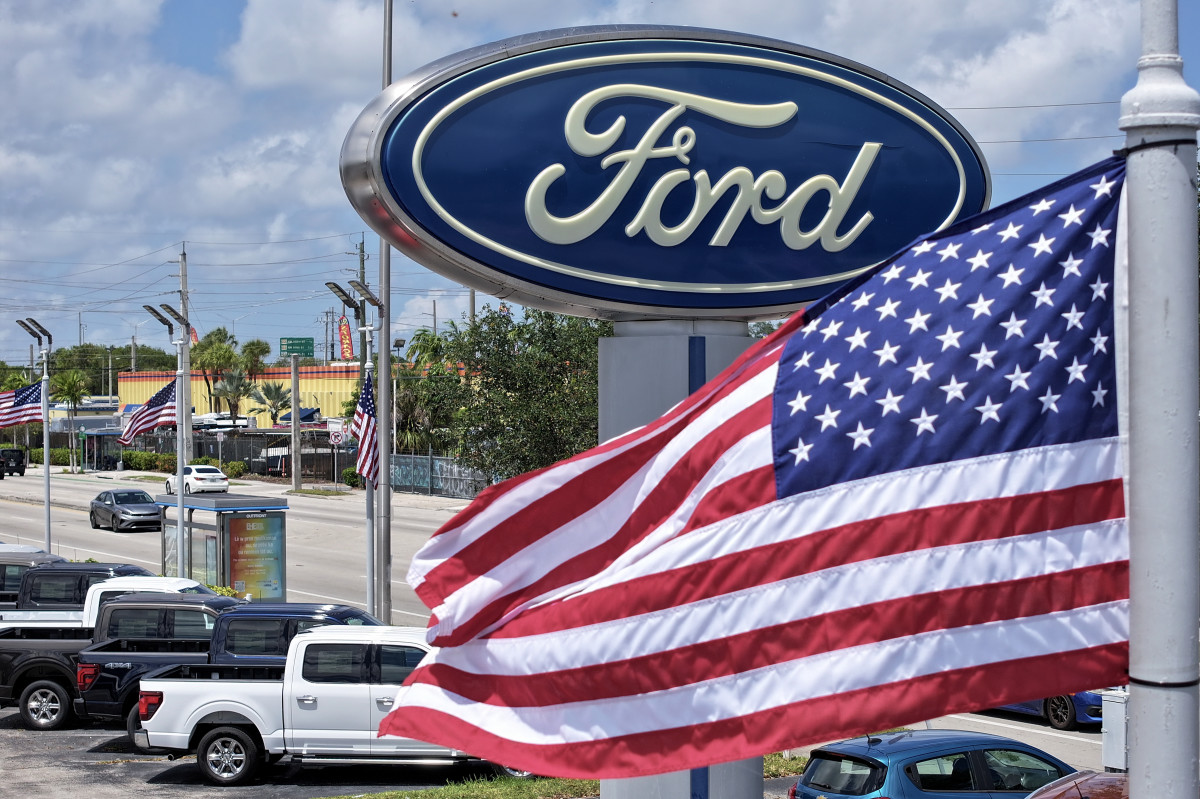
The Future of the American Auto Market
This shift represents a fundamental statement about what vehicles America will produce and drive for the next decade. One national standard respecting customer choice gives manufacturers certainty for billion-dollar investment decisions. The alternative was a patchwork of state rules led by California’s plan to ban gas vehicles by 2035, which Trump has also dismantled.
The question is whether this provides the stability automakers claim they need or sets up another reversal if politics shift. Ford, GM, and Stellantis are betting that aligning with consumer demand rather than government preferences keeps American manufacturing competitive. They’re building what people want to buy, which remains overwhelmingly gas-powered, and this policy reset lets them do exactly that.