An Iffy Image
To say that the Nissan Altima doesn’t have a stellar image is an understatement, especially for the fourth and fifth-generation models. Admittedly, it’s not entirely the car’s fault, as certain, er, people with a particular driving style haven’t done the Altima’s reputation any favors. Reliability hasn’t been great, though it’s hard to tell whether it’s mainly due to a lack of maintenance or the cars were genuinely faulty.
Outside of America, however, Nissan’s midsize sedan has a far more respectable standing. Most folks reading this article might find it hard to believe, but the Altima was positioned in a totally different way in Asia that, in many ways, helped it avoid the iffy image it suffers from stateside.
Nissan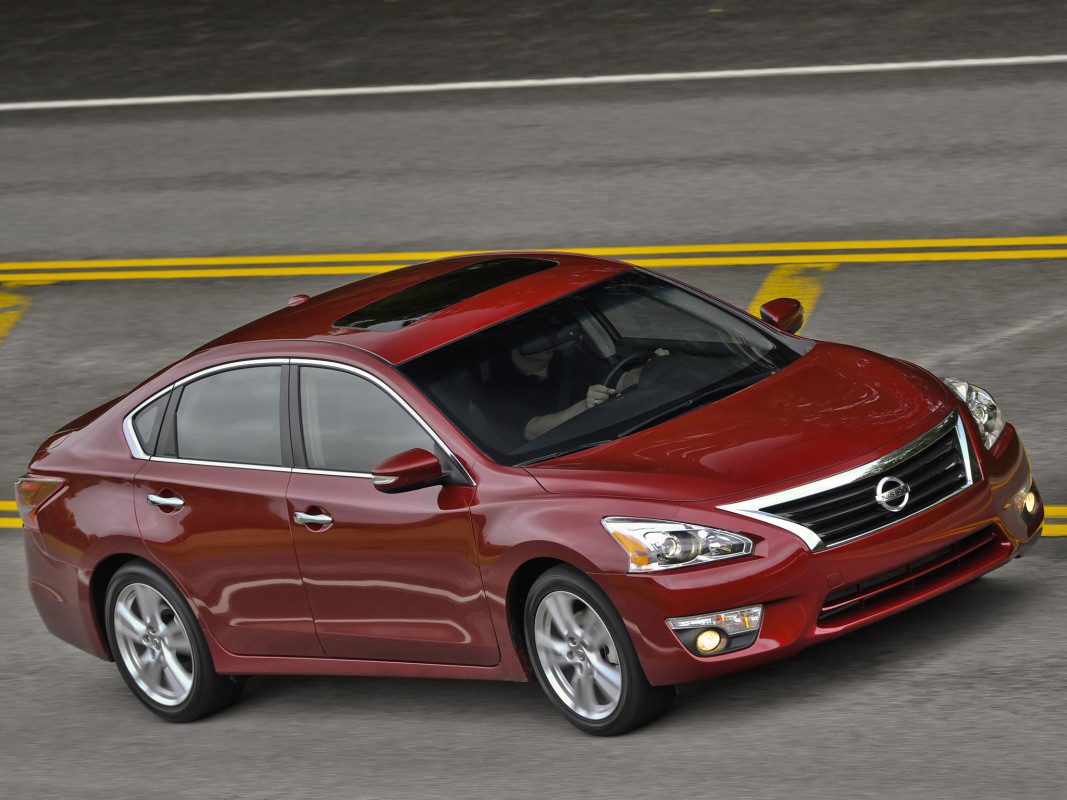
Bluebird Roots
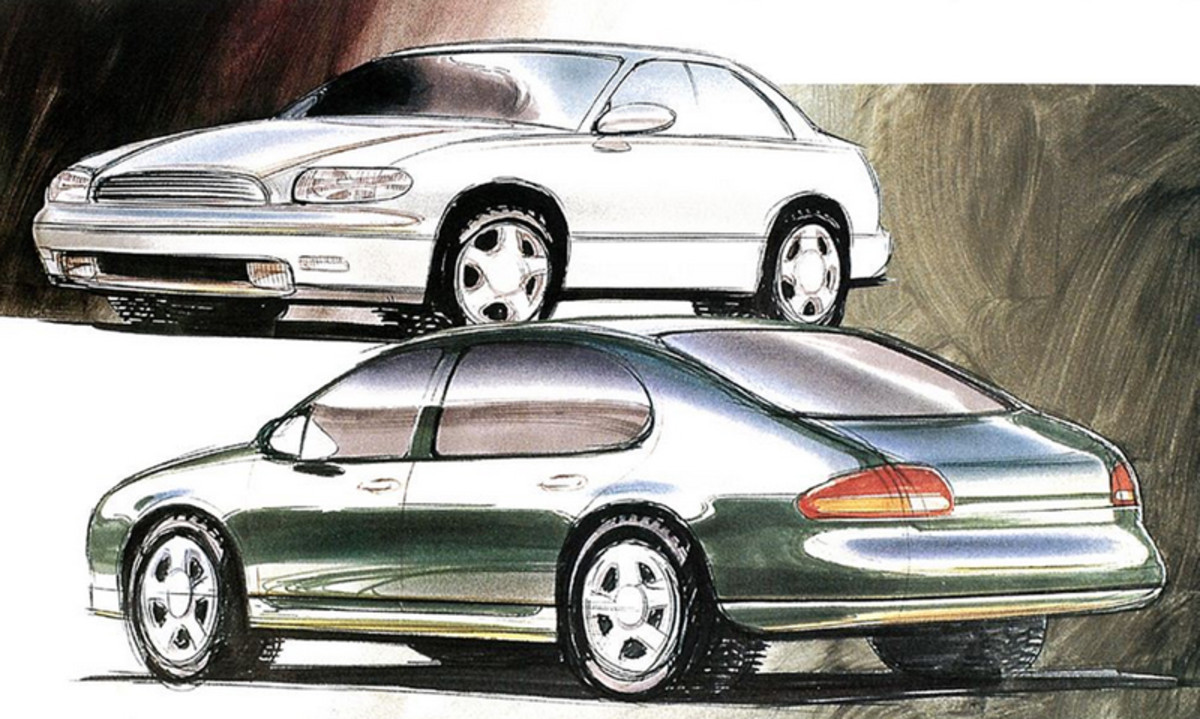
Before the Altima, there was the Stanza, but both cars were called the Bluebird back home in Japan. It came from a long line of models dating back to 1955, including the much-loved and iconic Datsun 510. The first-generation Altima was essentially a renamed tenth-generation (!) Bluebird.
The first Altima was a solid, dependable, reliable midsize sedan, but we wouldn’t exactly call it a soul-stirring ride. However, the Japanese Bluebird had a spicy model dubbed the SSS-Limited ATTESA. It was powered by a turbocharged 2.0-liter engine (the SR20DET, for those who are curious) and produced 207 hp and 202 lb-ft of torque, which were strong figures for the early ’90s. It was equipped with a similar all-wheel-drive system to the contemporary Skyline GT-R and was even available with a manual transmission.
Even the non-turbocharged models were marketed with a bit of sporting edge. The Japanese-market Bluebird had a smaller engine than the American Altima, but the 2.0-liter was more willing to rev than the 2.4-liter, not to mention lighter, too. It wasn’t all sporty, though, as there were also lower trims with 1.8-liter and 1.6-liter engines, and even a diesel option. It’s also worth noting that most markets outside Japan had adopted the Altima name by then.
Nissan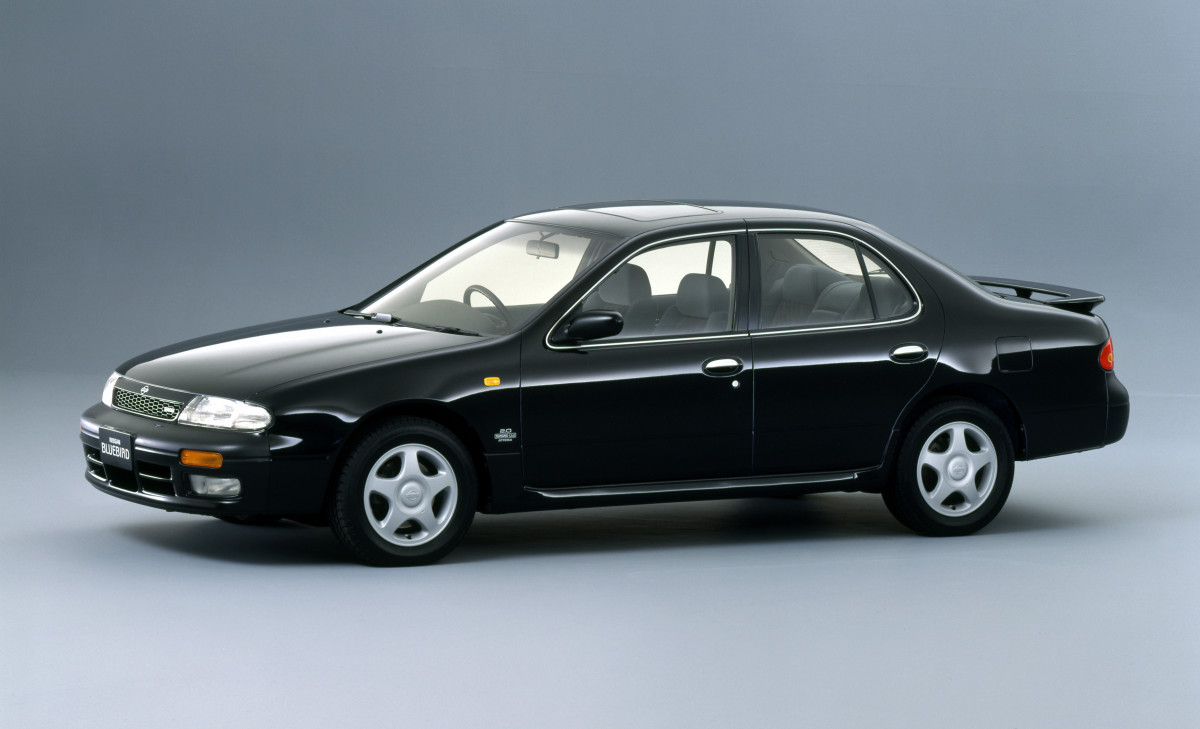
Going Separate Ways
The eleventh-generation Bluebird would lend itself to what eventually became the second-generation Altima. Unlike the first Altima, however, the Bluebird platform used for the new model was tweaked to better serve the American market, and the two models looked nothing alike.
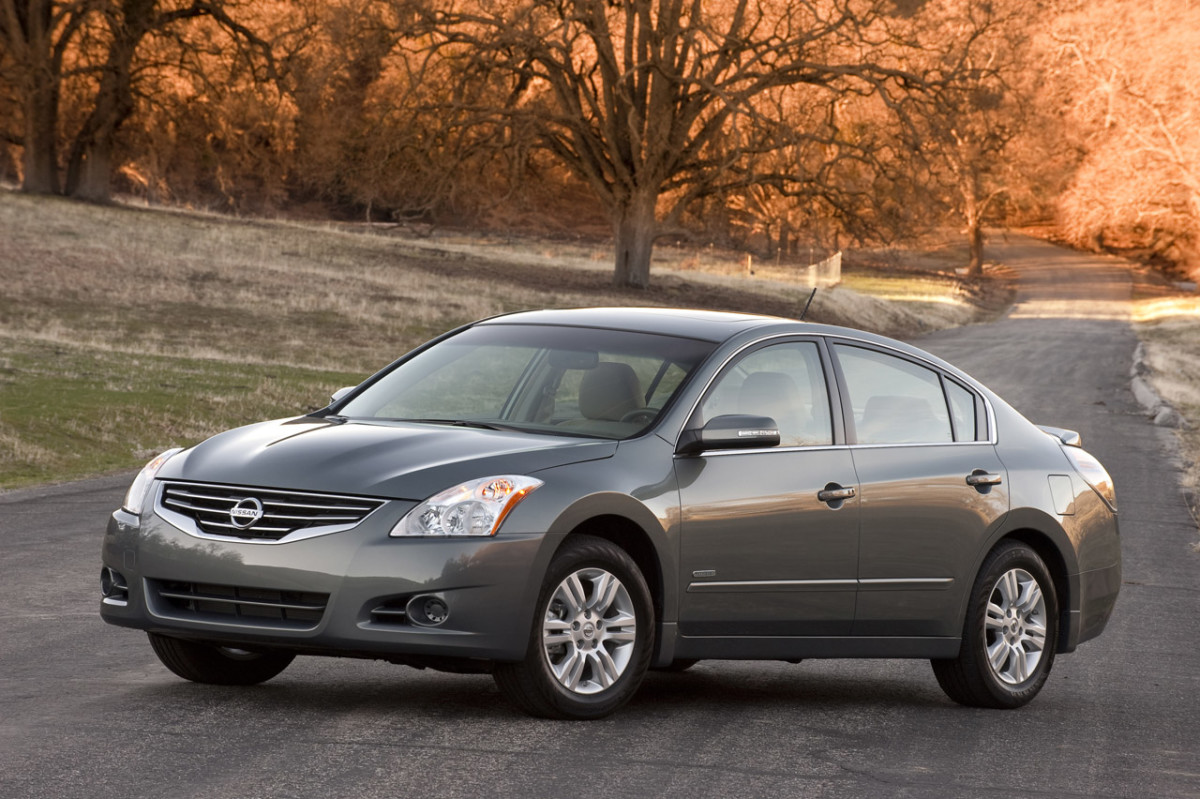
The Bluebird was then succeeded by the Teana, which also replaced the Cefiro (aka Infiniti I30/I35) in 2002. The first Teana and third-generation Altima were more closely related, with different exterior and interior designs but similar dimensions. The next generation of both models followed the same script, and the two cars wouldn’t be renamed versions of each other until 2014.
Same Car, Different Reputation
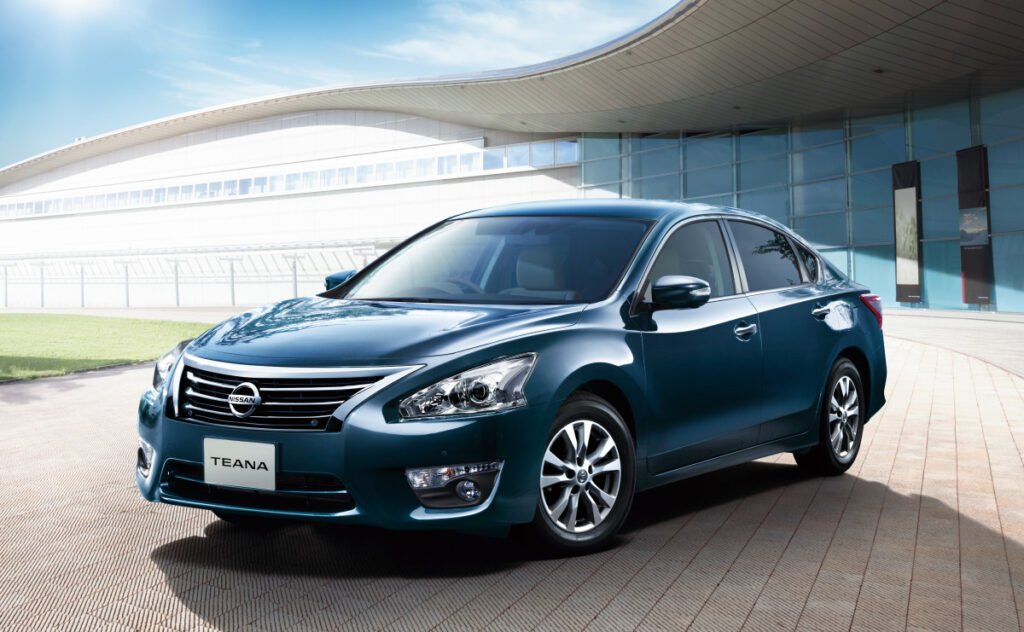
Come 2014, the Teana and Altima were twins, effectively turning the latter into a true global model once again. Both cars had the same specs and even shared the same chassis code (L33), but whereas the American Altima was pitched as a reasonably-priced midsize sedan, it was marketed as a junior executive sedan everywhere else. In Japan, it was aimed at senior management types who wanted a comfortable cruiser with no sporting intentions.
Dubbed the Teana over there, it was described as a car that offered ‘a luxurious travel experience’ and ‘hospitality,’ along with constant mentions of relaxation and comfort. And whereas Altima marketing frequently used figures and features, the Japanese Teana was presented in a way that made you think you were buying a motorized La-Z-Boy.
With that, Teana buyers were typically older folks who took pride in ownership and valued their purchase. Granted, it wasn’t a huge seller in Japan, but the ones you see there are in remarkable condition. For the most part, they’re driven gently, have led quiet lives, and are even considered generally reliable. The most common complaint we saw about it in Japan was more to do with its size and the interior materials used. Getting a used Teana from the same era as the fifth-gen Altima is something worth exploring in Japan. Strange, but true.
Nissan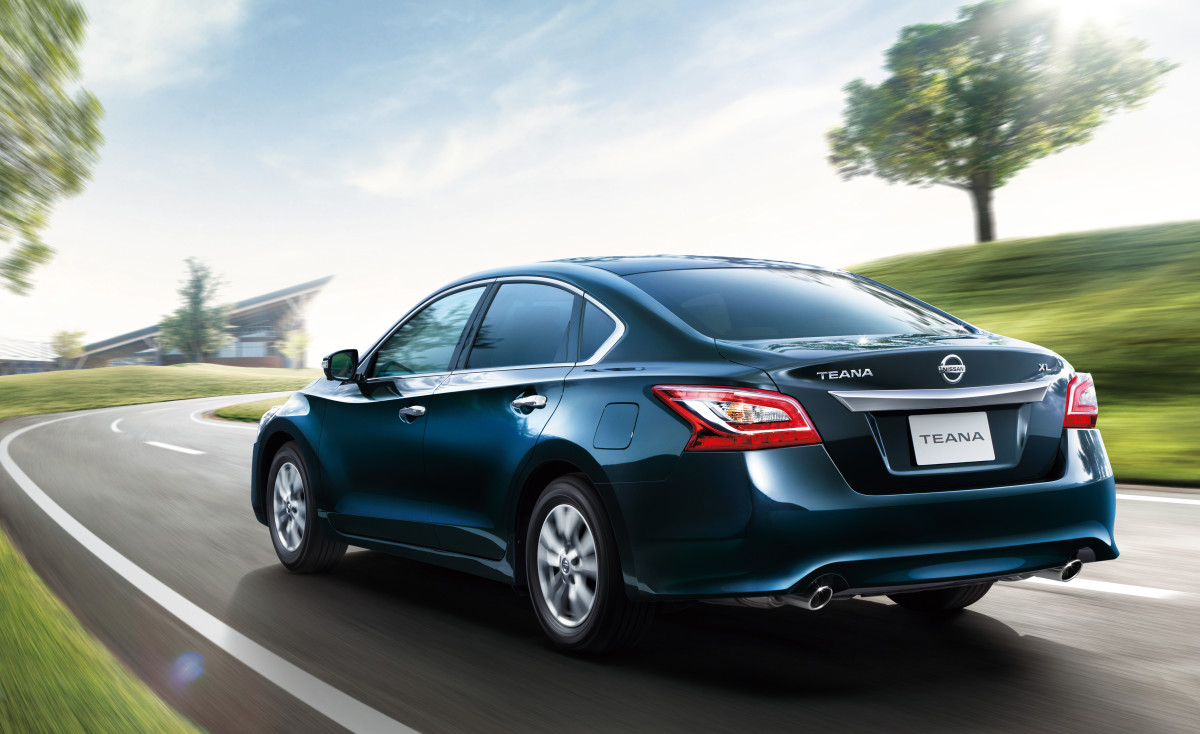
The Altima and Teana Today
Alas, midsize sedans today are a threatened species, regardless of market. The Teana is no more in Japan, and the Altima came close to being axed. As far as we can tell, only North America, the Middle East, and China get the Nissan midsize sedan.
In America, the Altima still faces an uphill battle in cleaning up the reputation that the internet has given (or cursed) it. The Autopian did a neat little piece surrounding the stereotypes that deeply affected the nameplate, and it’s well worth a read, too. If anything, the Altima’s neutral reputation outside the U.S. shows that one market doesn’t truly define a model’s legacy. Case in point: previous-gen Altimas have proven fairly robust in the Middle East, even with the CVT. The current ones seem to be holding up well there, too.
As for China, its Teana is a very different animal from America’s Altima. It has a totally different face and is chock-full of features and tech that wouldn’t look out of place in something that wears a prestige badge. It’s positioned as a luxury sedan and appointed accordingly, showing that there’s still something left to offer in the current Altima platform.
Nissan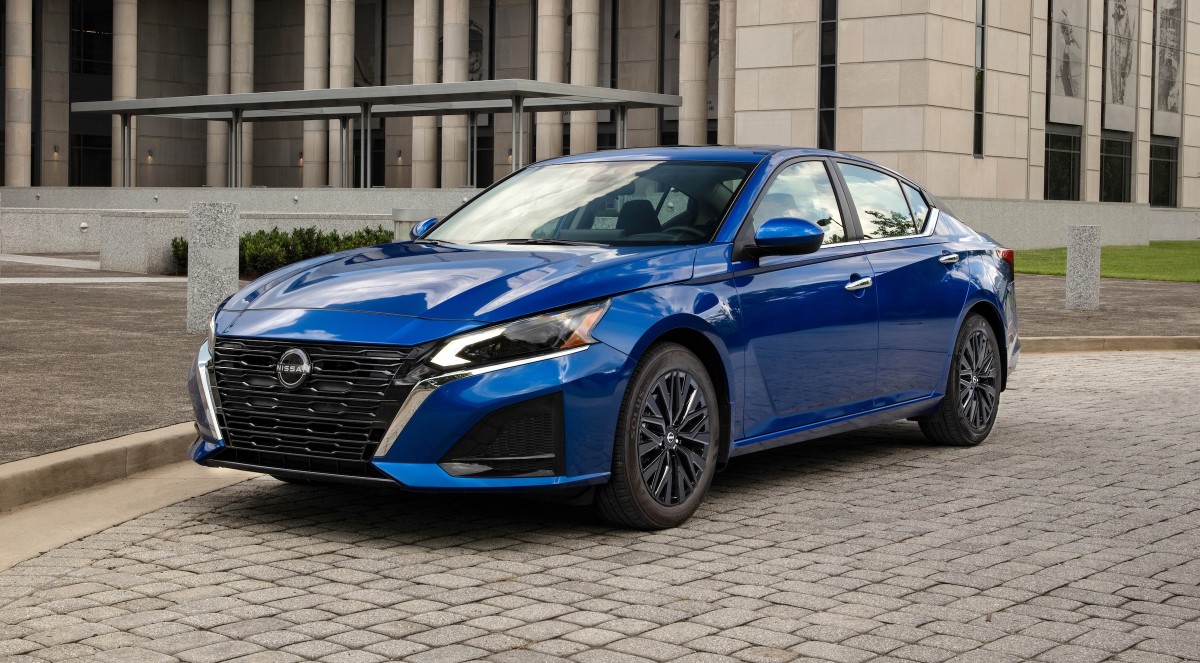
Nissan