Elite Territory
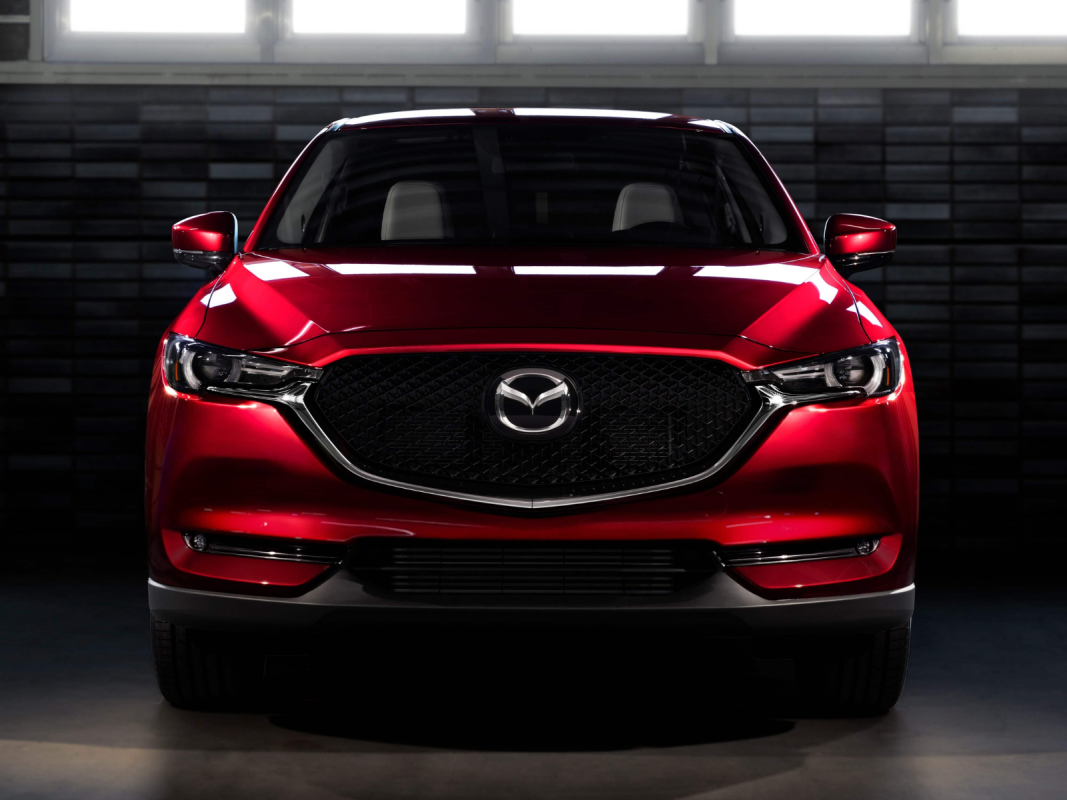
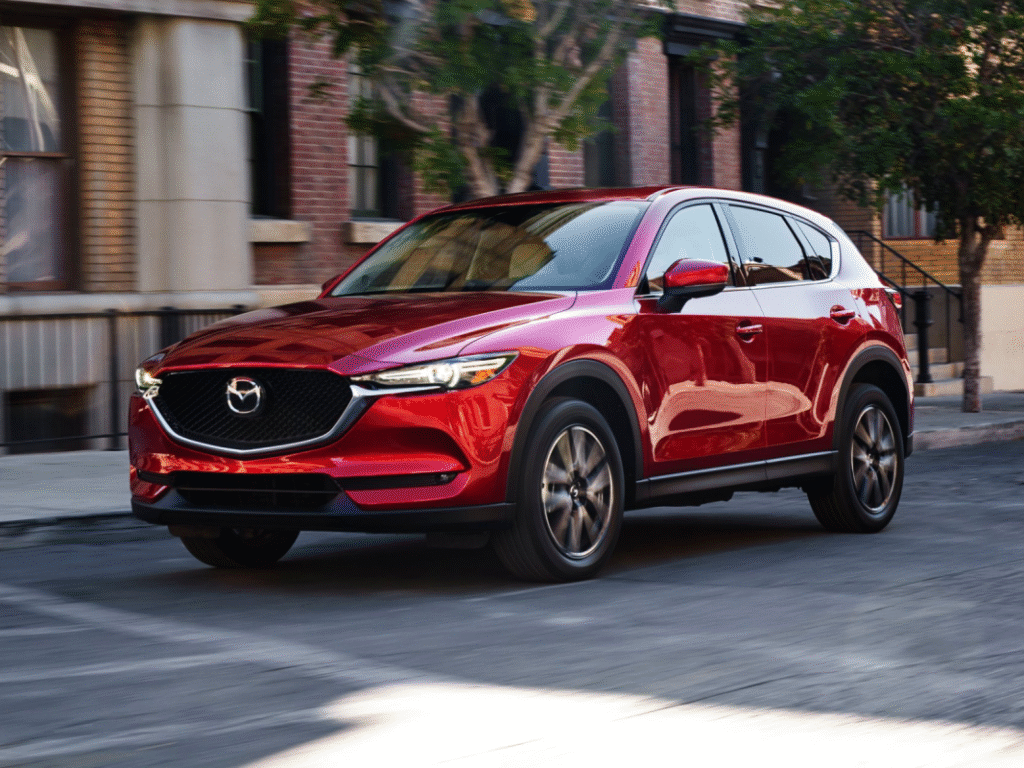
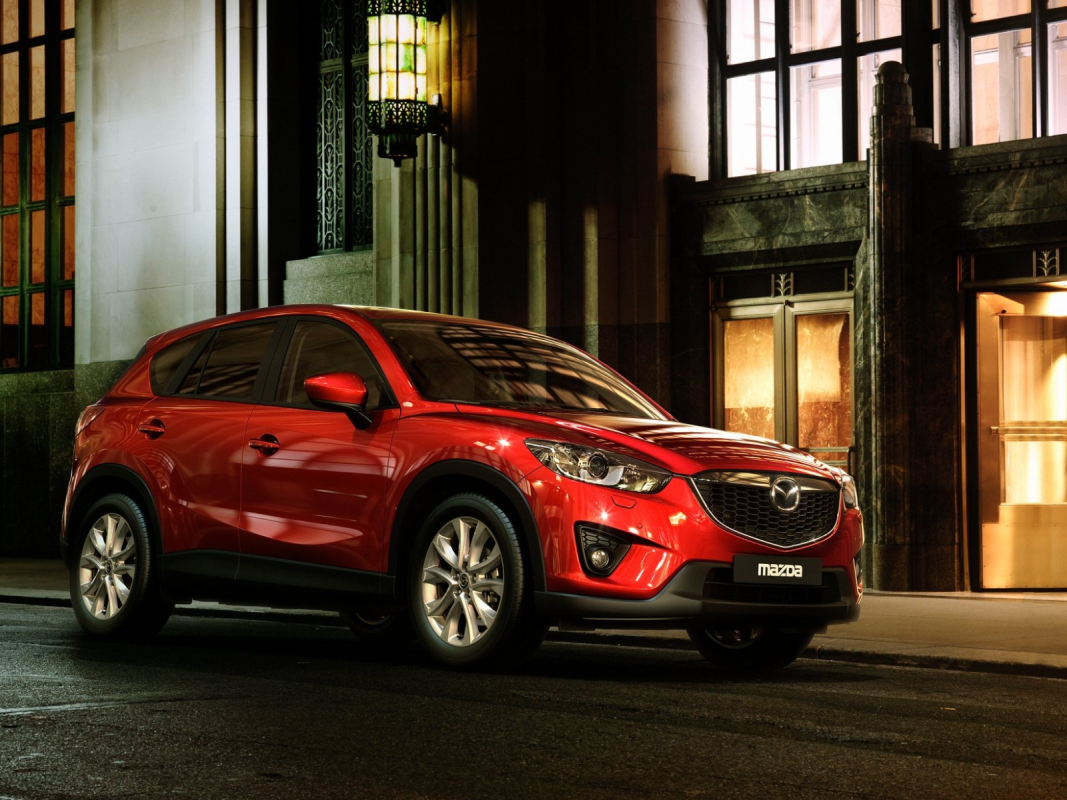
Mazda announced that the CX-5 has reached the five-million production and sales milestone. Introduced in 2011, the CX-5 is the third model in the company’s history to reach that figure, following the Mazda 323 in 1986 and Mazda3 in 2016.
The timeline reflects broader market trends, as consumers have increasingly gravitated toward crossovers and SUVs—illustrated by automakers such as Ford discontinuing most of their sedan offerings in the U.S. The CX-5 has been sold in more than 100 countries and regions worldwide, with an all-new third-generation model set to arrive in North America in spring 2026.
“We would like to express our sincere gratitude to all customers and fans around the world who have supported the CX-5,” Koichiro Yamaguchi, program manager for the CX-5, said.
Mazda’s Bread-and-Butter
The CX-5 is a critical model in Mazda’s lineup, as it competes in the highly lucrative compact crossover segment—home to models such as the Toyota RAV4, which consistently ranks among the top-selling vehicles in the U.S. alongside the Ford F-Series. As such, the upcoming generation could play a key role in helping the Japanese marque remain competitive, particularly as ongoing trade and tariff pressures continue to weigh on imported vehicles.
To date, the outdoor-focused CX-50 is the only Mazda model produced in the United States, assembled alongside the Toyota Corolla Cross at the Mazda Toyota Manufacturing plant in Alabama.
While Mazda’s U.S. sales declined by 3.3 percent in 2025 compared to the previous year, both the CX-5 and CX-50 posted sales gains, with the former recording 136,355 units sold—an increase of two percent. That uptick came despite an all-new CX-5 on the horizon, which may have led some prospective buyers to delay their purchases in anticipation of its arrival.
Modernized for the Market
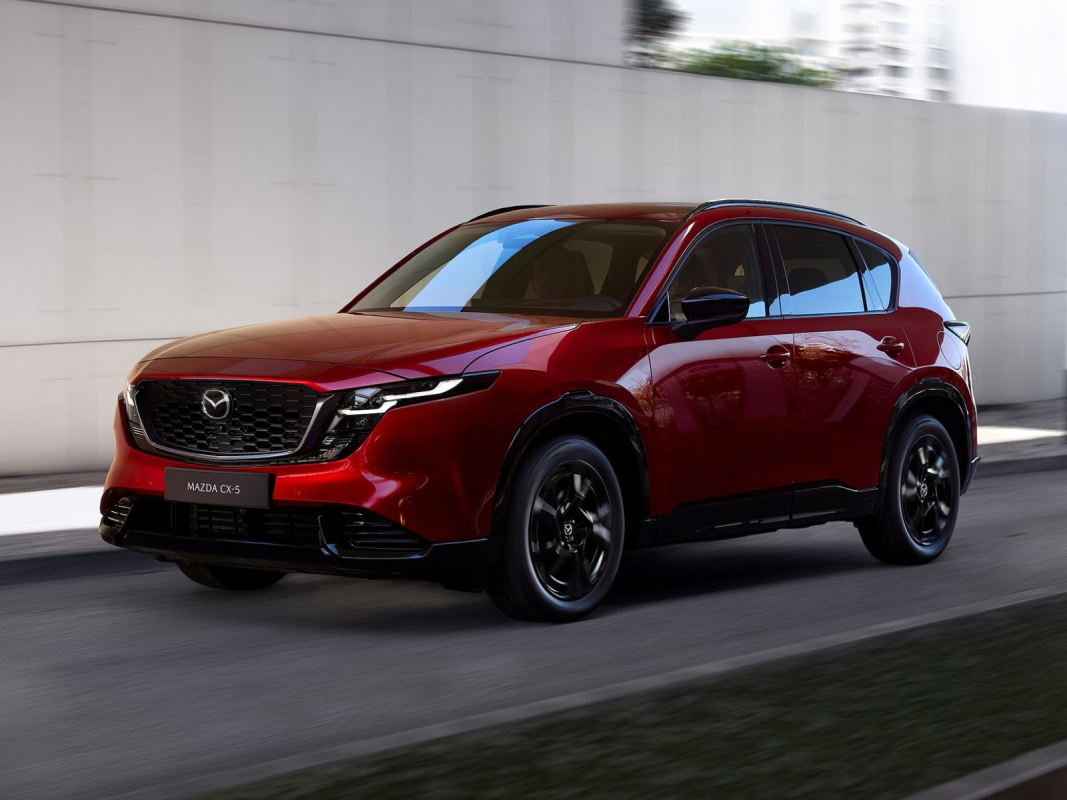
The all-new 2026 CX-5 retains a familiar look inspired by Mazda’s Kodo design philosophy, but it brings a more spacious interior and upgraded technology, including a large 15.6-inch touchscreen and a Gemini AI assistant. Despite these updates, the model starts at $29,990 for the base 2.5 S, representing only a modest price increase over the previous model year.
Aside from its long-running best seller, the CX-5, Mazda is also increasing its focus on hybrids, which many consumers view as a more practical alternative, as EV demand slowed last year. The Japanese marque remains one of the few brands without a single fully electric model in the U.S., though it plans to enter the segment later this decade after delaying its EV rollout amid broader market and regulatory uncertainty.