The Call That Changed Hypercar History
When Loris Bicocchi received a phone call in 2001 asking if he was available to test a new Bugatti project, the automotive world was already buzzing with rumors. Sixteen cylinders. 1,001 horsepower. More than 400 km/h (249 mph). On paper, it sounded impossible. In reality, it would become the Bugatti Veyron, an entirely new kind of car that didn’t just break records, but created the hypercar segment itself.
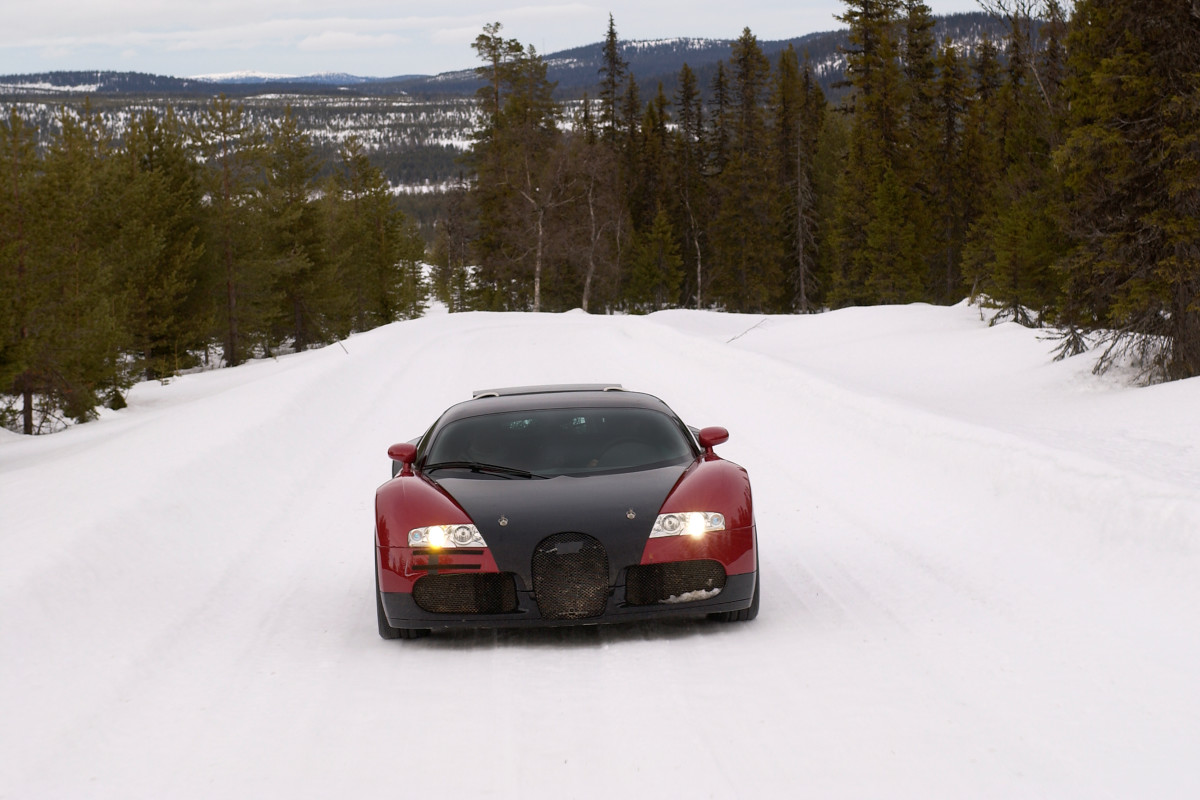
For Bicocchi, an experienced high-speed test driver who had previously worked on the EB110 GT and EB110 SS in the early 1990s, the Veyron still represented uncharted territory. This wasn’t merely the next step forward in performance, but a significant leap. From his very first moments with the red-and-black prototype at Michelin’s Ladoux test track in France, the gravity of the project was immediately clear. Even before formal testing began, Bicocchi knew the Veyron was unlike anything the automotive world had seen.
Bugatti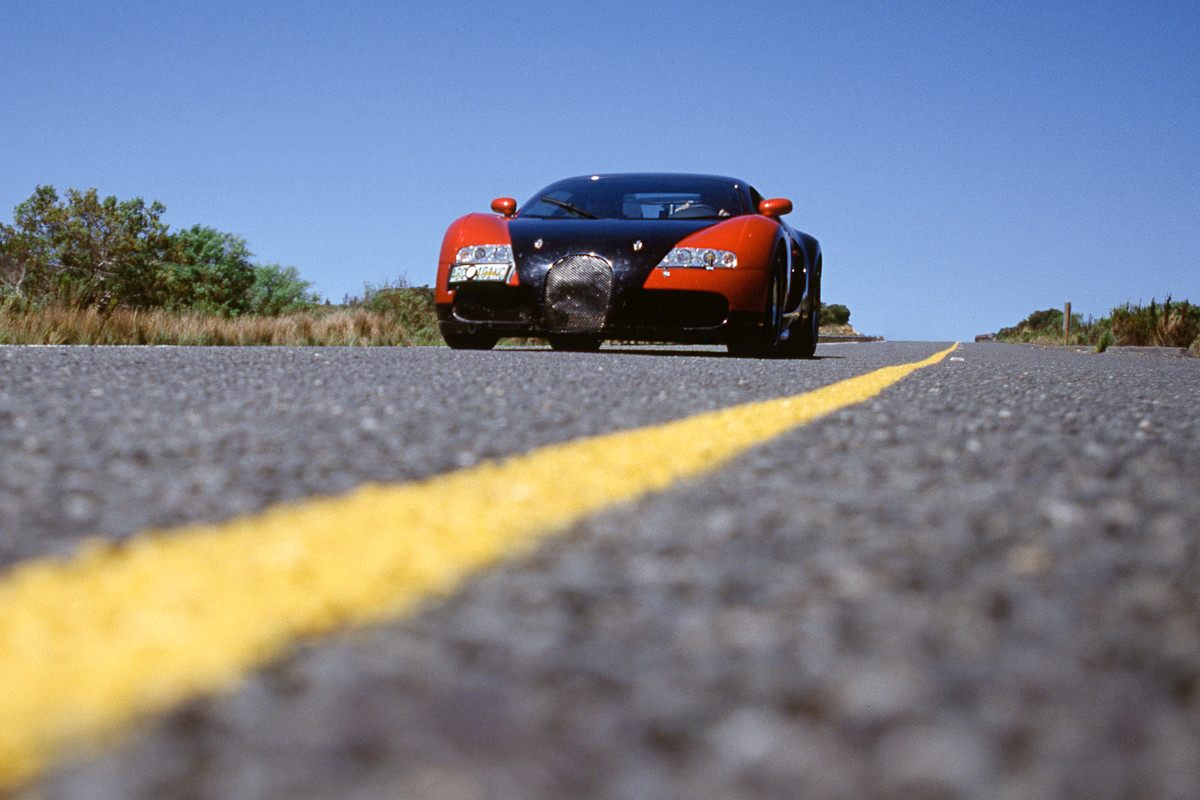
Testing the Impossible
At the time, the Veyron produced roughly double the power of the next most powerful production car in the market at the time. There were no benchmarks, no familiar limits to lean on. Bicocchi admits he was cautious at first, hesitant to apply full throttle. The car’s acceleration, stability, and sheer presence demanded respect. Beyond 180 mph, the known rules of vehicle dynamics began to dissolve, forcing engineers and drivers alike to rethink aerodynamics, braking, and stability from the ground up.
High-speed testing pushed Bicocchi both technically and emotionally. At Ehra-Lessien, he was tasked with accelerating beyond 250 mph and then braking hard, an exercise that required absolute trust in the car and the team behind it. The stress was immense, but so was the reward. Each successful run reinforced that the Veyron didn’t just bring home the speed; it was also controllable, predictable, and astonishingly composed at speeds once thought unreachable for a road car.
Bugatti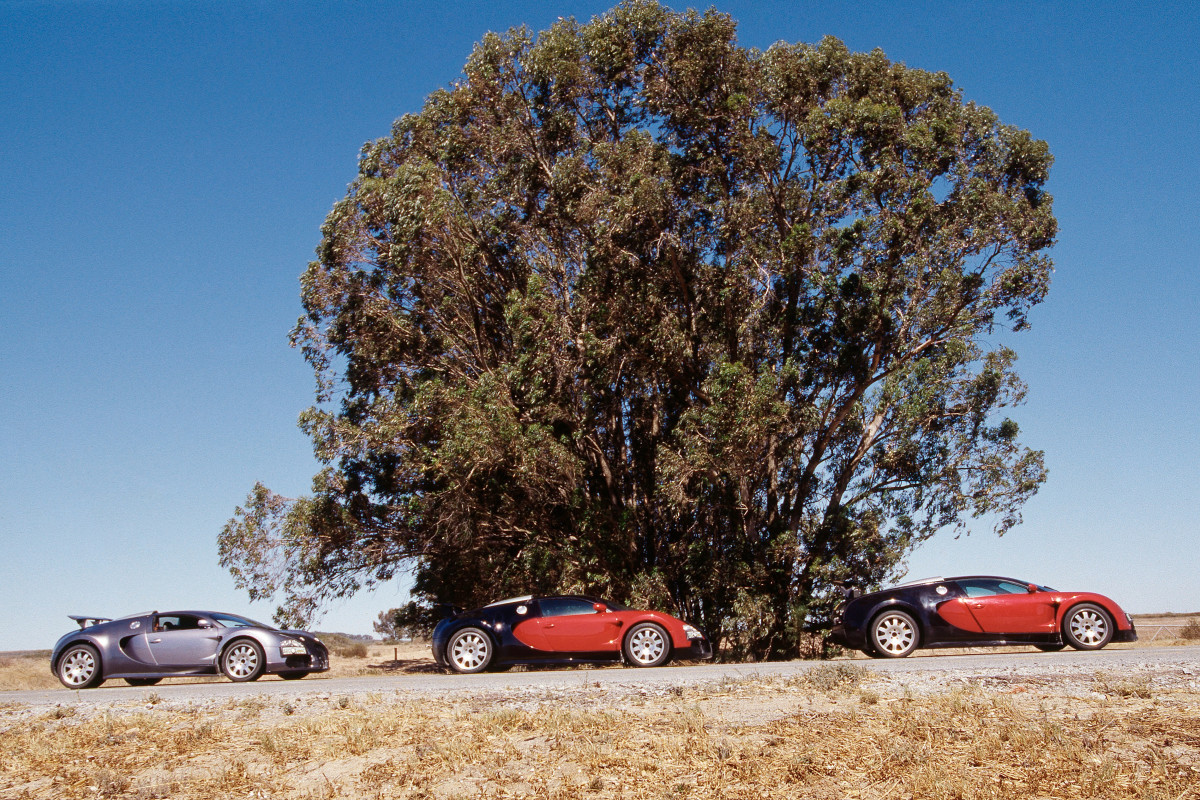
Why Every Bugatti Is Meant to Be Special
What set the Veyron apart was its overall philosophy. Bugatti set out to build a hypercar that could be driven confidently by non-professional drivers, in comfort, and in everyday conditions. That ambition placed enormous responsibility on Bicocchi and the development team. The Bugatti Veyron was about redefining what excellence meant in a production automobile, not just setting land speed records.
During years of global testing, Bicocchi immersed himself in Bugatti’s heritage, revisiting Ettore Bugatti’s original vision from 1909. The Veyron was a modern expression of the brand’s core belief that every Bugatti must be extraordinary, emotionally resonant, and timeless. Two decades later, that philosophy still holds true. The Veyron remains a reminder that Bugatti builds cars meant to stand apart then, now, and far into the future.
Bugatti