Land Rover’s First-Ever Concept
Believe it or not, Land Rover never made a concept vehicle until the mid-2000s. It’s a bit of a surprise given that showing concepts was practically the norm by then. Back then, Land Rover would show a pre-production model at most, and maybe show a few design sketches here and there.
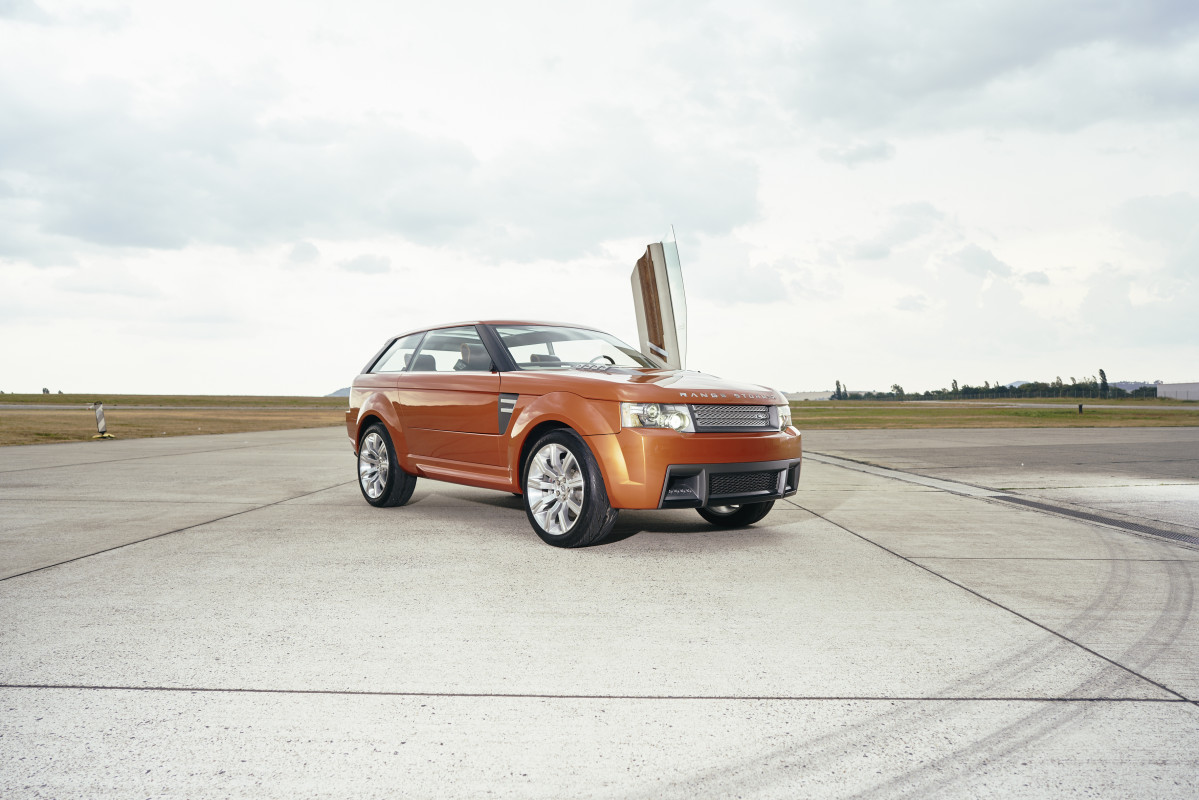
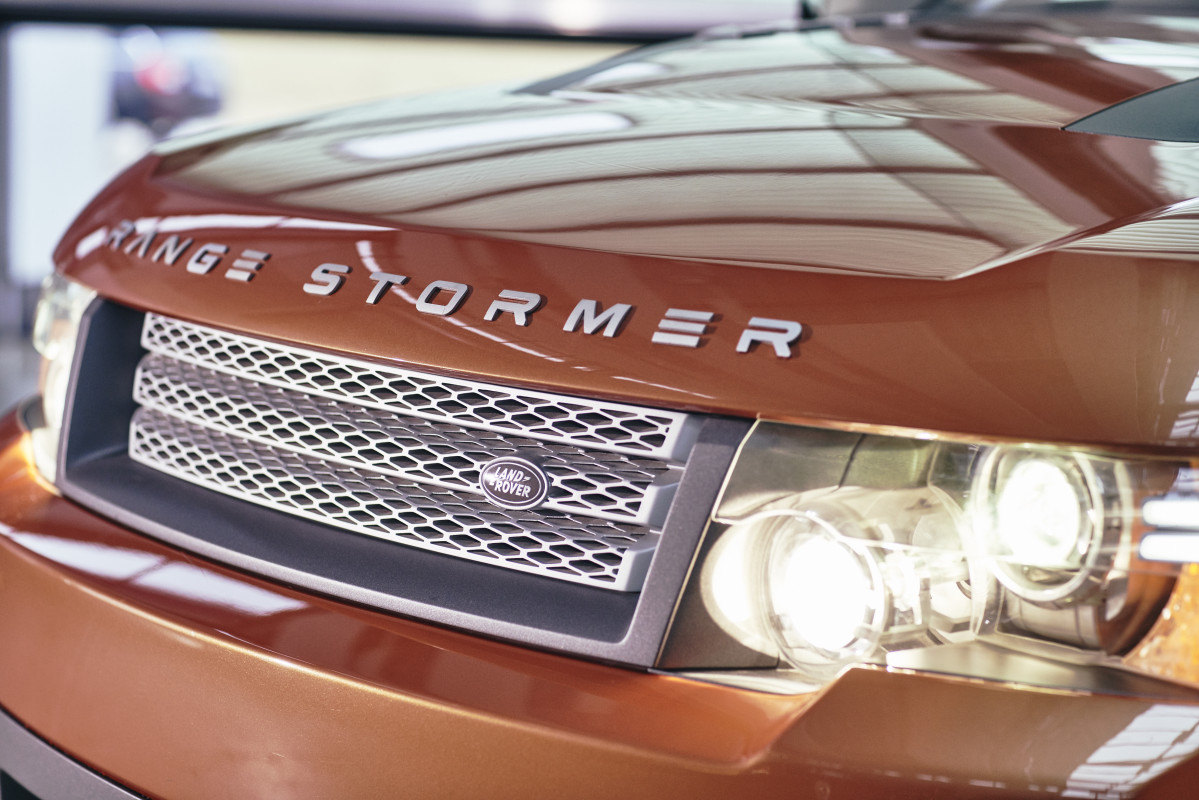
That all changed in January 2004 when the company revealed the Range Stormer Concept. It was shown during that year’s North American International Auto Show, and it was Land Rover’s way of flexing its design department, as well as showing the direction the brand was headed at the time.
Land Rover
Greenlit From the Start
Of course, we know the Range Stormer would eventually become the Range Rover Sport. But prior to the creation of the concept, Land Rover already had plans to expand the Range Rover, er, range to create a line of vehicles under that name. Early mockups of the vehicle envisaged a three-door version of the full-sized L320 Range Rover, and we must say it looked pretty neat.
Land Rover could’ve just shown the pre-production model of the Range Rover Sport, but the company wanted to make a bold, over-the-top statement to gauge reception for a sleek(ish), dynamic take on the much-loved British SUV. Sean Henstridge and Paul Hanstock were tasked to design it, under the direction of Land Rover’s then design lead Richard Woolley.
Those old enough to remember its world premiere might recall that it created quite a lot of buzz back then. It was probably one of the stars of Detroit 2004, and it even appeared in some video games like the Gran Turismo series. Reception towards the Stormer was positive, and Land Rover had made the right call to build a Range Rover spin-off.
Land Rover
Concept to Reality
The Range Stormer was a working concept, but you might be surprised by its underpinnings. It was actually built on a shortened P38A chassis (the Range Rover from the mid-’90s), and had the classic Rover V8 under the hood. Of course, the real deal would share the same platform as the L319 Discovery 3, also known as the LR3 in North America.
There’s a misconception that the eventual Range Rover Sport was an afterthought that utilized the LR3’s chassis. The reality is, the L319 and L320 were developed around the same time. The Discovery 3/LR3 came out first, followed by the Range Rover Sport in 2005. The Range Stormer would also serve as the launch pad for Land Rover’s Terrain Response system, with the Discovery and Range Rover Sport being the first products to get it.
Land Rover
Why No Three-Door?
While the concept had three doors, it was ultimately decided to make the production a five-door only. It looked cool and all, but market research dictated that more doors were the way to go. Granted, the end result still looked relatively faithful to the concept, but we can’t help but wonder if a three-door Sport would’ve made for a neat niche model.
According to Austin Rover Online (a great repository of British car history, by the way), designers considered a rear half-door arrangement like the Mazda RX-8 and Hyundai Veloster. It was ultimately scrapped due to body rigidity concerns. Range Rover would later revisit that idea with the SV Coupe, but subsequently canned production plans. At least we have a three-door Land Rover in the form of the Defender 90.
Land Rover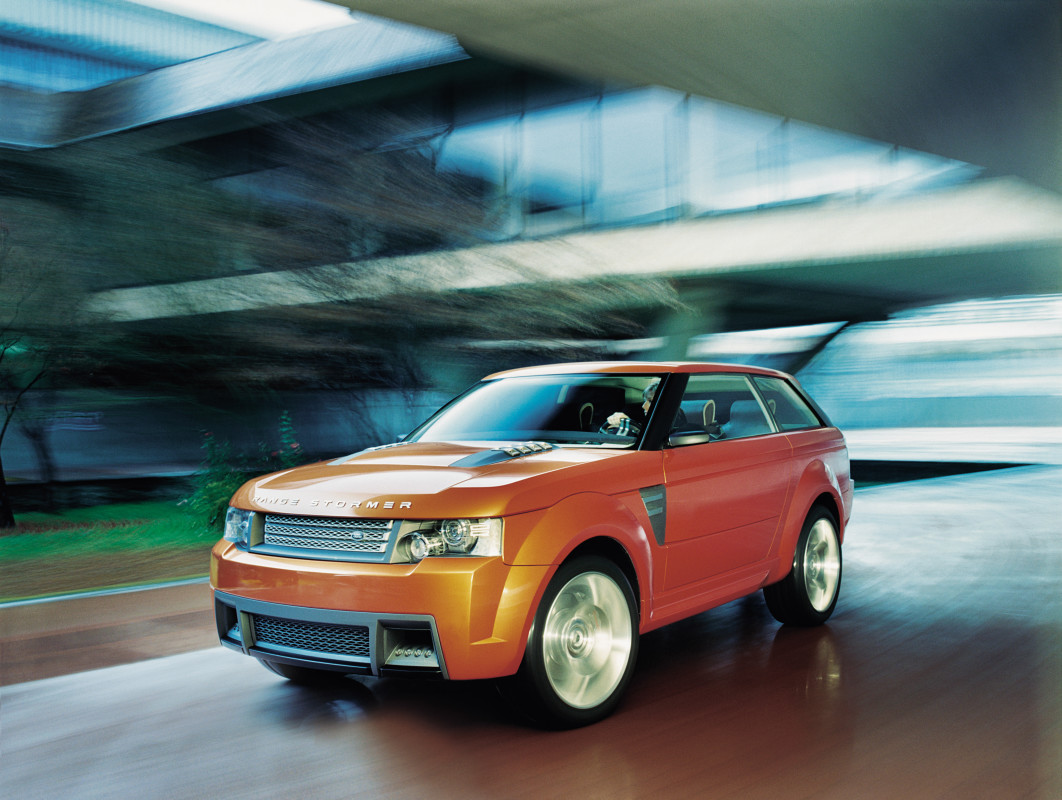
A Pivotal Moment
The legacy of the Range Stormer didn’t just extend to the Range Rover Sport. It would help Range Rover be its own brand and embolden Land Rover to build more concept vehicles. Today, JLR has its ‘house of brands, with Range Rover alone having four distinct models.
Aside from the full-size Range Rover, there’s the Range Sport (4 generations), Range Rover Evoque (2 generations), and Velar (1 generation). It could be said that the brand’s expansion wouldn’t have been possible without the positive reception towards the Range Stormer Concept and sthe uccess of the Range Rover Sport.
Land Rover