Mazda’s EV Portfolio
While Mazda insists that it will keep the internal combustion engine alive for as long as possible, it has had to dip its toes in the electric vehicle arena to keep up with the times. Currently, its full electric vehicles are based on Chinese models from Changan, some of which are making their way to other parts of the world.
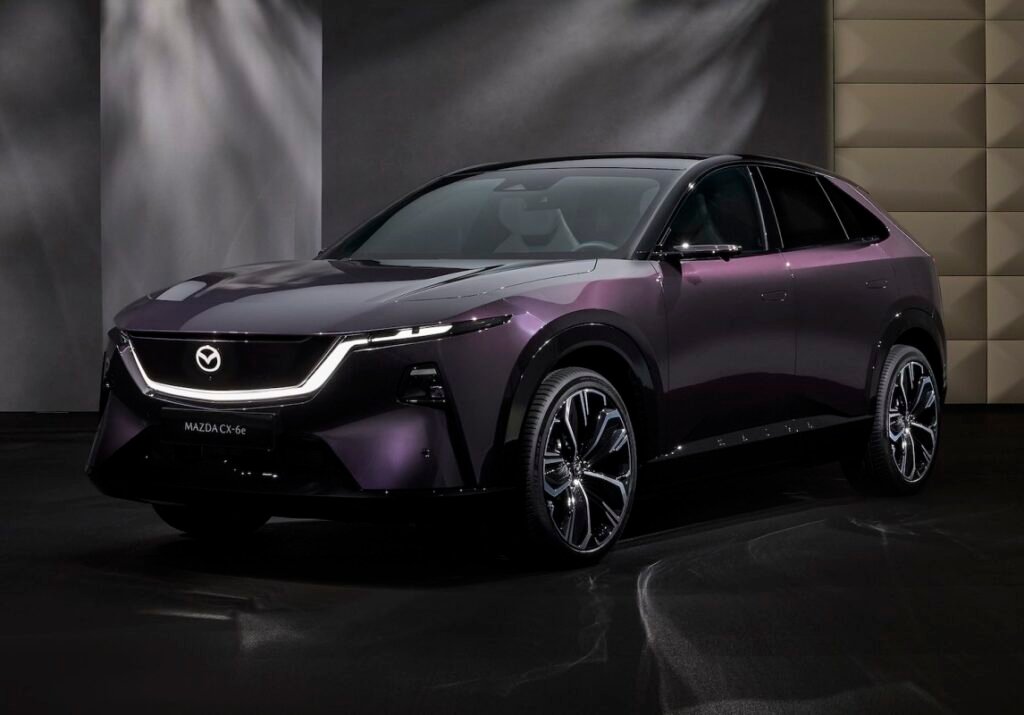
The first fruit of that collaboration was the EZ-6. Also known as the 6e outside of China, it’s a midsize, rear-wheel-drive sedan available in either EV or PHEV form. More recently, Mazda rolled out the EZ-60 and renamed CX-6e in other markets. That one’s a compact crossover, also available as an EV or PHEV.
Mazda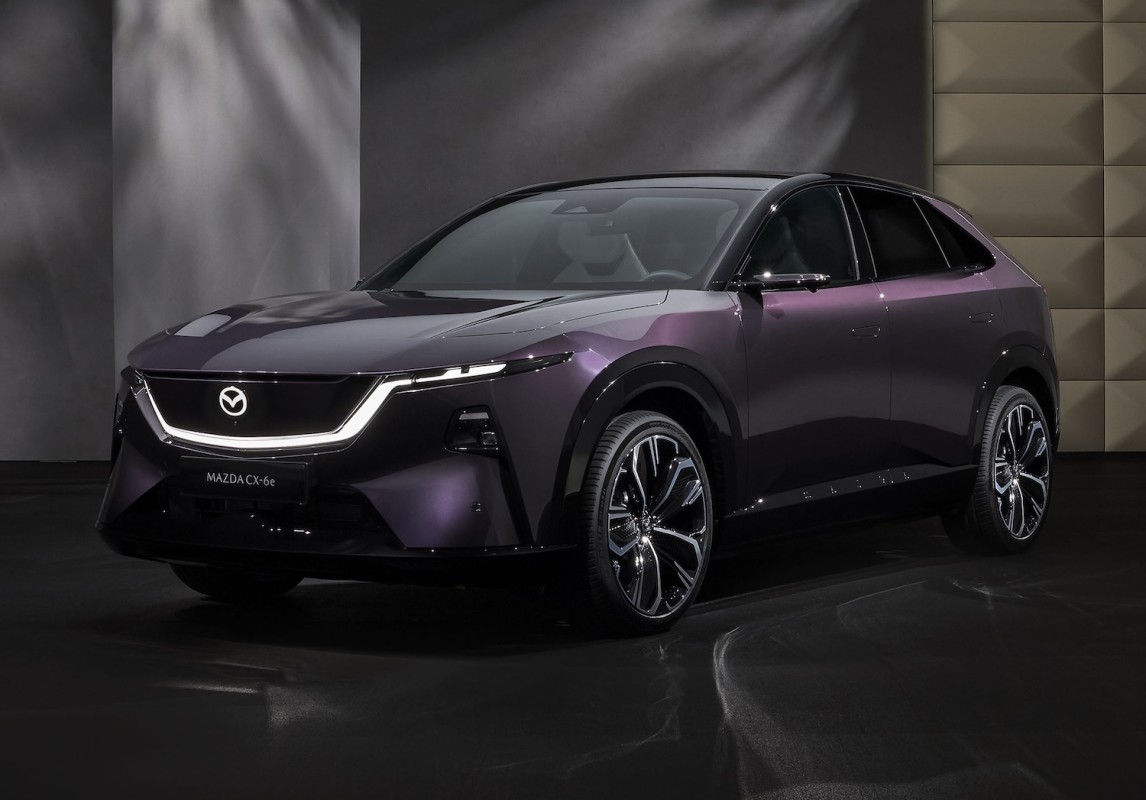
Further Expansion
In a bid to boost EV production, the company has chosen a second country to build its EVs. That country is Thailand, which, in recent years, has become the Detroit of Southeast Asia. All of Japan’s major automakers have assembly lines there, along with several Chinese and European companies, and even Ford.
Mazda is among the many that have set up shop in Thailand, and its Rayong plant currently builds the Mazda 2, Mazda 3, CX-3, and CX-30. The Mazda 2 and CX-3 are facing the axe soon, which shouldn’t be much of a surprise given their age. However, new models could soon fill the void left by aging models.
Mazda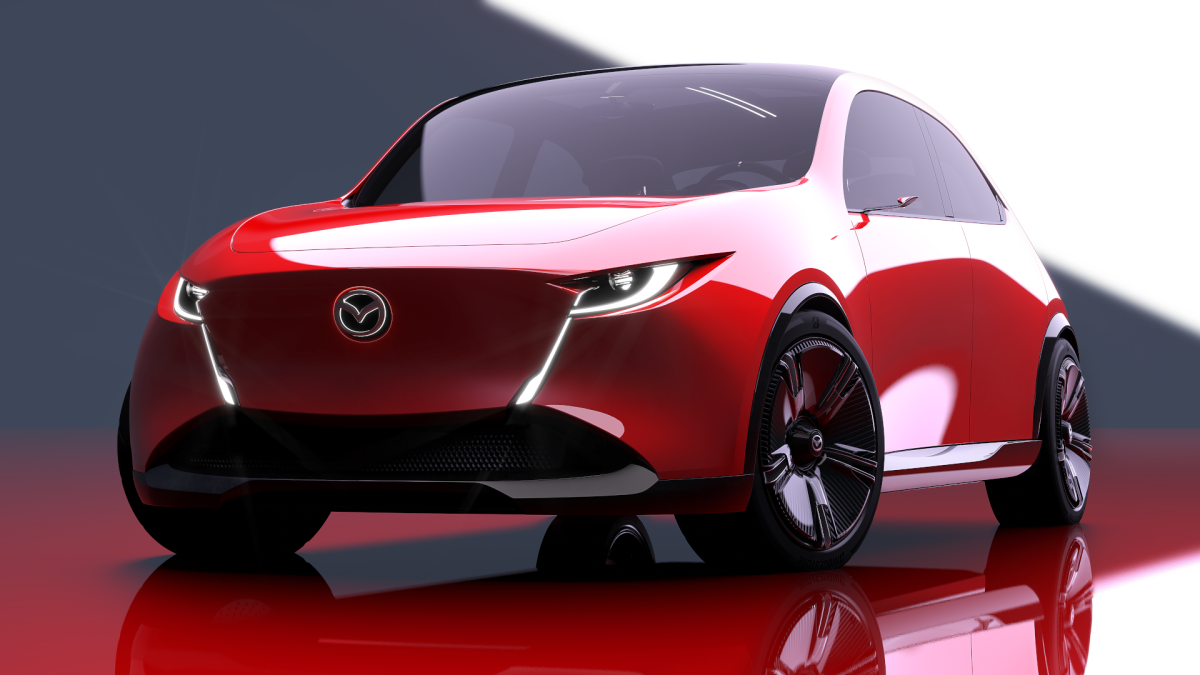
What Could be Built There?
It’s likely that the Changan-Mazda partnership could yield more EV compact crossover models. However, “electrified” also covers hybrids, and with the next-generation CX-30 confirmed to get a hybrid option, there’s a good chance those will be assembled in Thailand. Speaking of, the current CX-30 is only offered as a mild-hybrid in some countries, and its successor will finally get a full-hybrid option. It’s slated to be released in 2027, and it’s possible that it use one of two powertrains. The first is the Toyota-based system already used in the CX-50, while another could come from the upcoming CX-5 hybrid, scheduled to arrive in 2027.
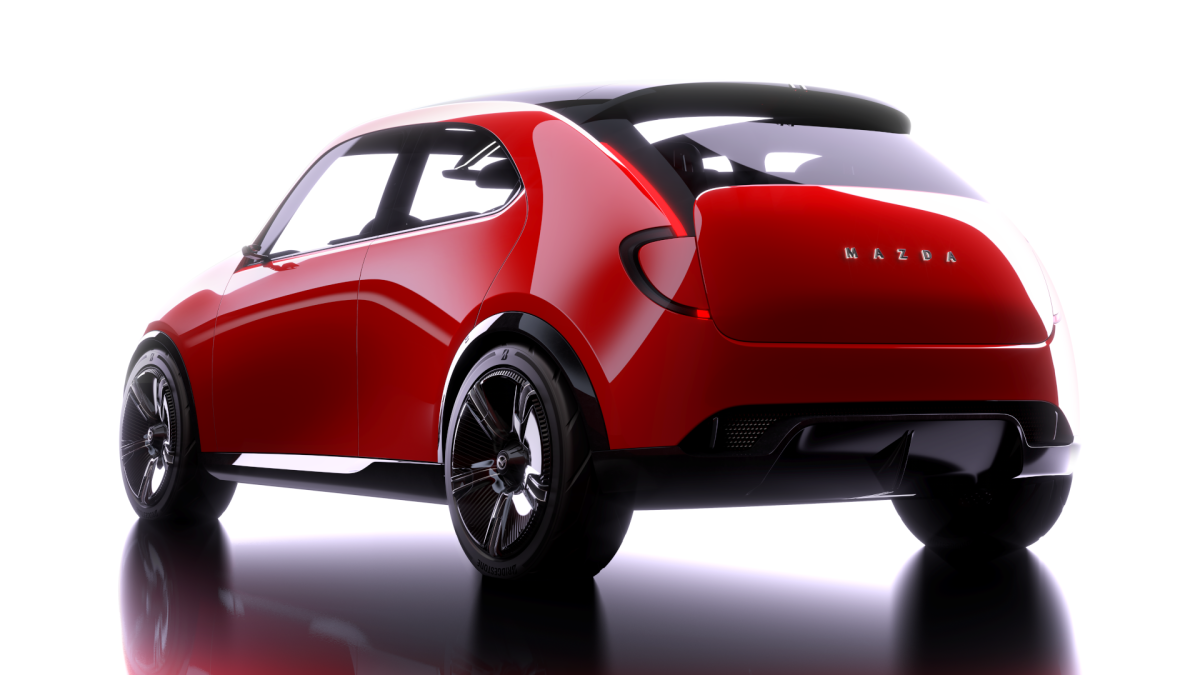
The same could apply to the rumored CX-20 that will replace the CX-3 and Mazda 2. That model is said to be based on the Vision X Compact show during the 2026 Japan Mobility Show. In fact, one can see a sketch of what appears to be the said concept in the signing of the agreement, so it’s a safe bet that the production will be produced there. Another likely candidate is the CX-6e, given the current partnership.
Thailand Bureau of Information
The Deal
Mazda will invest about $150 million (on top of its current investment) in Thailand as the manufacturing hub of its electrified compact crossover product range. It’s a massive deal, not just for Mazda but for Thailand itself, further strengthening its position in ASEAN as the biggest hub for automotive manufacturing.
“The vehicles to be produced will be high-performance compact SUVs that meet international standards, both in terms of environmental friendliness and hybrid technology. This large-scale comprehensive production investment is to support domestic sales and exports to Japan and other countries, such as ASEAN countries, targeting a production of 100,000 units per year,” said Masahiro Moro, president and CEO of Mazda Motor Corporation.
Yes, you read that right, they’ll be sending the built cars over to Japan, meaning Thailand will effectively be the second-biggest hub for Mazda’s electrified crossover. It’s interesting to see how more and more cars from the Land of Smiles are being exported to Japan.
Mazda