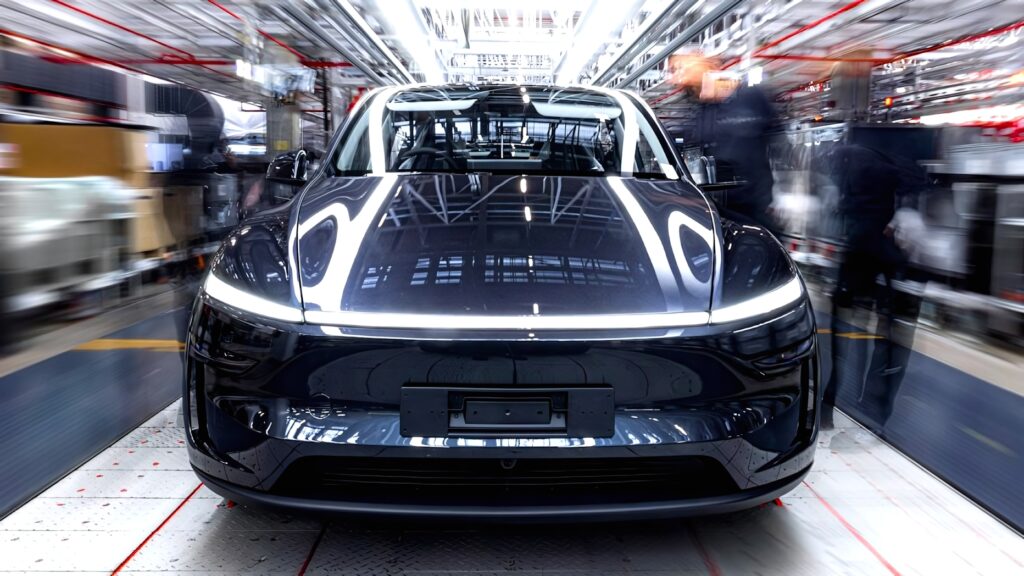
- Tesla’s Robotaxis crash every 55,000 miles, far more than humans.
- Human-driven crash estimates are around once every 200,000 miles.
- Robotaxis operate only in Austin, despite Musk’s 2025 nationwide claim.
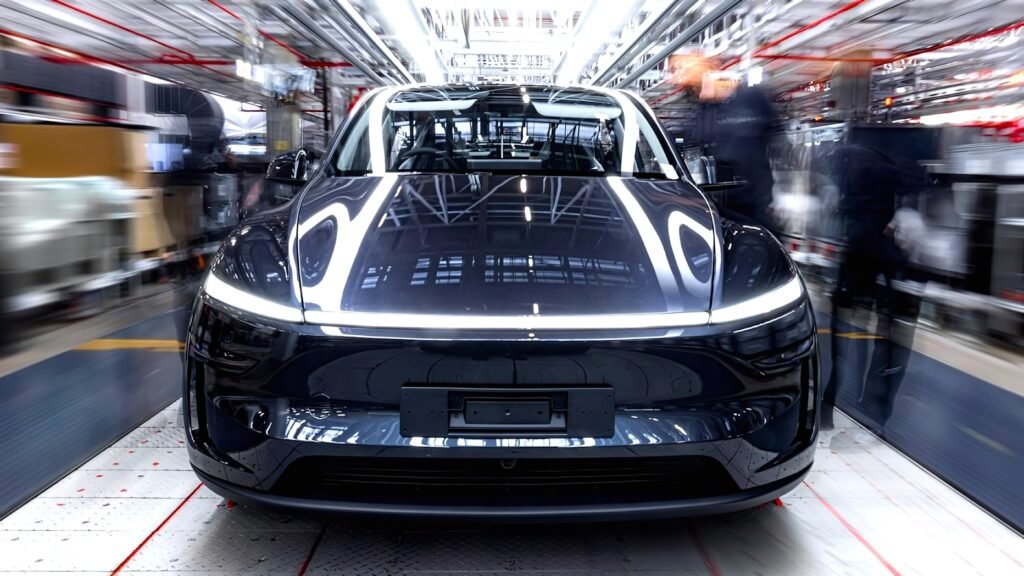
As many probably expected, Tesla’s Robotaxi service hasn’t grown the way Elon Musk predicted, and it’s not running as smoothly as the company might have hoped. New data shows that the autonomous cars Tesla is operating in Austin, Texas, are crashing far more often than human drivers.
Read: Tesla’s Model Y Robotaxis Can Squirt Now, But Yours Still Can’t
According to figures submitted to the National Highway Traffic Safety Administration, Tesla’s Robotaxis were involved in nine crashes between July and November of last year. During that period, the fleet logged about 500,000 miles, which works out to an incident roughly every 55,000 miles.
The Numbers Behind the Crashes
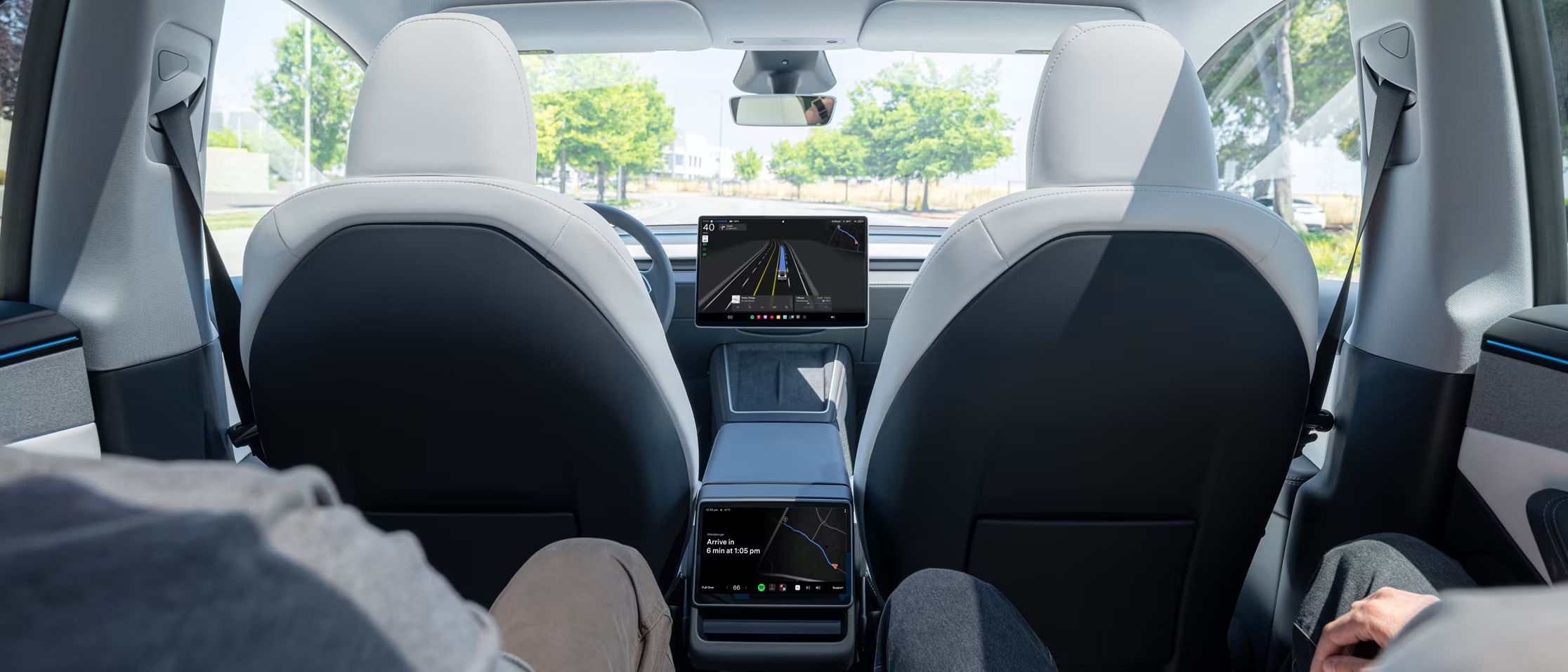
That rate might not seem disastrous at first glance. But NHTSA data shows that human drivers report one police-notified crash about every 500,000 miles. Factoring in unreported incidents, estimates suggest a more realistic figure of one crash every 200,000 miles.
Even by that more forgiving measure, humans are still significantly outperforming Tesla’s current autonomous system. Electrek reported this disparity, pointing out the shortfall in Tesla’s safety metrics.
What makes this more concerning is that each robotaxi has a safety monitor riding in the front passenger seat. Even with a human on board to intervene, the vehicles are still getting into more accidents per mile than human drivers typically do alone.
What Isn’t Tesla Saying?
Tesla doesn’t appear to be exactly transparent about these crashes, either. The reports submitted to the NHTSA are heavily redacted, leaving only limited details available.
In one case from September 2025, a robotaxi reportedly “hit an animal at 27 mph,” but there’s no information on how or why it happened. That same month, another vehicle was involved in a collision with a cyclist, though again, the specifics are missing.
Overall, Tesla reported nine crashes involving its Robotaxi fleet in Austin, between July and November 2025, according to incident data uncovered by Electrek in NHTSA’s Standing General Order crash reports:
- November 2025: Right turn collision
- October 2025: Incident at 18 mph
- September 2025: Hit an animal at 27 mph
- September 2025: Collision with cyclist
- September 2025: Rear collision while backing (6 mph)
- September 2025: Hit a fixed object in parking lot
- July 2025: Collision with SUV in construction zone
- July 2025: Hit fixed object, causing minor injury (8 mph)
- July 2025: Right turn collision with SUV
Robotaxi’s Slow Expansion
In July of last year, Musk made the rather absurd claim that Tesla’s Robotaxi service would reach “half of the population of the US” by the end of 2025. It’s now 2026, and the service is still limited to just one city: Austin, Texas.
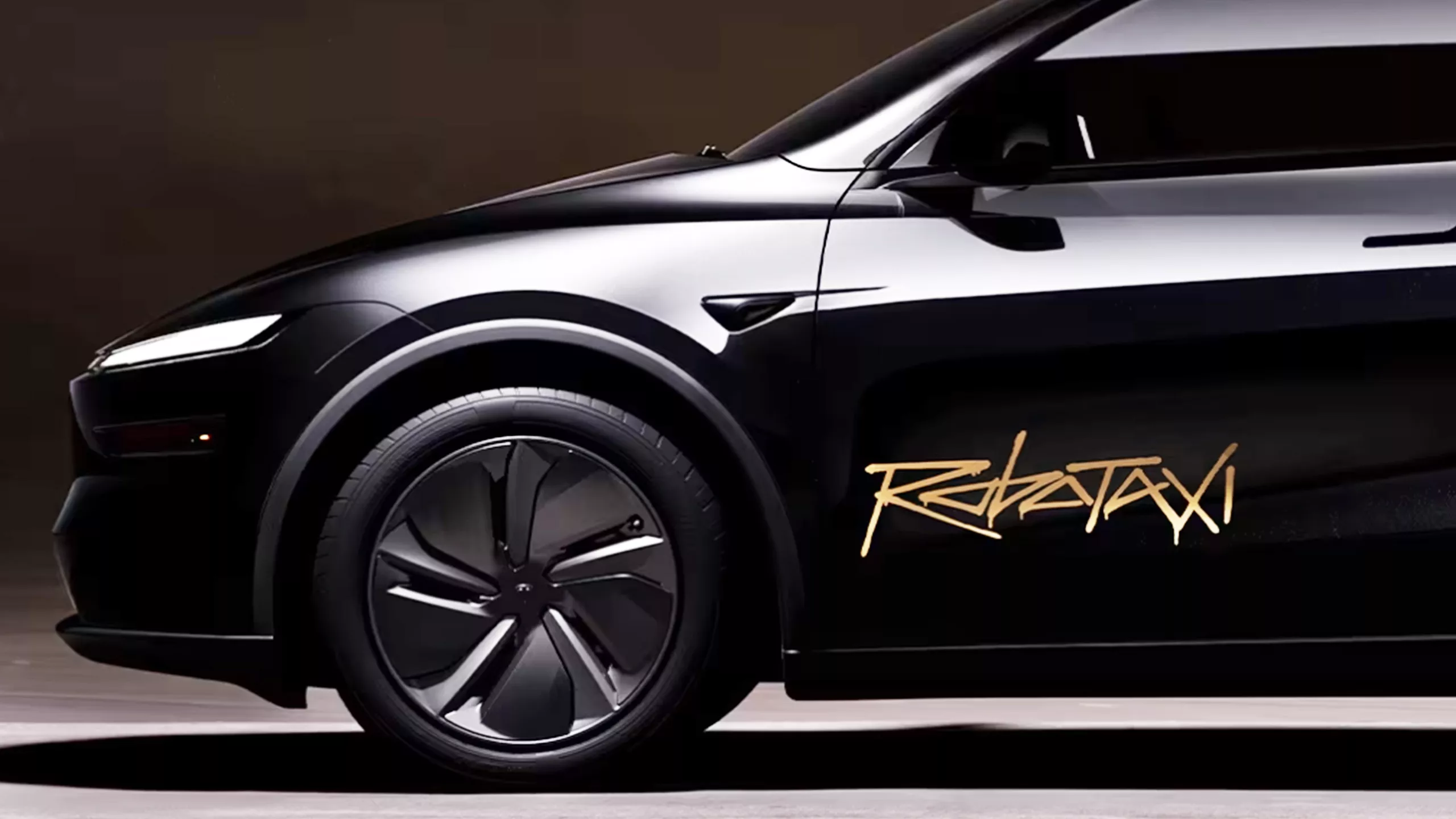
Tesla has expanded its service to the San Francisco Bay Area in California, but because it doesn’t have a permit to operate fully autonomous vehicles in the state, each Model Y is equipped with a human driver. It’s hardly a Robotaxi service then, but rather simply a ride-hailing taxi service.
That said, Tesla isn’t giving up on the idea. During its Q4 earnings call this week, the company confirmed plans to expand the program into seven new cities, including Dallas, Houston, Phoenix, Miami, Orlando, Tampa, and Las Vegas, all within the first half of the year.