Is Tesla OK?
Tesla is ending 2025 with a jarring setback: U.S. sales in November plunged to their lowest level since January 2022, according to exclusive Cox Automotive data shared with Reuters. Even after rolling out new “Standard” variants of the Model Y and Model 3, priced about $5,000 below the previous base models, the company saw sales fall nearly 23% year-over-year to 39,800 units. These cheaper versions were meant to help Tesla maintain volume as it shifts its long-term focus toward robotaxis and humanoid robots, technologies central to its $1.4 trillion valuation.
But the numbers highlight a deeper issue. EV demand has weakened sharply since the Trump administration ended the $7,500 federal tax credit in late September. Tesla launched the cheaper variants in hopes of offsetting that drop-off, yet the new trims failed to expand the market. The report states that the Standard versions cannibalized Premium sales, especially for the Model 3. Rather than attracting new buyers, the move pushed existing customers to spend less, shrinking overall revenue and weakening Tesla’s pricing power.
Tesla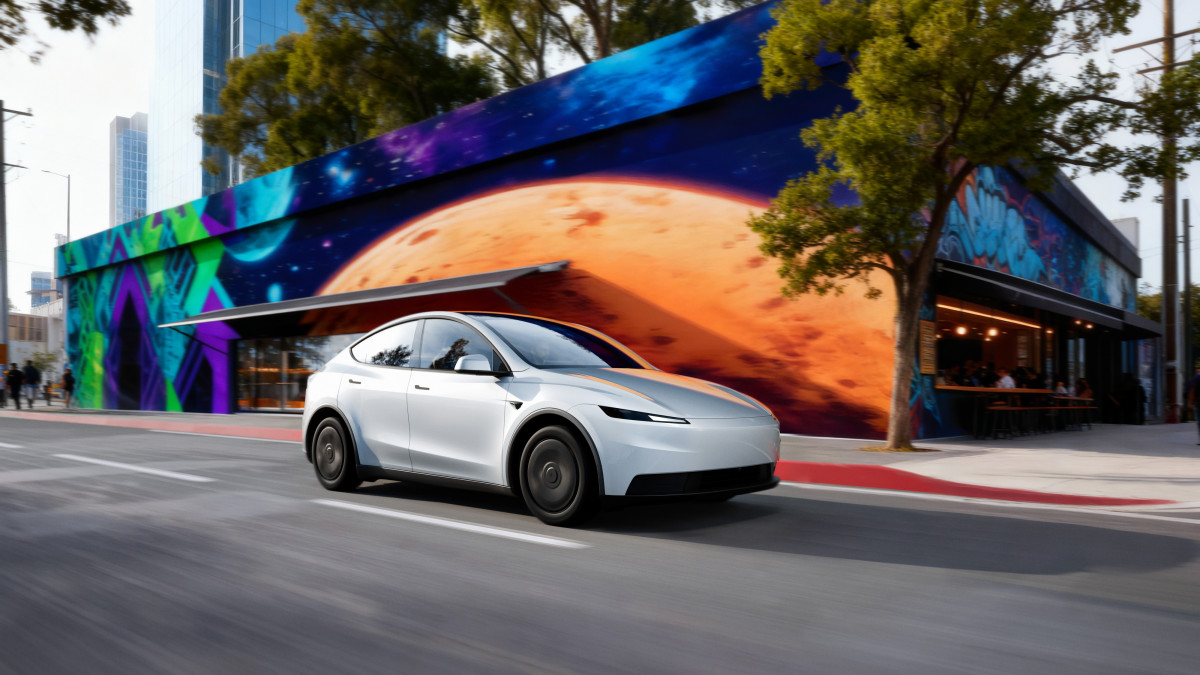
Why Sales Are Falling
The silver lining of the report indicates that Tesla technically gained market share in a collapsing EV market, jumping from 43.1% to 56.7%. But even dominating a shrinking segment couldn’t keep its own sales growing. U.S. EV sales as a whole fell more than 41% in November, and Tesla’s decline shows that cheaper offerings alone no longer spark demand like they once did. The constant pricing shifts have also created buyer hesitation, as consumers grow wary of depreciation and unpredictable discounts.
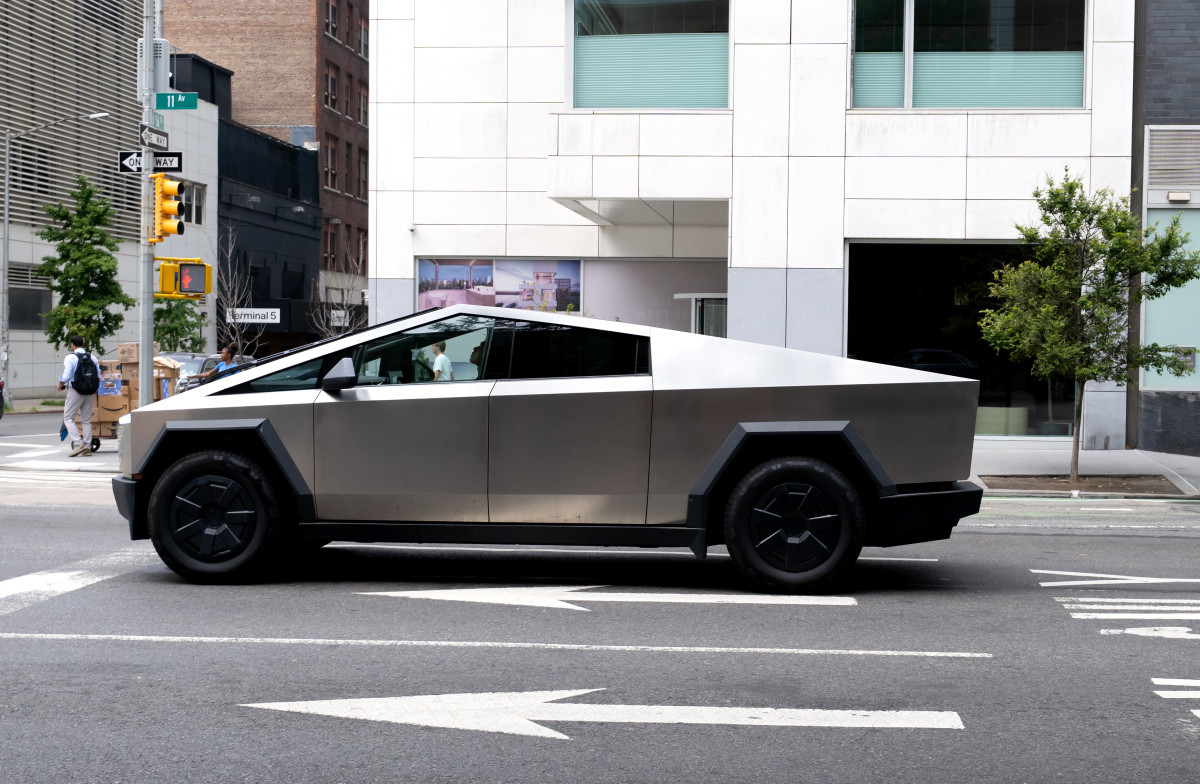
Compounding Tesla’s difficulty is the aging nature of its lineup. Aside from the Cybertruck, which has struggled to find mainstream appeal, Tesla hasn’t launched a truly new product in years. Its refreshed Model 3 and Model Y updates didn’t drive the excitement the brand needed, and Cox’s Streaty was blunt: Tesla needs an entirely new vehicle. With rivals rolling out fresh, feature-rich EVs at competitive prices, Tesla’s once-clear innovation lead is narrowing fast.
Tesla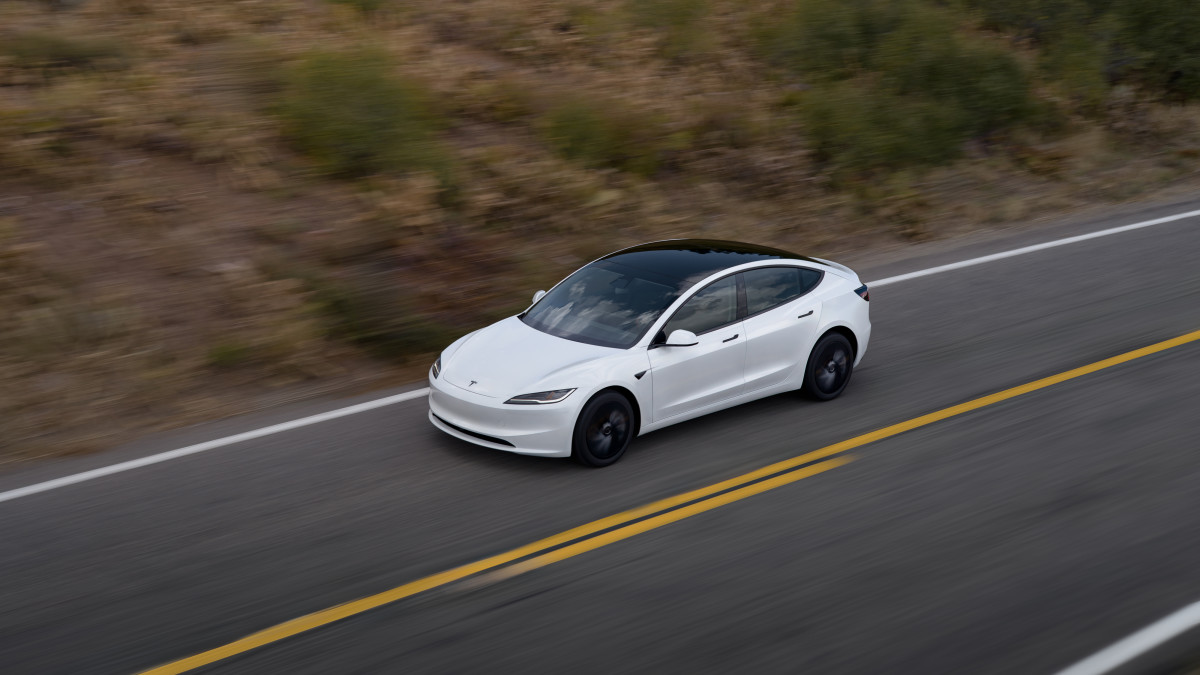
Market Forces and Brand Challenges
High interest rates, softened EV enthusiasm, and stricter tax credit rules have made the market tougher for every automaker, but Tesla faces additional headwinds. CEO Elon Musk’s alignment with U.S. President Donald Trump and far-right rhetoric has sparked protests and damaged Tesla’s once-iconic image. For a brand built as much on cultural influence as engineering, reputational hits now carry real commercial consequences.
Tesla has responded with aggressive incentives, including 0% financing on the Standard Model Y, an unusually steep promotion for a model that only began deliveries weeks ago. Analysts say such offers reveal deeper demand issues, especially as both Standard variants remain in inventory with reduced pricing.
In the report, Camelthorn Investments’ Shawn Campbell put it, “If the demand was there, they wouldn’t be offering 0% financing.”
Getty Images
What This Means for Tesla
With deliveries set to fall again this year, Tesla faces mounting pressure to refresh its lineup and restore momentum. Competition is intensifying from all sides, and affordability alone won’t sustain volume. The widely rumored next-generation vehicle platform may become Tesla’s reset button. But until it arrives, November’s four-year low stands as a warning: the EV pioneer must evolve faster or risk losing ground in a market it once defined.