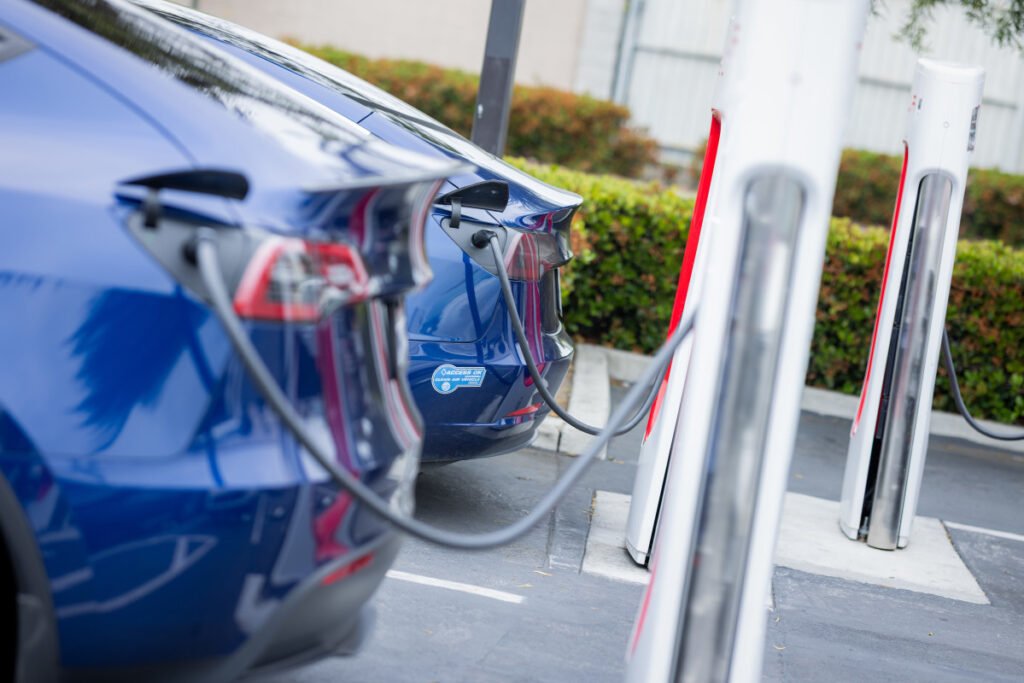
Tesla is adding a new Supercharging safety and convenience feature that is meant to make unplugging faster when you need to leave quickly or when a connector does not want to cooperate. The update lets certain drivers release a locked charge cable from outside the vehicle, reducing the time spent standing at a charger and removing the need to jump into the cabin to stop a session on the screen.
Zac Palmer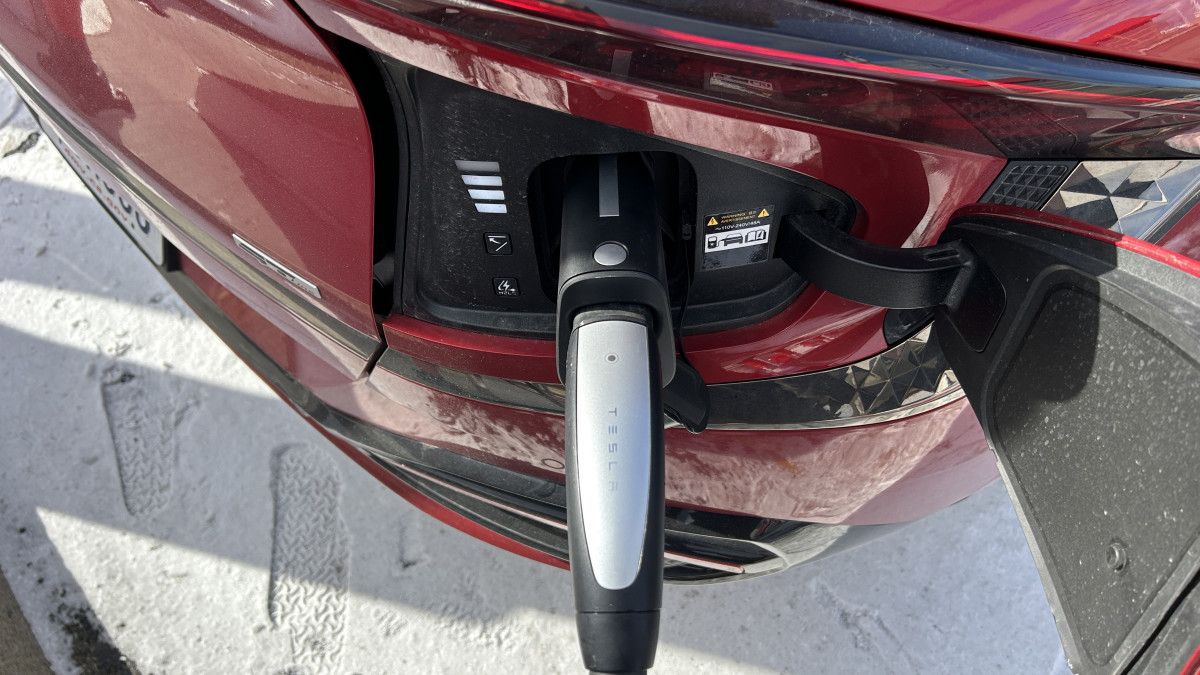
How The New Unlatch Works
The feature is delivered through Tesla software update 2026.2.3 and is currently listed for Model 3 and Model Y in the United States. When the vehicle is unlocked, or when a recognized key is nearby, the driver can pull and hold the rear left door handle for about three seconds. That action stops the charging session and unlatches the charge cable so it can be removed.
Accoding to the release notes:
“Charging can now be stopped and the charge cable released by pulling and holding the rear left door handle for three seconds, provided the vehicle is unlocked, and a recognized key is nearby. This is especially useful when the charge cable doesn’t have an unlatch button. You can still release the cable using the vehicle touchscreen or the Tesla app.”
The idea is simple, the door handle is close to the charge port on these models, so the driver can complete the whole process from the charging side of the car without opening the app or waking the central display.
Tesla is framing it as a safety feature because it gives drivers a quicker exit option if something feels off at a charger site, while also helping in common nuisance situations like a stuck connector, a failed release button, or an adapter that does not easily disengage.
Why It Matters For Real World Charging
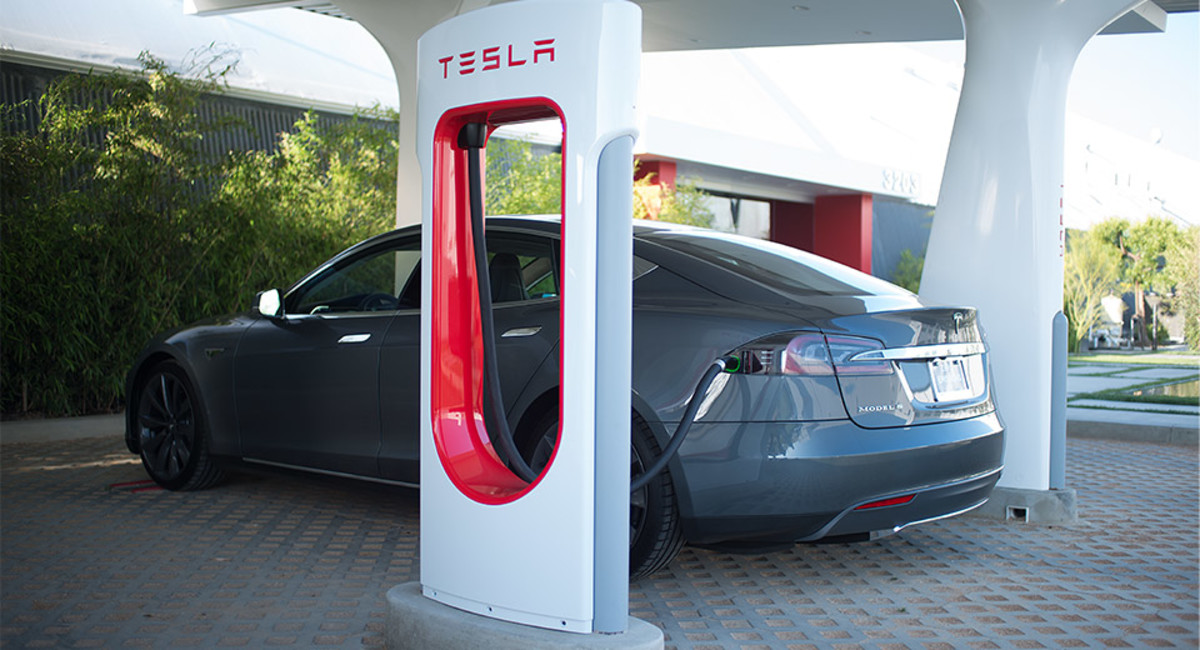
Most Tesla Supercharger handles already have an integrated button that can open the charge port and release the latch, but that is not always the tool you end up using. Charging with adapters, third party equipment, or a handle that is worn or unresponsive can turn a simple departure into a frustrating delay. In cold weather, the problem can be amplified by ice, road grime, or stiff seals, and anything that shortens the time spent fumbling at a charger improves both convenience and peace of mind.
It also reflects Tesla leaning on software to smooth ownership edges at a time when the lineup is under constant scrutiny. Small quality of life updates like this tend to land well because they address an everyday experience.
Model 3 and Model Y owners are the immediate beneficiaries, which is notable given how much of Tesla’s volume and mainstream appeal sits with its more affordable models. And looking at the brand’s broader range, including higher priced models like the truck, charging convenience and ease of use still factor into value calculations alongside lease deals.