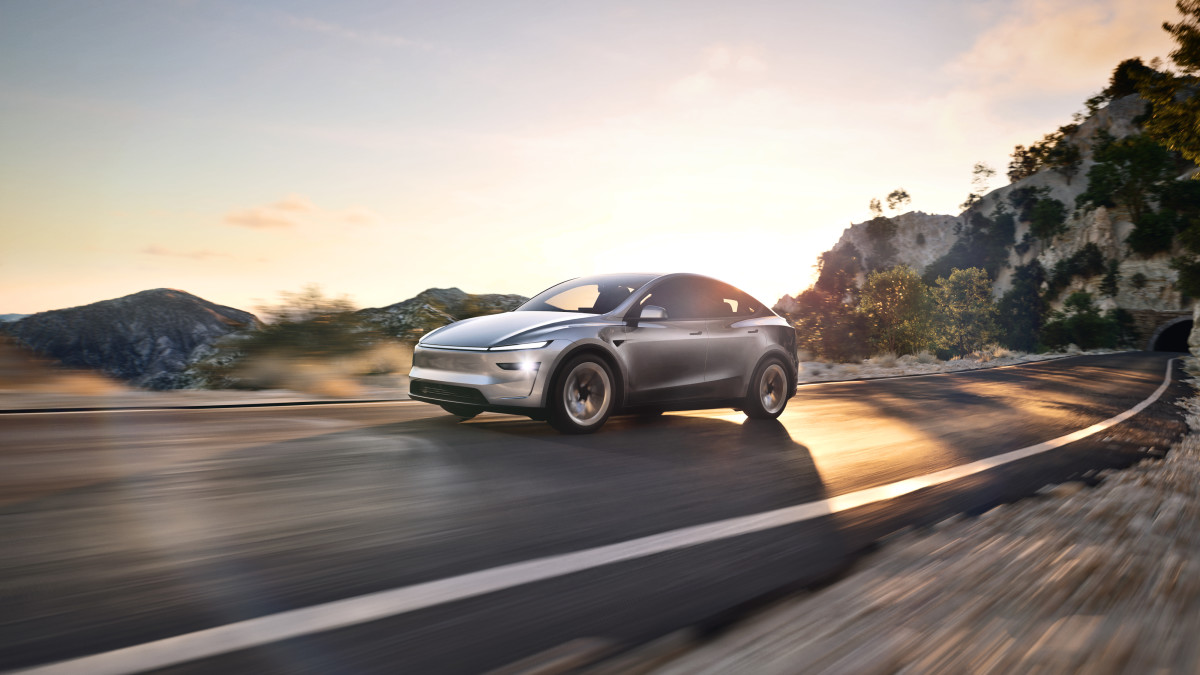
Tesla vs. California DMV
In 2025, the California Department of Motor Vehicles said that Tesla was misrepresenting the capabilities of its Autopilot system and driving aids. It wasn’t just the name Autopilot that bothered the DMV; it was claims of it being “able to conduct short and long-distance trips with no action required by the person in the driver’s seat.”
The automaker was then facing a 30-day sales suspension in the state, and the California DMV told the company to change its marketing language. Tesla complied with the request, and the company now calls its semi-autonomous driving capabilities Full Self-Driving (Supervised).
Tesla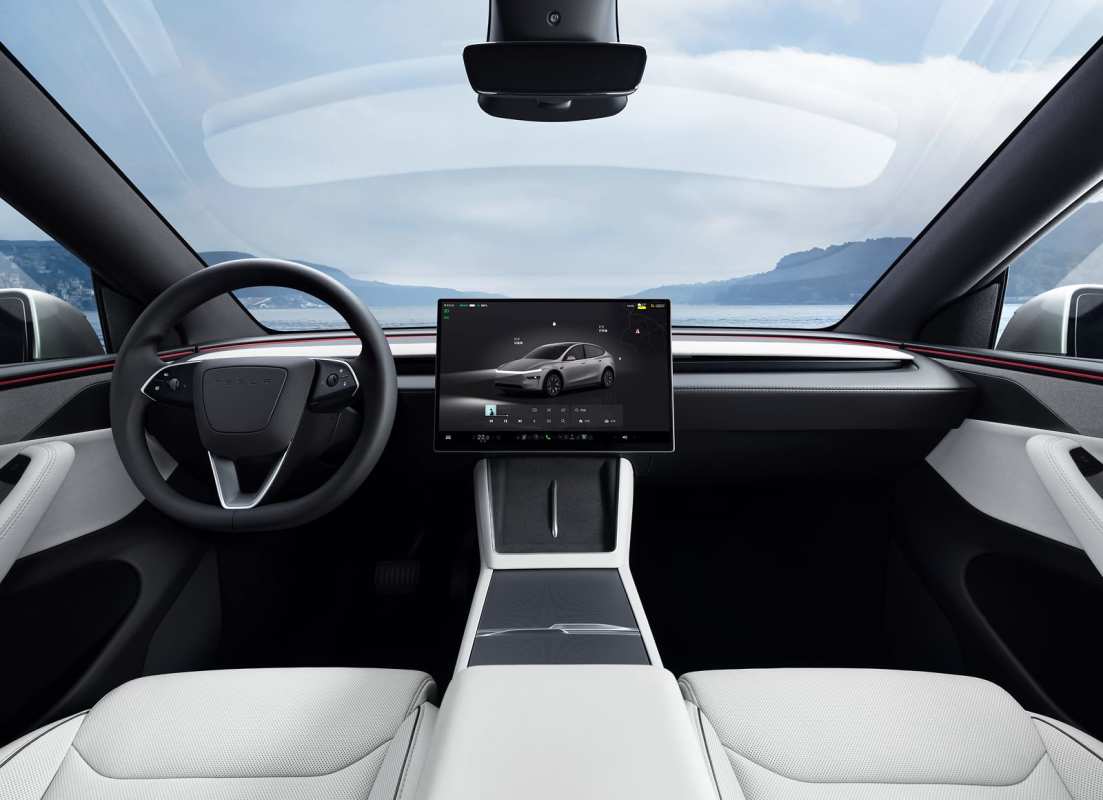
Tesla’s Counterattack
While it complied, the company didn’t take the ‘false advertiser’ tag lightly, CNBC reports. With that, it has launched an appeal to reverse the California DMV’s ruling. According to the case filed by Tesla, the state “wrongfully and baselessly labels Tesla a false advertiser for marketing its industry-leading advanced driver-assistance systems (‘ADAS’) under the brand names “Autopilot” and “Full-Self Driving Capability.'”
The resolution that Tesla wants is to reverse the California DMV order that labeled the brand as such, adding that it was “factually wrong, legally flawed, unconstitutional, and should be set aside.” Tesla said that Autopilot and Full-Self Driving Capability were never advertised as fully autonomous and that it has repeatedly warned against the misuse of its systems to consumers.
David Paul Morris/Bloomberg via Getty Images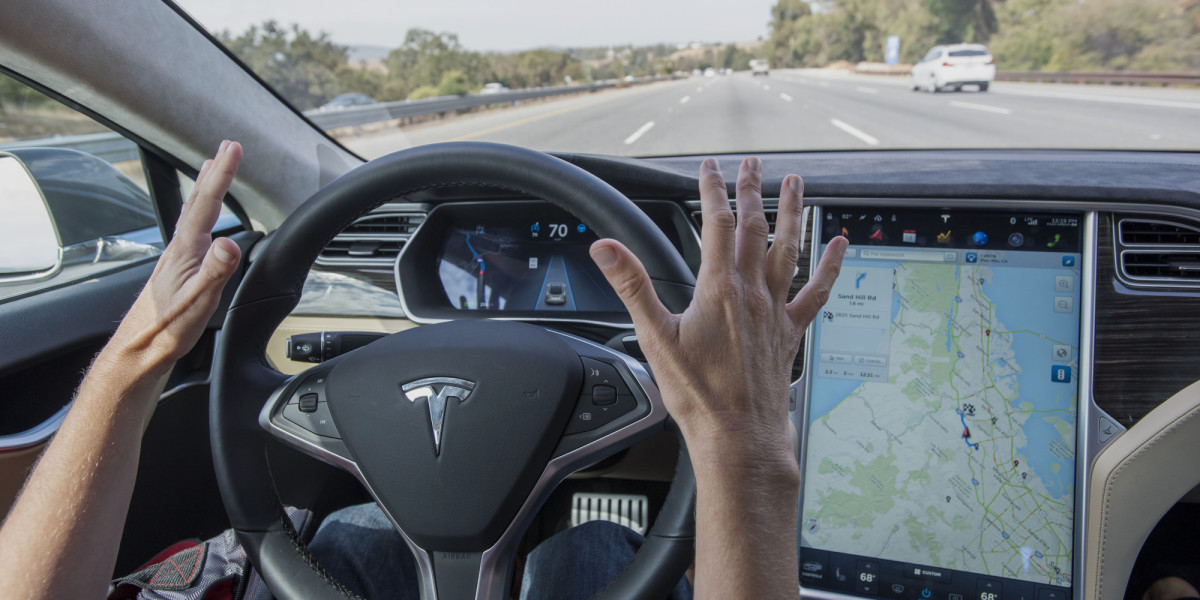
Alleged Lapses
Tesla argued the expert testimony of the California DMV, stating that only one expert was used. It added that the person “was not a marketing expert or linguist and thus appeared to have no reliable basis for any expert opinion on the effect of Tesla’s advertising on a reasonable consumer.”
It was also mentioned that the company was kept in the dark as the ALJ shared their recommendations with the California DMV, despite repeated attempts to communicate. The case file also stated that the DMV did not introduce evidence that Tesla’s semi-autonomous driving systems were, indeed, unsafe. There was also no consumer testimony to know if Tesla’s wording and advertising were misleading in the first place.
Tesla
Prayer for Relief
So, what does Tesla want out of all of this? Aside from clearing its name, there are other court orders that it seeks. One is to issue a declaratory judgment that “the Order is unconstitutional under the First Amendment to the U.S. Constitution.” The company also wants the court to acknowledge that it did not receive a fair trial, violating the Fourteenth Amendment.
There is no set date for the trial just yet, but you can check out more details of the case here. It will be interesting to see how it goes and whether or not the court will rule in favor of Tesla this time around. That said, California isn’t the only place where it’s battling the ‘false advertiser claims, as French courts are also taking a look at the company’s advertising practices in the country.
Tesla