
The mobile industry is bracing for a turbulent year. According to a recent forecast by Counterpoint Research, the smartphone chipset market could shrink by roughly 7% in 2026. While rising costs for components like memory are putting pressure on many manufacturers—especially those competing in the budget segment—Google appears to be finding its footing through a long-term investment: the Tensor chip for Pixel devices.
Google Pixel’s Tensor strategy: A financial shield against 2026 shaking phone market
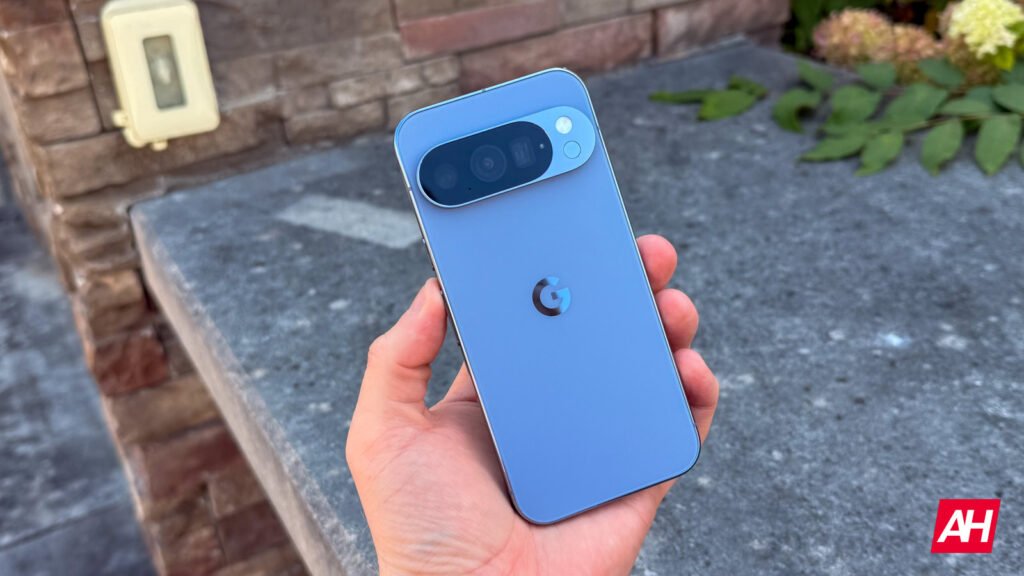
Developing a custom processor is no small feat. For years, Google relied on off-the-shelf components. The switch to its own Tensor SoC (System on a Chip), on the other hand, is now protecting its strategy. Google has more control over its supply chain and costs because it makes its own hardware.
Analysts say that companies that invest in their own silicon are better able to deal with the current state of the economy. Brands that make entry-level devices might have a hard time because parts are getting more expensive. But Google’s “premium-first” strategy is in line with where the market is really going. More and more people want high-end experiences, and Google’s custom chip lets them customize the Pixel’s software and AI features in ways that generic hardware can’t easily match.
Users still want more performance
Even though they are in a good financial position, the road ahead won’t be easy. The Tensor project makes sense for Google’s bottom line on paper, but a lot of users are still waiting for a big improvement in raw performance. In previous years, Pixel chips have lagged behind competitors in areas like thermal management and pure processing power. Last year, there were high hopes for the Tensor G5 powering the Google Pixel 10, Pixel 10 Pro, Pixel 10 Pro XL, and Pixel Pro Fold. After all, it was the first chip produced in TSMC’s highly regarded factories. However, not even TSMC’s advanced 3nm node could compensate for the weaknesses of the latency Tensor SoC. At best, the Taiwanese giant’s wafers achieved better energy efficiency than Samsung’s.
For the everyday user, “strategic positioning” matters less than how the phone actually feels in the hand. As we move through 2026, the challenge for Google will be to translate its financial stability into hardware that finally silences the critics. The goal is to move beyond being “better positioned” and become the undisputed leader in performance.
If the analysts are right, the Pixel brand may be able to handle the next big problems in the industry better than most. But the real test of success will come from the community. In 2026, users want a chip that not only helps Google make money, but also gives them the top-notch speed and efficiency they expect from a high-end flagship.
The post Tensor Chips to Save Google Pixel 2026 Finances, But Users Want More appeared first on Android Headlines.