Stellantis’ U.S. sales have been declining for seven consecutive years now, and the company’s top brass told dealers they cannot tolerate this situation anymore.
That’s why 2026 is the year that Stellantis sales must start growing again in the U.S.–at least that’s what transpired after a packed closed-door meeting last week between Stellantis senior executives and many of the company’s dealers at the National Automobile Dealers Association annual convention.
Dealers Have “All The Tools That They Need” To Make It Happen
Getty Images
The message after the meeting, as it was conveyed by Stellantis U.S. sales boss Jeff Kommor to The Detroit News, was very blunt. “2026 is the year of execution, and we’re counting on our dealers to deliver. We’ve given them all the tools that they need. Excuses are over. There are no more excuses,” Kommor said.
Now, this is not the first time that Chrysler, Dodge, Jeep and Ram dealers have been told by the company that a turnaround is imminent; the last time they heard that was last year at the NADA convention in New Orleans. It didn’t seem to make a difference, though, as the carmaker’s 2025 U.S. sales dropped by 4%, despite positive third and fourth quarters.
So what changed in 2026 to warrant this optimism? According to Kommor, Stellantis’ U.S. sales recovery has to happen this year, as the company is doing everything it can to help its 2,400-strong dealer network increase sales. The goal is a very ambitious one, mind you: a 25% increase year-over-year in retail vehicle sales for 2026.
New And Refreshed Models Are Expected To Fuel Growth
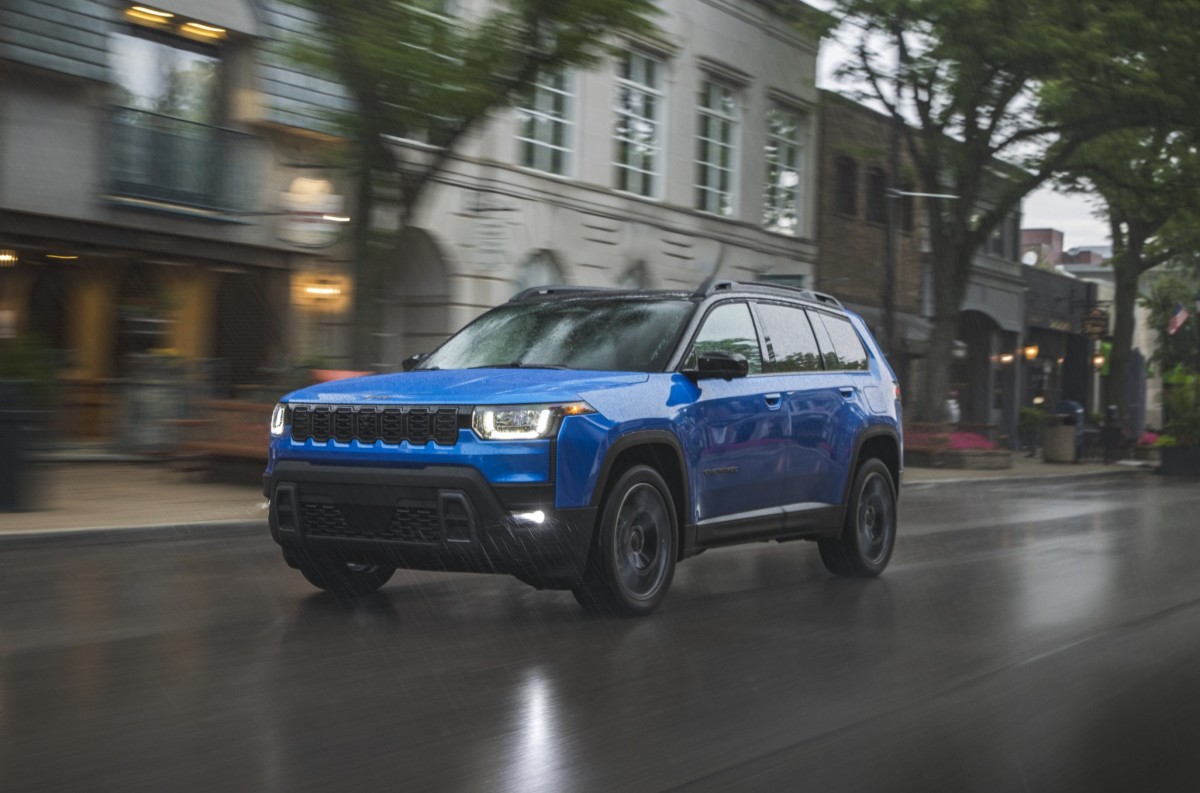
Is that a realistic objective? Stellantis seems to think so as it relies on many new or refreshed models that are coming this year, especially for the Jeep and Ram brands. Over the next few months, dealers will receive plenty of new vehicles, many with Hemi V8 engines or other gas and mild hybrid powertrain options that Stellantis believes will sell better than the battery-electric and plug-in hybrid vehicles it is now distancing itself from.
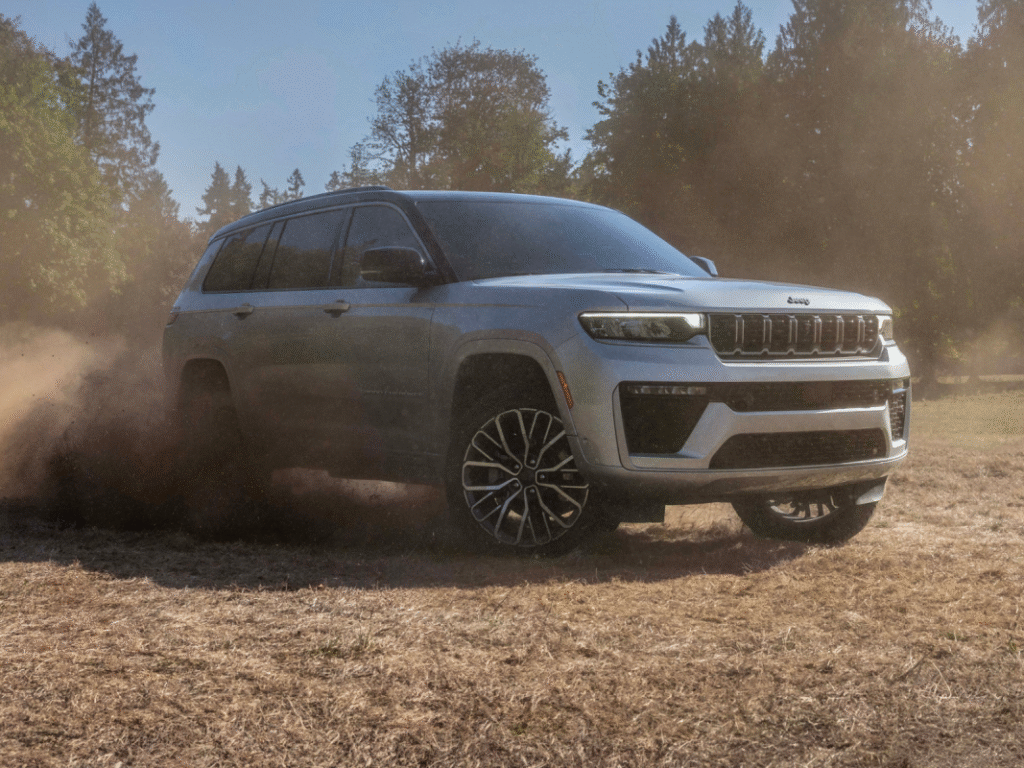
The new models launching this year include the redesigned Jeep Cherokee compact SUV that’s debuting as a hybrid-only model, the all-new Jeep Recon all-electric midsize SUV, the refreshed Grand Cherokee midsize SUV and Grand Wagoneer full-size SUV, as well as the 777-hp Ram 1500 SRT TRX, the Cummins-powered 2026 Ram 2500 Power Wagon, and probably the 2026 Ram 1500 REV Extended Range (formerly known as the Ramcharger).
As for Dodge, while no new models are expected this year, the brand recently kickstarted sales of the gas-powered Charger 2-Door and 4-Door muscle cars, which are expected to draw more customers to its showrooms after the all-electric Daytona version has failed to rock the sales charts.
Finally, the Chrysler brand’s lineup remains unchanged from last year, consisting exclusively of minivans: the Pacifica and the budget-oriented Voyager.
Updated Pricing And Increased Marketing Spending Should Also Help
Ram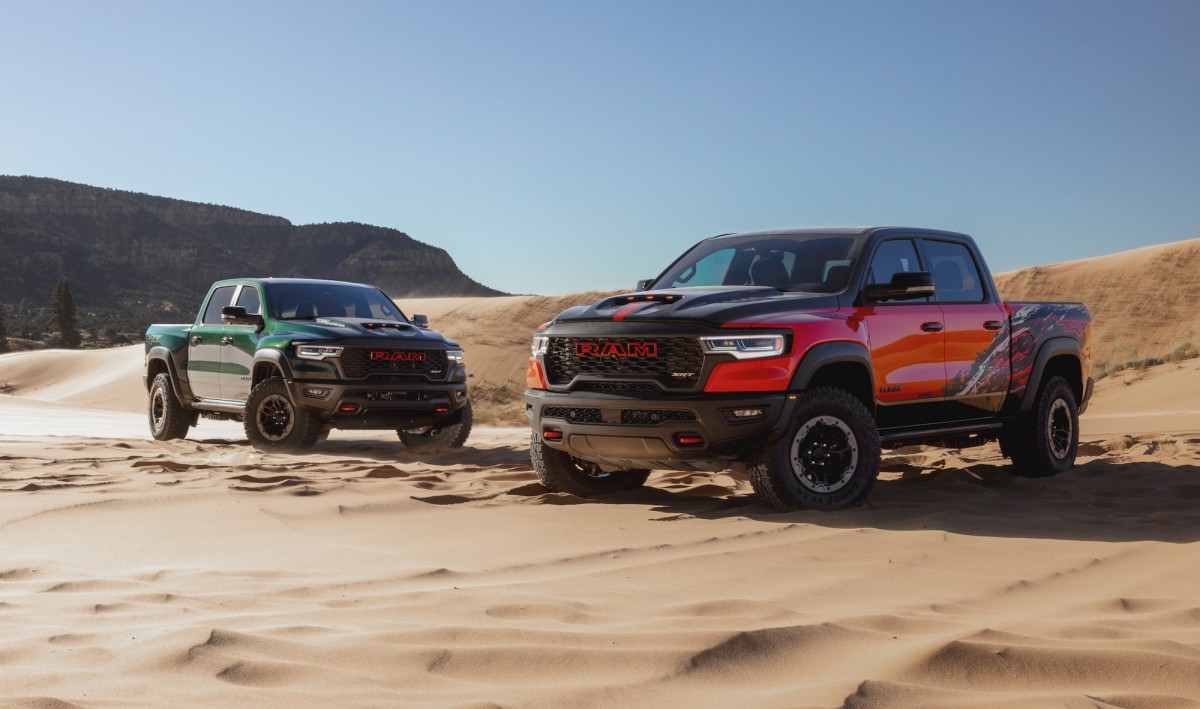
On top of the addition of new models, Stellantis has readjusted pricing and trims across many nameplates, including throughout the Jeep lineup, where dealers previously complained of prohibitive prices. Furthermore, the automaker has also helped dealers clear their lots of several older and unpopular models that piled up, dating back to 2024, such as the Dodge Hornet and Jeep 4xe plug-in hybrids.
According to Kommor, starting in late 2025, Stellantis began pouring record levels of money into marketing at regional and local levels to support dealers, while also adopting a more collaborative approach with them to find the best way to market their cars in certain large markets.
Stellantis kept a U.S. market share of around 8% in 2024 and 2025, an abrupt decline from a share of 12.5% it had as recently as 2020. Well, at least it’s got a lot of room left to grow.