Not All Recalls Are Created Equal
Recalls in the auto industry tend to fall into two broad categories. Some trace back to suppliers, where a faulty part finds its way into thousands of vehicles across multiple brands. Others originate much closer to home, often tied to how a vehicle was assembled at the factory.
The latest Rolls-Royce recall falls into the assembly category. Recalls are rare for the British marque, given its low production volumes and high quality-control standards, so even a minor issue tends to get noticed.
This recall comes down to an assembly oversight, not a supplier problem. The number of vehicles is small, but the safety implications are sufficient for Rolls-Royce to issue a formal voluntary recall and notify owners immediately.
Rolls-Royce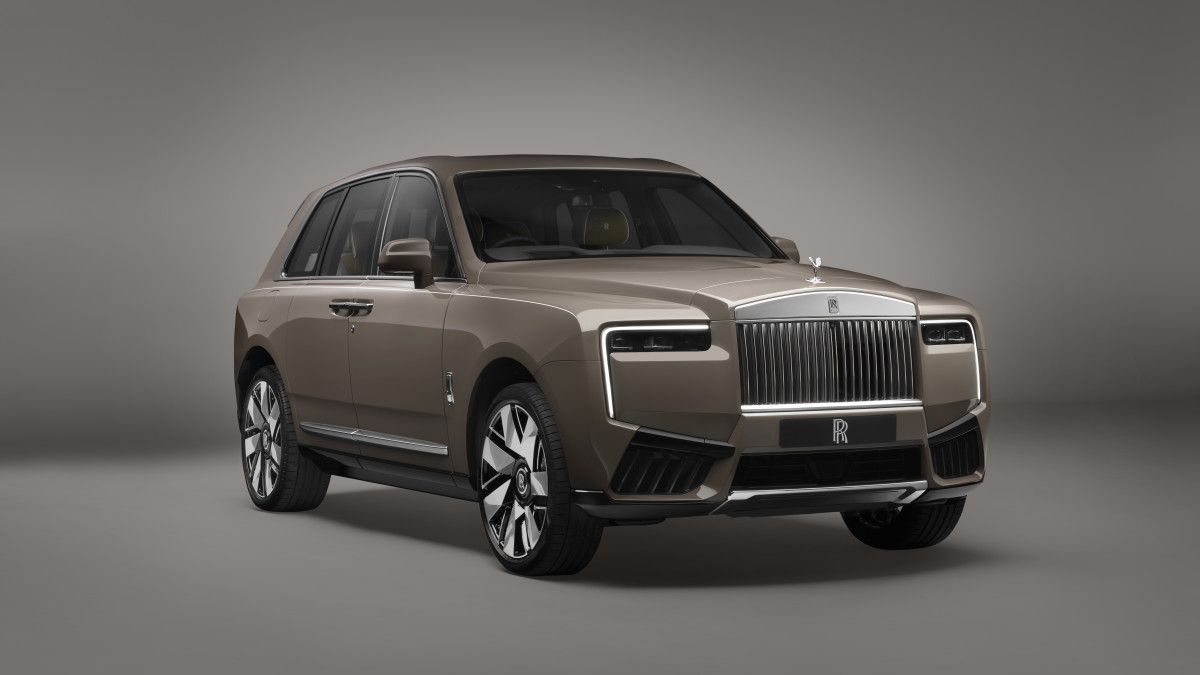
The Affected Cullinans
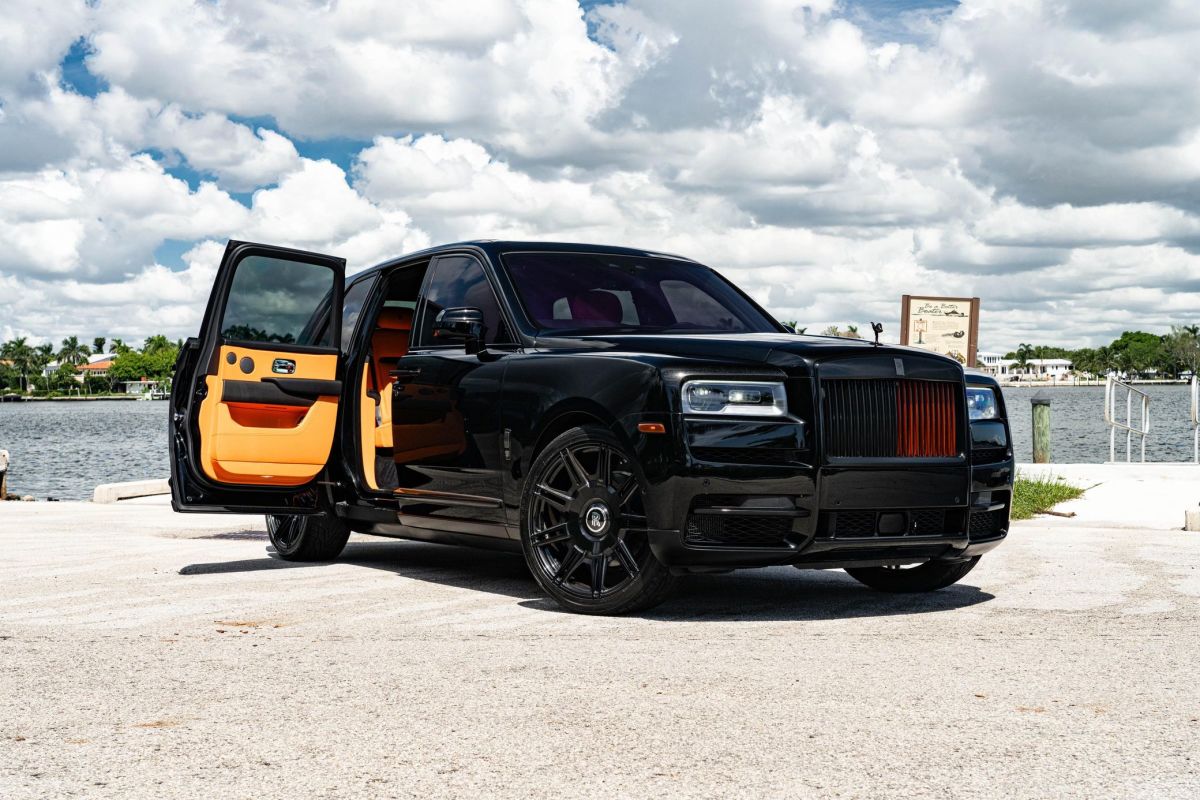
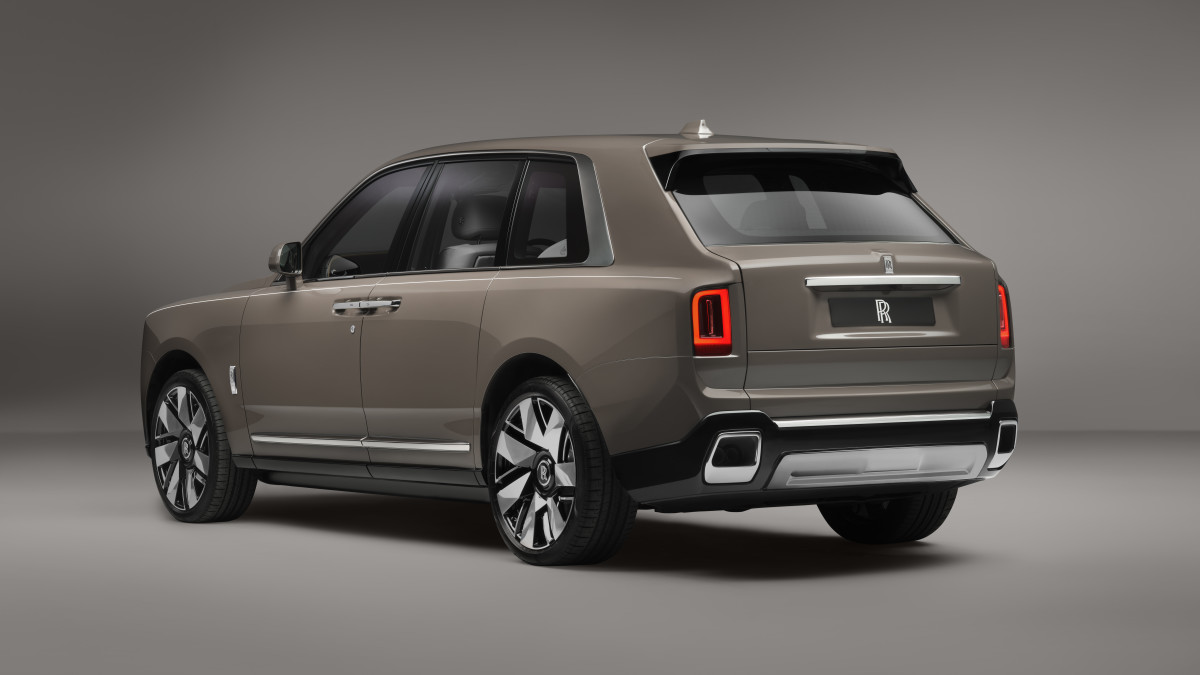
The recall includes 2020-2026 Rolls-Royce Cullinan SUVs, with production dates ranging from November 27, 2019, to November 19, 2025. So, yes, that covers both Cullinan Series I and Series II. In total, 102 vehicles are potentially affected.
According to the safety recall report, the main issue is the fixing bolts related to the rear seating area. These bolts secure either the left- and right-rear seat safety belts or the rear bench seat backrest locking brackets. In some cases, one of these bolts may not have been tightened to the correct specification during assembly.
Needless to say, a loose bolt can become a bigger problem over time. In a crash, the rear seat belts might not hold passengers securely, or the backrest could shift forward if there’s cargo in the back. Either way, there’s a risk of injury, particularly with the vehicle owner who will likely sit in the back.
Engineers first noticed the issue on January 23, 2026, during a routine quality check. A rattling noise led them to a loose bolt near the rear seat. After finding another vehicle with the same problem, Rolls-Royce started a deeper investigation and decided to issue a voluntary recall.
A Relatively Simple Fix
The fix is relatively simple. Dealers will check the bolts, tighten or replace them as needed, and inspect the rear seat belts for any issues. If anything needs to be replaced, it will be done at no cost to the owner.
Until the inspection is done, Rolls-Royce recommends not using the rear seats or carrying cargo in the back. It’s a safety precaution, not based on the number of vehicles involved. So far, there have been no reported accidents or injuries linked to this issue.
For a brand built on craftsmanship and attention to detail, this recall highlights how even minor assembly issues can occur. The response here, at least, has been focused and contained.
Cars & Bids