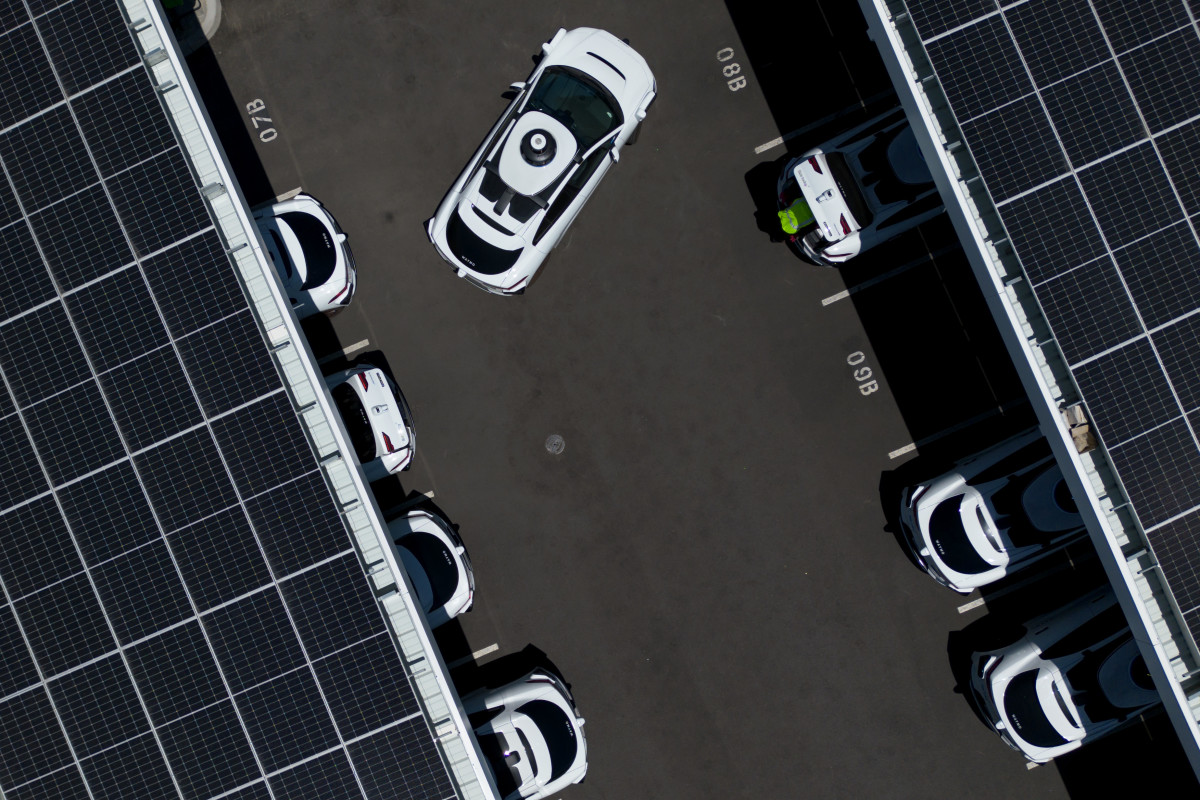
Rivian has just announced several major breakthroughs in its autonomy and AI journey, aimed right at Tesla’s Full Self-Driving suite. At its first Autonomy & AI Day, the EV maker revealed a new proprietary silicon and outlined plans to integrate LiDAR into future models. The company also announced a new autonomy subscription suite called Autonomy+, with one-time or monthly purchase options. These plans all form part of Rivian’s mission to eventually achieve Level 4 autonomy, where a vehicle can handle all aspects of driving without driver supervision or intervention within pre-mapped environments.
Related: Rivian Promises Hands-Free Driving by 2026—Even in City Traffic
In-House Silicon Underpins New Advances
The backbone of Rivian’s progress in self-driving tech is a new in-house silicon, designed for its vision-centric physical AI. The company’s Autonomy Compute Model 3 (ACM3, one of several geeky terms Rivian brandished about at the presentation), ultimately allows for high processing power, efficiency, and performance.
More than any other feature, our owners have asked for more hands-free miles.
With Universal Hands-Free, you can now enjoy hands-free assisted driving on any road with clearly defined lanes. That’s roughly 3.5 million miles in the U.S. and Canada.
Look for it in our next… pic.twitter.com/ZFhwVzvt6b
— Rivian (@Rivian) December 11, 2025
“I couldn’t be more excited for the work our teams are driving in autonomy and AI. Our updated hardware platform, which includes our in-house 1600 sparse TOPS inference chip, will enable us to achieve dramatic progress in self-driving to ultimately deliver on our goal of delivering L4. This represents an inflection point for the ownership experience – ultimately being able to give customers their time back when in the car,” said Rivian Founder and CEO RJ Scaringe.
Here are some of the key takeaways from Rivian’s Autonomy & AI Day:
- LiDAR will be integrated into future R2 models
- Gen 3 Autonomy hardware will begin shipping on R2 models late next year
- Universal Hands-Free driving coming to over 3.5 million miles of roads in Canada and USA
- New Autonomy+ subscription, priced at $2,500
- New Rivian Assistant launching early in 2026
Rivian’s latest autonomy hardware with LiDAR is undergoing validation before plans to be integrated on R2 models at the end of 2026; the R2 will be smaller and cheaper than the R1S SUV. With LiDAR, the ability to identify obstacles in sub-par conditions is enhanced, as opposed to a camera-only system as Tesla uses.
Rivian R2 with LiDAR Rivian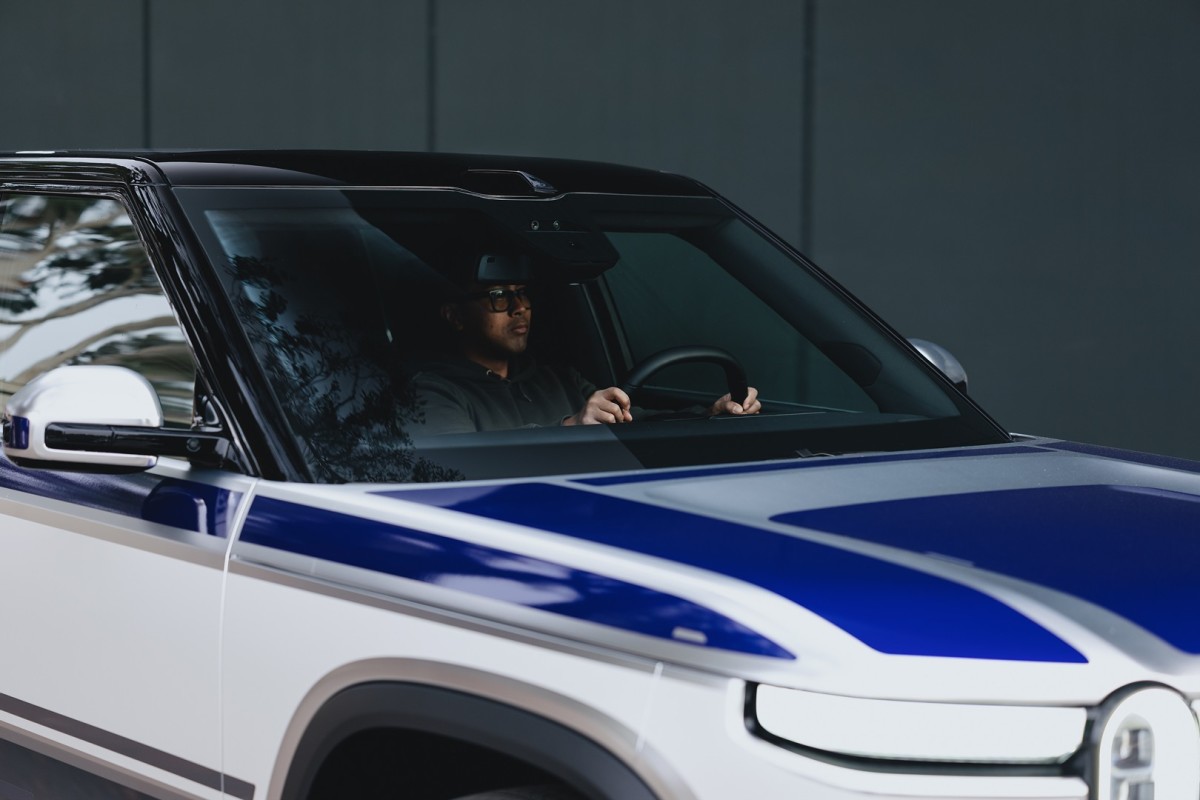
The Universal Hands-Free system is an exciting development, as it can operate off highways as long as the road has clearly painted lines. Rivian’s mention of Level 4 autonomy is a bold one, given that most current self-driving systems (including Tesla’s FSD) are at Level 2, which requires driver supervision at all times. Mercedes has introduced Level 3 autonomy, whereby the driver does not need to supervise driving duties, on select high-end models.
Related: Nissan’s Upcoming Autonomy Tech Handles Much More Than Highway Driving
Autonomy+ To Launch With Attractive Pricing
Rivian
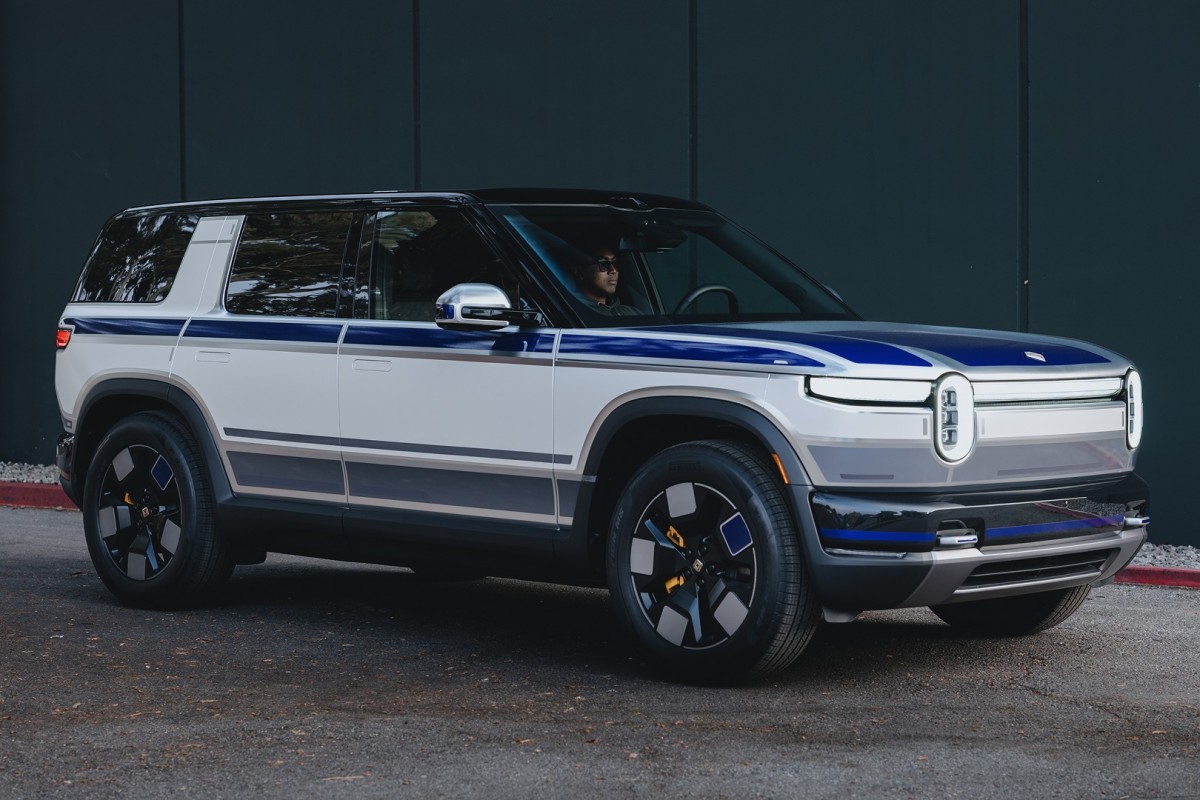
Rivian’s new autonomy suite, Autonomy+, will launch early in 2026. As with Tesla’s FSD, its capabilities will expand continuously. However, with a one-time cost of $2,500, it’s far cheaper than Tesla’s FSD system, which costs $8,000. Alternatively, Rivian customers can pay $49.99 per month for access to Autonomy+. This suite will include Universal Hands-Free Driving, assuming you’re operating the vehicle in an area compatible with the functionality.
Moving away from self-driving tech for a moment, the company’s new Rivian Assistant will launch in early 2026 on Gen 1 and Gen 2 R1 vehicles. This voice-driven assistant is designed to work seamlessly with third-party apps, with Rivian naming Google Calendar as the first integration. According to Ford CEO Jim Farley, every new car should have an AI Assistant.
Related: Elon Musk Says Tesla FSD Now Lets Drivers Text and Drive, But It’s Still Illegal
Final Thoughts
Rivian’s decision to develop in-house autonomous tech will give it full control of the self-driving experience, as it works its way to Level 4 autonomy. We applaud the use of LiDAR as part of a multi-modal sensor strategy, which should improve the vehicles’ ability to identify and respond to obstacles in challenging conditions.
The Autonomy+ suite sounds promising, especially for less than a third of the price of Tesla’s FSD. Obviously, we’ll have to see how close it gets to FSD in terms of handling most self-driving duties—the latest FSD system is much-improved, with many journeys now being accomplished with zero driver intervention.
We’ll know more about how close Rivian has gotten to Tesla early next year, when Autonomy+ launches.