Take Me to the ‘70s
Few cars fit into automotive culture quite like the Lotus Esprit. It’s sharp, geometric, and unapologetically low, always linked to late ’70s optimism and the Bond era. For us car nuts, it’s more than a sports car.
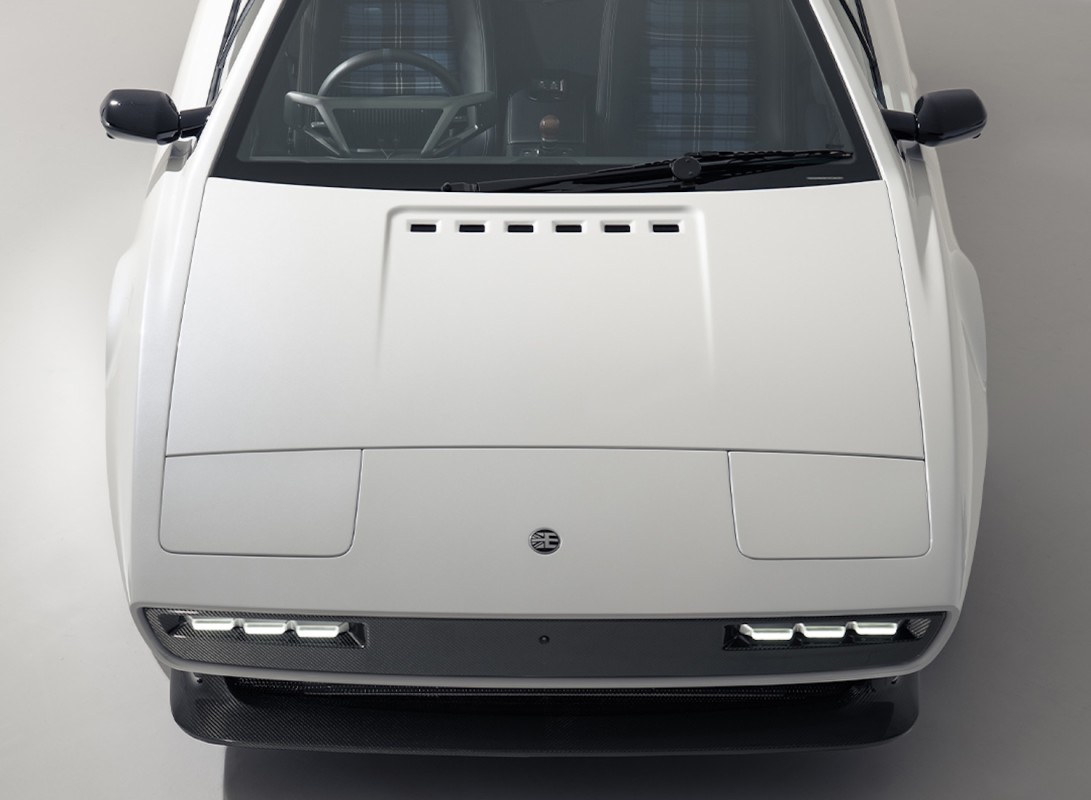
Enter the Encor Series 1 – a ground-up remaster that sticks to what made the Esprit iconic. Encor scanned an original car, refined the surfaces, and rebuilt it with modern materials and engineering where it matters. The silhouette is still unmistakable.
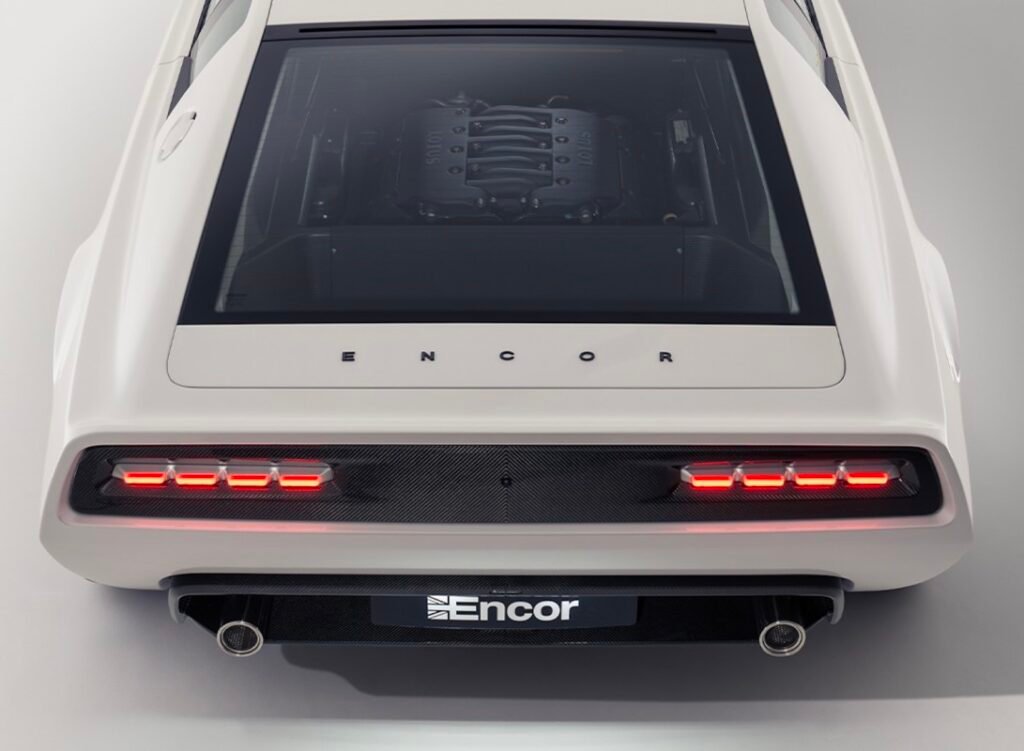
Now there’s proof this project is moving from concept to reality. Encor has fired up the car’s twin-turbo V8 for the first time, and the sound is exactly what you’d hope for.
A Familiar Sound, Reworked
The first startup says more than any spec sheet. It shows whether a restomod really understands its roots or just copies the look.
As you can hear from the short clip above, the sound is mechanical, not overly polished. There’s a raw edge that fits the Esprit’s character. It isn’t artificially enhanced or too refined. It’s a proper mid-engine V8, just more sorted than before.
On paper, the numbers are modest for a modern supercar, and that’s by design. The 3.5-liter twin-turbo V8, based on the original Esprit V8, has been rebuilt with forged internals, upgraded turbos, and modern fuel and cooling. Output is about 400 horsepower and 350 lb-ft of torque.
While those numbers aren’t exactly headline-grabbing, they match the car’s projected weight of under 2,650 pounds. It’s the kind of balance that would make sense to Colin Chapman, whose philosophy still shapes anything called Esprit.
A reworked five-speed manual with Quaife parts fixes one of the original car’s weak spots. Encor seems focused on improving the drive, not just boosting the stats.
Encor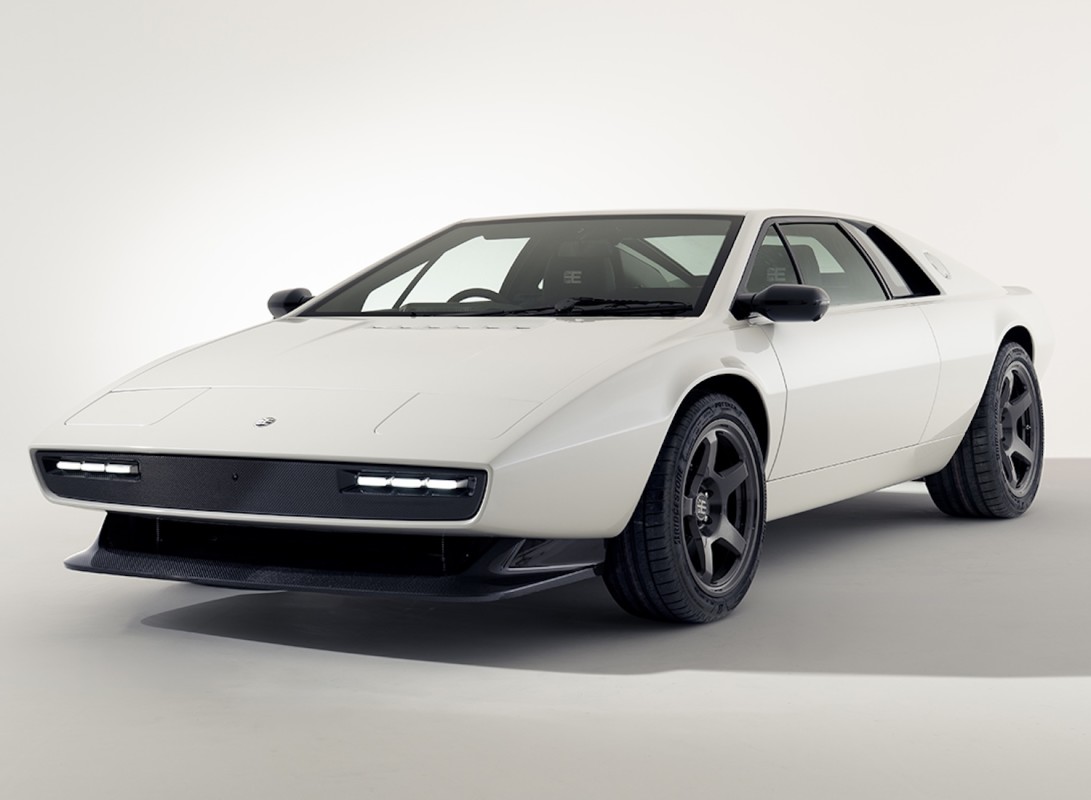
Carbon Skin, Classic Shape
Beyond the powertrain, the Encor Series 1 stays true to its brief. The original fiberglass body is now a single-piece carbon-fiber shell, slightly wider for modern tires and cooling. Pop-up headlights are still here, now with LED projectors.
Inside, the cockpit keeps its angled layout, tartan accents, and mostly analog feel. There’s a digital display in a billet aluminum binnacle, but it doesn’t take over the helm. Modern tech is there, just not in your face.
Performance estimates put 0–62 mph at about 4 seconds, with a top speed near 175 mph. Quick enough, but still true to what this car is meant to be.
Production is limited to 50 units worldwide. Pricing starts at £430,000 (around $570,000) before options and a donor car. Deliveries are set for the second quarter of 2026.
Encor