Ram needs to diversify its truck lineup, and the only way to do so is to fill the space below its bread-and-butter model, the full-size light-duty 1500. That means it has to expand into the midsize and possibly compact truck segments, just like Ford did with the Ranger and Maverick.
CEO Tim Kuniskis is well aware of that, which is why he has been talking about Ram bringing a midsize truck to market for quite a while now. But the executive knows that in order to make it in the midsize truck segment, Ram has to come up with a very capable pickup at a very competitive price.
Why The $40,000 Target Price Is Really Important
Ram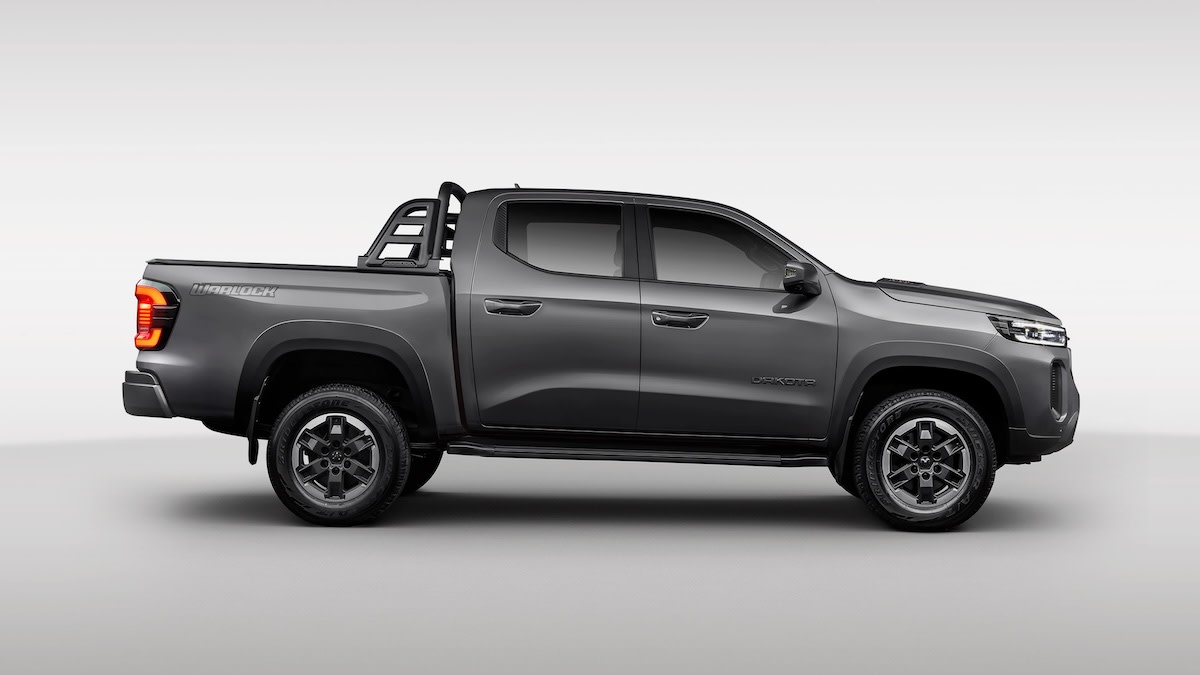
Speaking with The Drive recently, Kuniskis has revealed some interesting details about the upcoming Ram Dakota, which has already been confirmed for launch in 2027. A very important goal Ram needs to meet with the Dakota is the starting price, which should be around $40,000.
But why $40,000 when America’s best-selling midsize truck, the Toyota Tacoma, starts around $31,500 before destination charges? Well, Kuniskis argues that things worked out pretty well for Ram when it sold the 1500 Classic (DS) in parallel with the new 1500 (DT).
“We really had a sweet spot in the industry where we had the old truck and the new truck, and the old truck was competing at a price point, quite frankly, wasn’t that far away from the midsize segment,” Kuniskis said. The 2024 Ram 1500 Classic retailed for almost $39,000 in base Tradesman trim.
The $40,000 price target also aligns with parent company Stellantis’ strategy to bring new-car prices under $40,000 with smaller, cheaper vehicles aimed at everyday buyers. The Dakota was among the new models CEO Antonio Filosa mentioned when announcing plans to bring new-car prices down.
Real Truck Towing And Payload Are Must-Haves
Ram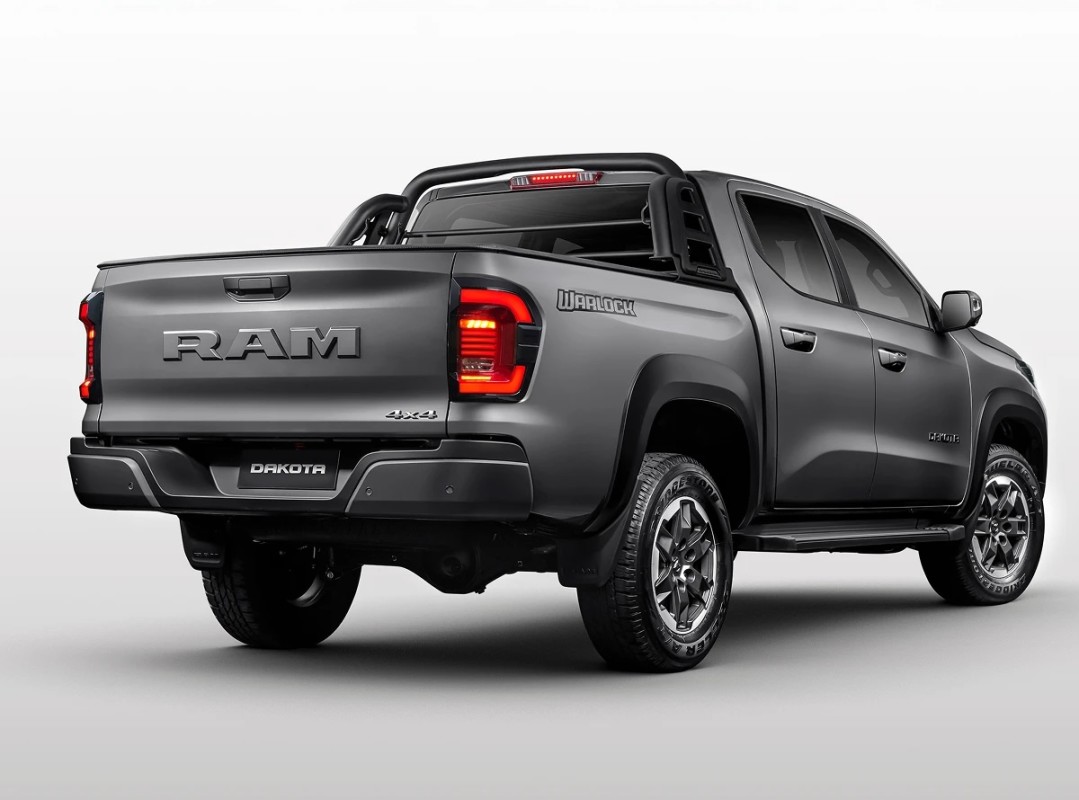
While the strategy of selling the previous-gen 1500 alongside the current one allowed Ram to “capitalize on a half-million unit segment with all the capability, size, and functionality of a full-size truck,” those days are now gone, Kuniskis admitted.
Without a midsize offering, Ram isn’t even covering a “third of the battleground,” which is how he refers to the overall U.S. pickup truck market.
A midsize pickup will help Ram expand its market share, but only if it’s a real truck, Kuniskis emphasized. “It needs to be a proper truck. It needs to have the towing capabilities, needs to have the payload. It needs to have everything that a truck buyer is looking for. It can’t be, you know, a car that you put a bed on,” Ram’s CEO noted.
Electrification Seems Probable, V8 Unlikely
Ram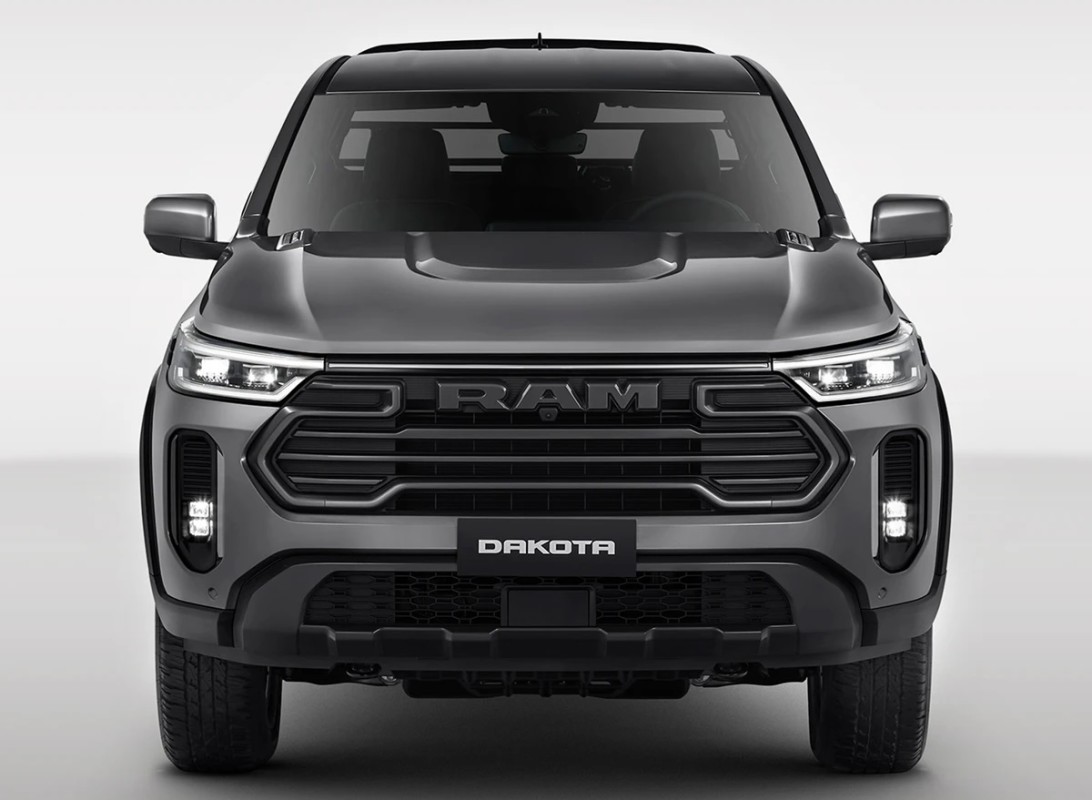
Obviously, the engine will play a big part in that, but Kuniskis wouldn’t reveal any powertrain details, though he noted that hybrids are becoming “a really important sweet spot in the industry.”
That should not be taken as confirmation that the Dakota will feature electrification, Kuniskis insisted, though he appeared to send mixed signals. “So, do we need one in the midsize truck? I don’t know, TBD, we’ll see,” he added. If Ram is serious about competing with the Toyota Tacoma, it’ll probably need some form of electrification, whether of the mild-hybrid, full-hybrid or plug-in hybrid flavor.
What about a V8, then? “I don’t know that it needs a V8,” Kuniskis replied.
Given the executive’s statements, it’s safe to say the forthcoming Ram Dakota is envisioned as a “baby 1500” focused on daily utility, payload and towing, enabled by rugged body-on-frame construction and potent powertrains.
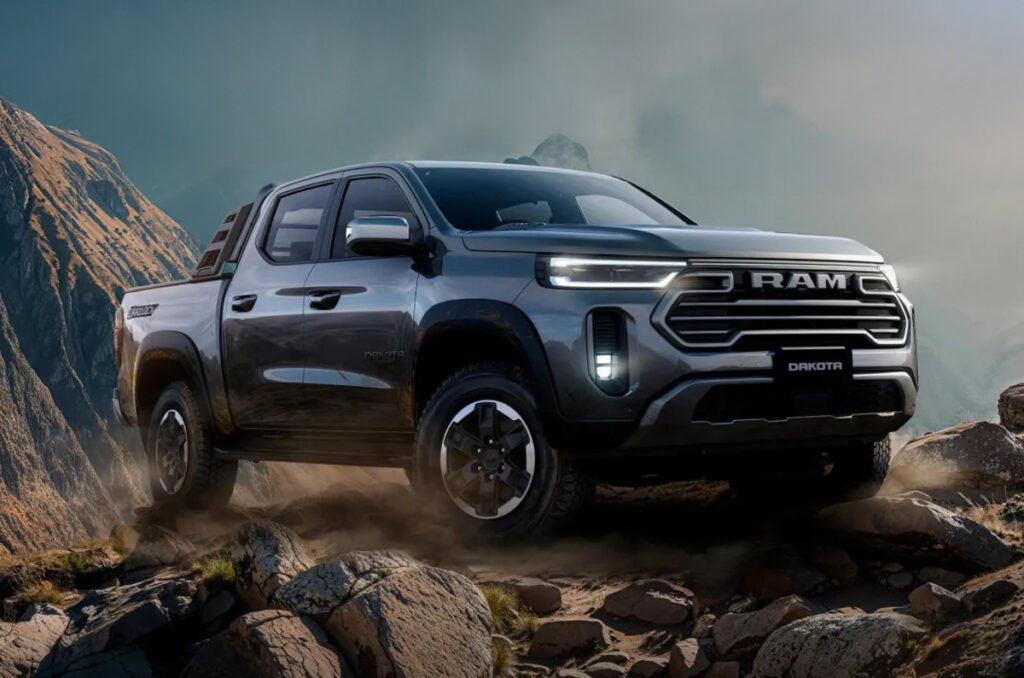
Note: The images show the Ram Dakota sold in South American markets