Porsche is betting on gas engines and aggressive cost cuts to pull itself out of one of the worst financial periods in its modern history. Porsche booked $4.5 billion in extraordinary expenses in 2025, including a $3.5 billion writedown for its EV strategy pivot. Its operating profit collapsed 98%, margins shrank to 0.3%, and shares have fallen by more than half since 2022. New CEO Michael Leiters, who led McLaren before taking the job, has a clear diagnosis: the company moved too fast toward electric, and now it needs to move back.
Porsche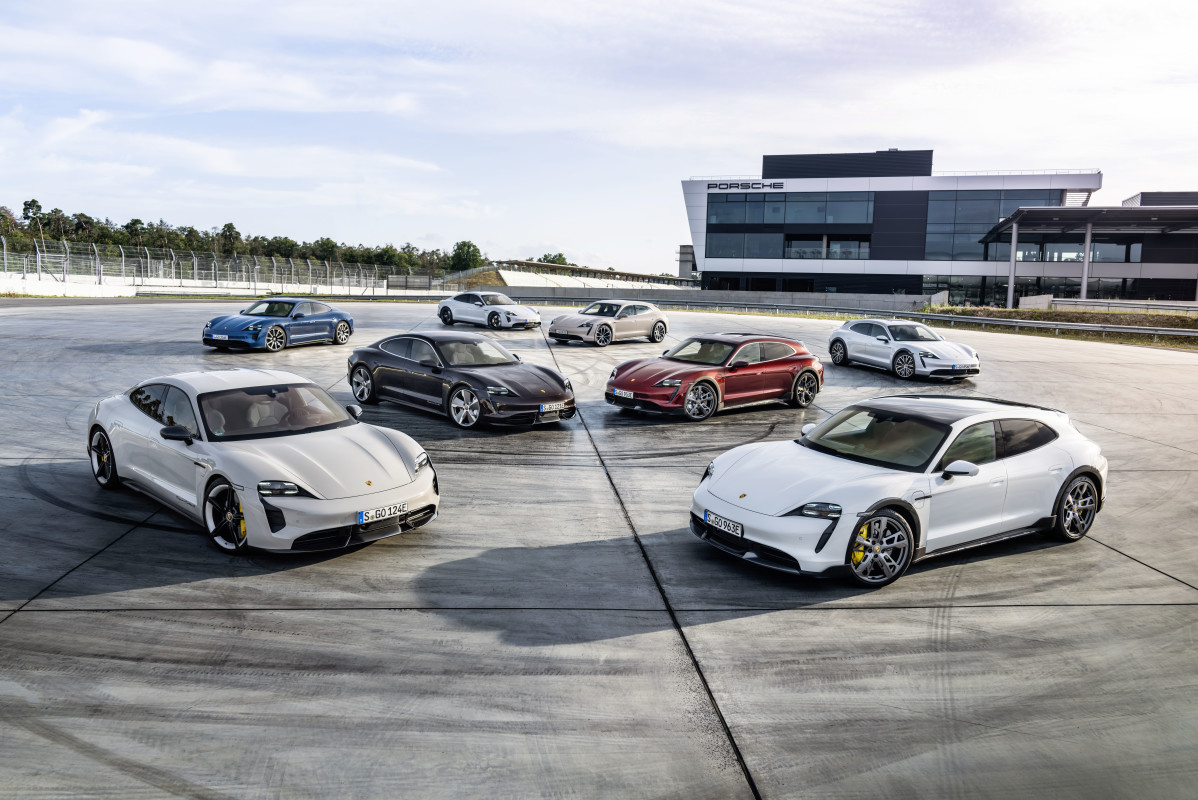
The EV Bets That Didn’t Pay Off
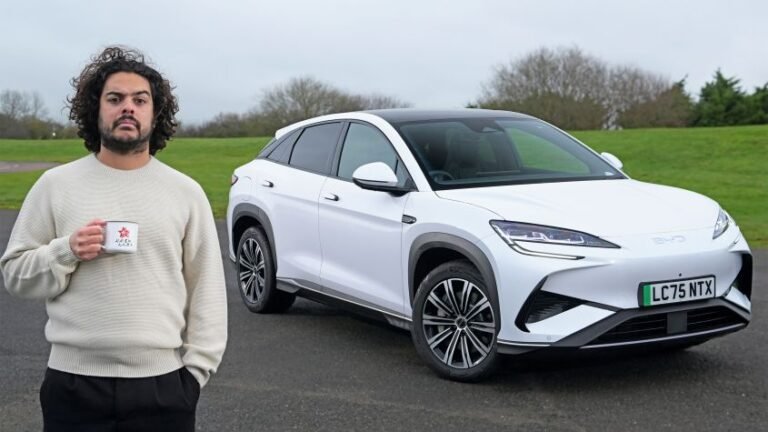
Several key electric decisions proved badly timed. Taycan sales fell 49% in 2024, undercut by slowing EV demand and Chinese manufacturers offering high-performance electric sedans at a fraction of the price.
The bigger miscalculation involved the Macan, Porsche’s global best-seller for years. The company had planned to replace the combustion-powered Macan entirely with an electric version, walking away from one of its most reliable revenue streams just as EV adoption was stalling in key markets. Former CEO Oliver Blume later acknowledged the error plainly: “We were wrong.” A petrol-powered Macan replacement is now in development, though it won’t arrive until at least 2028, leaving a meaningful gap in the lineup in the meantime.
Porsche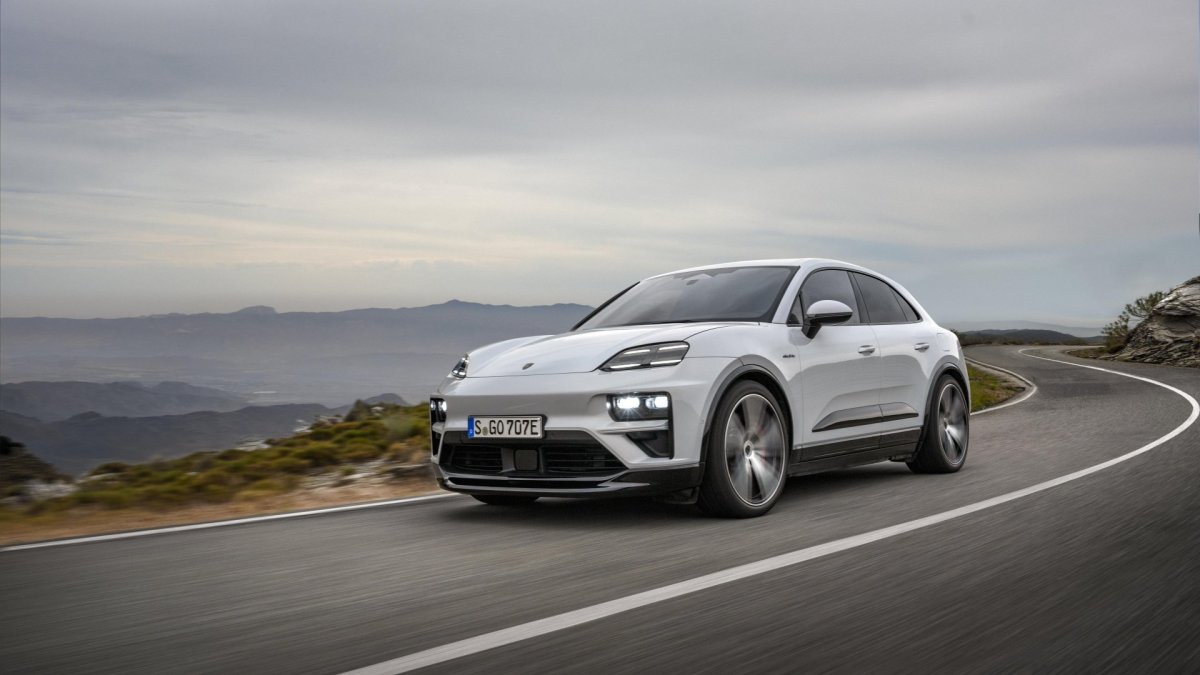
The Road Back Runs on Gas
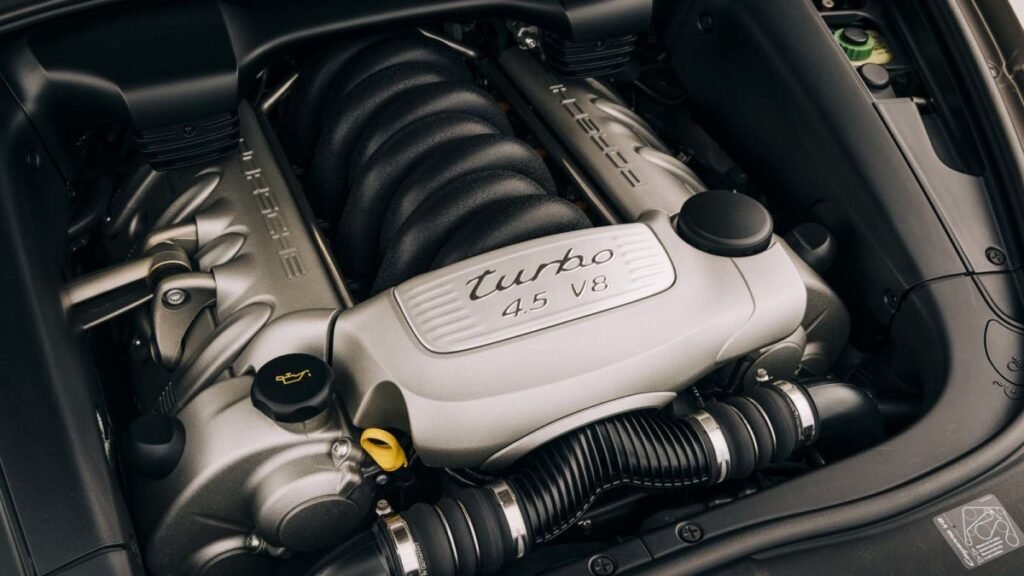
Looking back at Porsche’s history, it isn’t the first time the company has faced an existential crisis. In the early 2000s, the company was struggling until it built the Cayenne. It was a gamble that seemed counterintuitive for a sports-car maker, but the sporty-driving SUV became its best-selling model almost overnight. Leiters is betting a similar reset is possible now.
Porsche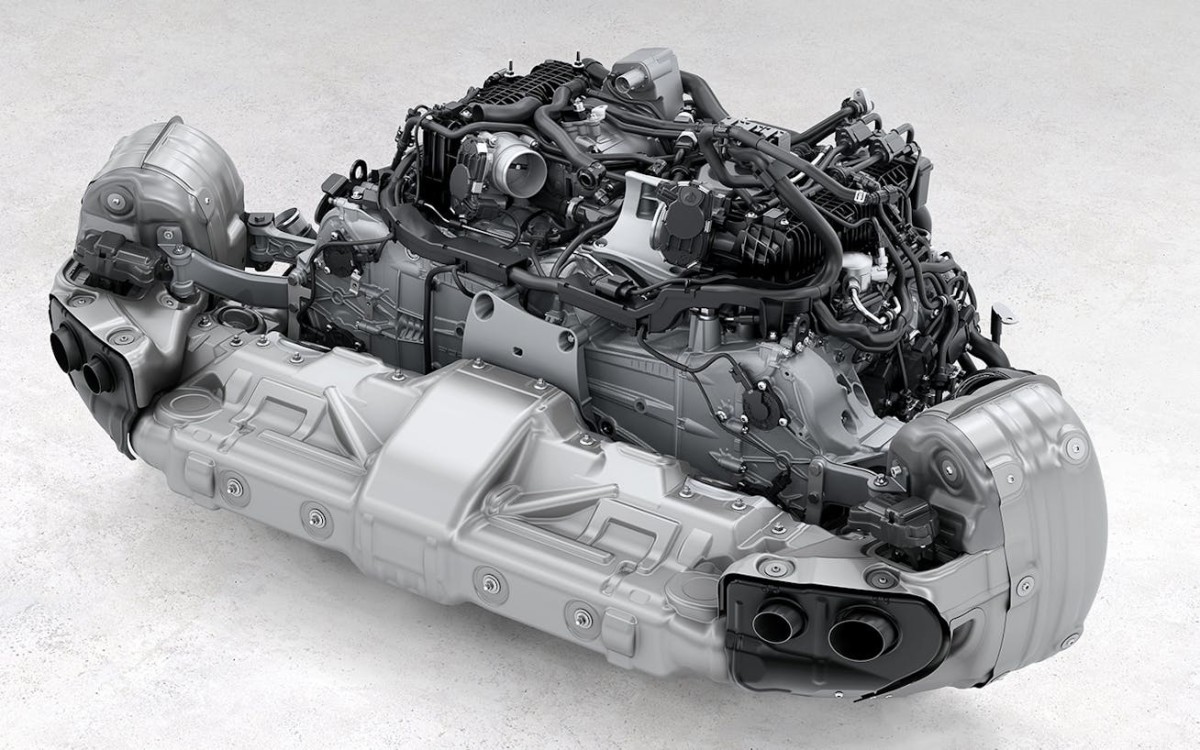
Leiters, who led McLaren before taking the Porsche job, is rebuilding around what the brand’s customers have consistently shown they want. The 911 was one of the few bright spots in 2025, demand holding firm while the rest of the lineup faltered. Combustion engines and plug-in hybrids will remain in Porsche’s lineup well into the 2030s.
The more interesting story is what comes next. Engineers are developing new combustion derivatives on electrified platforms, blending hybrid efficiency with traditional Porsche performance. The company is also deepening its investment in eFuels — synthetic fuels produced from renewable energy — which could allow gas engines to run with substantially lower lifecycle emissions without sacrificing the driving experience the brand is built on. Given what saved Porsche once before, that might be exactly the right move.