Gas to electric and back to gas, again
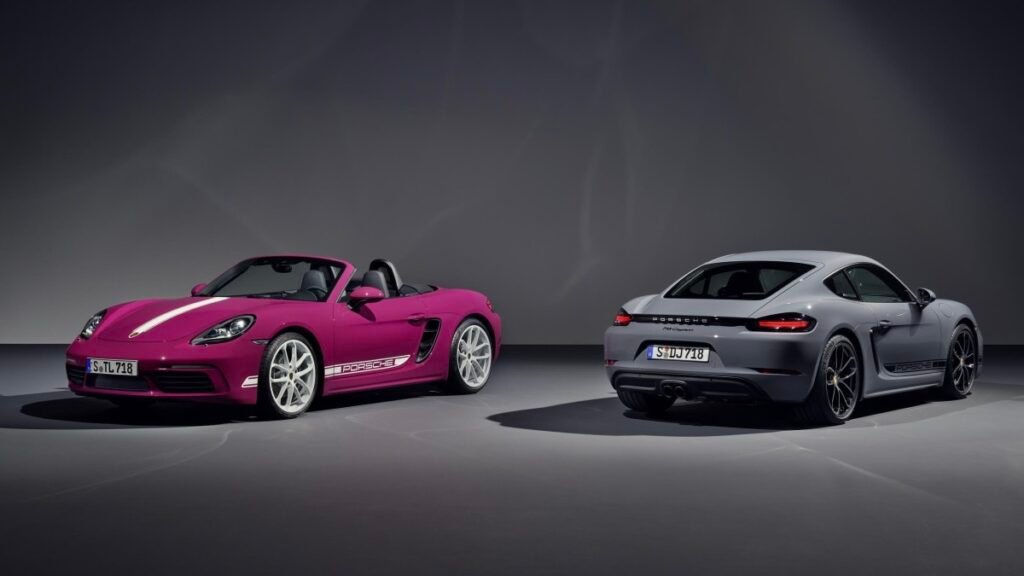
Porsche is doing an awful lot of flip-flopping of late, and now the automaker’s plan to electrify its next generation of 718 Cayman and Boxster sports cars has taken a surprising turn. After committing to an all electric future for its entry level sports cars, the automaker is now reportedly reengineering that electric platform to also support gasoline power. It is a rare reversal for Porsche and one that presents major technical challenges behind the scenes.
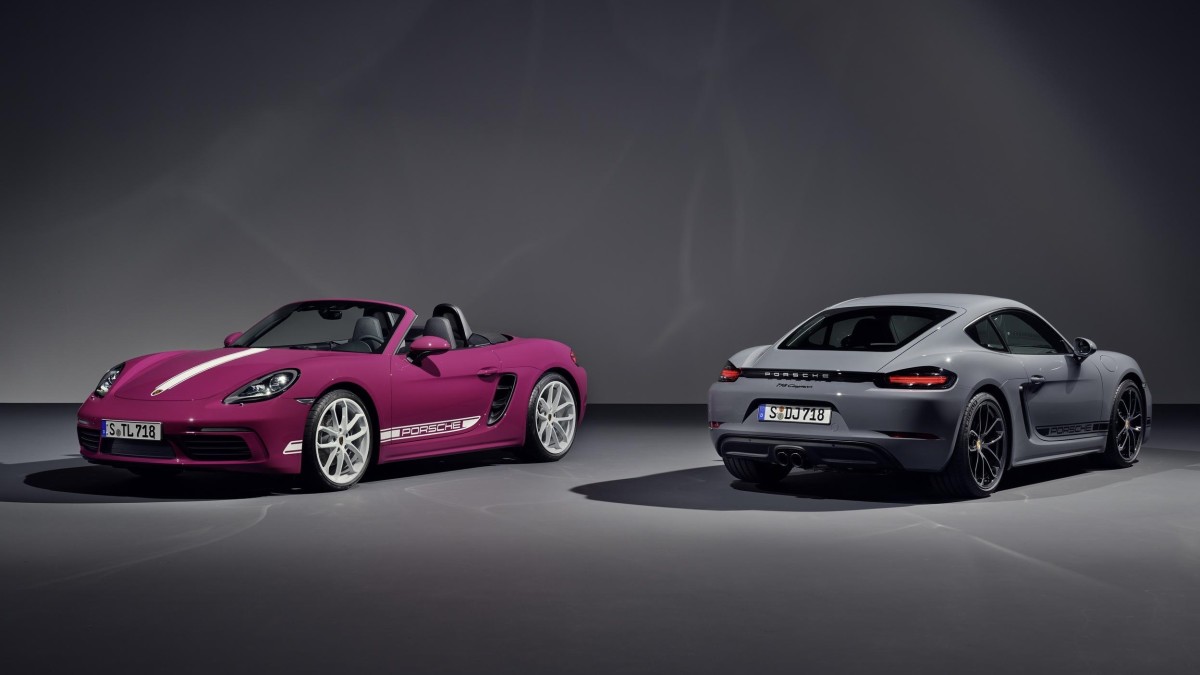
The next 718 was originally designed around an EV specific architecture intended to fully replace the current gas powered Cayman and Boxster. That platform integrates a large battery pack into the vehicle’s structure, using it as a load bearing element to improve stiffness and lower the center of gravity. From an engineering standpoint, this makes sense for an electric car. From a flexibility standpoint, it’s quite the opposite, especially since going back to gas was never factored into the engineering.
Retrofitting to a gas engine is painstakingly challenging
Porsche
Electric first platforms are not designed with fuel tanks, exhaust systems, or traditional engines in mind. There is no natural place for a mid mounted flat four or flat six, no routing for exhaust plumbing, and no space allocated for fuel storage. Removing the battery pack entirely is not an option either, since it plays a key role in the chassis’ rigidity. Simply put, the EV 718 body was never meant to host a combustion engine.
Despite that, Porsche is now attempting to make it work, and it really has to with the pushback on EVs. Engineers are reportedly developing significant structural changes to allow a gasoline powertrain to fit within the same basic vehicle architecture. That includes new subframes, reinforced structural elements, and an entirely different floor layout to replace the stiffness lost when the EV battery pack is removed. The rear of the car, originally shaped around electric motors, must also be redesigned to support an engine and transmission while maintaining proper weight distribution. This is a tremendous undertaking, and it’s not nearly everything.
Porsche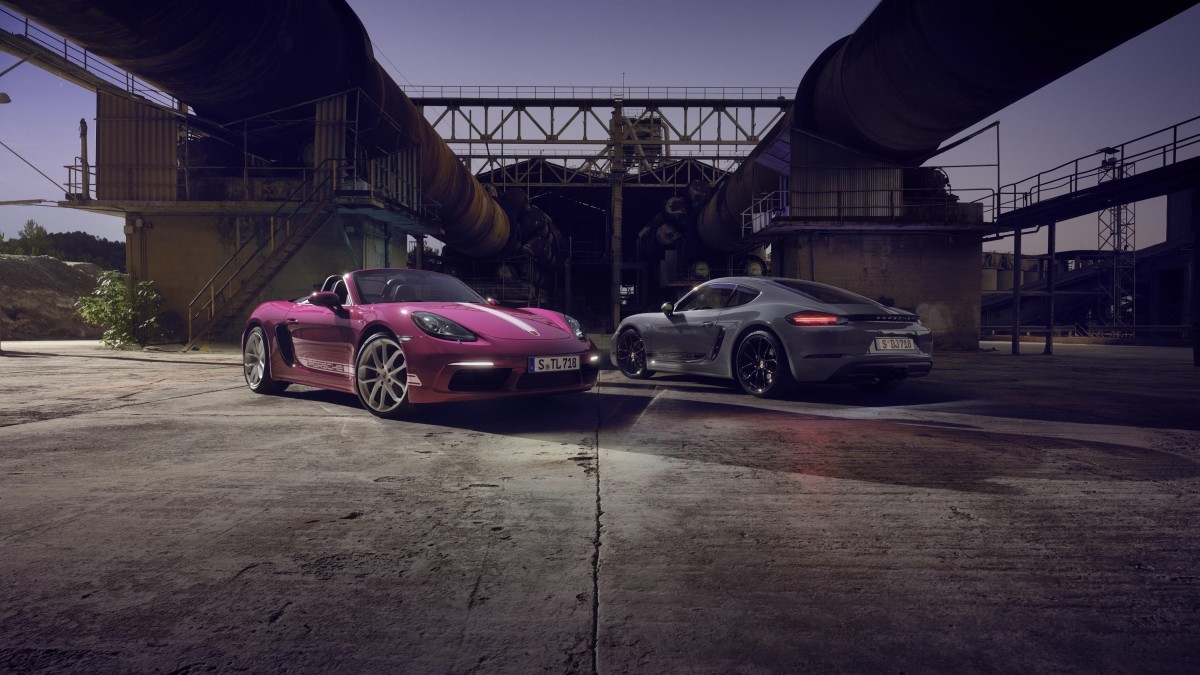
Packaging remains one of the biggest hurdles. Porsche must find space for a fuel tank without compromising crash safety or driving dynamics. Exhaust routing has to work within tight confines, and cooling requirements for a combustion engine are very different from those of an electric motor. All of this must be done while preserving the sharp handling, low mass, and balance that define the 718 experience.
So why go through all this trouble? The answer appears to be demand. While Porsche remains committed to electrification, interest in electric sports cars has been slower to materialize than expected. Many buyers still want the sound, response, and emotional connection of an internal combustion engine, especially in a lightweight, driver focused car like the Cayman or Boxster.
Final thoughts
Rather than abandon its EV plans entirely, Porsche is taking a dual path approach. Electric versions of the 718 are still expected to arrive first, while gas powered models will follow later after the necessary engineering work is complete. This strategy allows Porsche to keep its options open while responding to market realities. Electrification is the future, but timing matters. For enthusiast driven segments, the transition may need to be more flexible than initially planned. Porsche has placed itself in a precarious position, but if anyone can figure it out, it’s Porsche.

