Porsche’s Electric Pause Button
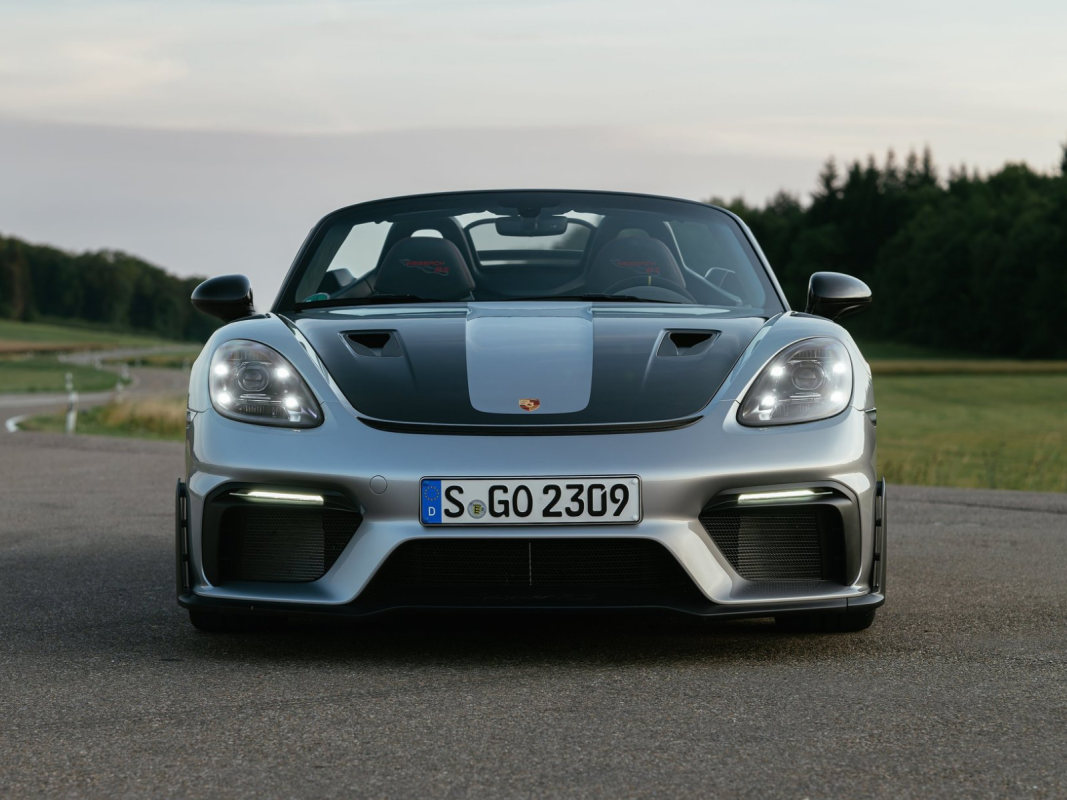
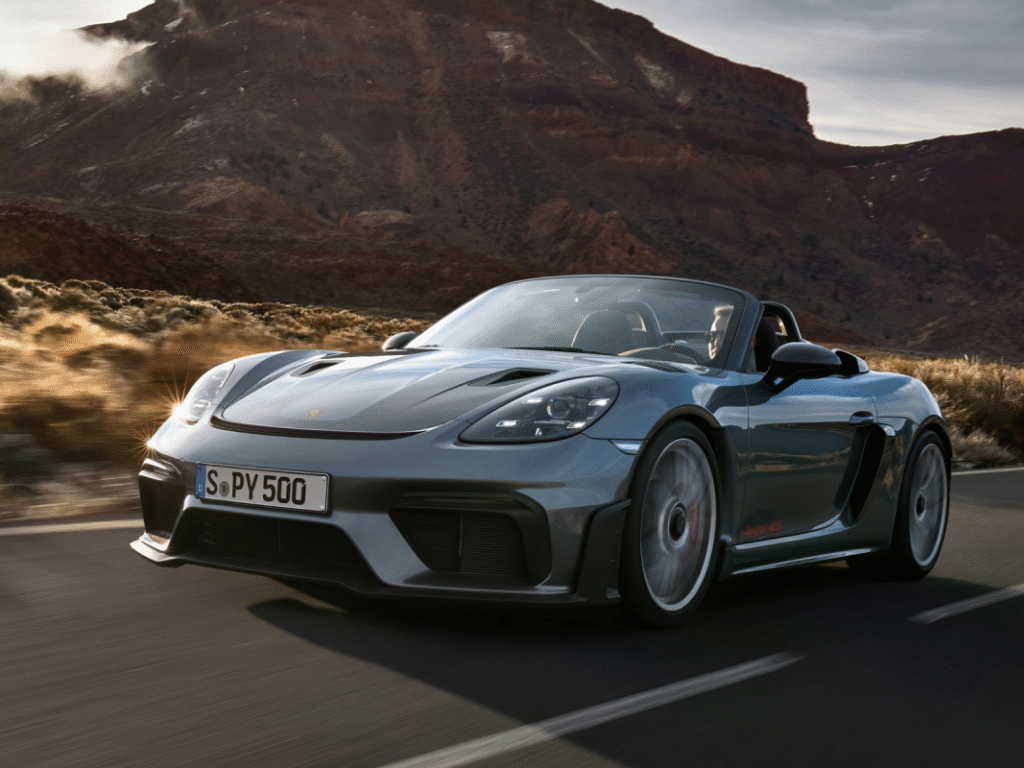
The EV push among automakers has gone sideways heading into 2026, and Porsche hasn’t been spared. According to Bloomberg, people familiar with the matter said that Porsche CEO Michael Leiters is now considering dropping the all-electric versions of the 718 Boxster and Cayman.
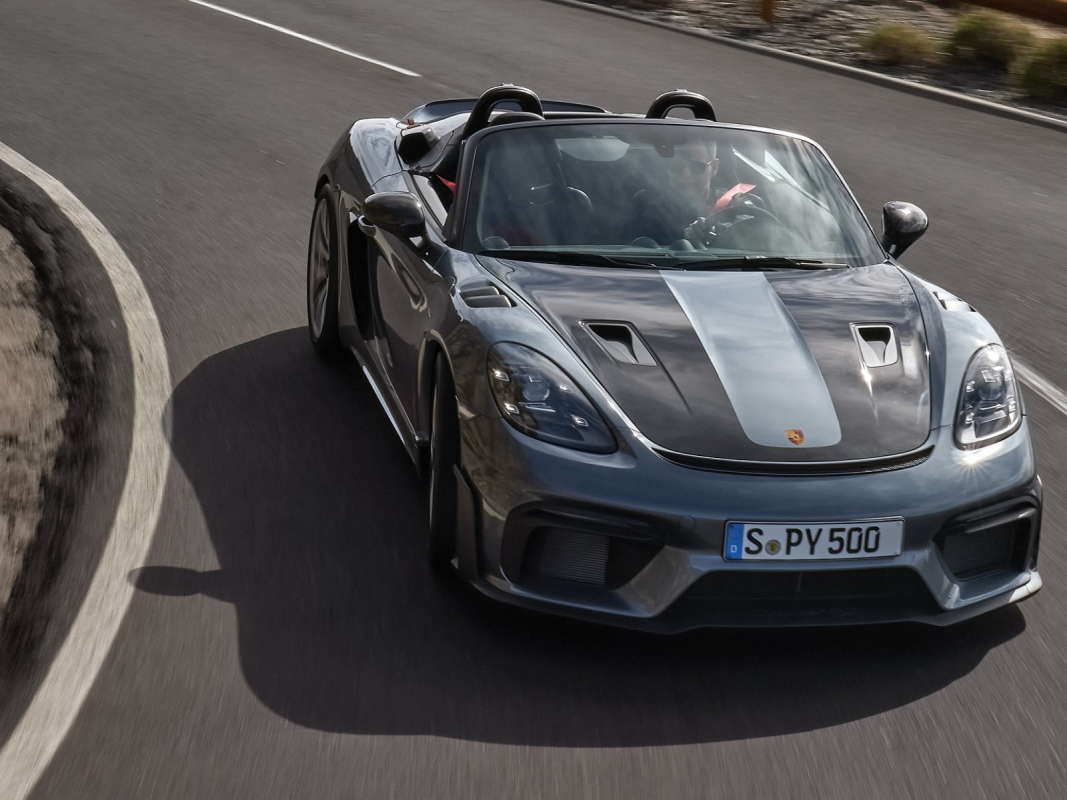
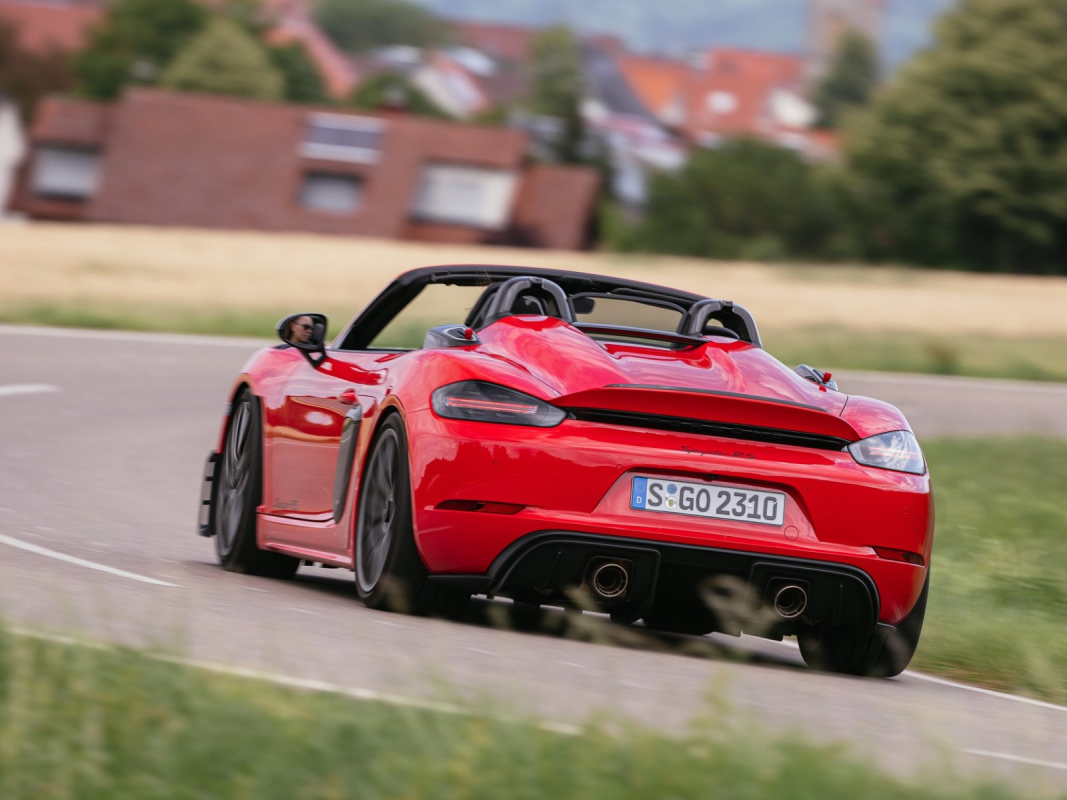
The 718 is Porsche’s entry-level sports car, positioned below the brand’s long-running 911 nameplate. Production of the 718’s combustion-engine variants ended last year, with the German marque planning an all-electric successor expected to arrive in the 2027 model year. The report notes that developing these EV models could prove costly for the company, particularly as government EV incentives in some markets are being rolled back.
Trouble in a Key Market
Aside from the potential costs of undoing its EV strategy, Porsche is also grappling with underwhelming sales in China, one of the automaker’s largest markets alongside the U.S. and Germany. Former Porsche CEO Oliver Blume – now the head of parent company Volkswagen – previously said the luxury-car market in China has declined by as much as 80 percent, diminishing the company’s aggressive growth strategy and exposing the drawbacks of its limited combustion-engine offerings in the region.
At the time, doubling down on electric vehicles appeared to be the right move, particularly given how prevalent EVs are in China. It is even home to the Yangwang U9 Xtreme, which recorded a sub-7-minute lap at the Nürburgring, beating the Rimac Nevera. However, shifting market conditions have since prompted Blume to admit that Porsche “got it wrong” – especially with the Macan, whose next-generation model was developed exclusively with an all-electric powertrain in mind.
Even the 911 wasn’t immune to electrification, as the Turbo S now adopts a hybridized powertrain, making it the model’s most powerful version to date, with a combined output of 701 horsepower.
The Turnaround Challenge
At this point, scrapping some of its EV plans may seem like the logical next step. However, Leiters has yet to make a final decision. Having taken the helm at Porsche at the start of 2026, he is under pressure to turn the company around after it recorded its worst sales decline since 2009 last year. Leiters previously served three years as CEO of McLaren, working on supercars such as the hybridized Artura – a direct competitor to the Ferrari 296.
In the U.S., meanwhile, the challenge lies in navigating higher tariffs on imported vehicles – a hurdle shared with corporate sibling Audi. The vast majority of U.S.-bound Porsche models are produced in Germany, with the exception of the Cayenne, which is assembled in Slovakia.