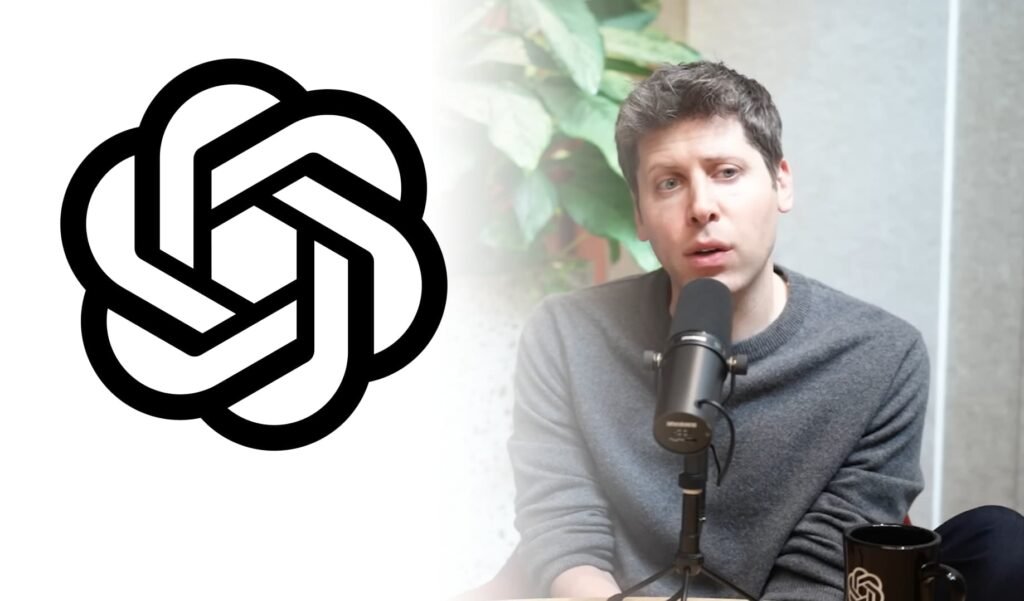

In a rapid sequence of events this past weekend, the relationship between Silicon Valley and the US government took a dramatic turn. Following a high-profile fallout between the Department of War (DOW) and Anthropic, OpenAI officially signed a deal to provide its AI models for use in classified military networks.
The replacement: OpenAI took Anthropic’s seat at the Pentagon
The news arrived just hours after President Trump announced a federal phase-out of Anthropic’s AI technology. The administration clashed with Anthropic due to the company’s refusal to remove safeguards that limited its military use. In response, the Pentagon designated Anthropic a “supply-chain risk,” effectively blacklisting them from future partnerships. The Trump administration has initiated a phase-out process of Anthropic’s AI tech at federal agencies that should be completed within six months.
OpenAI wasn’t the only company moving to fill this vacuum. Elon Musk’s xAI also secured a significant role, with its Grok model reportedly being cleared for classified operations. Unlike Anthropic, xAI appeared much more willing to accept the government’s “all lawful purposes” standard.
This dual entry of OpenAI and xAI into the military sphere shows that the Pentagon is aggressively moving away from “restrictive” partners. US officers prefer those willing to work within a legal framework defined by the military itself.
The “all lawful purposes” clause
The controversy for OpenAI centers on that same phrase: “all lawful purposes.” While Anthropic’s CEO, Dario Amodei, argued that laws haven’t yet caught up with AI’s potential for harm, OpenAI’s leadership took a different path.
CEO Sam Altman and his team accepted this language but with a specific strategy. They argue that by codifying references to existing U.S. laws directly into the contract, they are better protected than by simply relying on vague internal usage policies.
Technical guardrails vs. Contract clauses
To address ethical concerns, OpenAI is shifting from legal promises to technical limitations. Katrina Mulligan, head of national security partnerships at OpenAI, explained that the company will deploy its own engineers to monitor the Pentagon’s use of the models.
Instead of just asking for compliance, OpenAI plans to build a “safety stack.” This system uses AI classifiers designed to detect and refuse prompts that might violate network lines. The list includes domestic spying and weapon strikes without human oversight, among others. Altman noted that if the model refuses a task based on these rules, the government cannot force a manual override.
A community divided
Despite these technical assurances, the “optics,” as Altman admitted during an X (formerly Twitter) Q&A, “don’t look good.” The deal sparked an immediate backlash. Anthropic’s Claude recently surged to the top of the App Store as some users called for a boycott of ChatGPT.
Internally, the company is facing its own challenges. Dozens of employees signed an open letter urging leadership to stand firm on safety. Some staff members have even described the new safeguards as “window dressing.” They question the long-term effectiveness of technical blocks when integrated into the world’s most powerful military force.
The bigger picture
Sam Altman framed the decision as a necessary move to de-escalate tensions between the government and the AI industry. He expressed a belief that elected leaders, rather than tech executives, should ultimately decide how technology serves national defense—provided constitutional protections remain intact.
As OpenAI and xAI begin their respective deployments, the industry is watching closely. The outcome will likely define how private companies manage themselves in the current complex political-industrial scenario.
The post OpenAI CEO Defends Taking Over Anthropic’s Place in the Pentagon’s AI Infrastructure appeared first on Android Headlines.