- Toyota sold 10.5M vehicles globally in 2025, a 3.7 percent increase.
- U.S. tariffs rose to 15 percent, pushing Toyota to adjust output.
- Electrified cars made up nearly half of Toyota’s total volume.
Toyota remains the world’s top automaker, reporting a record-breaking 10.5 million vehicle sales last year. That figure marks a 3.7 percent gain over the previous year, bolstered by stronger performance both within Japan and across its major international regions.
What stands out is that Toyota pulled this off despite the uncertainty stirred by US tariffs and mounting global trade pressure.
Read: Toyota’s Most Forgettable SUV Outsold Mitsubishi’s Entire Lineup
While Japan ultimately avoided even harsher trade penalties during the Trump administration, it still faced a sharp increase in duties. The US raised tariffs on Japanese cars and parts from 2.5 to 15 percent, prompting automakers like Toyota to adjust production strategies in an effort to soften the blow.
The final count came in at 10,536,807 vehicles, which includes Lexus models, but not those sold by Daihatsu or Hino. If those subsidiaries are included, Toyota’s global total climbs to 11.3 million units, giving it a wide lead over Volkswagen’s 9 million (-0.5 percent over 2024) and securing its place as the world’s top carmaker for the sixth straight year.
Global Markets by the Numbers
That’s a healthy rise from the 10,159,336 vehicles recorded in 2024, even amid rising competition from Chinese brands and its continued lag in fully electric vehicle adoption. Toyota also ramped up global production, building 11.2 million vehicles in 2025, a 5.7 percent increase from the year prior.
Related: Ford Held The Best-Seller Crown, But GM Outsold It On A Technicality
Asia remains Toyota’s most vital market. The company sold 3.285 million vehicles across the region last year, reflecting a 2.2 percent increase over 2024. In China, the world’s largest auto market, sales edged up by 0.2 percent to 1.78 million units. That modest growth was supported by the introduction of two EVs, the bZ3X and bZ5.

North America was another bright spot for Toyota. Sales there jumped 7.3 percent to 2.929 million units, up from 2.729 million the year before. The United States accounted for most of that growth, rising 8 percent year-over-year. Canada followed with a 4.4 percent gain, while Mexico saw a 3.6 percent increase.
Read: EVs Outsold Gas Cars In Europe For The First Time, But It’s Complicated
In Europe, Toyota moved 1.182 million vehicles, a 1.4 percent bump, while sales in Latin America dipped 3.2 percent to 472,049 units.
Japan’s Share of the Total
Japan, Toyota’s home market, also delivered solid growth. Sales there rose 4.1 percent to 1.501 million units. That figure accounts for roughly 18 percent of Toyota’s global volume, though group-wide sales in Japan, including Daihatsu and Hino, saw a sharper increase of 12 percent.
Electrification by the Numbers
Electrified models now make up nearly half of Toyota’s total global sales. In 2025, the company sold 4.994 million electrified vehicles, marking a 10.2 percent rise over the prior year. As expected, traditional hybrids formed the bulk of that number, with 4.433 million units sold, a 7 percent increase.

Toyota’s mild-hybrid lineup saw a dramatic rise, jumping 86.8 percent to 177,172 units. Plug-in hybrid sales also moved upward, climbing 19.5 percent to 183,845 vehicles.
Read: One in 10 New Cars Sold in Europe Last Month Was Chinese
Battery-electric vehicles (BEVs) showed stronger year-on-year momentum as well, albeit from a lower base. Sales climbed 42.4 percent from 139,892 to 199,137 units. Of that total, only 4,227 units were sold in Japan. Meanwhile, hydrogen fuel-cell models saw a sharp decline of 29.3 percent, with just 1,257 units sold in 2025.
How Did Lexus Fare?
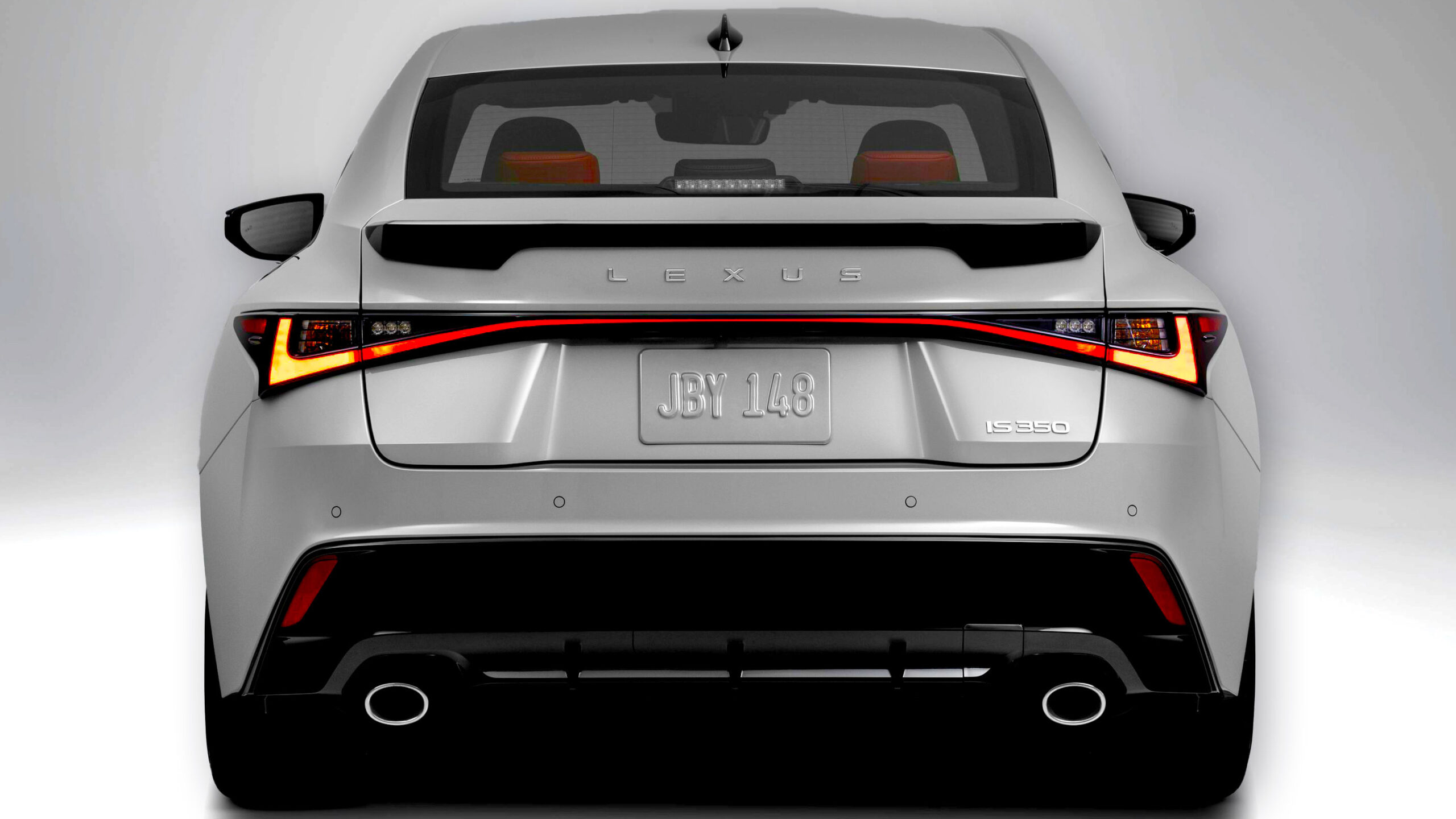
Lexus sold 882,231 vehicles last year, a 3.6 percent increase over 2024. North America led the way for the luxury division, with sales rising 7.5 percent to 408,070 units. In Asia, Lexus deliveries rose a modest 0.3 percent to 237,946.
Lexus Global Sales 2025
SWIPE