A Dangerous Pattern Nobody Can Fix
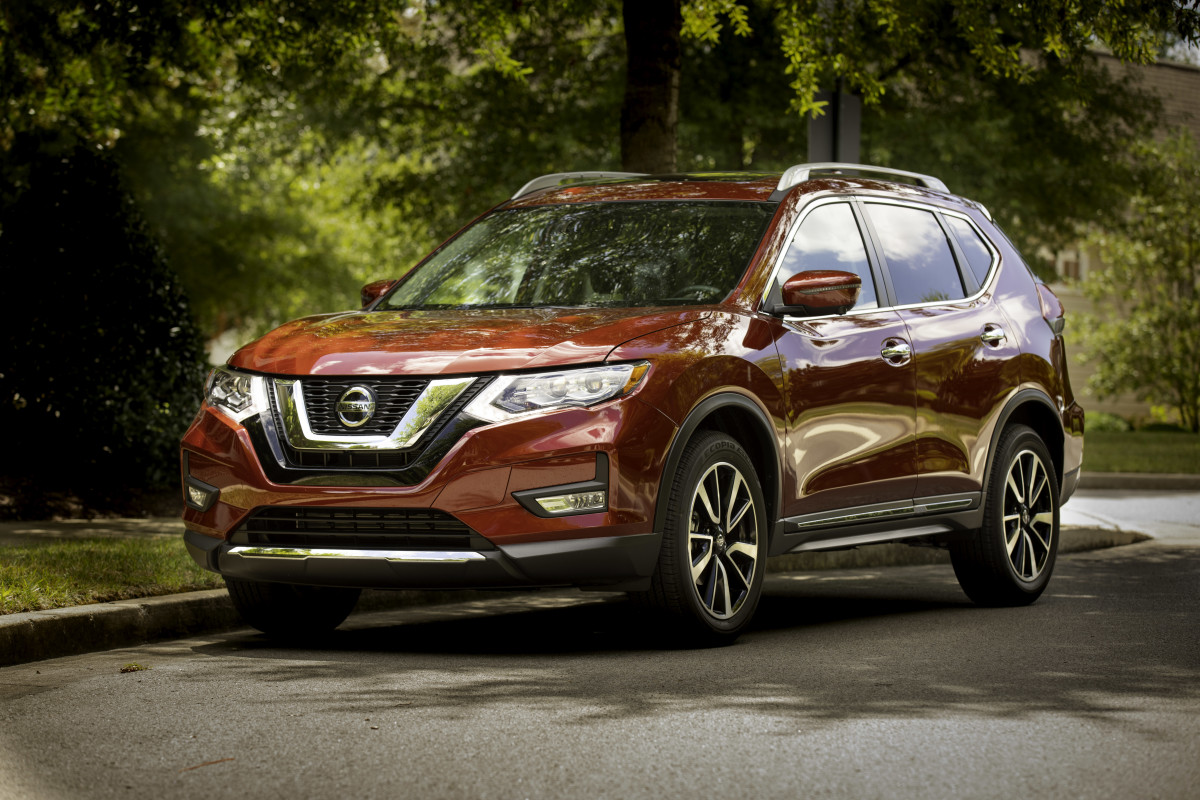
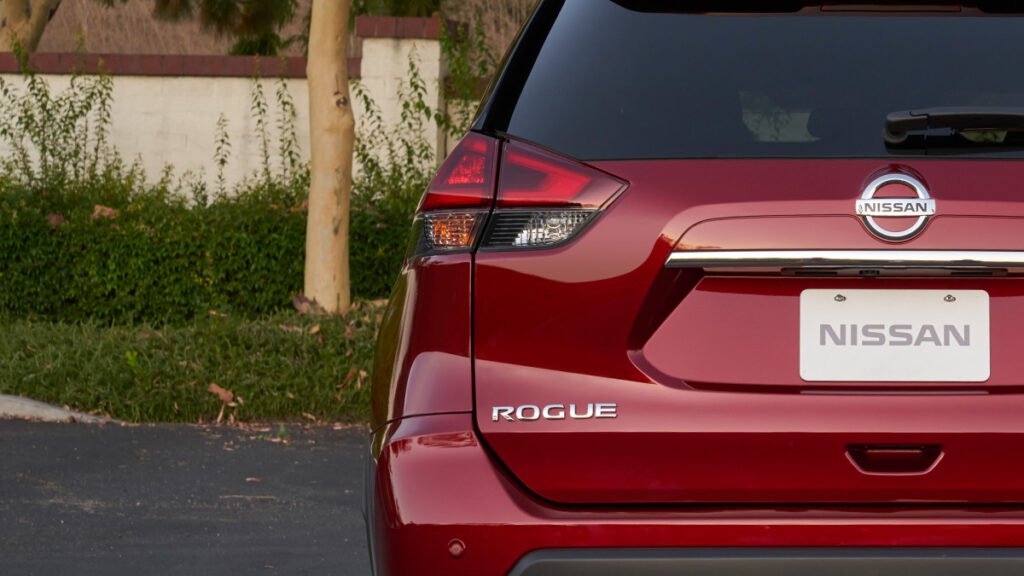
A woman in Sydney claims Nissan can’t help her because her 2019 X-Trail (also known as the Rogue in America) loses power when she’s driving alone or with her kids. Despite repeated visits to the dealership, technicians have been unable to duplicate the shutdowns. After learning that a previously identified “kill code” affects her CVT automatic transmission, she fears her car may be unsafe to drive. Her case mirrors those filed by thousands of other Nissan customers worldwide, including in the US.
In addition to numerous complaints about electrical issues with Rogues over the last few years, the NHTSA has logged an increase in complaints about the model line due to recalls affecting engines, transmissions, and electrical systems across all model years.
Brandon Turkus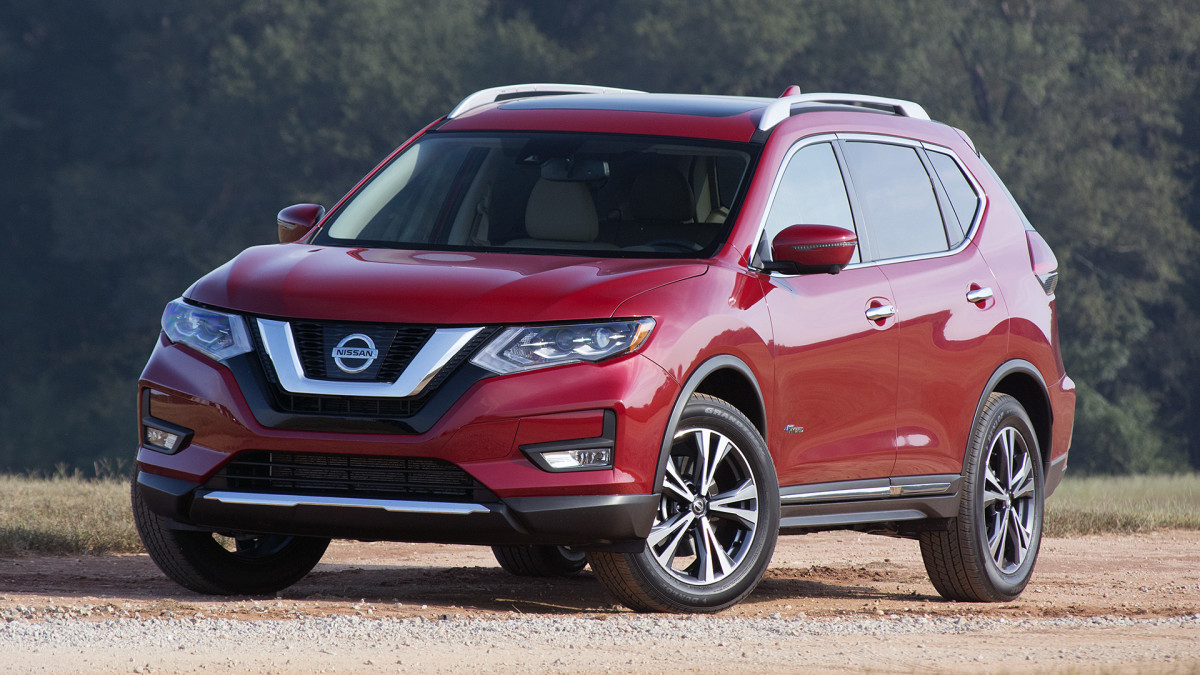
Dealerships Cannot Find the Ghost In The Machine
Similar to the Sydney case, many American Rogue owners report that their vehicles fail when driven normally but pass all dealership testing procedures. When technicians inspect the vehicles with the ignition off, they may not have any trouble codes stored electronically, nor do they find any obvious areas of concern.
Many common causes of intermittent failures appear to be failures of the crankshaft position sensor, camshaft position sensor, or throttle position sensor. All three sensors can fail without triggering a warning light, making diagnosis more difficult. Many technicians recommend replacing both the crankshaft and camshaft position sensors simultaneously because it is extremely difficult to determine which sensor is failing.
Additionally, some owners have found that correcting an electrical ground issue can restore normal operation. Still, other owners have had success with replacing batteries.
Cole Attisha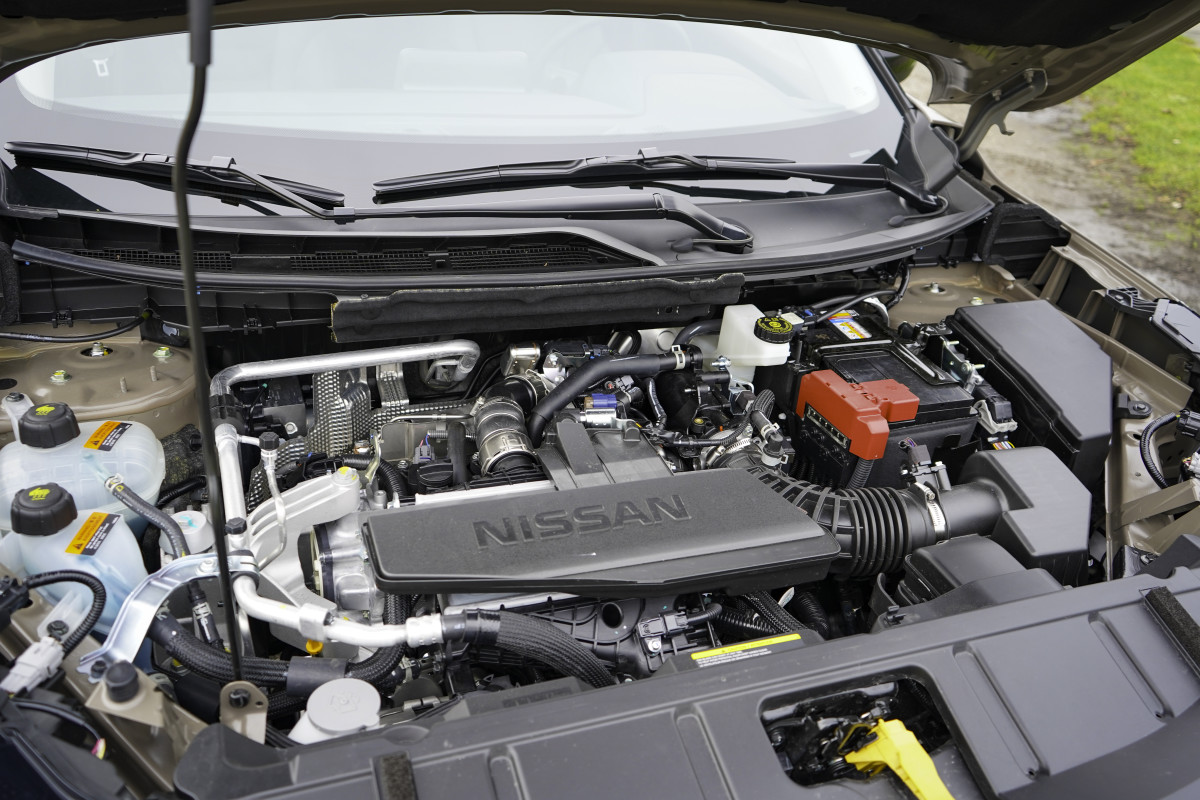
Nissan’s Recall Gone Rogue
Nissan issued a major recall affecting about 443,899 vehicles in the U.S., including 2021–2024 Rogues, due to possible defects in variable-compression turbo engine bearings that could cause engine damage or failure. The recall followed a formal NHTSA engine failure investigation that documented 1,878 incidents across multiple Nissan and Infiniti models, some of which resulted in crashes or fires.
Nissan’s ongoing recall will inspect engines for debris in the oil pan, repair or replace parts as needed, and in some cases extend warranties up to 120,000 miles. But not all shutdown complaints fall squarely within the current recall criteria, leaving some owners without a clear fix, even when they are experiencing serious safety impacts on highways. The pattern suggests a systemic issue Nissan has yet to adequately address, leaving owners questioning whether their cars are trustworthy enough for school runs and daily commutes.
Nissan