Nissan Entered the Year with High Expectations
Nissan began 2026 expecting a rebound. After a turbulent 2025, management aimed to stabilize performance and rebuild momentum. A central part of that narrative was the decision to sell the Yokohama headquarters in a sale-and-leaseback transaction worth about $610 million. It also cut seven plants and about 20,000 jobs to reduce costs and bolster its coffers. The company presented the move as a way to strengthen its balance sheet while continuing to invest in future technologies and product development.
Investors and analysts initially saw the sale as pragmatic. Nissan needed liquidity after reporting significant operating losses and declining global unit sales. The cash from the asset sale was meant to support restructuring and future growth initiatives. Yet the deal also sent an unintended signal: Nissan’s need to monetize core assets pointed to deeper issues rather than confidence in a strong market rebound.
Cole Attisha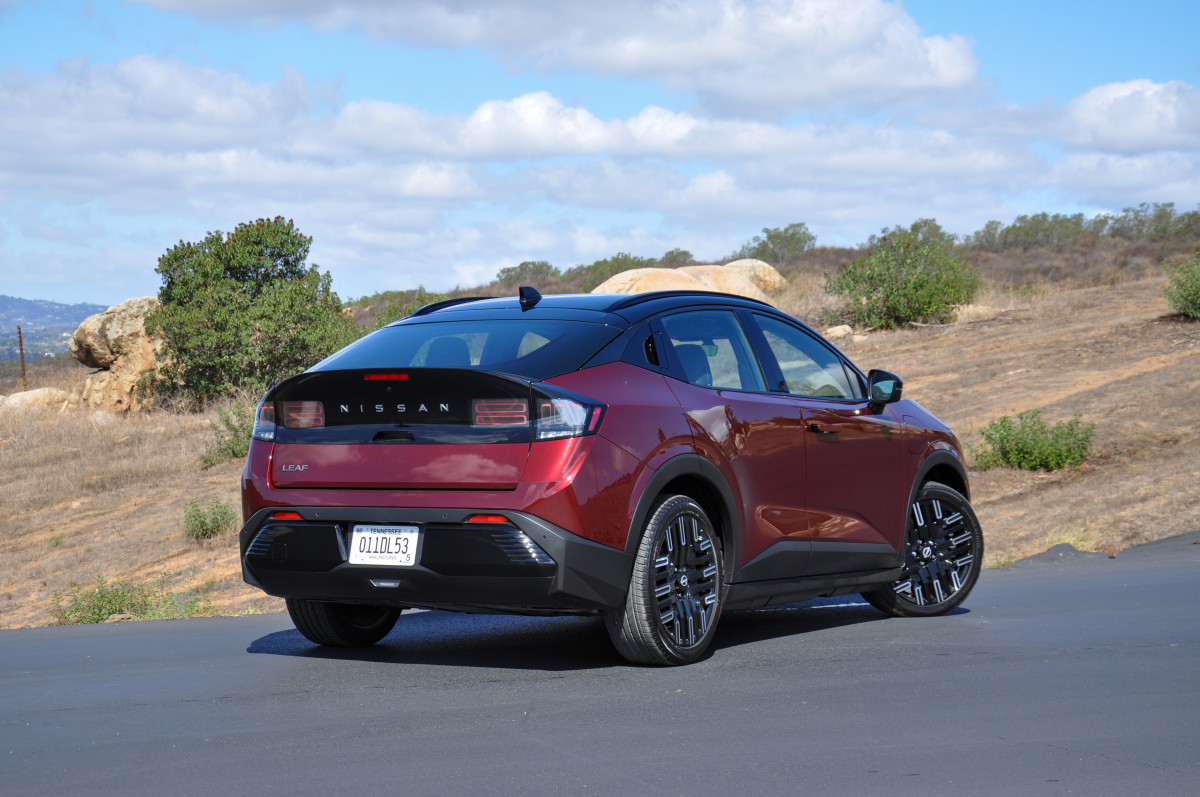
New Products Arrive, But Demand Is Weak in Japan
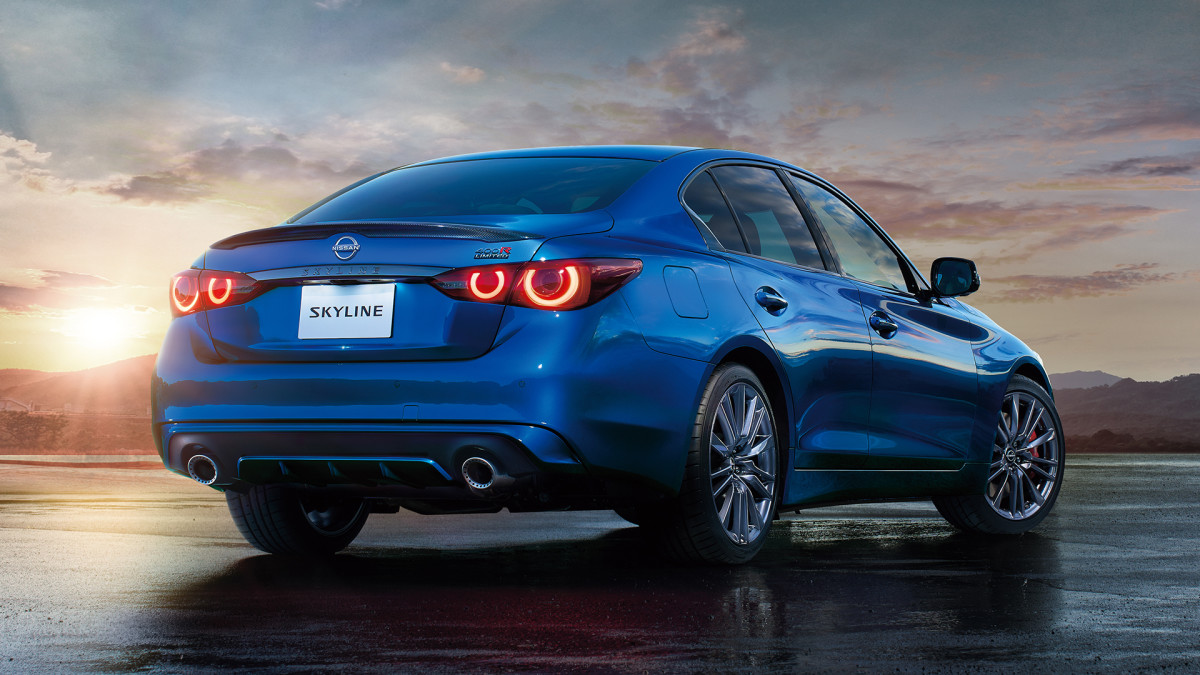
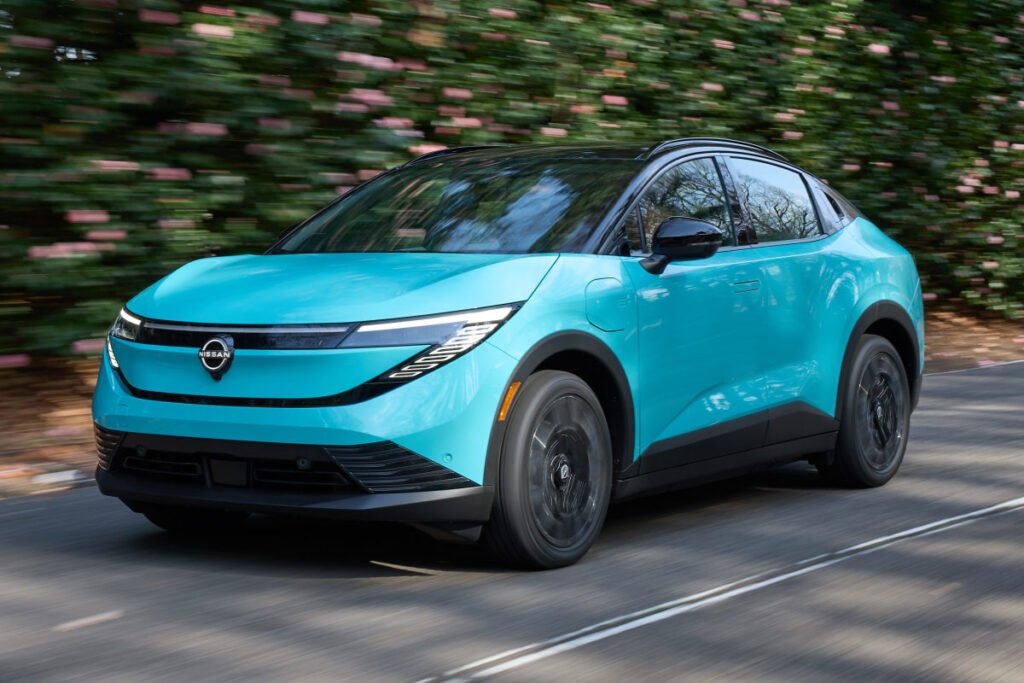
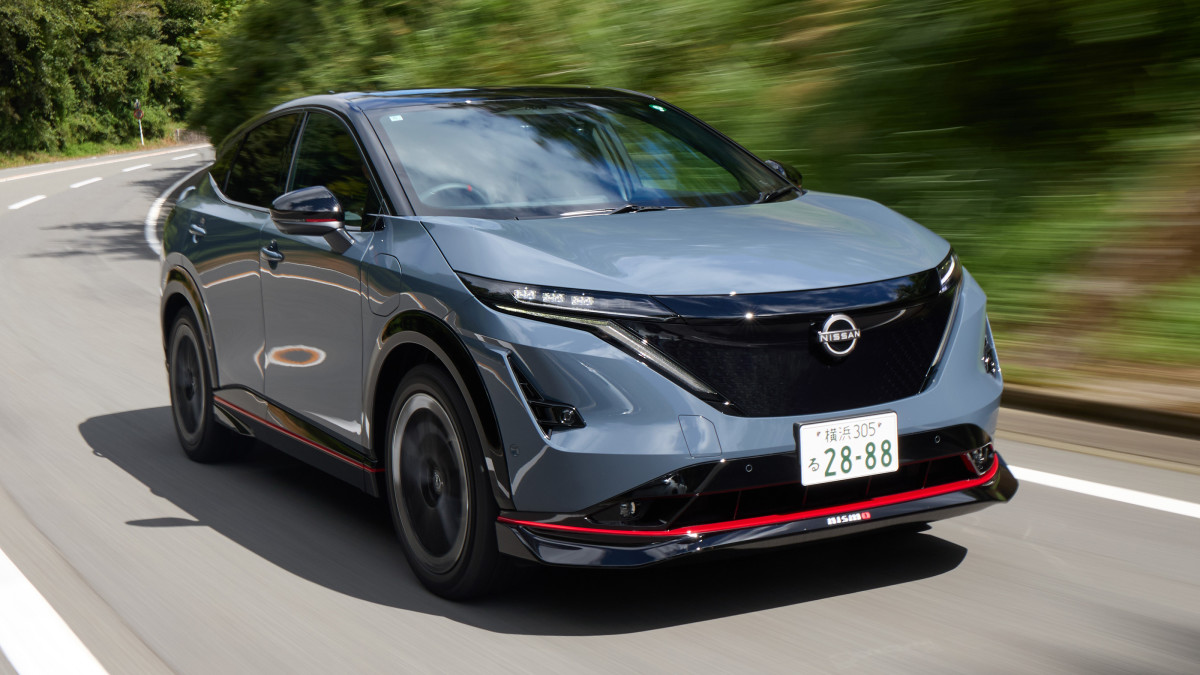
Nissan’s product slate in Japan was expected to drive renewed demand. The redesigned Leaf EV entered the market with a longer range and a new body style. The Ariya crossover was updated. The X-Trail e-POWER underwent a refresh, and the Skyline sedan received revisions. Dealers were counted on to convert interest into orders and help restart Nissan’s volume growth.
Instead, early order data in Japan tells a starkly different story. According to a report by the Japanese publication Creative Trend, the updated Ariya registered zero confirmed orders at launch. Dealers cited weak customer interest and pricing that made sales difficult.
The redesigned Leaf has offered some orders but not at the pace Nissan hoped for, with buyers often waiting for lower-priced trims. Even the Skyline shows little traction in a market shifting away from sedans. This underwhelming intake is a disappointment given the importance of Japan to Nissan’s brand and wholesale volumes.
Rivals Are Making Gains While Nissan Stumbles
As Nissan struggles to turn its product momentum into sales, competitors are capitalizing. According to Nikkei Asia, Toyota recently overtook Nissan in quarterly EV sales in Japan for the first time. Toyota’s efforts with models such as the bZ4X and other electrified vehicles have resonated with buyers, eroding Nissan’s long-held advantage in EV leadership.
Toyota’s ascent in EV sales adds to the pressure on Nissan. It once dominated Japan’s plug-in market with the Leaf. Losing that top spot reflects not just one quarter’s performance but a broader challenge the automaker now faces in aligning product appeal, pricing, and marketing execution.
Nissan still has strong global name recognition and a loyal customer base, but its competitors are moving quickly. Unless it accelerates changes to pricing, incentives, and product relevance, its weak start to the year risks defining its performance for 2026.
Nissan