Solar Cars Have Always Looked Like an Afterthought
Solar-powered cars aren’t new. The real challenge isn’t harnessing sunlight – well, the source is quite abundant – but doing it without making the car look like a science project. Most solar panels are stiff, dark, and visually noisy, so they usually get tacked onto the roof or hood, standing out from the rest of the design. On EVs, that kind of bolt-on approach ruins the clean lines and careful aero work.
Nissan already tried to tackle this problem last year with the Sakura EV prototype. The small kei car came with a solar roof that almost blended in. But the panels were still obvious, sitting right on top and hard to miss. It was a step forward, just not a subtle one.
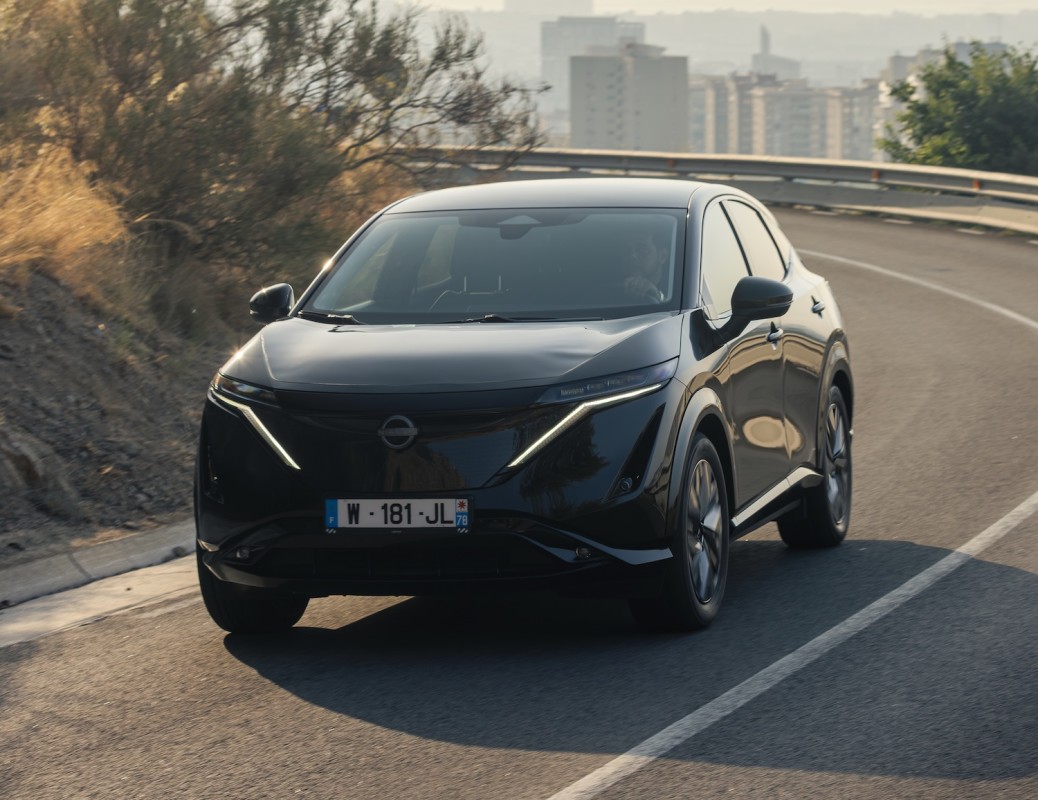
Now, Nissan is back with a bigger idea: a solar-powered Ariya concept that integrates the panels into the body. Hood, roof, and tailgate all get in on the act, and for once, the result doesn’t look like a prototype. It just looks like an Ariya, and that might be the most impressive part.
Nissan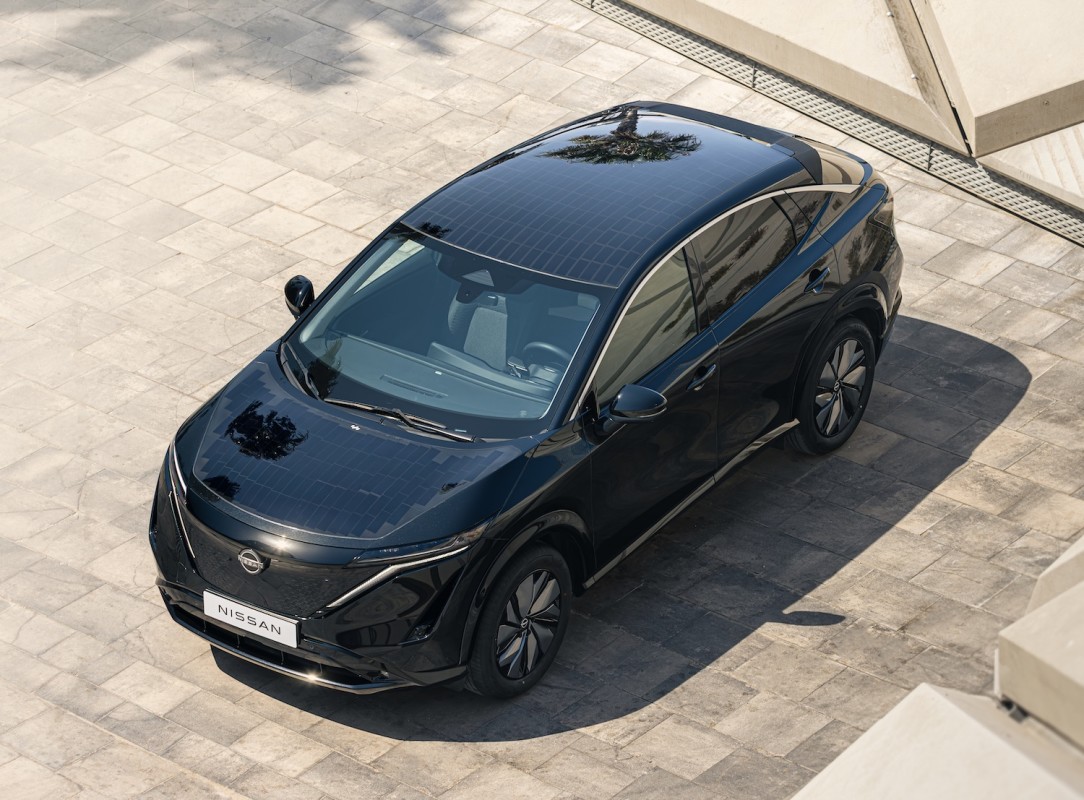
A Soler EV That Doesn’t Look Like a Science Project
The Ariya concept uses 41 square feet of custom solar panels, spread across the main exterior surfaces. These aren’t just stuck on; they’re polymer and glass panels shaped to match the car. The electricity goes straight into DC power, managed by its own controller, so the driver doesn’t have to change a thing.
In real-world tests, Nissan says the system can add up to 14.3 miles of range on “ideal conditions,” which presumably means a bright, sunny day. In places like Barcelona or Dubai, you get about 10 to 13 miles daily, while even cloudier cities like London still see a boost. Over time, that means fewer trips to the charger. Nissan estimates up to a 65% drop in plug-in sessions, depending on how you drive.
These numbers won’t replace charging, but they do make solar more than just a gimmick or an aftermarket accessory. It becomes a quiet helper, topping up the battery while the car is parked or even on the move.
Nissan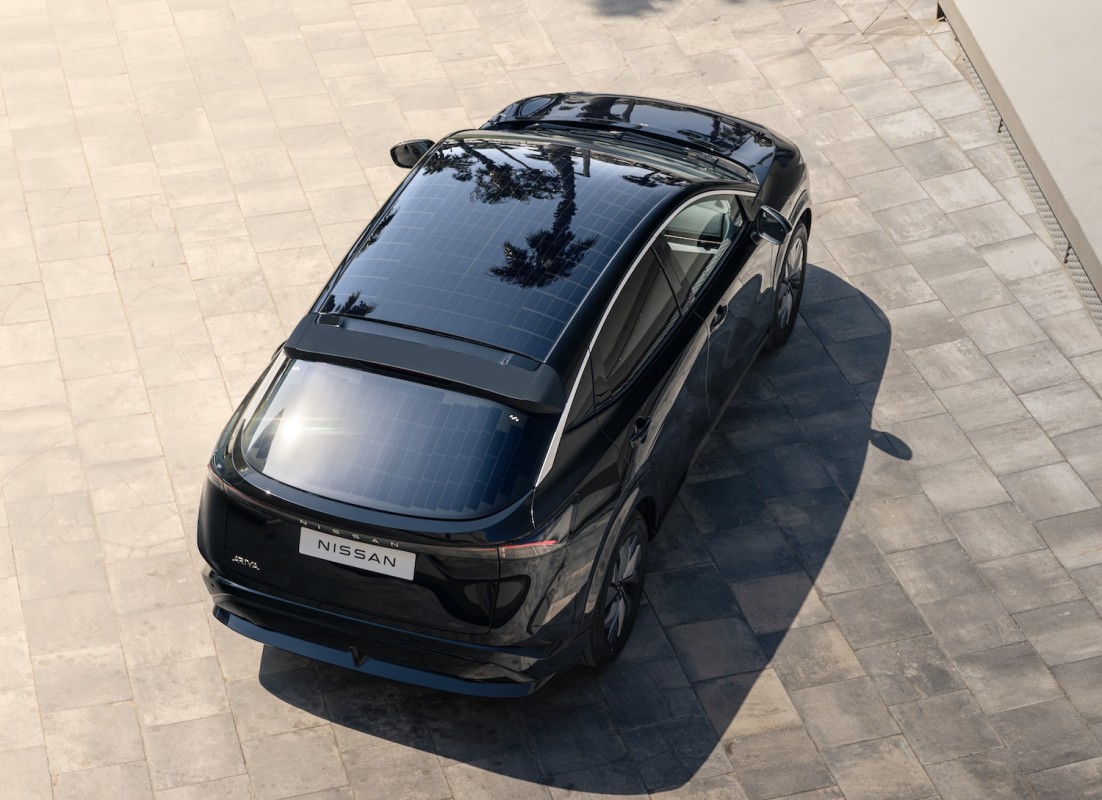
Of Course, There’s a Catch
Compared to Nissan’s earlier solar kei car, the Ariya concept feels more refined. The earlier car used roof-mounted panels with a limited area and output. The Ariya uses more body panels, which helps with both energy collection and appearance. Plus, it helps that the Ariya is a mainstream EV despite its unpopularity.
Still, don’t hold your breath for now. Nissan says it’s a concept, not a production model. Cost, durability, and repair are, of course, big questions. Replacing a dented door is one thing, but swapping out a damaged solar panel body section is a conversation no owner wants to have with the insurer.
So yes, it looks good, and yes, it makes sense on paper. But until Nissan actually builds it, this is just a sharp-looking preview of what’s possible.
Nissan