A Hybrid Idea Nissan Has Been Refining for Years
Nissan‘s e-Power system isn’t new. It debuted in 2016 with the Note in Japan, and since then, the brand has rolled it out to dozens of markets. The question has always been when North America would get it. Now, it’s finally happening.
If you’re wondering why Nissan isn’t following the same playbook as Honda’s e:HEV hybrids – the sort you’ll find in the Accord, CR-V, and Civic – Nissan’s reasoning is straightforward. Honda uses a two-motor system that operates mostly as a series hybrid but can mechanically link the engine to the wheels at cruising speeds. It’s a neat solution for long US highway stretches.
Nissan, however, thinks there’s a better way.
Nissan Isn’t Doing Honda’s Version of Hybrid
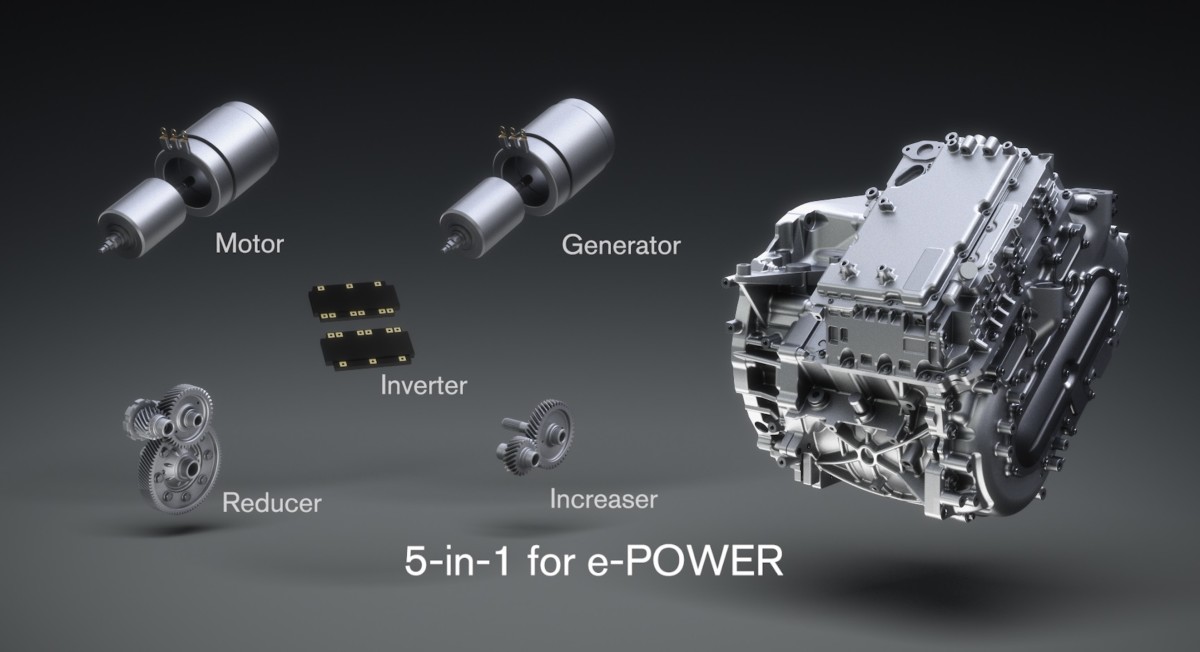
Nissan Americas SVP Ponz Pandikuthira laid out the core differences between Honda’s electrified setup and theirs in a media briefing, The Drive reports. In most hybrids, the engine can step in to help drive the wheels directly. With e-Power, the engine exists only to make electricity. It’s a pure series setup – no plug, no engine-to-wheel connection, no transmission in the traditional sense.
“The weakness of a series hybrid is when you’re on a highway at 75 mph—then an electric motor is not at its most efficient, but an internal combustion engine is,” Pandikuthira said.
Honda gets around that by letting the engine clutch into the drivetrain at speed. Nissan isn’t doing that because “the moment you talk about an engine that’s connected to the drivetrain, there’s a lot of vibrations that come in with adding a transmission… It’s this complexity of cost that’s going into the system,” Pandikuthira added.
Instead, Nissan relies on careful calibration to keep the battery and generator working in sync. The brand waited until its third-generation e-Power – lighter, more compact, more efficient – to commit to bringing the technology stateside.
Nissan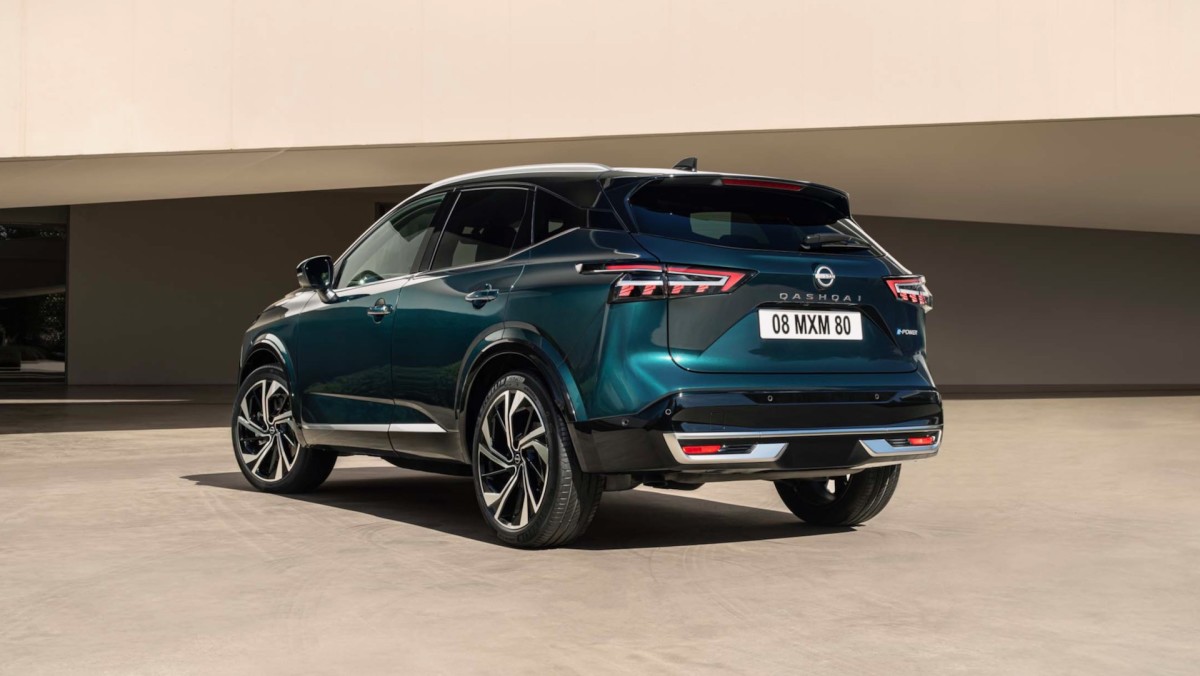
When is Nissan e-Power Coming to America?
Nissan says e-Power will reach the US by the end of fiscal 2026, so that’s within the first three months of 2027, with the next-generation Rogue being the launch model. That Rogue will debut first as a hybrid-only model, with a conventional gas version to follow later.
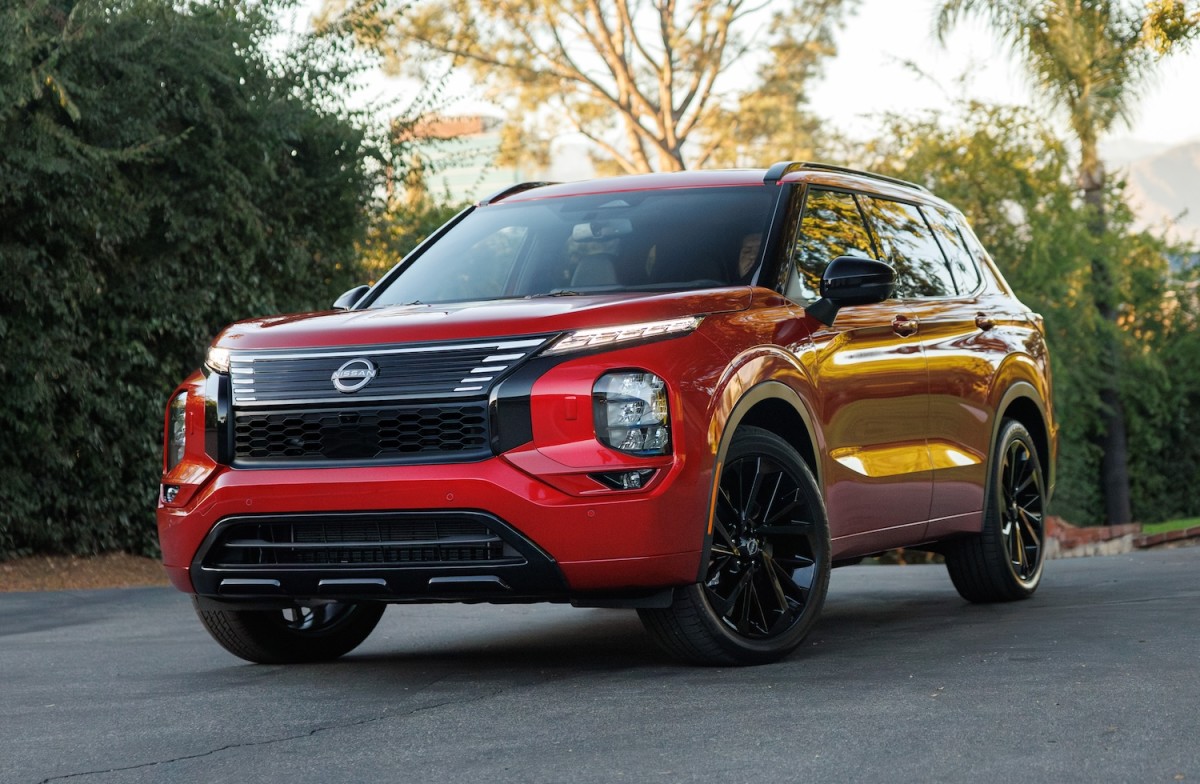
That’s a long wait, so Nissan introduced the Rogue Plug-In Hybrid as some sort of a “bridge product” before the e-Power arrives. Yes, we all know that the “new” plug-in Rogue is just a Mitsubishi Outlander PHEV in disguise (and failing to do so), but it exists purely because shoppers looking for a Rogue hybrid weren’t finding one, and Nissan didn’t want to keep losing those sales.
Once the new Rogue e-Power lands, the stopgap we all love to hate can quietly fade into the background.
Nissan