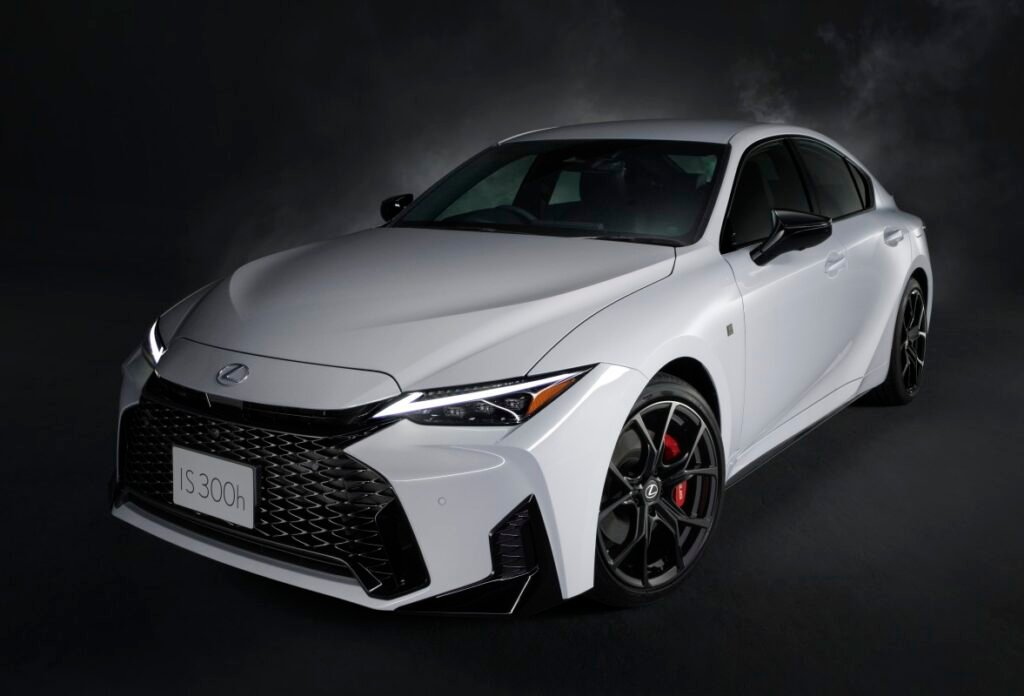
The IS Lives On, but Maybe Not for Long
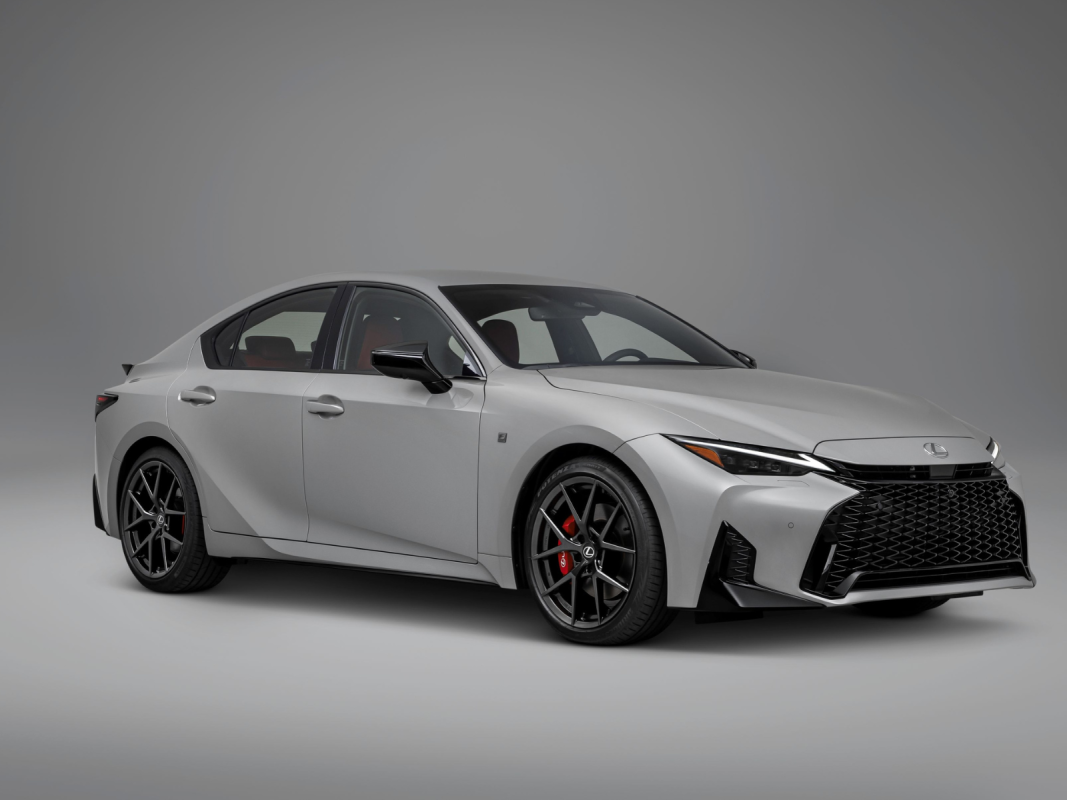
The Lexus IS has survived more than a few predictions of its demise, but it’s still here. For 2026, Lexus gave it a real update instead of letting the nameplate quietly disappear. The changes are mostly visual – a tweaked spindle grille and a tidier front end. Underneath, it’s business as usual, with the same 3.5-liter V6 putting out 311 horsepower.
At first glance, the facelift signals that Lexus is in it for the long haul. But recent reports from Japan point the other way. The refreshed IS might only stick around for a year or so before a completely new model arrives. The real curveball: the next IS could drop combustion engines altogether and go fully electric.
What the Japanese Report Claims (Take It Lightly)
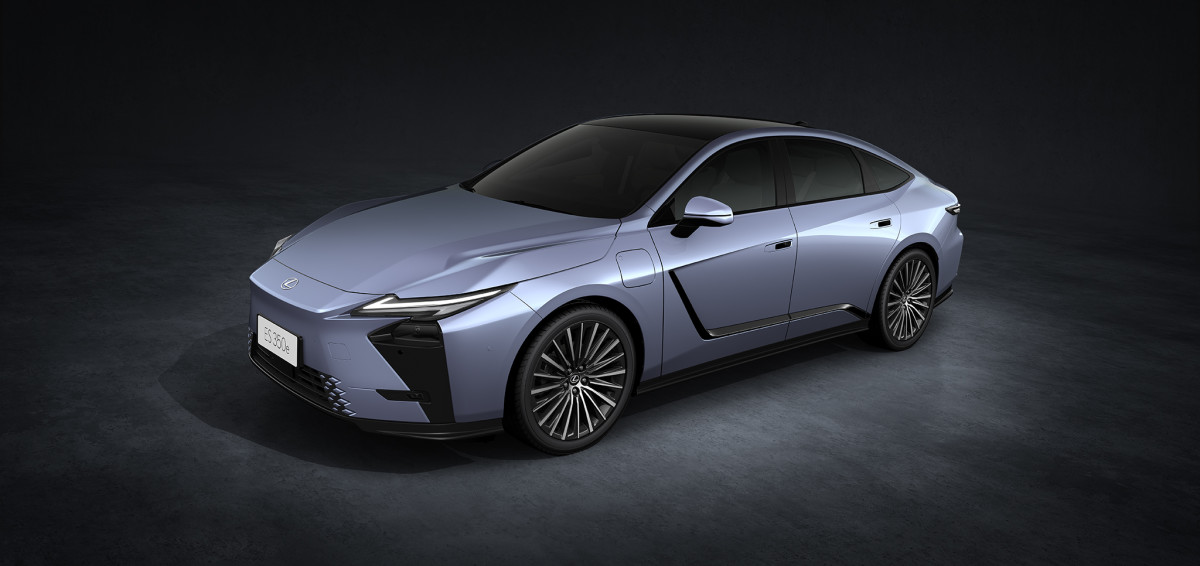
According to Japanese publication Best Car – and as always, this kind of early reporting should be taken with a grain of salt – the next Lexus IS is being developed as a BEV-only sedan aimed at pushing Lexus into a more futuristic space.
According to the report, the new IS will borrow design cues from the LF-ZC concept, just like the ES, moving toward a sleeker, futuristic profile. The dimensions – claimed to be 188.6 inches long, 74 inches wide, and 54.9 inches tall – keep it in true sports sedan territory, but with a lower, sharper stance.
The report also added that the next IS will have a single-motor, rear-drive base model and a dual-motor, all-wheel-drive flagship with about 500 horsepower. The boldest claim is a 620-mile range target on a single charge. If Lexus pulls that off, it would put the IS at the front of the EV pack.
The report also points to next-gen Lexus tech: Gigacast manufacturing, over-the-air updates via Arene OS, and DIRECT4 all-wheel-drive control. Launch is said to be happening as early as next year.
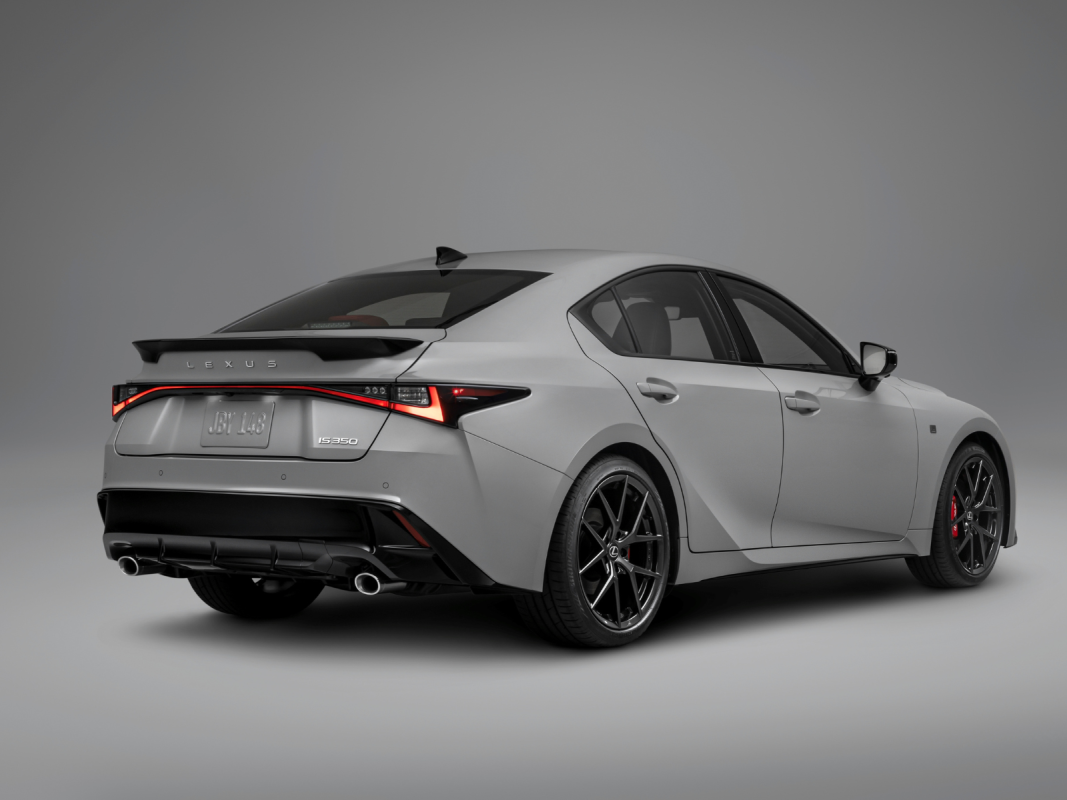
Risky Identity Shift
Making the IS a full EV would be a big shift, but it makes sense given where the market is headed. The IS has always been the driver’s Lexus – a compact, rear-drive sedan that sticks closer to classic sports sedan values than the softer ES. Removing the combustion engine could change how loyal fans view the car.
Still, it wouldn’t be out of character. Lexus is pushing hard into electrification, and the ES already offers both hybrid and battery-electric versions. That kind of flexibility makes an all-electric IS easier to picture, even if it’s a break from tradition.
The best-case scenario? Offer both. Let the EV version lead on tech, but keep a combustion or hybrid option for drivers who want that classic sports sedan experience. The ES shows Lexus can handle more than one powertrain, so there’s reason to hope the IS could follow suit.
For now, this remains rumor territory. But if the report is even partly accurate, the IS might be on the verge of its biggest identity shift yet.
Toyota