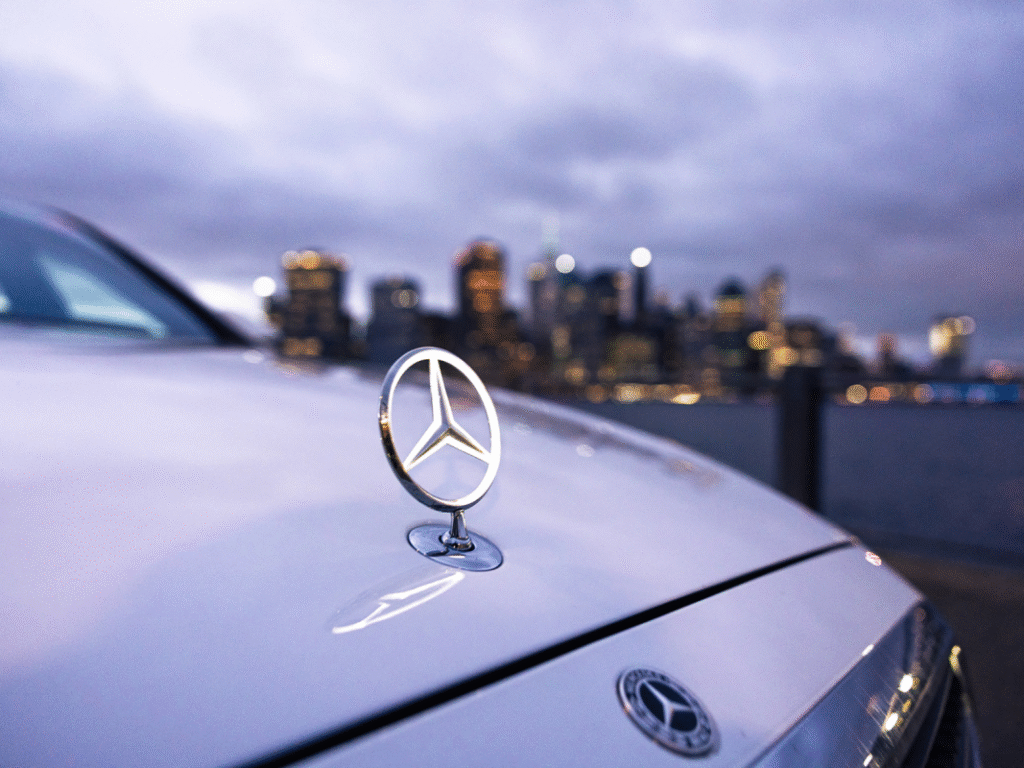
Mercedes Looks Inward
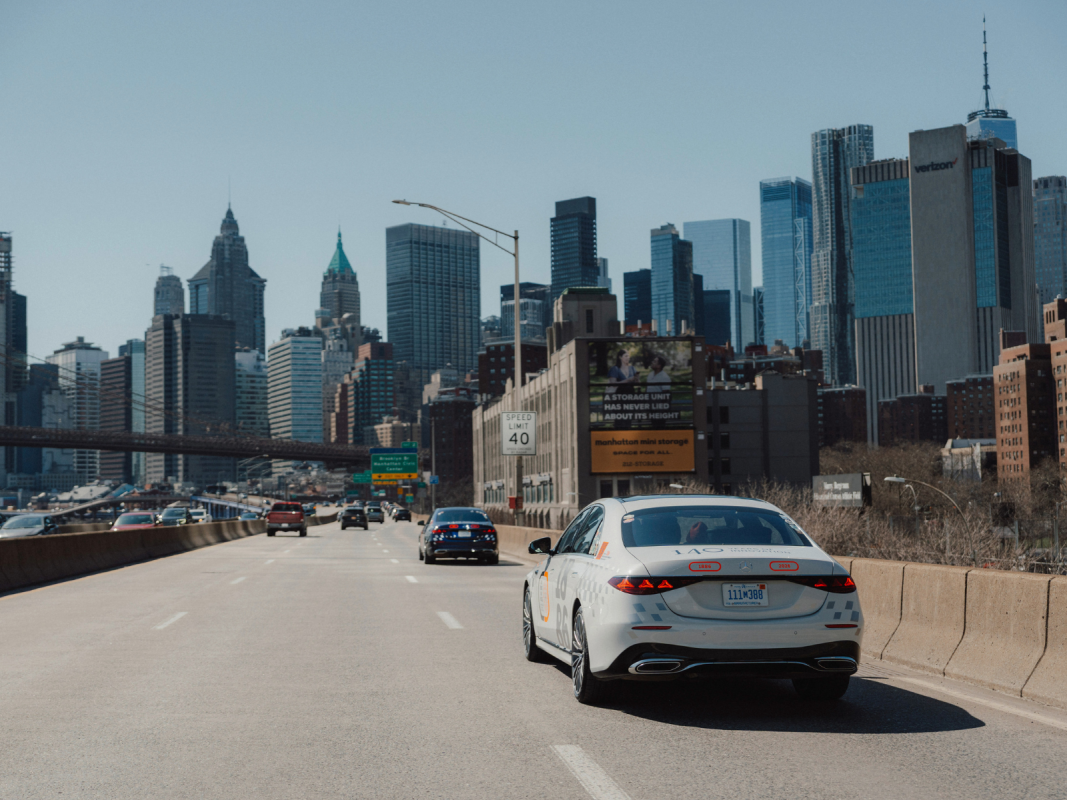
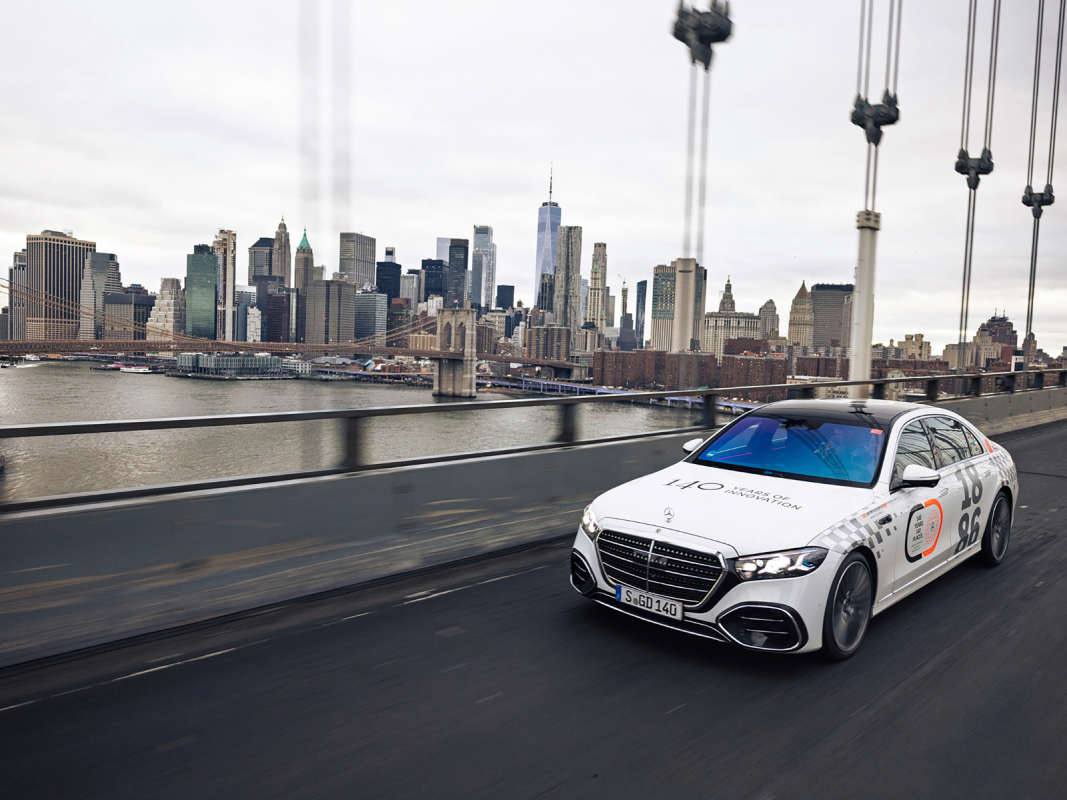
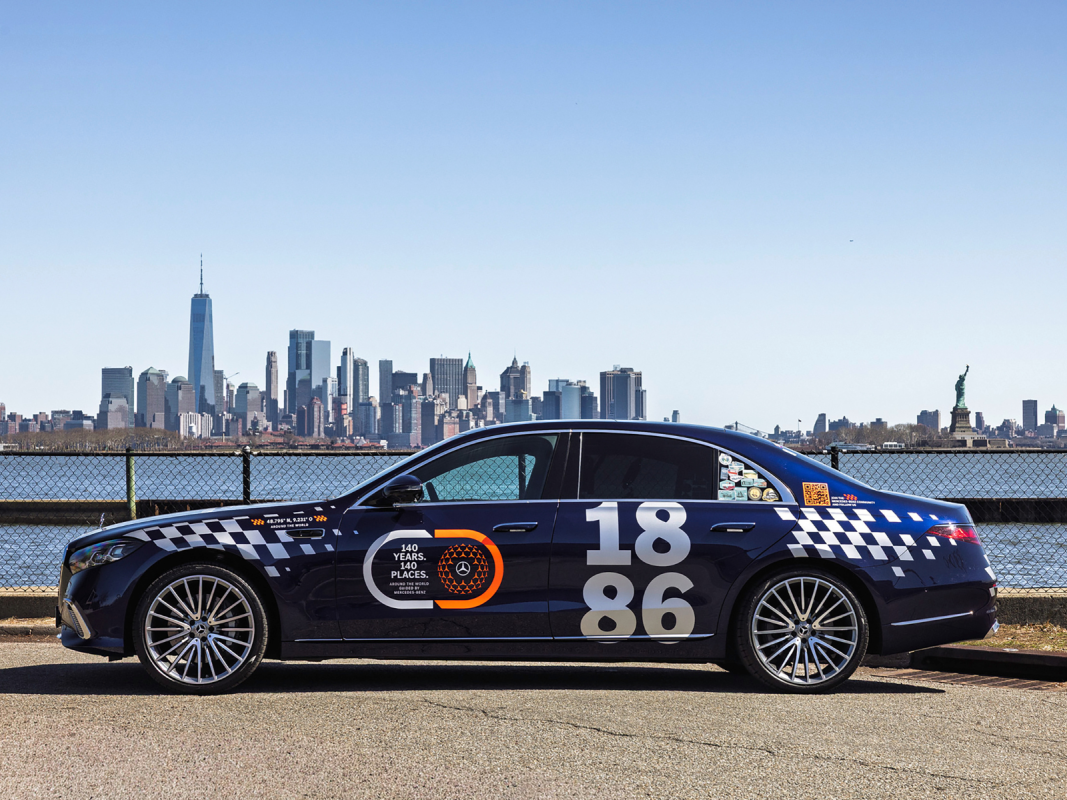
The facelifted Mercedes-Benz S-Class, unveiled earlier this year, is currently on a world tour as the automaker celebrates its 140th anniversary. During its stop in New York, Business Insider caught up with Mercedes-Benz North America CEO Jason Hoff, who revealed a major challenge he has identified since taking on the role last year.
Hoff did not attribute the issue to import tariffs or the all-electric EQS lineup amid a cooling EV market in the U.S. Instead, he pointed to a more internal issue: “corporate inefficiencies.” According to the executive, Mercedes teams – including engineering and customer service – tend to operate separately, which can weaken feedback loops. As he told the publication, “We see a lot of opportunity to bring those groups closer together.”
Closing the Gaps
That emphasis is consistent with Hoff’s background, as he previously served as Head of Quality for Mercedes-Benz Cars & Vans. Bringing teams closer together is just one of his priorities as company chief, alongside boosting sales, expanding local production of high-demand vehicles, and improving the customer experience and in-car technology.
The report states that Mercedes-Benz plans to expand its SAE Level 3 driver-assistance system in parts of the U.S., allowing drivers to take their eyes off the road and hands off the wheel under certain conditions. That would mark an interesting development, as the technology is expensive and demand appears limited – a trend also seen at rival BMW, which dropped its Personal Pilot L3 system for the 7 Series.
A Shift in Strategy
What may prove more effective is a multi-powertrain approach, rather than Mercedes’ now-abandoned plan to go all-electric by 2030. Hoff cited the C-Class, and said, “You can have a C-Class with electric, plug-in, or gas. Take your pick.” In the U.S., that approach could be especially relevant, as demand has shifted toward hybrids amid factors such as import tariffs and the end of the $7,500 federal EV tax credit, both of which have weighed on EV adoption.
As Mercedes works through product and internal challenges, it will remain in a tough U.S. battle with BMW, which beat the brand by more than 85,000 passenger-vehicle sales last year. Their other rival, Audi, meanwhile, appears to be on the sidelines for now, as tariffs continue to weigh on the automaker without a U.S. manufacturing base.