Mercedes-Benz revealed its sales and earning numbers for 2025 this morning, and on the surface, things don’t look great for the German giant, which sold 9.2% fewer cars last year than it did in 2024.
Coincidentally, 9.2% is also how far its revenue dropped over the same period – it made €132 million (around $157 million) in 2025 compared to €145.5 million (around $173 million) the year before. The factors the company blames for this drop in sales aren’t all that surprising – “global tariffs, foreign exchange headwinds and intense competition in China.”
Perhaps predicting a dropoff against that background, Mercedes says these results are “within expectations and guidance,” and it isn’t completely bad news for all segments with what it calls ‘Top-End Vehicles’ accounting for some 15% of all its sales.
Car Sales Down, But Luxury and Performance Excel
Mercedes-Benz
Worldwide, Mercedes sold 1,801,291 passenger cars last year, a drop of over 180,000 from the 1,983,403 it shifted in 2024. Among that was a negligible uptick in sales of all electrified vehicles, including hybrids and EVs – 368,700 in 2025 compared to 367,610 in 2024.
Focus in on the pure EVs, though, and the story is one a lot more consistent with the current unsteady demand for electric cars: Mercedes sold 168,823 EVs in 2025, an 8.8% drop from 2024. Much of that drop in the US was likely led by the elimination of the EV tax credit in September, and the subsequent four-month pause of production of four of its EVs for the US – the EQE and EQS sedans and their SUV namesakes.
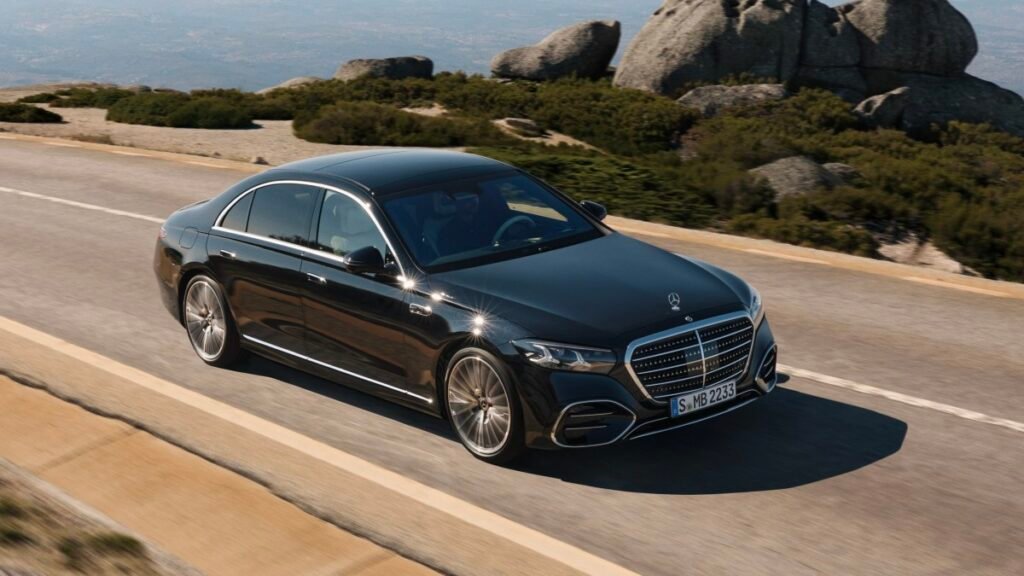
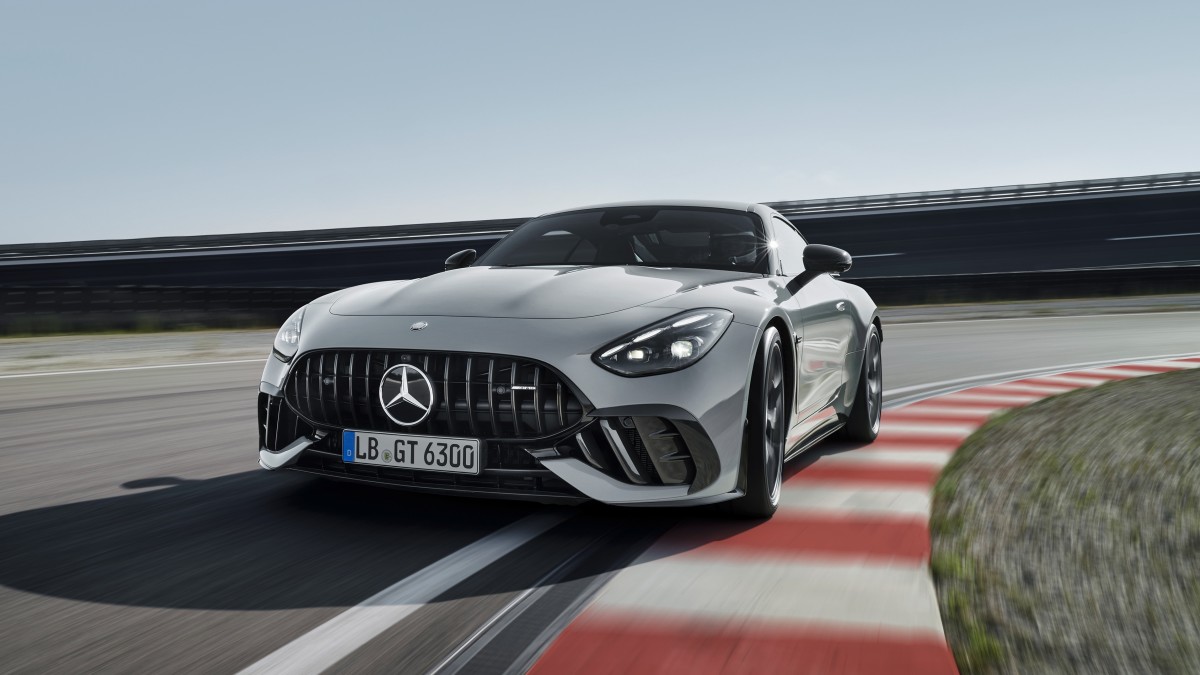
Among the bad news, though, was a strong showing for ‘Top-End’ vehicles – Mercedes’ terminology for the G-Class and S-Class as well as the AMG performance and Maybach luxury models. Despite Merc’s sprawling global model range, these once-niche segments accounted for some 15% of all of its sales in 2025.
Vans Struggle Too
Mercedes-Benz
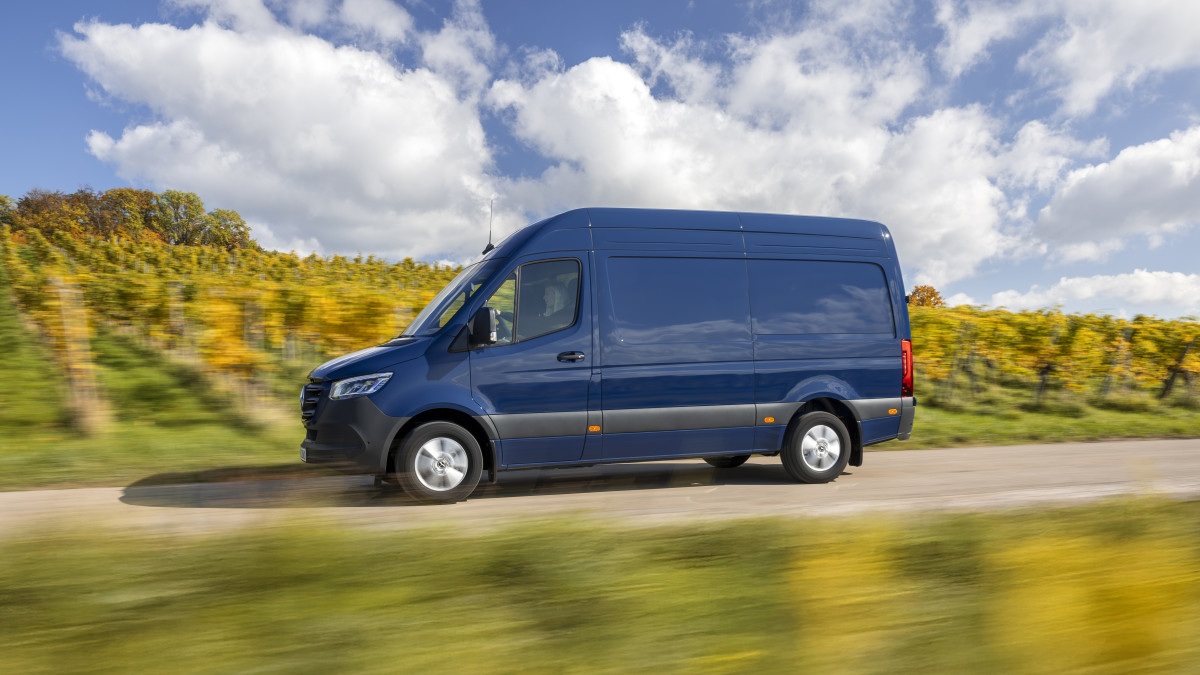
It was a similar outlook for Mercedes’ van division, with sales of 359,136 in 2025 versus 405,610 in 2024 – an 11.5% drop. Notably, though, its all-electric vans delivered a strong result, with 28,488 vans sold last year over 19,516 the year before – a 46% uptick.
Nevertheless, Mercedes says that this result was still slightly above guidance, and that investment in its next-gen van platform is the groundwork for future success.
A Busy Year Ahead
Mercedes-Benz
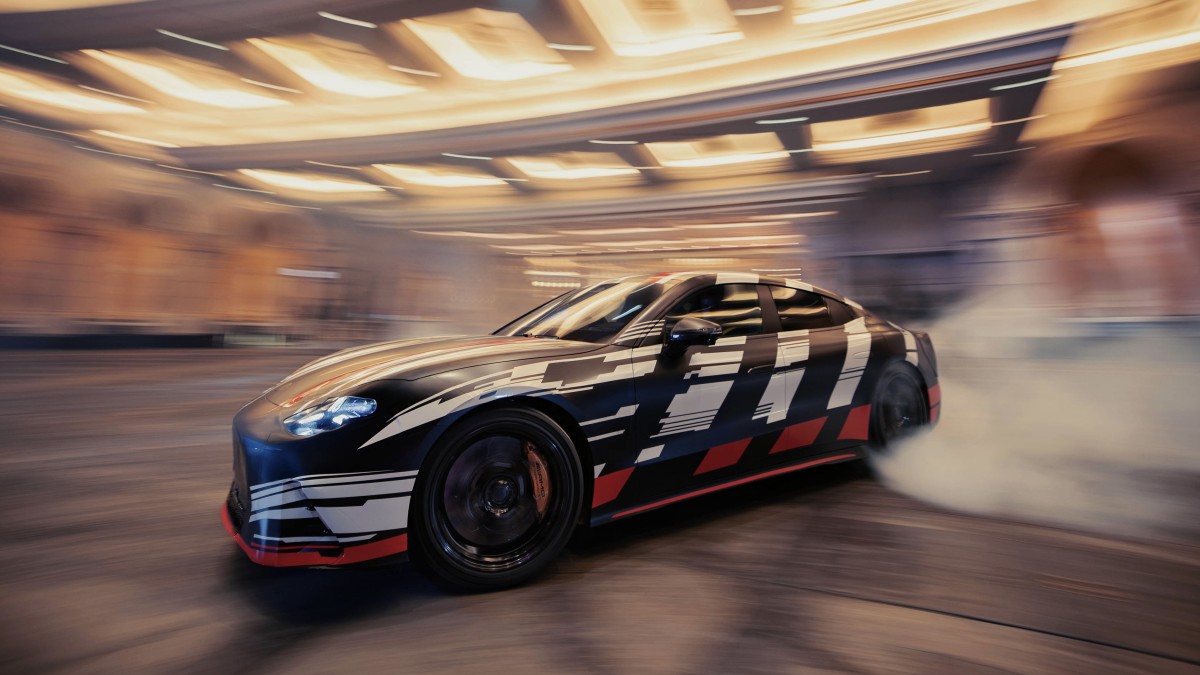
Despite cost-cutting measures taken in 2025, Mercedes is pushing on with a busy product launch schedule. This year alone we’ve already seen the updated S-Class and the new straight-six GLC 53, replacing the unloved four-cylinder AMG versions of the same model. Expect the C-Class to get a similar treatment before long. We’ll also see AMG’s first standalone EV in the form of the new AMG GT 4-Door, and quite possibly the long-awaited ‘Little G’, a compact SUV bearing boxy styling cues from the full-size G-class.
In order to hit its longer-term target of getting sales up above two million cars, Merc says it aims to double down on production efficiency and cost cutting, ending production at the plant in Aguascalientes, Mexico it operates in a joint venture with Nissan and increasing capacity at its factories in Germany and Hungary.
Meanwhile, in China, where nearly every European manufacturer has been struggling as the domestic industry expands and matures at a staggering rate, it plans to double down on its local partnerships and create a more China-centric supply chain for models in the market.
All in all, it forecasts that the sales and revenue patterns it experienced in 2025 will continue into 2026 – which also happens to mark the 140th anniversary of Carl Benz filing his patent for the car as we know it.