Mercedes Slapped With $7.6M EV Battery Fine
South Korea’s Korea Fair Trade Commission (KFTC) has fined Mercedes-Benz 11.2 billion won ($7.6 million) after determining the automaker misled customers about the battery suppliers used in some of its electric vehicles. The ruling stated that the company’s marketing materials and dealer sales guides inaccurately described battery sourcing in certain EV models.
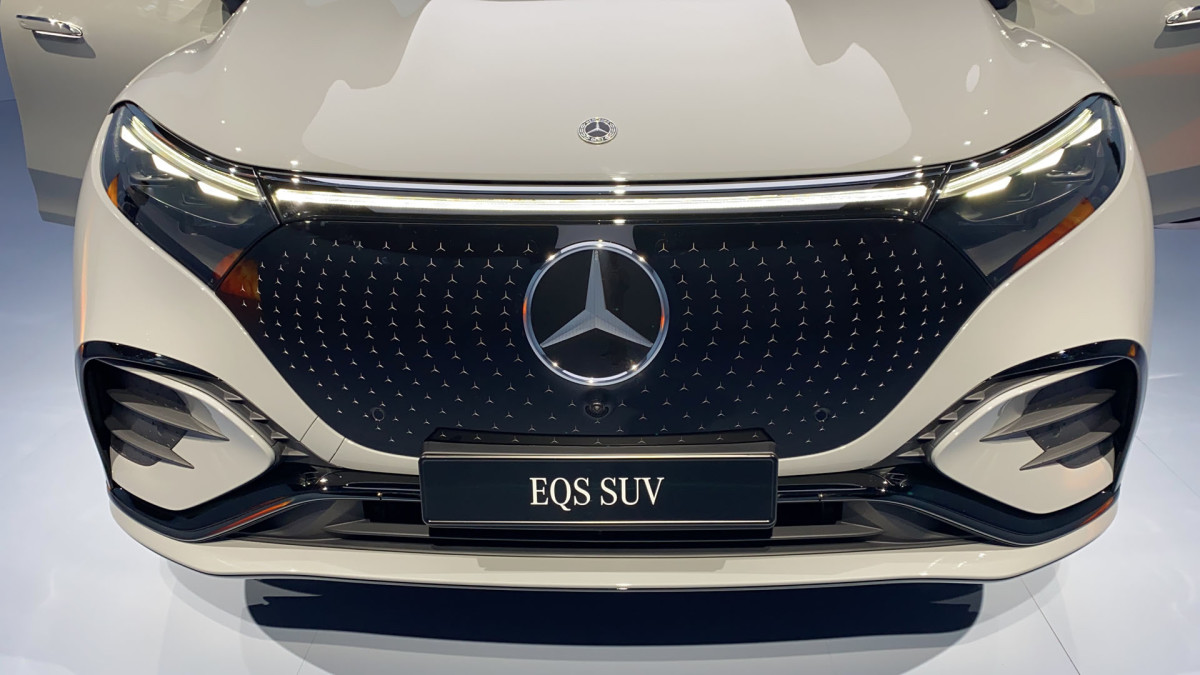
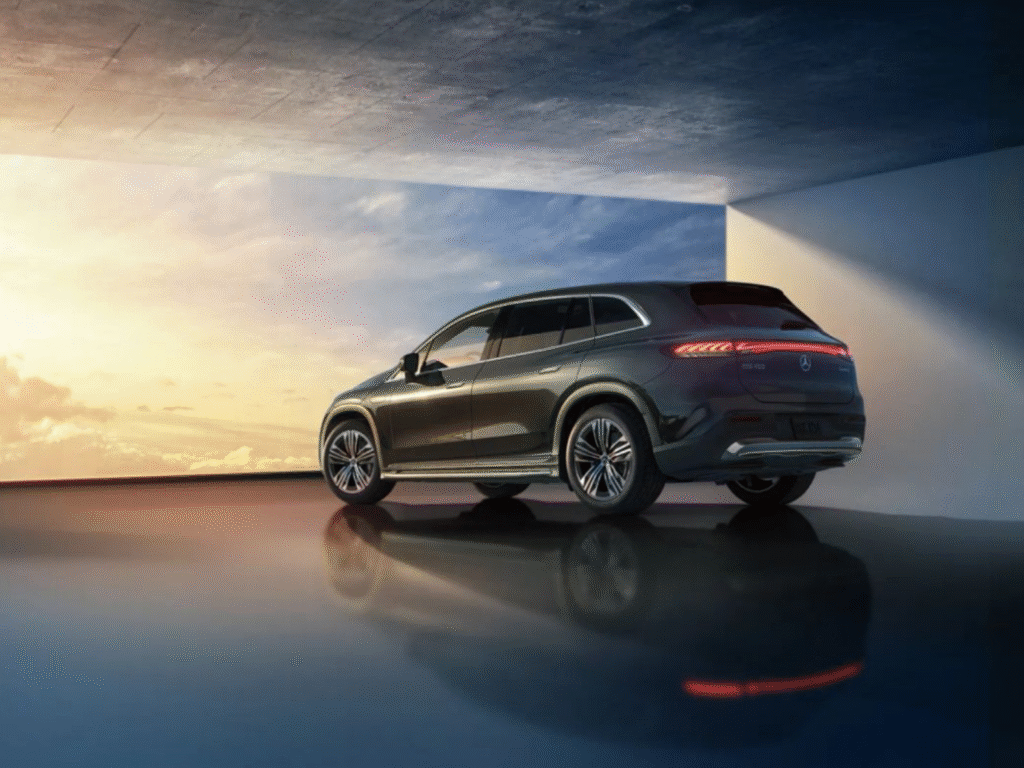
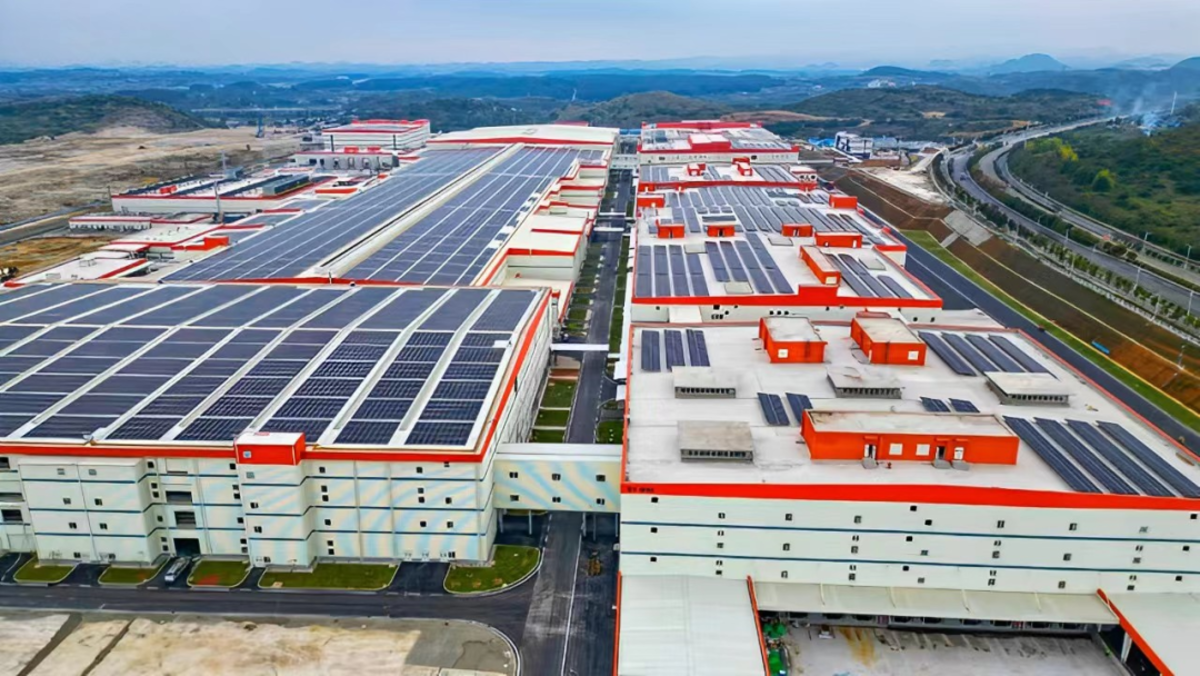
According to the regulator, models including the Mercedes-Benz EQE and Mercedes-Benz EQS were promoted as using batteries supplied by CATL, the world’s largest EV battery maker. Investigators found that some vehicles instead used battery cells from Farasis Energy, a lesser-known Chinese supplier, information that was omitted from dealer guides and marketing materials.
Battery Information Was Allegedly Omitted
According to Reuters, the KFTC said Mercedes-Benz distributed an internal sales manual to dealers in June 2023 outlining details about its electric vehicle lineup. The materials reportedly emphasized the advantages and global leadership of CATL batteries while failing to mention that some models were equipped with Farasis battery cells.
Because dealers relied on those sales guides, regulators believe many sales staff unknowingly highlighted CATL battery technology when promoting the vehicles to customers. The commission said the Korean subsidiary had received detailed information about battery suppliers from the company’s German headquarters as early as 2021, but did not fully reflect that information in its local sales materials.
Mercedes-Benz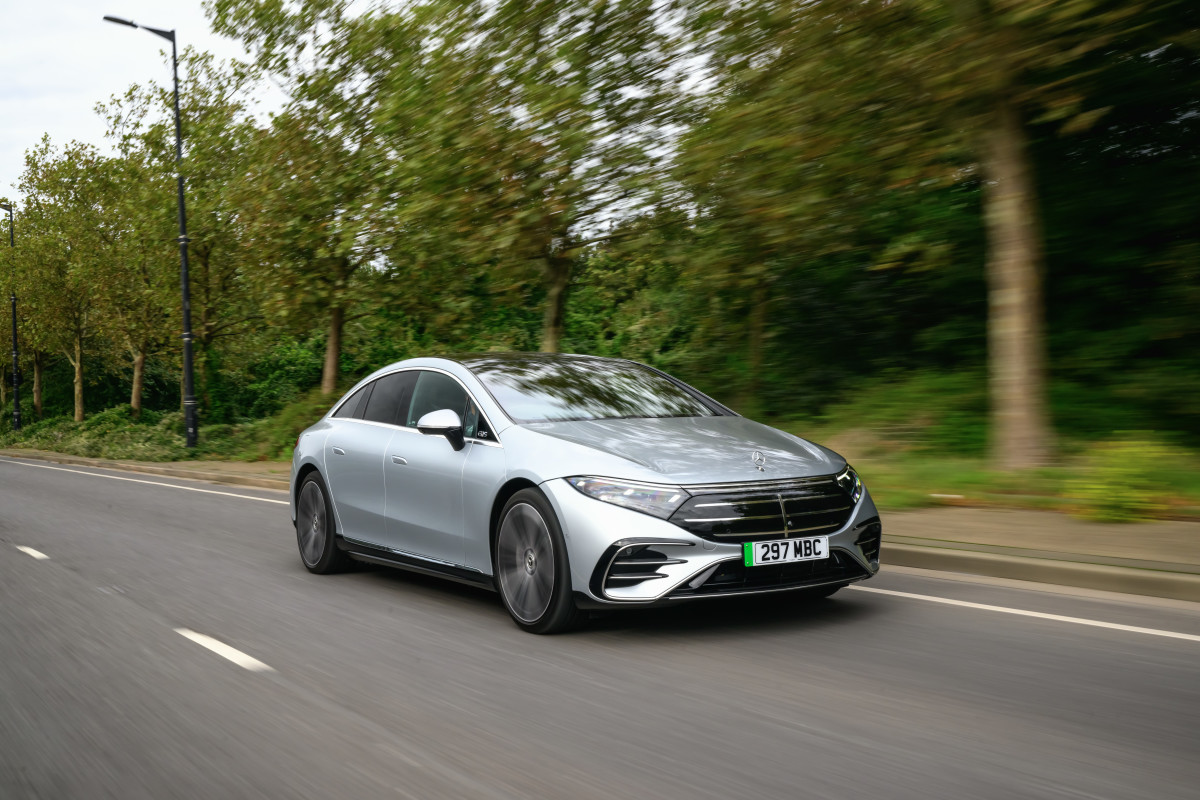
EV Fire Investigation Leads to Fine and Wider Battery Disclosure Probe
The investigation began after a 2024 fire involving a parked Mercedes-Benz EQE in Incheon, South Korea. Authorities later determined that the vehicle was equipped with battery cells supplied by Farasis Energy, prompting regulators to examine whether consumers had been properly informed about the battery supplier. It is interesting to note that last month, Mercedes-Benz issued a warning here in the USA, advising owners of models using Farasis batteries to charge their vehicles outdoors.
The blaze occurred in the underground parking garage of an apartment complex and caused significant damage. Reports indicated that more than 100 nearby vehicles were destroyed, while residents were temporarily evacuated as firefighters worked to contain the fire.
Mercedes-Benz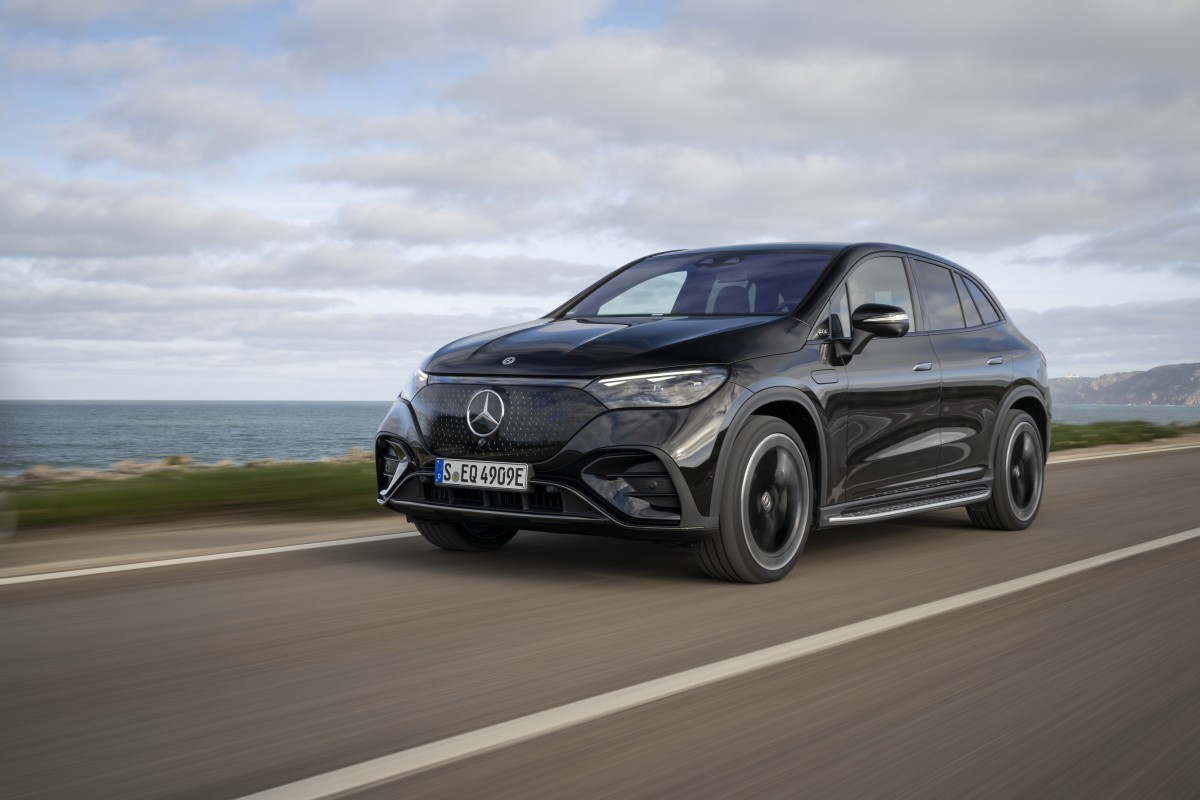
The Lowdown
According to the KFTC, about 3,000 vehicles equipped with Farasis battery cells were sold in South Korea between June 2023 and August 2024, generating roughly 281 billion won ($191 million) in revenue. The agency issued a $7.6 million fine, which is the maximum allowed under Korean law, equal to about 4 percent of related sales. Mercedes-Benz Korea says it disputes the ruling and plans to challenge it in court.
As EV technology continues to evolve, battery development remains one of the most expensive and complex parts of the industry. With EV sales growth slowing in some markets, automakers are under pressure to control costs and protect margins, often by sourcing batteries from different suppliers. However, cases like this highlight the importance of transparency, especially as regulators and consumers increasingly scrutinize how companies communicate key details about EV technology.
Sebastian Blanco