Cameras Are Everywhere, but Darkness Is Still a Problem
It wasn’t long ago that car cameras were a luxury feature. Now, backup cameras are required by law in the US, and even entry-level SUVs come with surround-view systems. As vehicles have grown larger and sightlines have shrunk, cameras have stepped in to fill the gaps that mirrors and windows can’t cover.
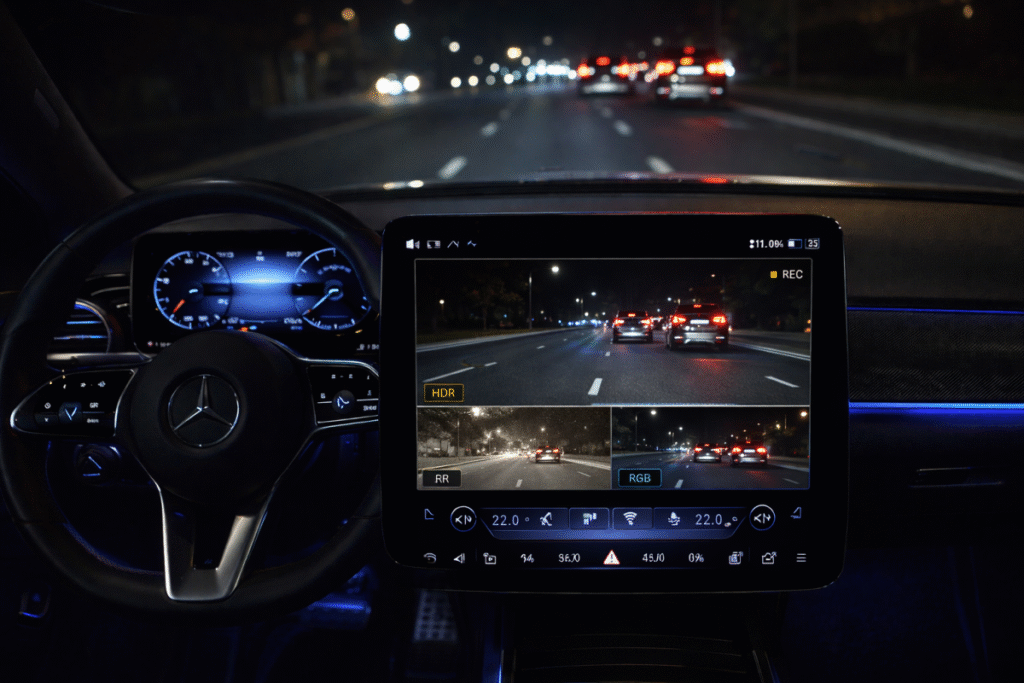
But even with all that progress, most car cameras still hit a wall at night. As soon as daylight fades, image quality takes a nosedive. Streetlights can wash out parts of the picture, headlights turn details into white blobs, and shadows hide anything outside the main beam. Even the best high-res cameras struggle when lighting gets patchy.
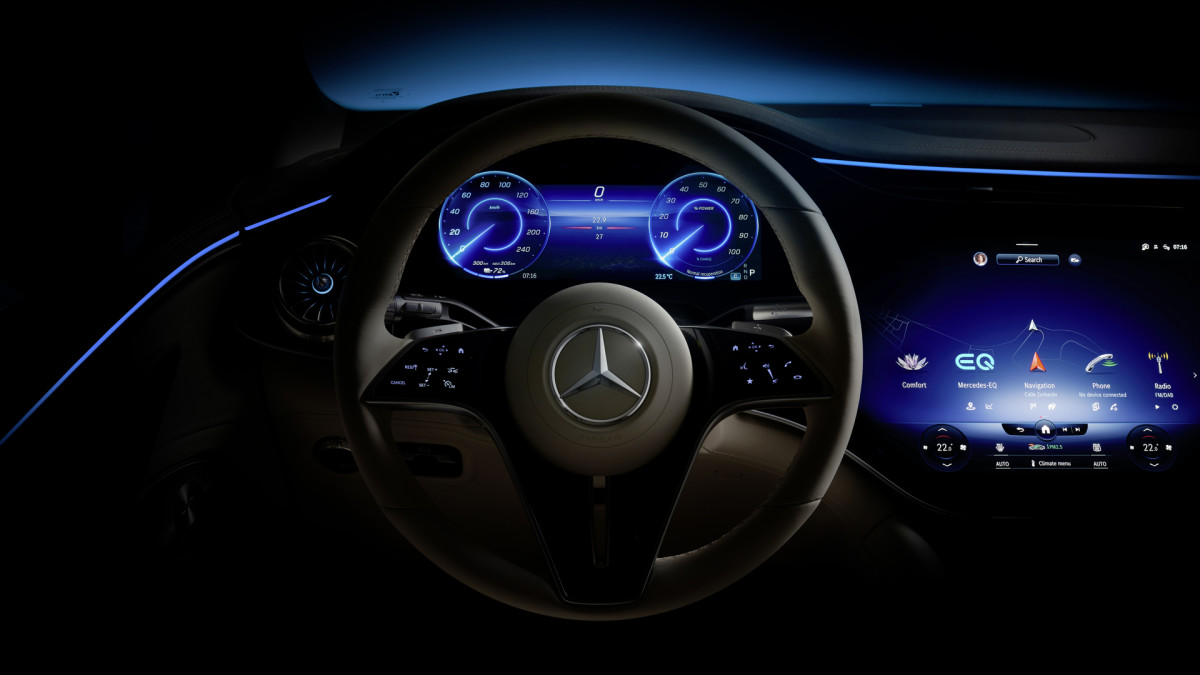
This problem isn’t new, though, and automakers have tried to patch over this weakness with brighter sensors and smarter software, but the core problem remains. Mercedes-Benz, though, appears to be taking a different approach – rethinking how in-car cameras capture and process images, if its latest patent is any indication.
Mercedes-Benz
A Different Way of Capturing What the Camera Sees
Mercedes-Benz filed the patent with the US Patent and Trademark Office (USPTO) over two years ago (patent no. 20260039966, if you want to dig into the details yourself). Published just last week, the document describes a camera system designed to handle challenging lighting conditions, including near-total darkness.
Instead of sticking with a single video feed, the system cycles quickly through different types of images – standard color, infrared for low-light, and shots at various exposure levels. Each frame picks up details that the others might miss, filling in the gaps that usually get lost after dark.
Timing is what makes it work. The camera switches between modes so quickly that neither the driver nor the onboard systems notices any change. The software then blends all the data into a single video feed, balancing color, brightness, and shadow detail. The result is a camera that can see more than a typical setup, without needing a bunch of extra hardware.
James Riswick
Practical Use
Mercedes’ new camera system could make a difference for everything from driver monitoring to interior sensors and exterior cameras that have to work after dark. Infrared lets the system see without visible light, and switching exposures helps keep both bright and shadowy areas clear.
The system’s software-driven design also means it can adapt on the fly – changing how it captures images if there’s sudden glare or a quick shift in lighting. That kind of flexibility is becoming more important as cars rely on cameras for automated safety features that need reliable, accurate visuals.
Of course, just because it’s patented doesn’t mean it’ll show up in the next Mercedes you see on the road. Automakers file plenty of ideas that never make it to production. Still, patents like this give us a window into the challenges engineers are working on – and where the next generation of camera tech might be headed.