Mazda Links Safety to Savings
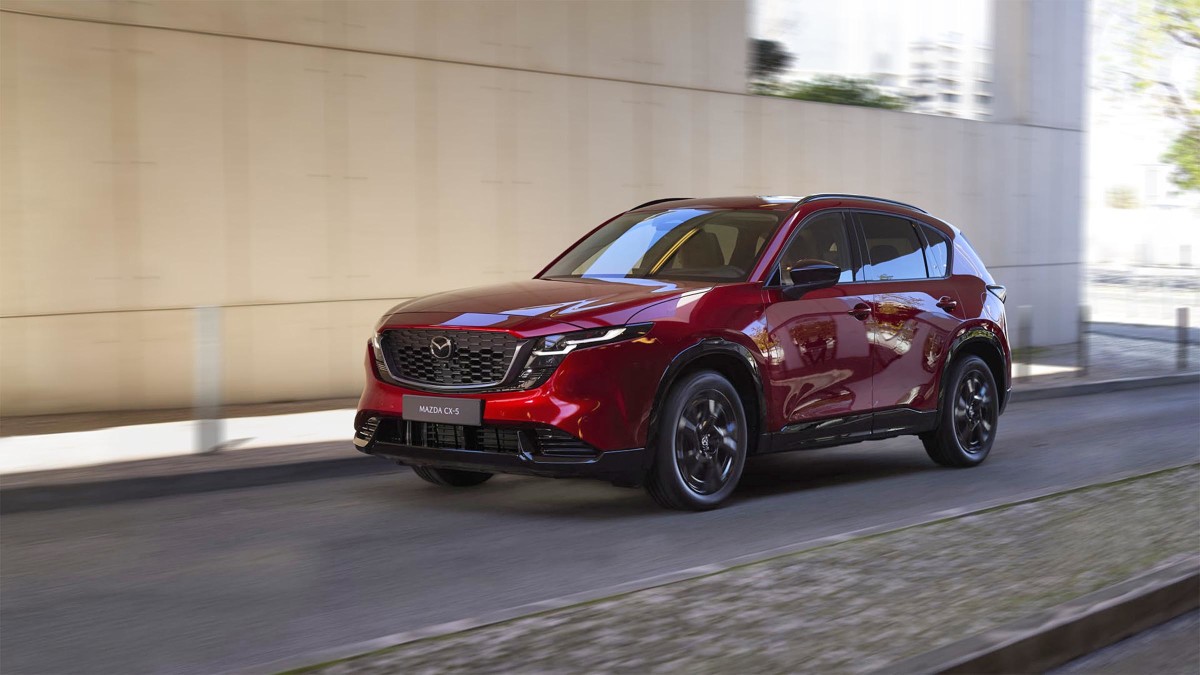
After recently earning the most 2026 IIHS Top Safety Pick+ awards with eight, Mazda shared a new study suggesting that investing in more advanced driver assistance system features can reduce insurance losses in the long term. The IIHS’ Highway Loss Data Institute (HLDI) found that Mazda’s ADAS systems can reduce property damage liability (PDL) claims by as much as 39 percent.
The study suggested that although repair costs can rise due to sensor complexity, overall insurance losses still decline because of fewer crashes. The findings were based on Mazda vehicles from model years 2015 to 2023, which were equipped with two different ADAS feature bundles: a standard package and a more comprehensive one.
Breaking Down the Numbers
With the basic bundle, which included front automatic emergency braking and forward collision warning, property damage liability (PDL) claims were reduced by 13 percent and bodily injury liability (BIL) claims by nine percent.
On the other hand, the more comprehensive bundle added features such as adaptive cruise control, a driver attention alert system, and high-beam assist. It reduced PDL and BIL claims by 39 percent and 21 percent (not statistically significant), respectively. The study noted that front AEB with pedestrian detection and rear AEB delivered the greatest reduction, with the latter helping prevent low-speed parking lot collisions, which are said to account for a large share of insurance claims.
In addition, blind spot monitoring with rear cross-traffic alert as a standalone system reduced PDL claim frequency by nearly 10 percent and BIL claim frequency by 13 percent.
Kyle Edward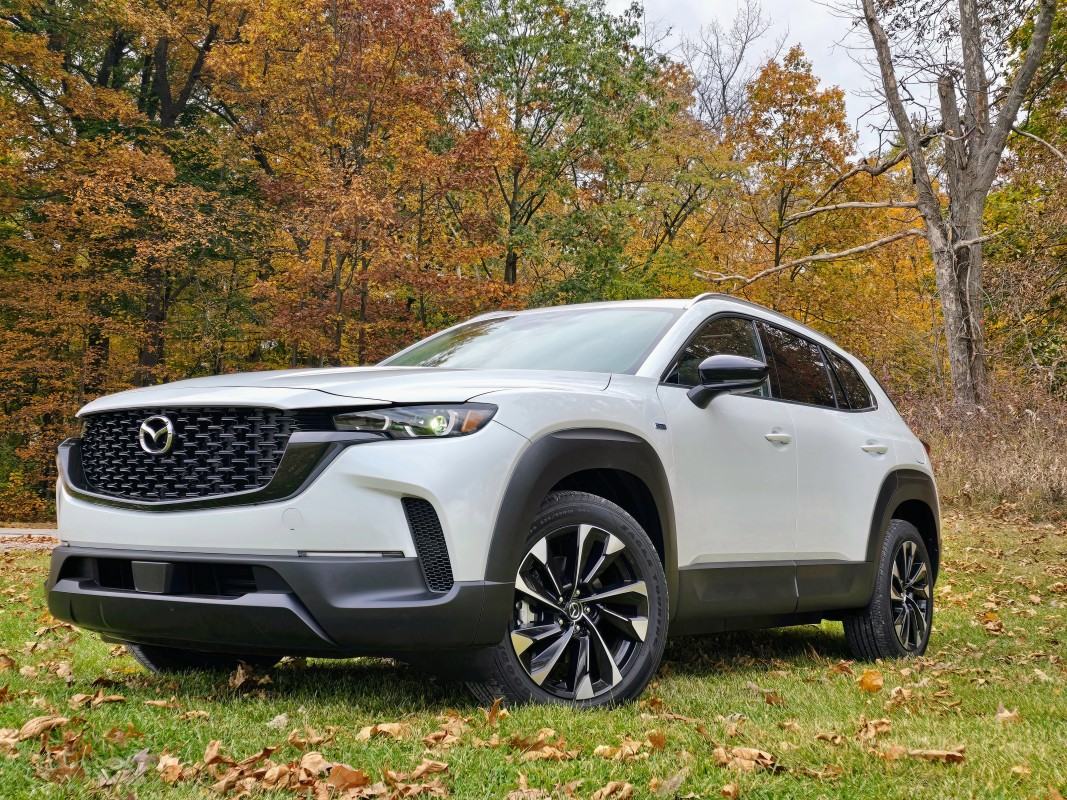
Where ADAS Stands Today
One thing to note, though, is that despite these benefits, Mazda’s ADAS is still classified as an SAE Level 2 system, similar to Toyota Safety Sense and Ford BlueCruise. That means drivers must keep their full attention on the road at all times, unlike the way some drivers have treated the ADAS functions, in some cases even to the point of falling asleep.
Looking ahead, IIHS seeks to strengthen crash-avoidance systems as part of its 30×30 vision, which aims to reduce U.S. road deaths by 30 percent by 2030. That could push more automakers to improve their ADAS offerings, which, ideally, would not only help reduce crashes but also lower insurance claims over time, as this HLDI study suggests.
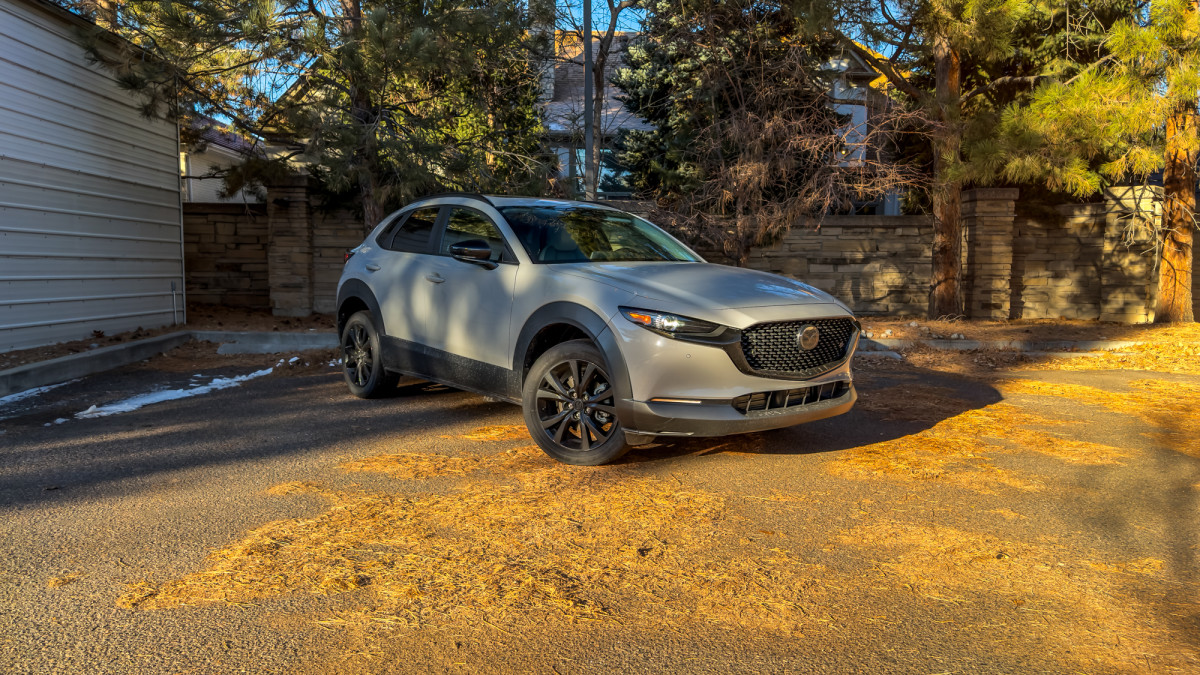
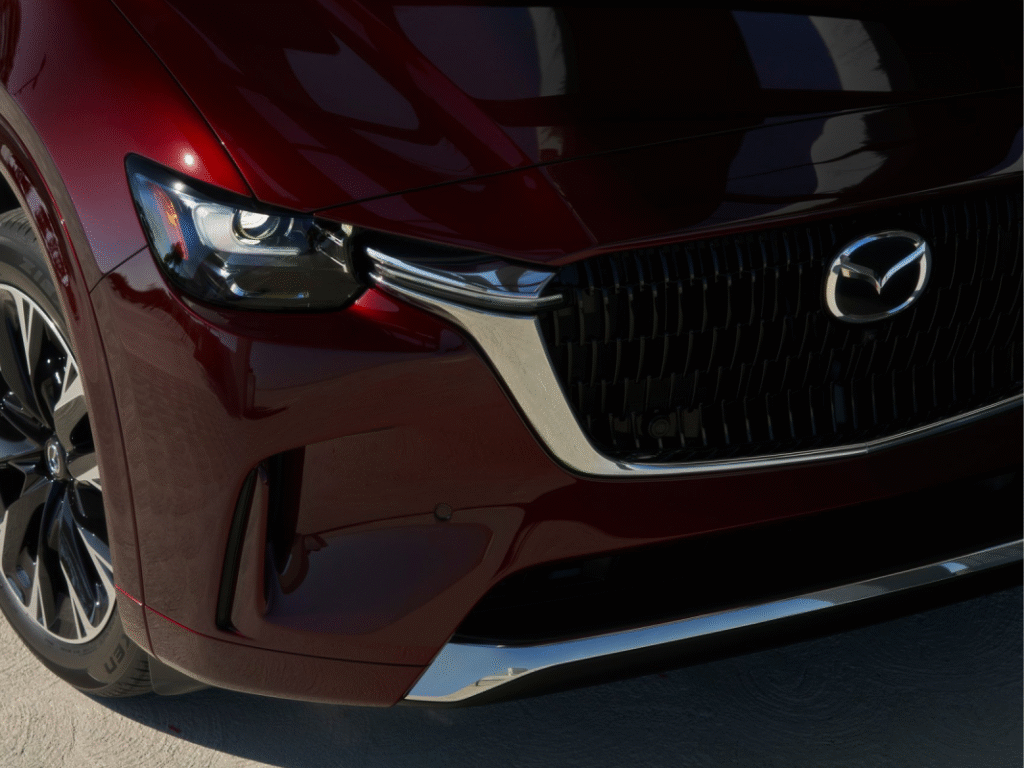
For reference, Mazda’s 2026 IIHS Top Safety Pick+ winners include the Mazda3, Mazda3 Hatchback, CX-30, CX-50, CX-70, CX-70 PHEV, CX-90, and CX-90 PHEV.
Chase Bierenkoven