Mazda Refuses to Rush Electrification at the Cost of Driving Feel
Mazda has always played the long game, and it has done so on its own terms. While much of the industry rushed toward electrification, the Hiroshima-based brand stayed focused on driving feel. Its Jinba Ittai philosophy, the connection between car and driver, continues to shape every product. From the MX-5 to its crossovers, Mazda prioritizes engagement above all else.
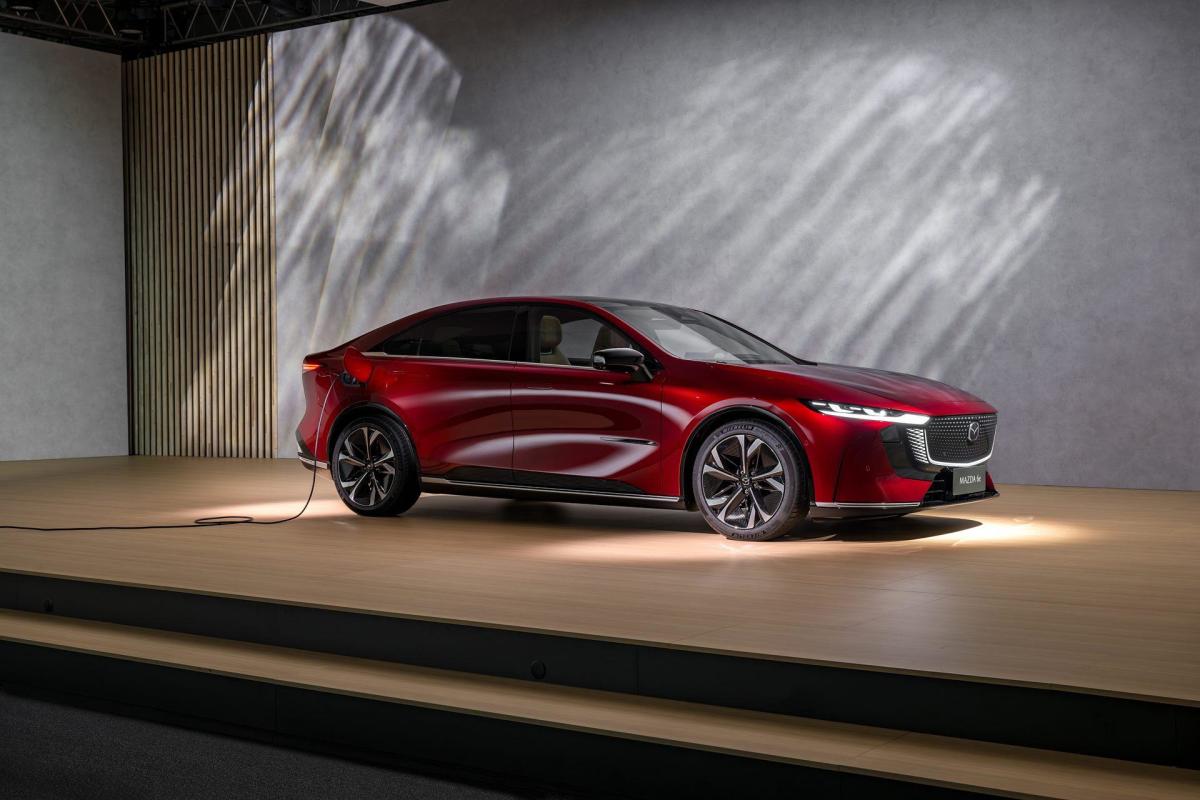
That mindset explains why Mazda has been late to EVs. The company has openly admitted that fully electric models have not aligned with its engineering priorities. Instead of rushing, Mazda continues to refine combustion and hybrid technologies. It already has access to hybrid systems through Toyota and EVs with its Chinese partner, Changan, yet it chose to delay its own solution. The reason is simple. Mazda wants full control over how its cars feel on the road.
Mazda Wants Full Control Over Hybrid Tech to Preserve Its DNA
Speaking to Car Expert, Mazda’s global sales and marketing boss Manabu Osuga explained the decision clearly. It comes down to control and character. Mazda already uses Toyota’s hybrid system in models like the CX-50. Even then, the company applies its own tuning to make the driving experience feel distinct.
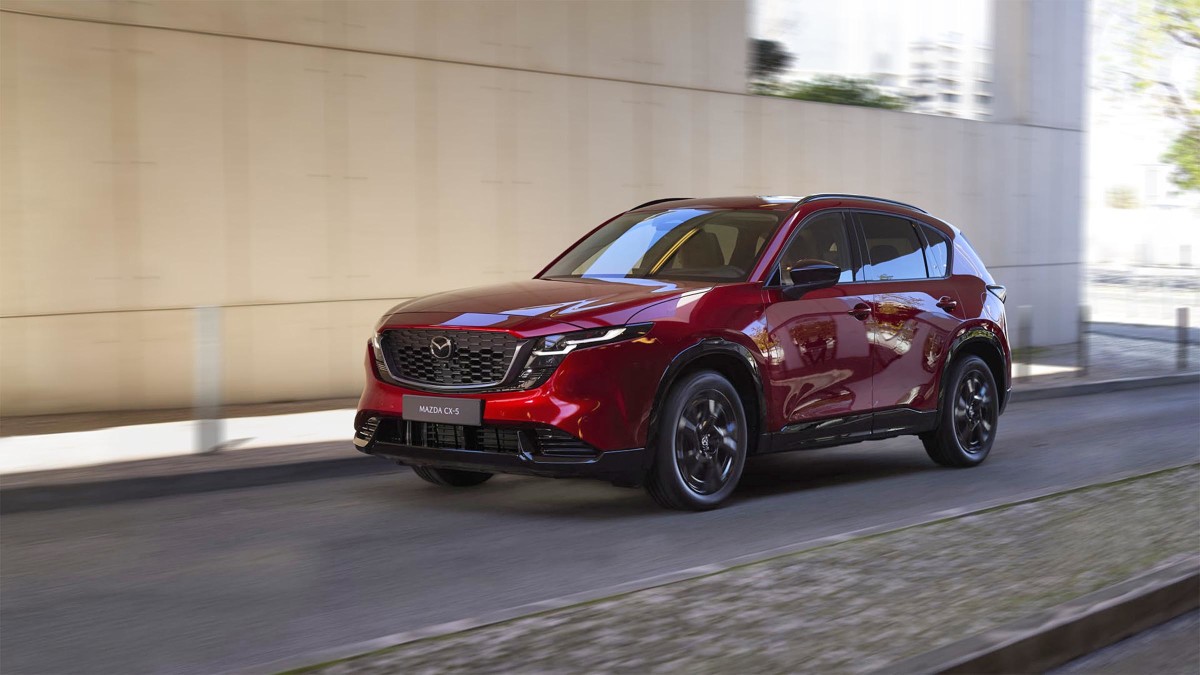
However, Osuga noted that tuning has limits. For a core model like the next-generation CX-5, Mazda wants complete ownership of the system. It plans to engineer the hybrid drivetrain in-house. The second reason is technical. Mazda has chosen a direct hybrid layout that connects closely to the transmission. This setup is designed to deliver smoother and more linear acceleration. The upcoming hybrid CX-5 will also introduce the new Skyactiv Z engine. Mazda claims it will improve efficiency and emissions without reducing power.
Kyle Edward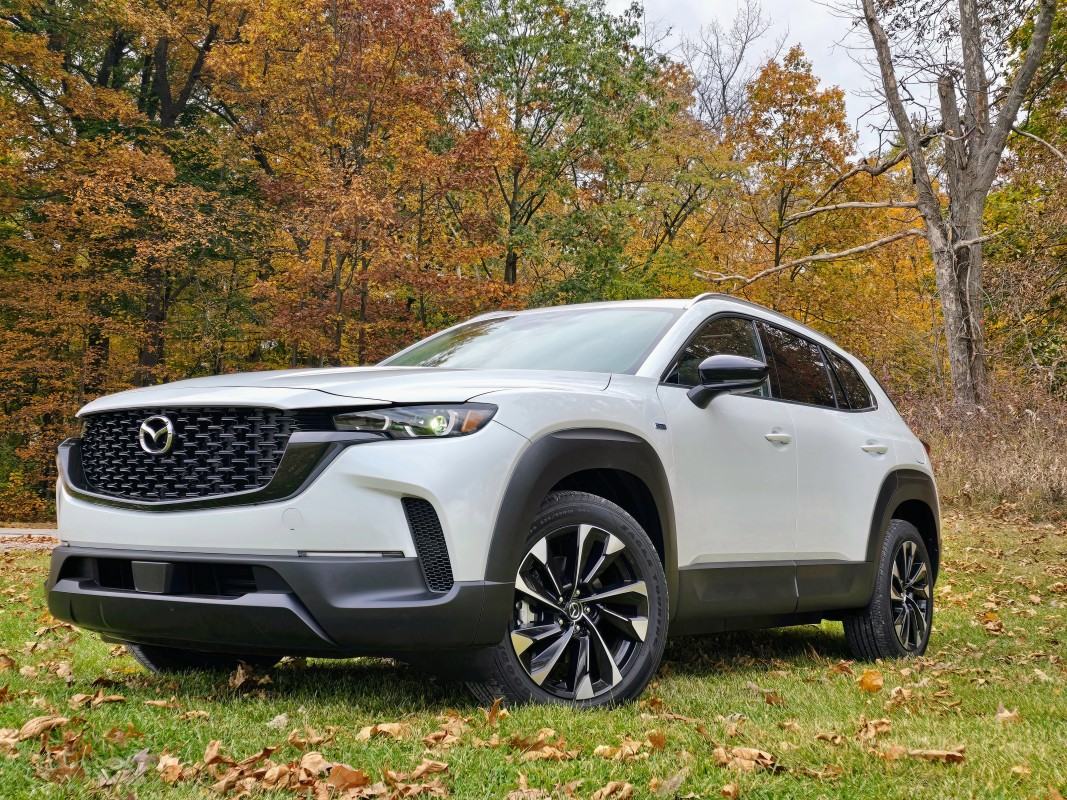
Mazda’s Playing a Risky but On-Brand Game
This move is very much in line with Mazda’s identity. The company has always taken a measured and independent approach. It is exploring EVs and testing new technology, but it refuses to compromise its core values. Driving engagement remains a priority even as regulations tighten. While the Mazda CX-50 uses a modified version of Toyota’s tech, that setup is a temporary solution.
The in-house hybrid system represents Mazda’s long-term direction. It aims to create a hybrid that feels more like a traditional driver’s car. There is a clear risk in this strategy. The market will be more competitive by the time Mazda’s system arrives around 2027. Still, Mazda is betting that the driving feel still matters. If the execution is right, it could produce a hybrid that stands out in a crowded segment.